Cracking the Code: Predicting Tumor Microenvironment Enabled Chemoresistance with Machine Learning in the Human Tumoroid Models
Geeta Mehta, Michael Bregenzer, Pooja Mehta, Kathleen Burkhard

TL;DR
This study uses 3D tumor models and machine learning to show how the mix of cells in the tumor environment affects how well cancer responds to treatment.
Contribution
The study introduces a high-throughput 3D tumoroid model combined with machine learning to predict drug responses based on tumor microenvironment composition.
Findings
Drug responses varied significantly with tumoroid cellular composition.
TME diversity is a key predictor of therapeutic outcomes in HGSC.
Tumoroids can model complex cell interactions linked to chemoresistance.
Abstract
High-grade serous tubo-ovarian cancer (HGSC) is marked by substantial inter- and intra-tumor heterogeneity. The tumor microenvironments (TME) of HGSC show pronounced variability in cellular make-up across metastatic sites, which is linked to poorer patient outcomes. The influence of cellular composition on therapy sensitivity, including chemotherapy and targeted treatments, has not been thoroughly investigated. In this study, we examined the premise that the variations in cellular composition can forecast drug efficacy. Using a high-throughput 3D in vitro tumoroid model, we assessed the drug responses of twenty-three distinct cellular configurations to an assortment of five therapeutic agents, including carboplatin and paclitaxel. By amalgamating our experimental findings with random forest machine learning algorithms, we assessed the influence of TME cellular composition on treatment…
Genes, proteins, chemicals, diseases, species, mutations and cell lines named across the full text — each resolved to its canonical identifier and authoritative record.
Click any figure to enlarge with its caption.
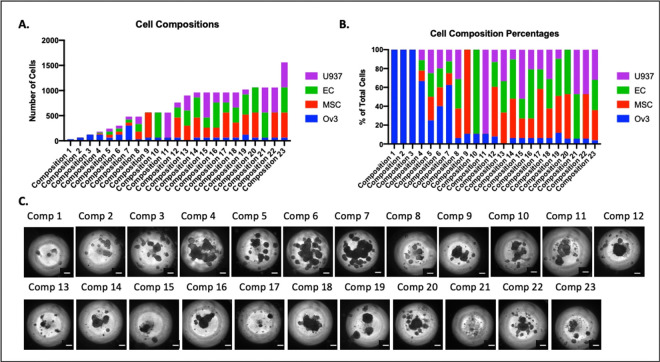 Figure 1
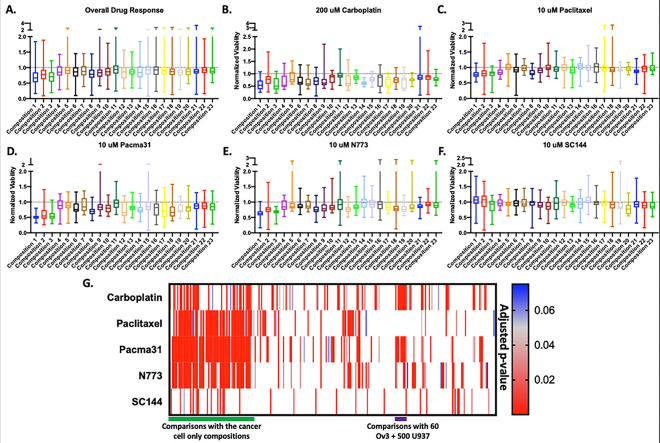 Figure 2
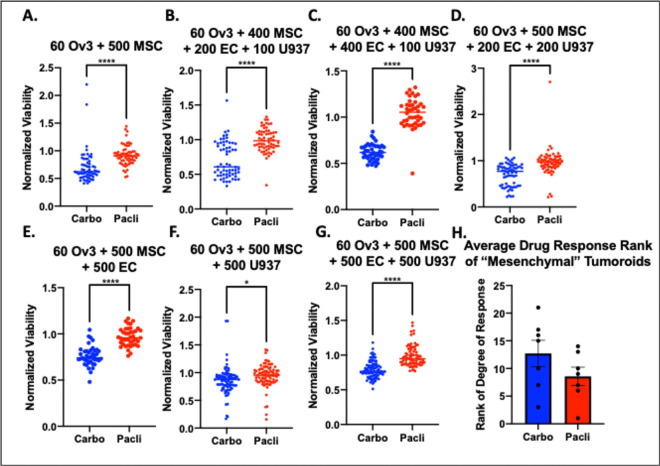 Figure 3
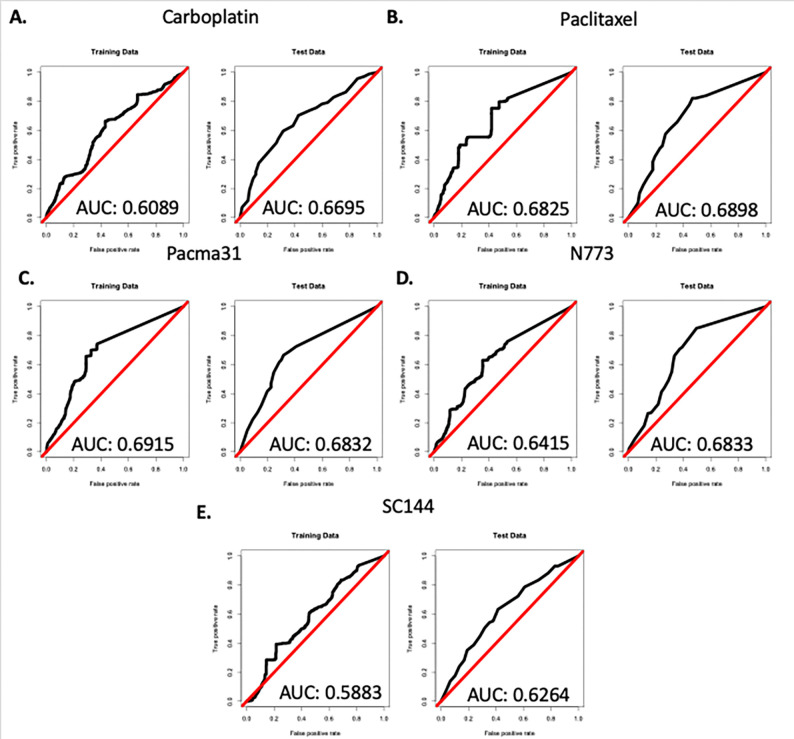 Figure 4
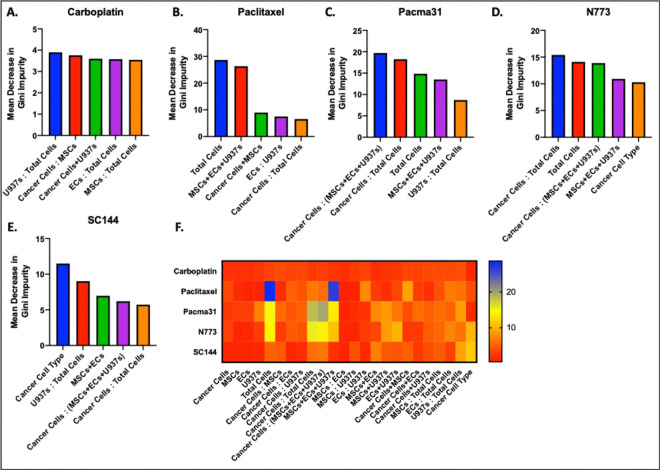 Figure 5
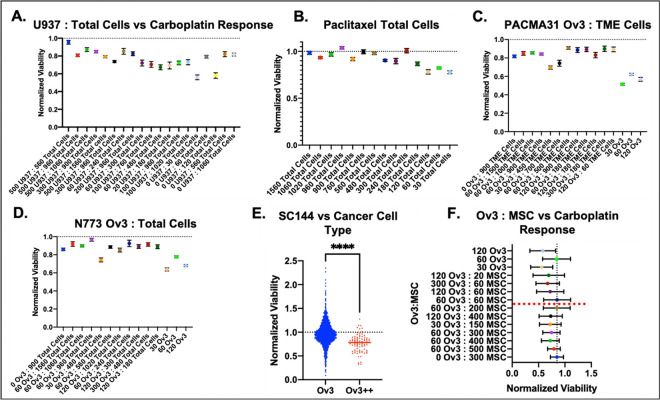 Figure 6
Peer Reviews
No public reviews on file for this paper yet. If you reviewed it on a platform where reviews are public (OpenReview, ICLR, NeurIPS, ICML), you can paste yours below so the community can read it here.
Videos
No videos yet. Explain this paper in a talk, walkthrough, or lecture? Add one.
Taxonomy
TopicsComputational Drug Discovery Methods · PARP inhibition in cancer therapy · Cancer Genomics and Diagnostics