Construction of a novel five programmed cell death-related gene signature as a promising prognostic model for triple negative breast cancer
Quanfeng Shao, Hai-yan Gao, Zi-ying Wang, Yu-ling Qian, Wei-xian Chen

TL;DR
This study identifies a new five-gene model to predict outcomes in triple negative breast cancer patients, offering potential for better clinical management.
Contribution
A novel five-gene signature based on programmed cell death-related genes is proposed for TNBC prognosis.
Findings
The five-gene signature (SEPTIN3, SCARB1, CHML, SYNM, COL5A3) effectively stratifies TNBC patients into high- and low-risk groups.
The model shows strong survival prediction performance across different cohorts and is linked to tumor metabolism and metastasis.
The nomogram incorporating the gene signature improves clinical prognostic accuracy for TNBC.
Abstract
Triple negative breast cancer (TNBC) is a more aggressive subtype of breast cancer that usually progresses rapidly, develops drug resistance, metastasis, and relapses, and remains a challenge for clinicians to treat. Programmed cell death (PCD), a conserved mechanism of cell suicide controlled by various pathways, contributed to carcinogenesis and cancer progression. Nevertheless, the prognostic significance of PCD-related genes in TNBC remains largely unclear, and more accurate prognostic models are urgently needed. Gene expression profiles and clinical information of TNBC patients were obtained from The Cancer Genome Atlas (TCGA) and Gene Expression Omnibus (GEO) database. Least absolute shrinkage and selection operator (LASSO) and multivariate Cox regression analysis were used to establish the PCD-related gene signature. Kaplan-Meier plotter, receiver operating characteristic…
Genes, proteins, chemicals, diseases, species, mutations and cell lines named across the full text — each resolved to its canonical identifier and authoritative record.
Click any figure to enlarge with its caption.
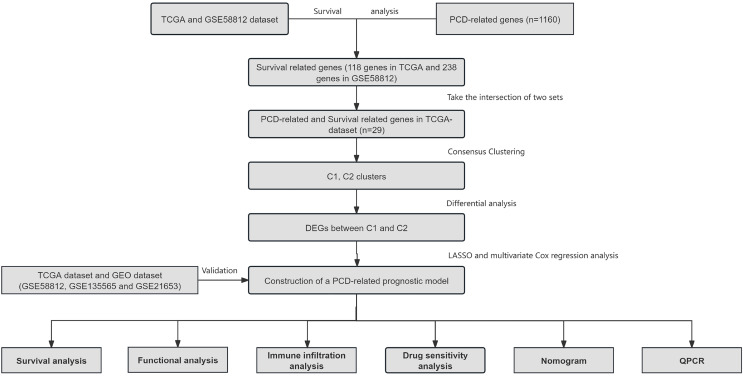 Figure 1
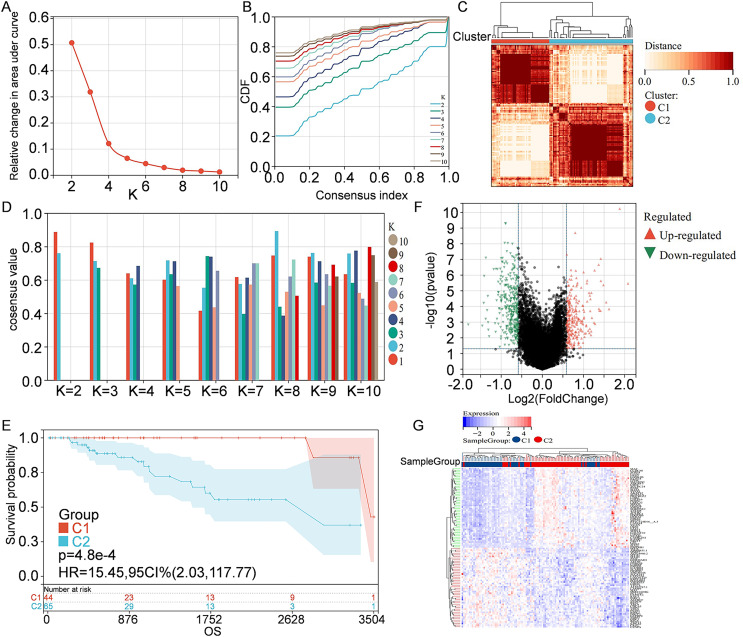 Figure 2
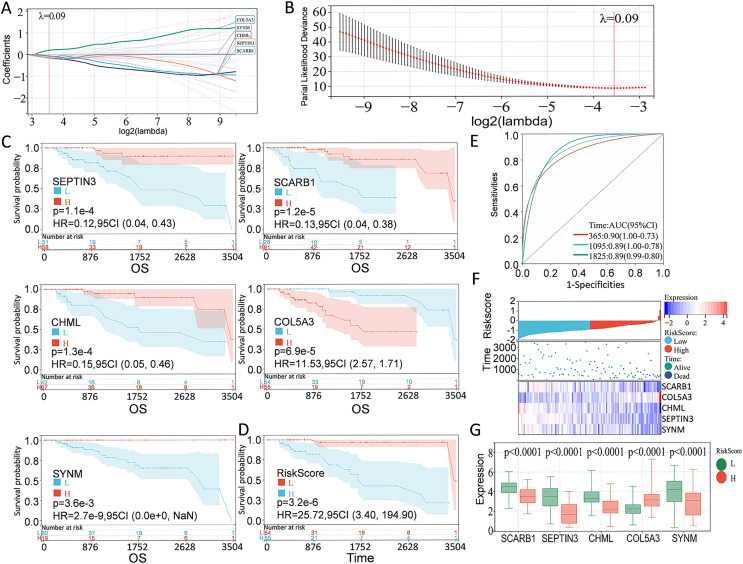 Figure 3
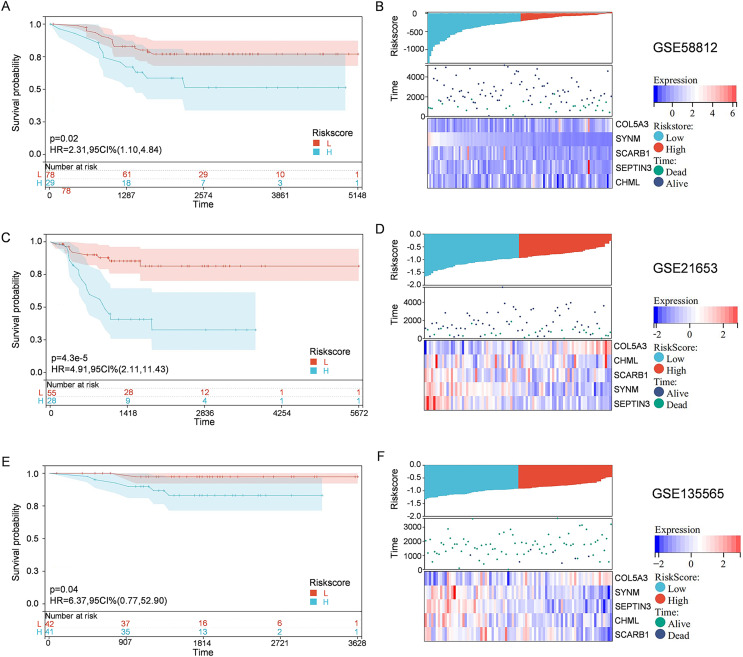 Figure 4
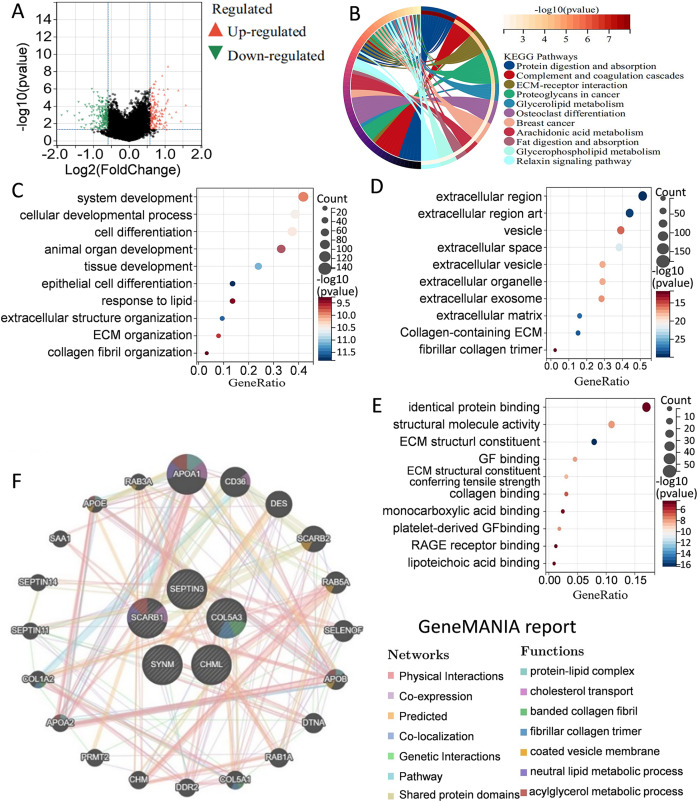 Figure 5
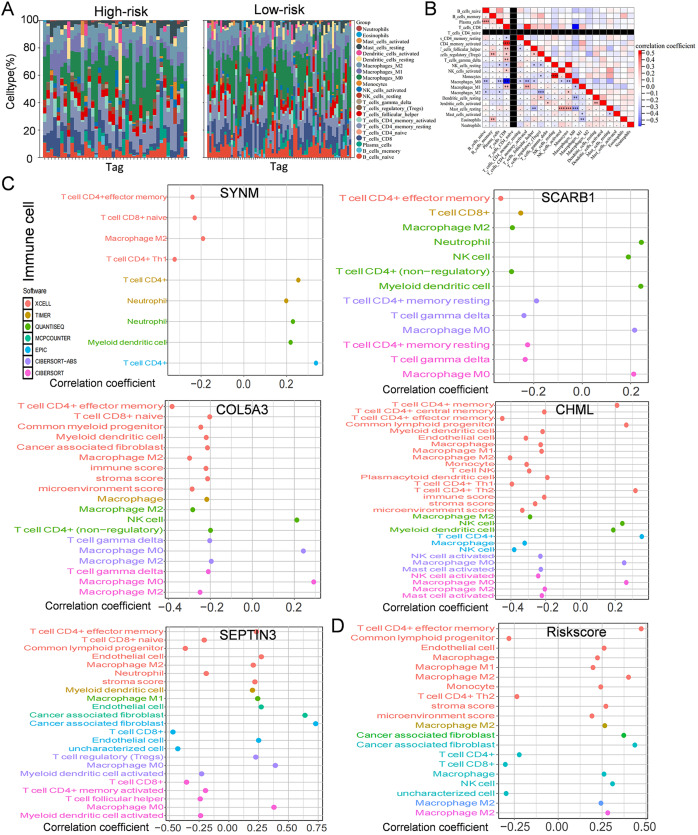 Figure 6
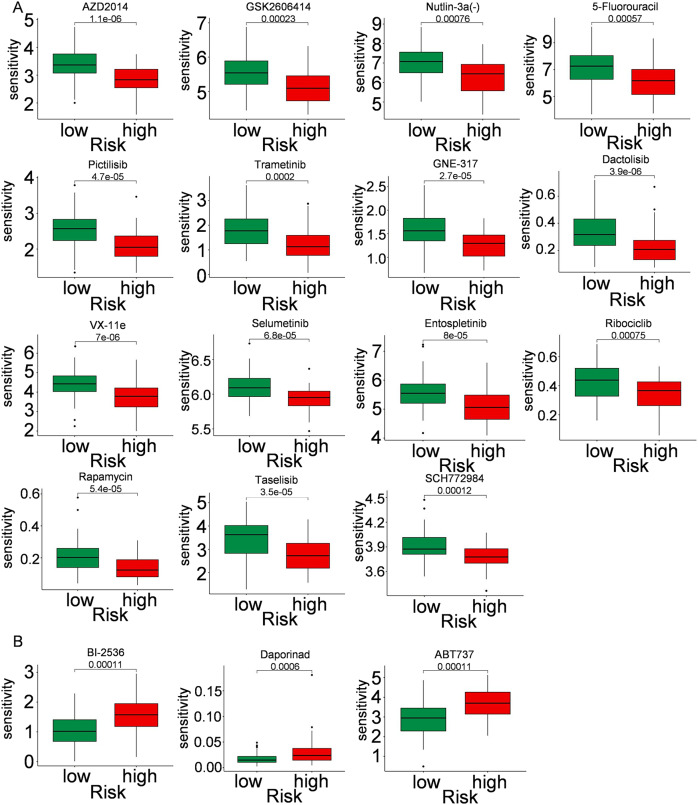 Figure 7
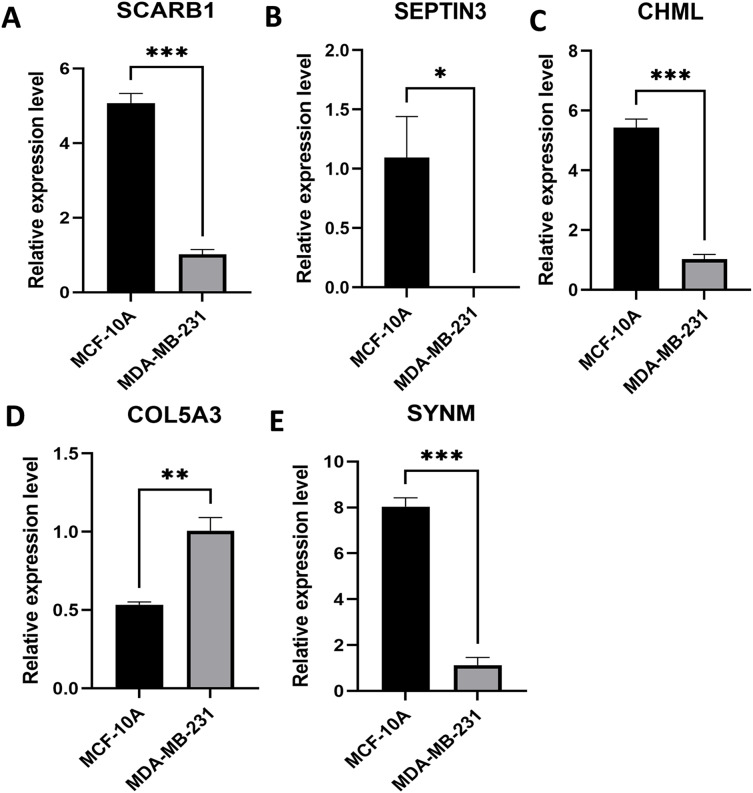 Figure 8
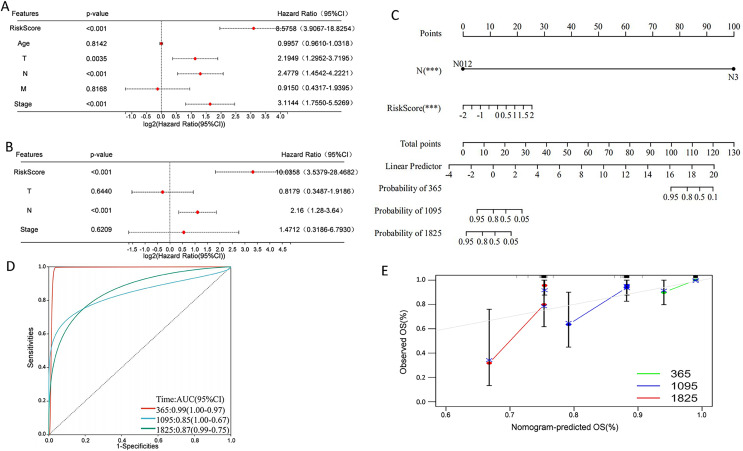 Figure 9
 Figure 10
Peer Reviews
No public reviews on file for this paper yet. If you reviewed it on a platform where reviews are public (OpenReview, ICLR, NeurIPS, ICML), you can paste yours below so the community can read it here.
Videos
No videos yet. Explain this paper in a talk, walkthrough, or lecture? Add one.
Taxonomy
TopicsFerroptosis and cancer prognosis · Cancer-related Molecular Pathways · RNA modifications and cancer