Threefold relationship between ideal humanity and sublime beauty in Chinese art forms
Maoyuan Ding, Xiao Tan

TL;DR
This paper examines how Chinese art connects ideal humanity and sublime beauty through potential, processes, and goals, offering insights for modern psychology.
Contribution
It introduces a threefold model linking ideal humanity and sublime beauty in Chinese art, providing a novel framework for psychological research.
Findings
Chinese art emphasizes awakening sublime beauty through individual potential and art forms.
The creative process balances rational expression and spiritual practice to achieve sublime cognition.
Artistic goals include self, no-self, and empty states, offering multiple value perspectives for psychology.
Abstract
In Chinese thought, the concept of the “sublime” is closely intertwined with “beauty,” the two concepts merging to form a sublime beauty that seeks the continuous development of universal life amid change. This paper explores the multifaceted relationship between the Chinese artistic mind and sublime beauty through three dimensions of the research model: potential, processes, and goals. In terms of potential, Chinese artistic thought places full trust in the inherent potential of an individual’s ideal humanity, emphasizes the awakening of the sublime beauty within each person through specific art forms, and cultivates different perspectives to understand the connection between the mind and the sublime beauty of our world. In terms of process, Chinese artistic thought is characterized by the focused sincerity of the creative mindset; creative thinking that balances the “degree” of…
Genes, proteins, chemicals, diseases, species, mutations and cell lines named across the full text — each resolved to its canonical identifier and authoritative record.
Click any figure to enlarge with its caption.
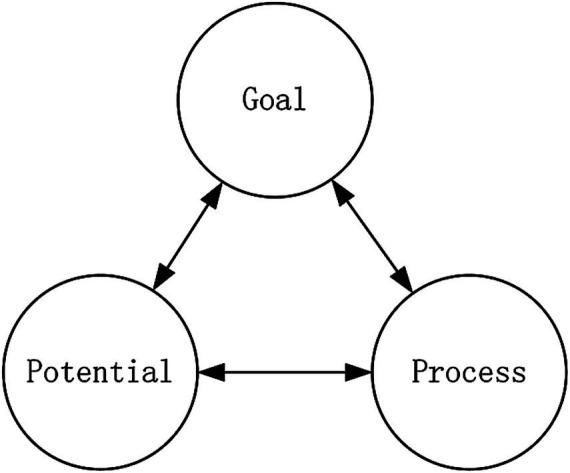 Figure 1
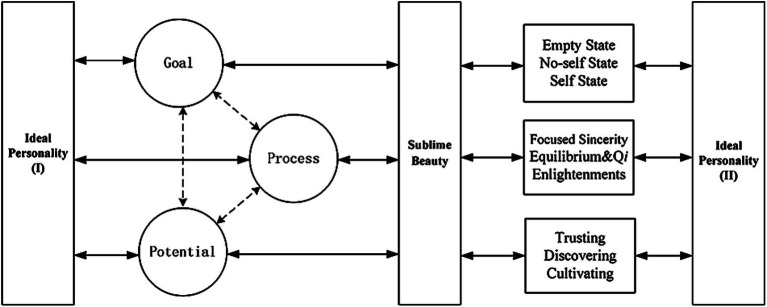 Figure 2
 Figure 3
 Figure 4
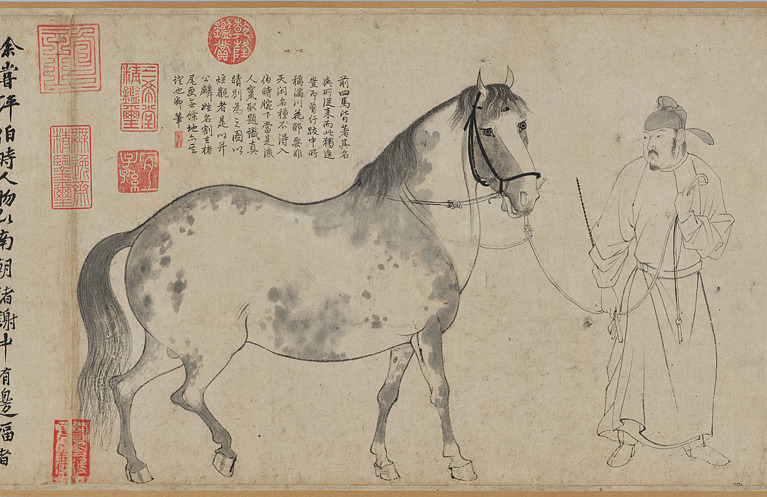 Figure 5
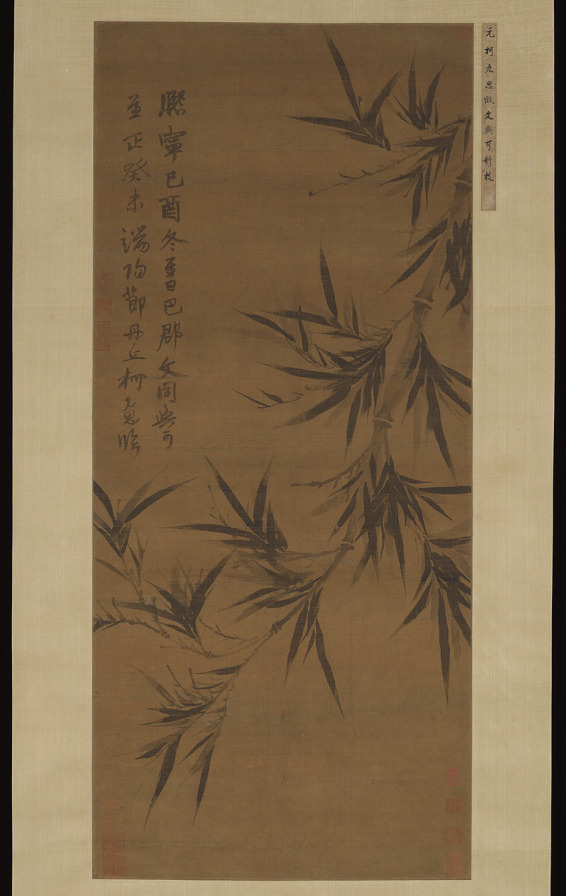 Figure 6
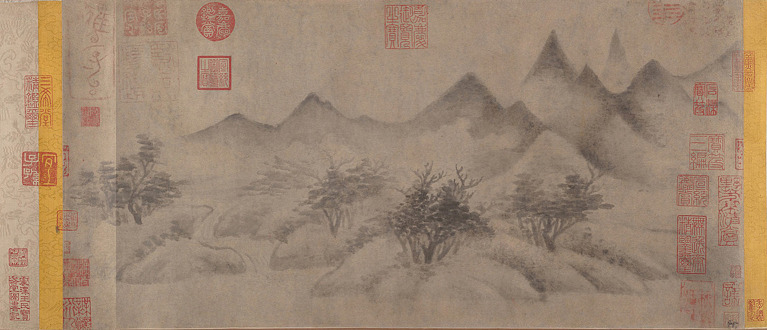 Figure 7
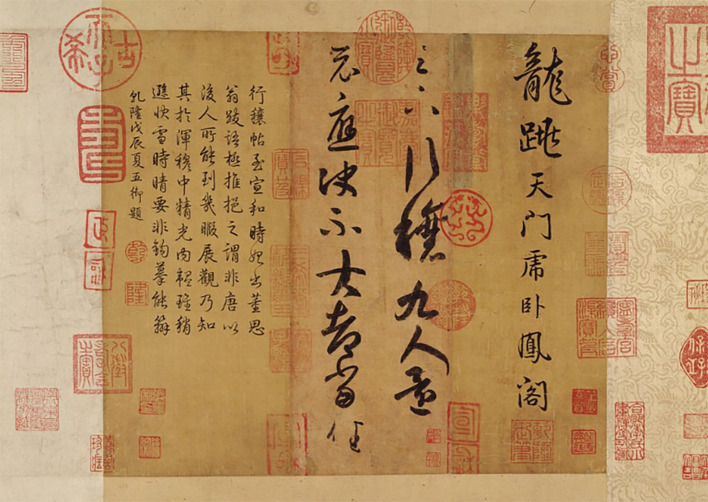 Figure 8
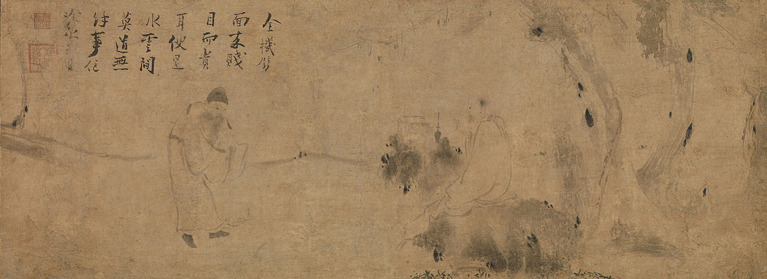 Figure 9
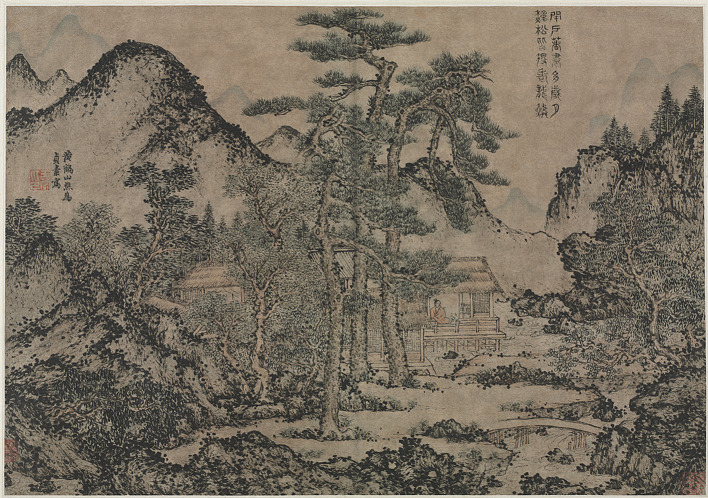 Figure 10
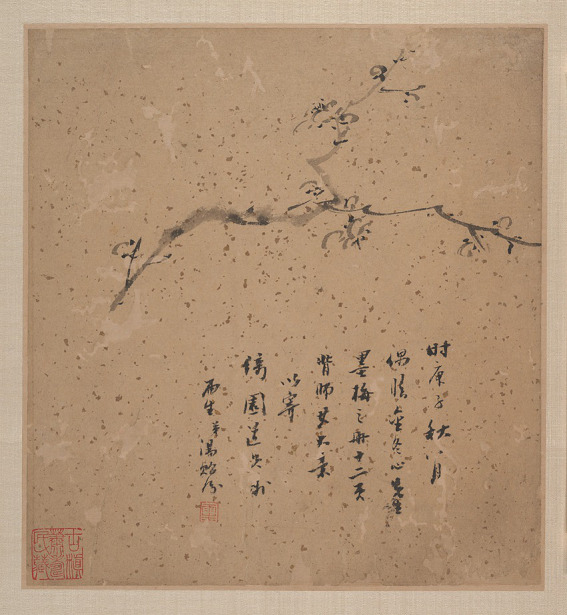 Figure 11
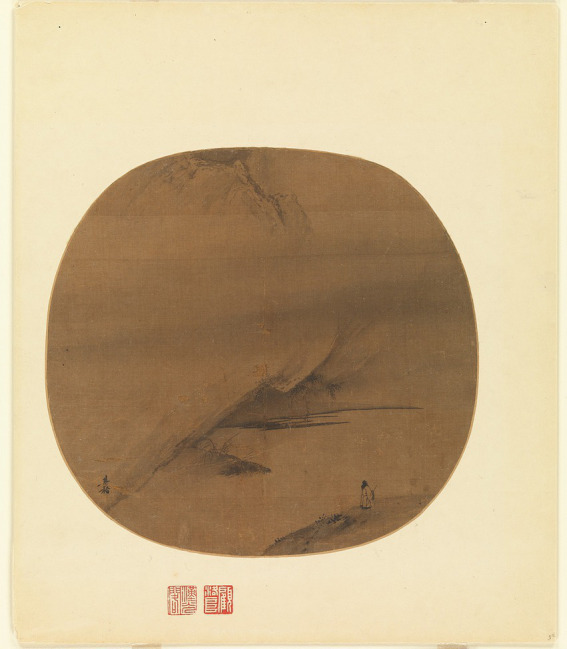 Figure 12
Peer Reviews
No public reviews on file for this paper yet. If you reviewed it on a platform where reviews are public (OpenReview, ICLR, NeurIPS, ICML), you can paste yours below so the community can read it here.
Videos
No videos yet. Explain this paper in a talk, walkthrough, or lecture? Add one.
Taxonomy
TopicsAesthetic Perception and Analysis · Color perception and design · Visual Culture and Art Theory