Improved pharmacotherapy after revised dosing regimens of two slow-release formulations of benzylpenicillin in an Actinobacillus pleuropneumoniae infection model in pigs
Marie Sjölund, Thomas Rosendal, Per Wallgren, Märit Pringle, Ulf Bondesson, Björn Bengtsson, Carl Ekstrand

TL;DR
This study finds that adjusting the dosage and formulation of benzylpenicillin improves treatment outcomes in pigs infected with Actinobacillus pleuropneumoniae.
Contribution
The study introduces optimized dosing regimens and formulations of benzylpenicillin for treating APP infections in pigs.
Findings
Benzylpenicillin dosing regimens of 20–30 mg/kg every 12 hours provided greater plasma exposure than the labeled dose.
The oil-based suspension of benzylpenicillin was more effective than the aqueous suspension in treating APP infections.
Higher plasma concentrations of benzylpenicillin correlated with reduced lung lesions and better clinical outcomes in pigs.
Abstract
Actinobacillus pleuropneumoniae (APP) is a Gram-negative bacterium that causes respiratory disease in pigs, resulting in significant economic losses and reduced animal welfare. In Sweden, the drug of choice for treatment of APP infections is benzylpenicillin. However, limited pharmacokinetic and pharmacodynamic data for benzylpenicillin in pigs have led to variations in recommended dosing regimens. In this study, the impact of different dosing regimens and benzylpenicillin preparations on the progression of APP infection in pigs was investigated. Two experimental trials involving a total of 66 pigs were conducted. Pigs were intranasally inoculated with a pathogenic strain of APP serotype 2, and treatment was initiated upon the appearance of clinical signs. Two intramuscularly administered benzylpenicillin formulations, an aqueous and an oil-based suspension, were used with varying…
Genes, proteins, chemicals, diseases, species, mutations and cell lines named across the full text — each resolved to its canonical identifier and authoritative record.
Click any figure to enlarge with its caption.
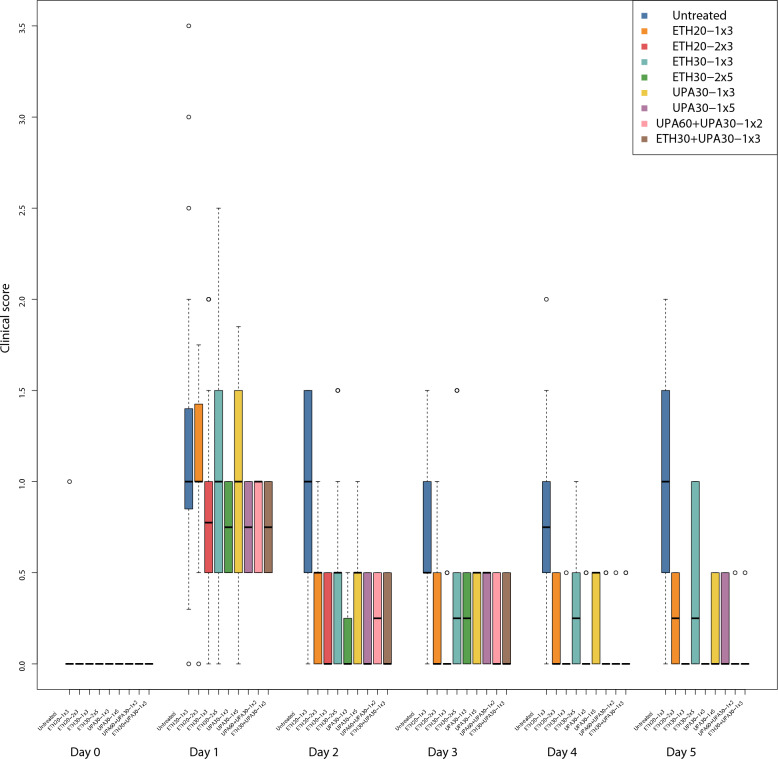 Figure 1
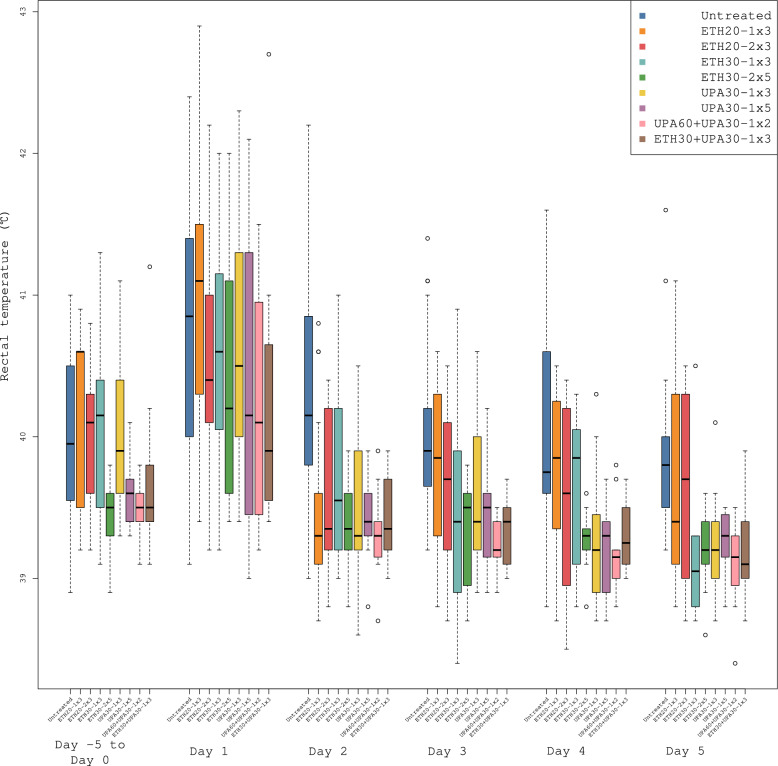 Figure 2
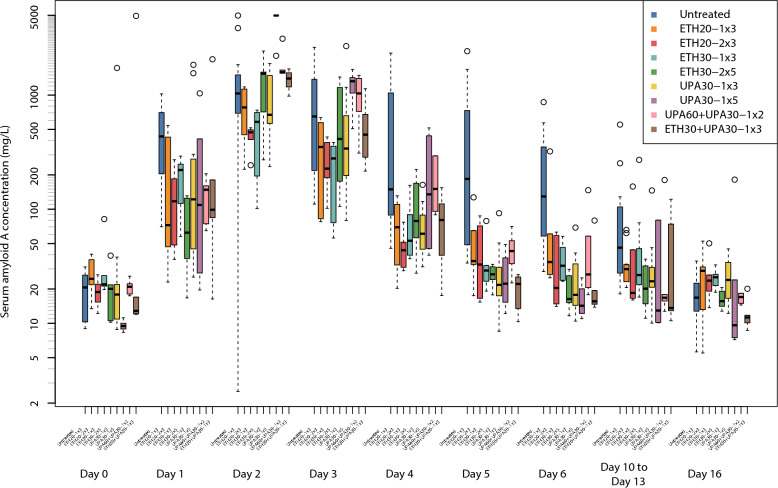 Figure 3
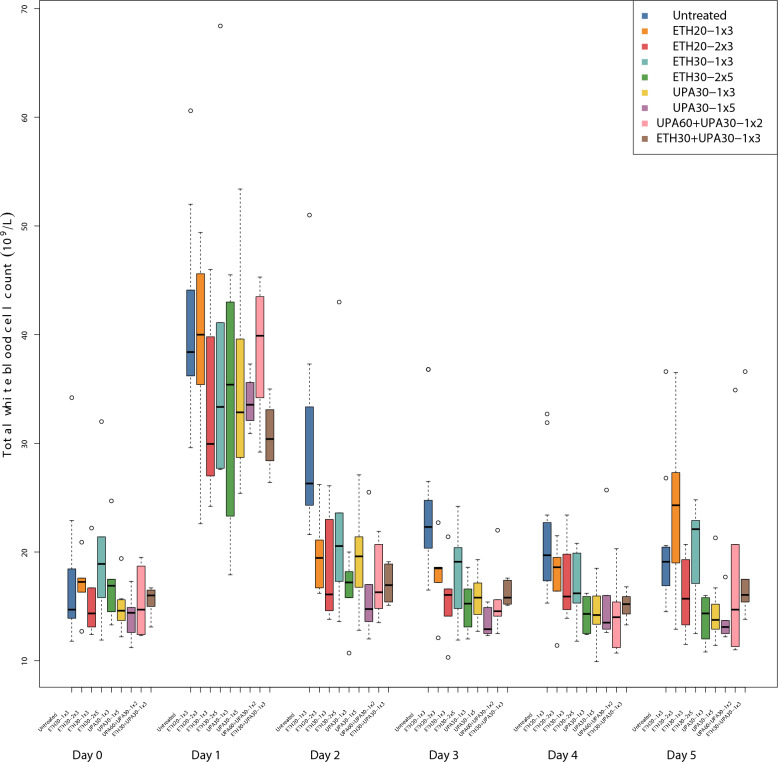 Figure 4
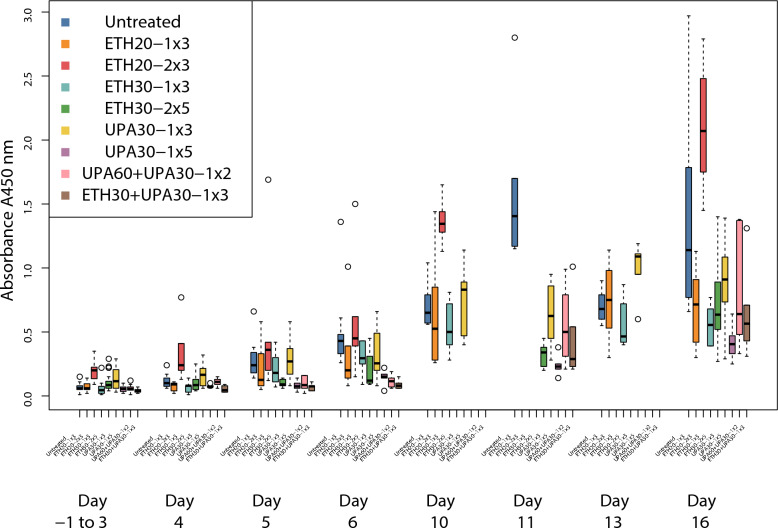 Figure 5
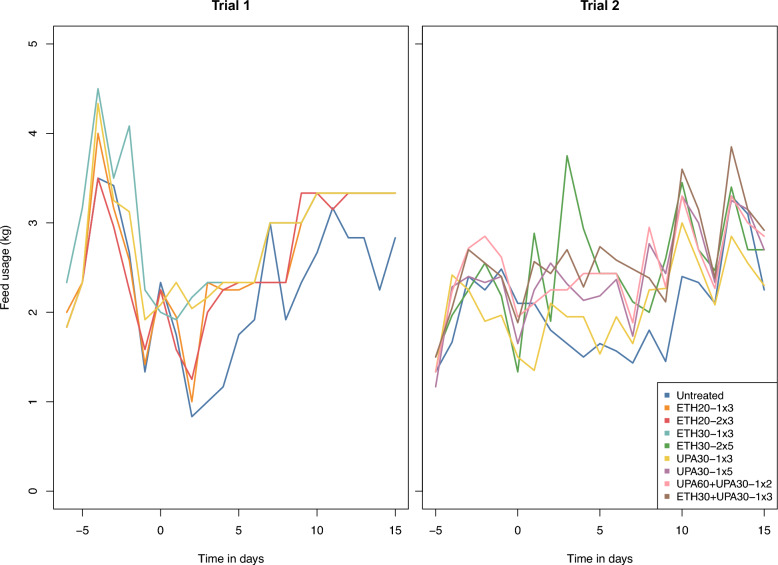 Figure 6
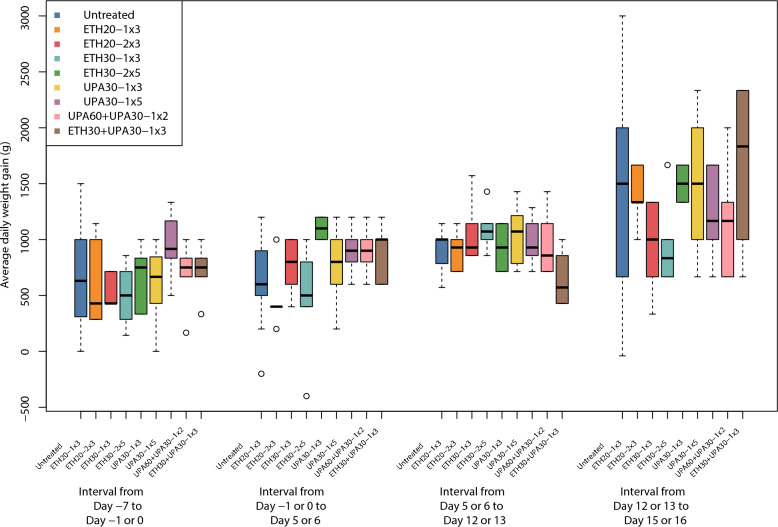 Figure 7
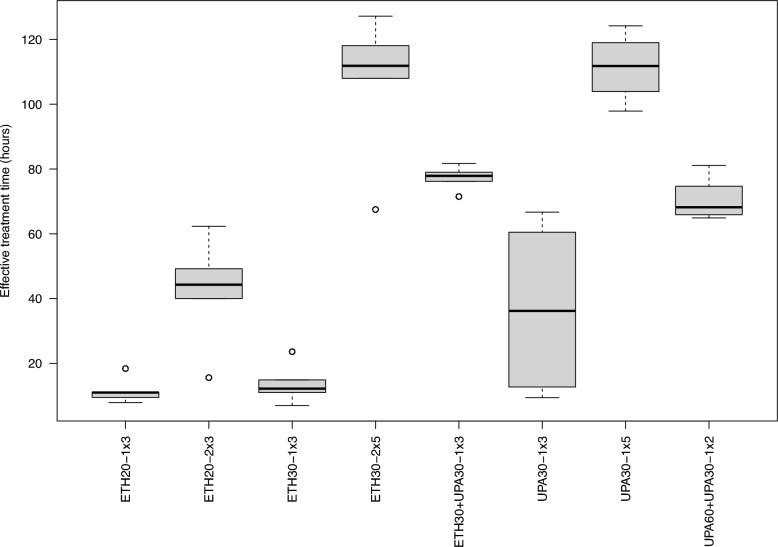 Figure 8
Peer Reviews
No public reviews on file for this paper yet. If you reviewed it on a platform where reviews are public (OpenReview, ICLR, NeurIPS, ICML), you can paste yours below so the community can read it here.
Videos
No videos yet. Explain this paper in a talk, walkthrough, or lecture? Add one.
Taxonomy
TopicsAntibiotics Pharmacokinetics and Efficacy · Microbial infections and disease research · Pneumonia and Respiratory Infections