Clinical outcome of ≥2% circulating tumor cells in newly diagnosed multiple myeloma: insights from a multicenter study
Dong Liang, Yurong Yan, Shenrui Bai, Weiling Xu, Qiaoli Wang, Demei Feng, Yuying Bu, Min Zeng, Xiaomiao Nie, Yuan Feng, Xiaoqin Chen, Zhongjun Xia, Yang Liang, Fengyan Jin, Hua Wang

TL;DR
This study identifies a high-risk multiple myeloma subgroup with ≥2% circulating tumor cells, showing poor prognosis and potential treatment benefits from daratumumab-based therapies.
Contribution
The study provides real-world clinical insights into the prognosis and treatment response of multiple myeloma patients with ≥2% circulating tumor cells.
Findings
Patients with ≥2% CTCs have outcomes similar to primary plasma cell leukemia.
Daratumumab-based quadruplet therapy improves survival in ≥2% CTC patients.
Complete remission after induction treatment does not improve prognosis for ≥2% CTC patients.
Abstract
Previous studies have shown that ≥2% circulating tumor cells (CTCs) in multiple myeloma are associated with a prognosis similar to primary plasma cell leukemia. This study aims to examine this ultra-high-risk patient subset and evaluate their clinical outcomes in a real-world clinical setting. We included 1,056 newly diagnosed multiple myeloma patients treated with novel agents. CTCs levels were determined via morphological assessment on peripheral blood smears, using a 2% cutoff to stratify patients into <2% and ≥2% CTCs groups. We then evaluated clinical outcomes across these groups. Patients with ≥2% CTCs constitute an ultra-high-risk subgroup, with outcomes resembling those of primary plasma cell leukemia. Survival outcomes improved for patients receiving daratumumab-based quadruplet therapy. Single autologous stem cell transplantation (ASCT) partially improved outcomes for…
Genes, proteins, chemicals, diseases, species, mutations and cell lines named across the full text — each resolved to its canonical identifier and authoritative record.
Click any figure to enlarge with its caption.
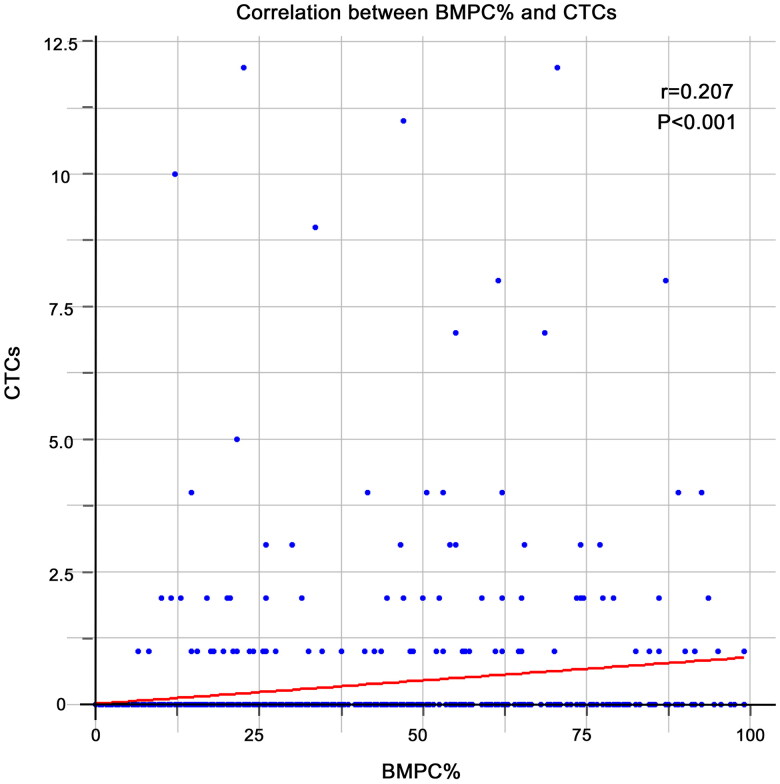 Figure 1
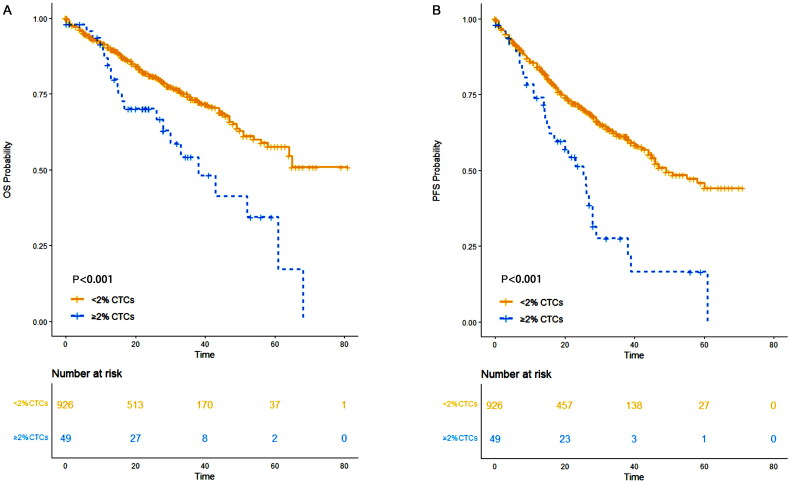 Figure 2
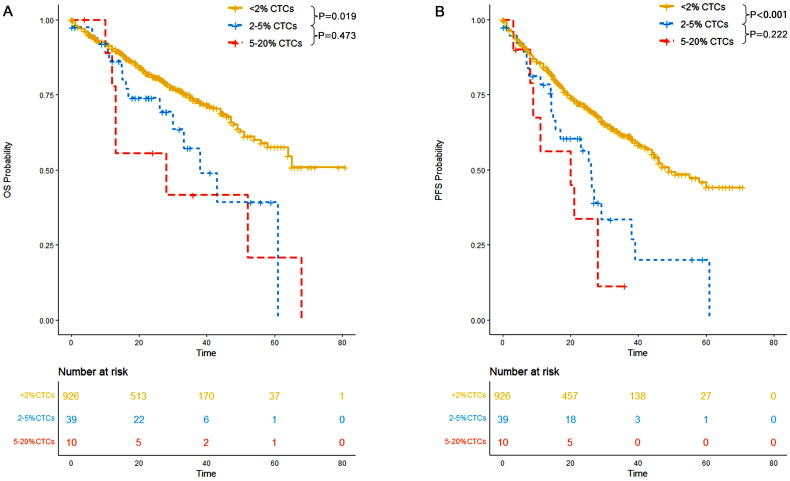 Figure 3
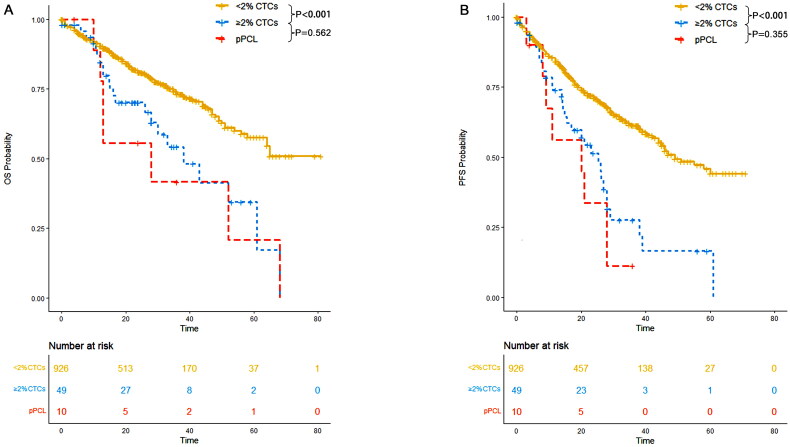 Figure 4
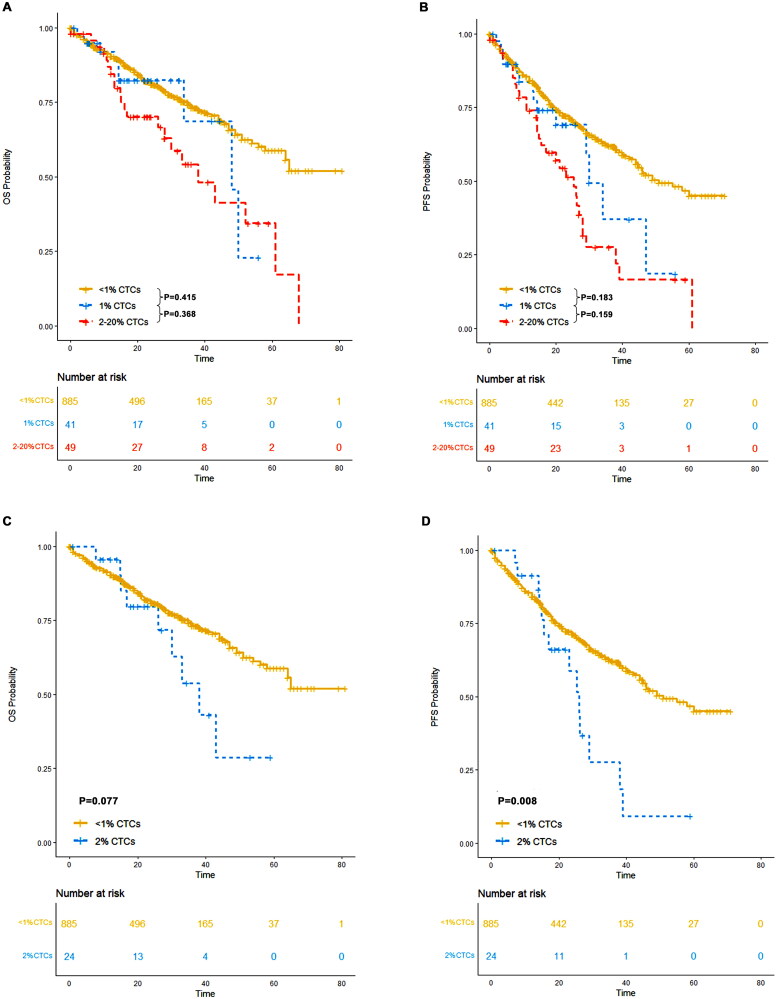 Figure 5
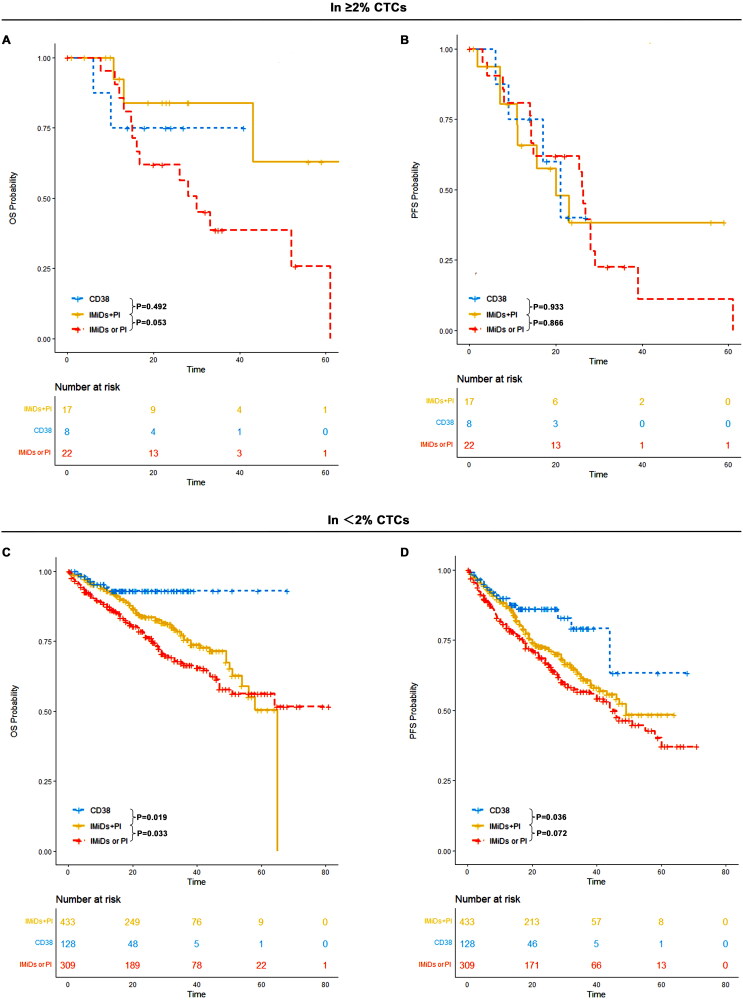 Figure 6
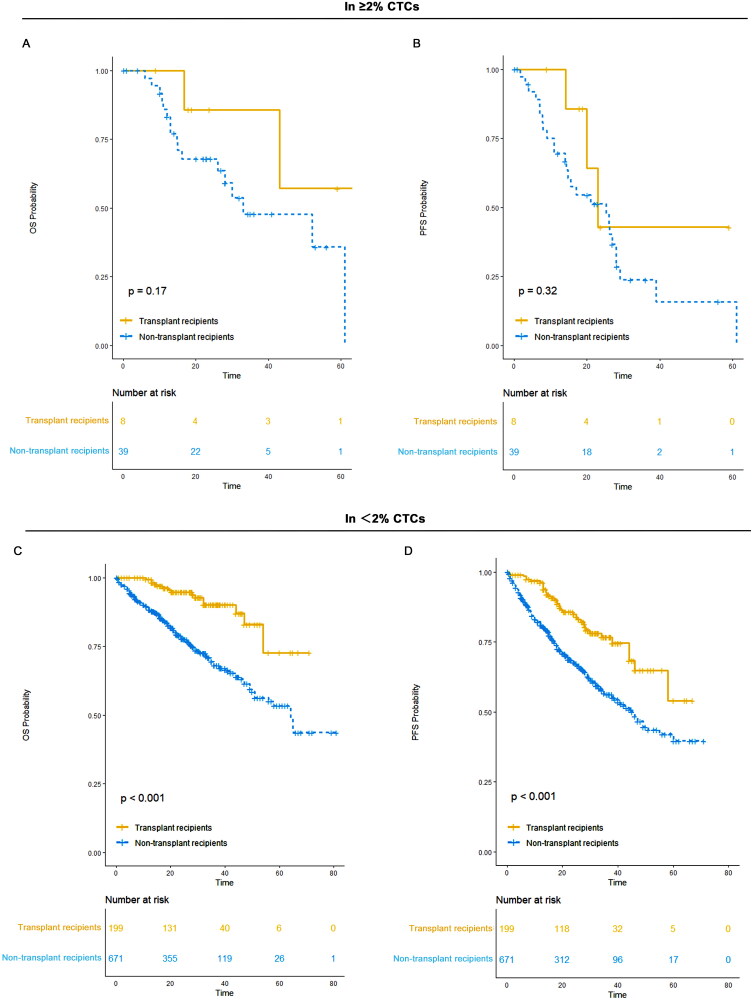 Figure 7
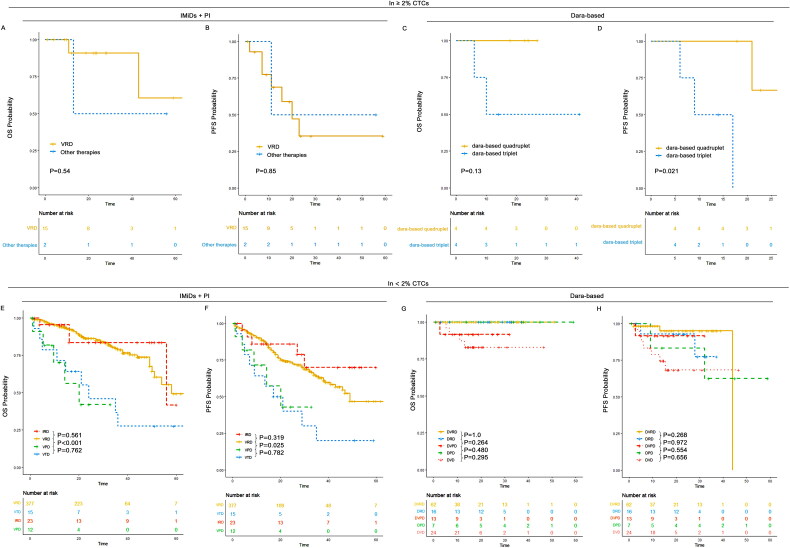 Figure 8
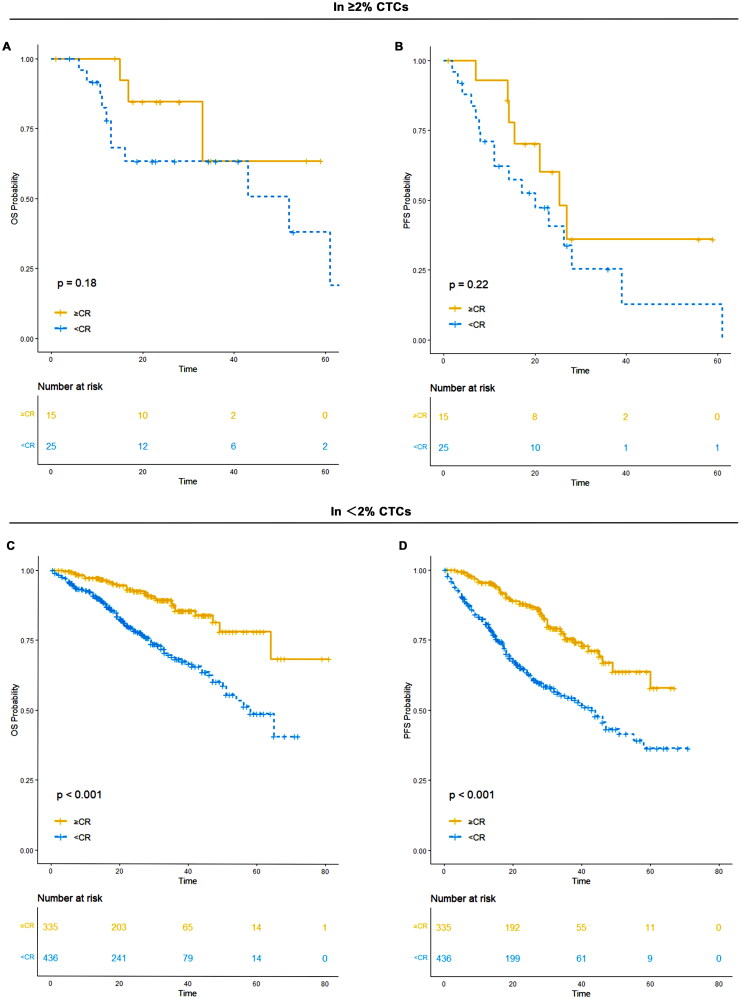 Figure 9
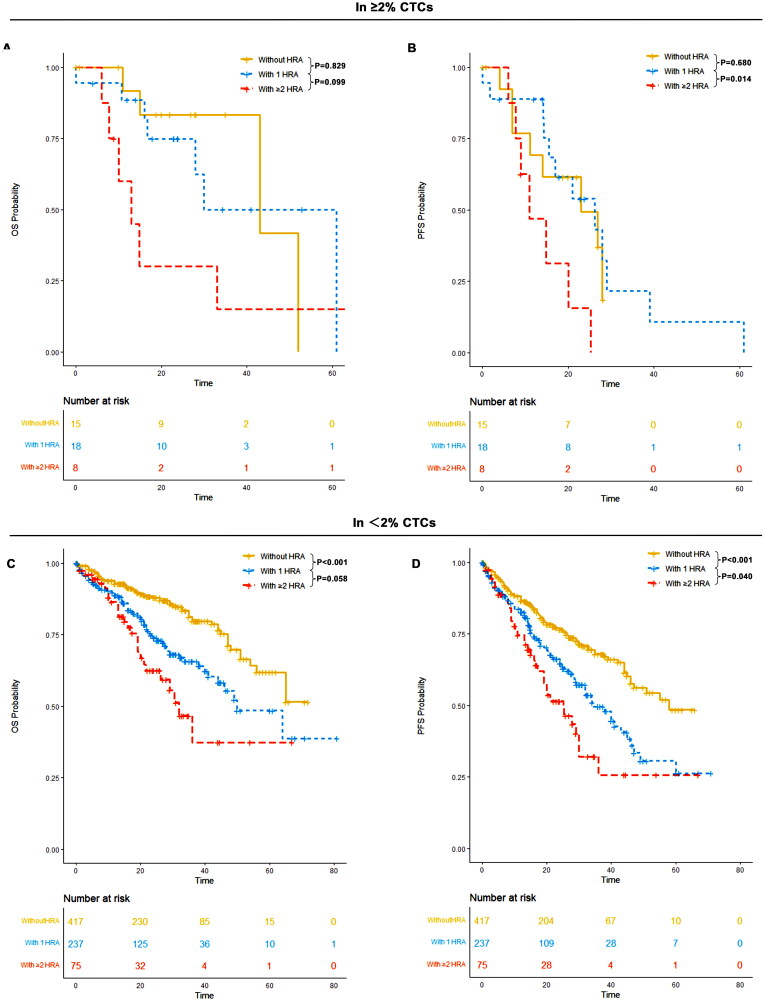 Figure 10
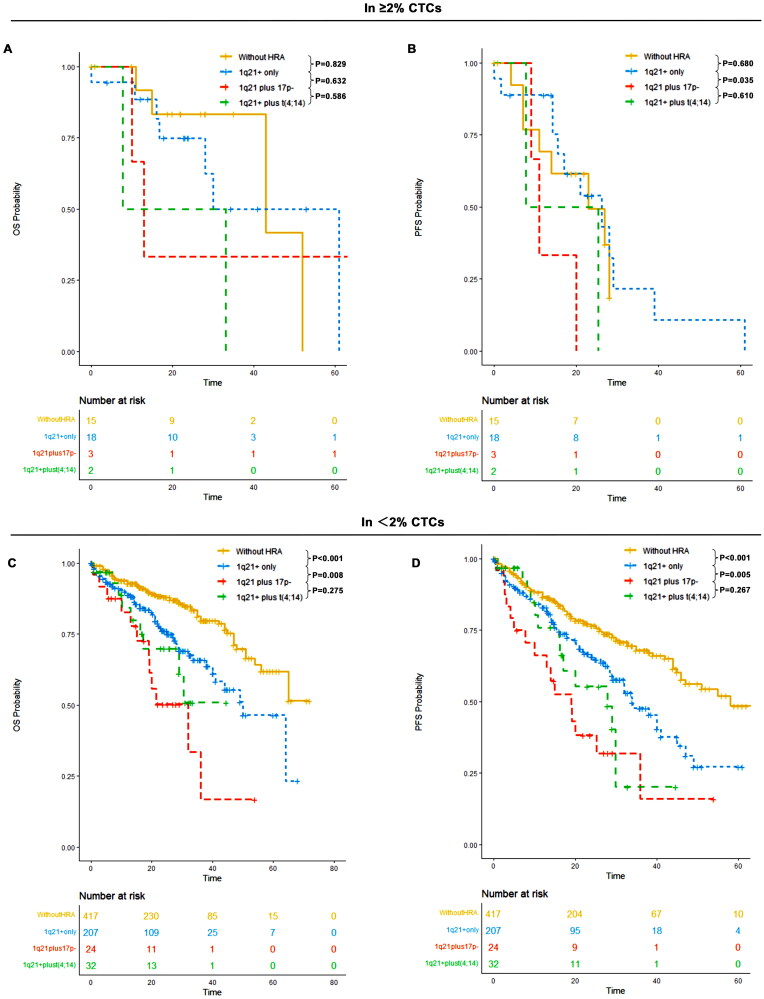 Figure 11
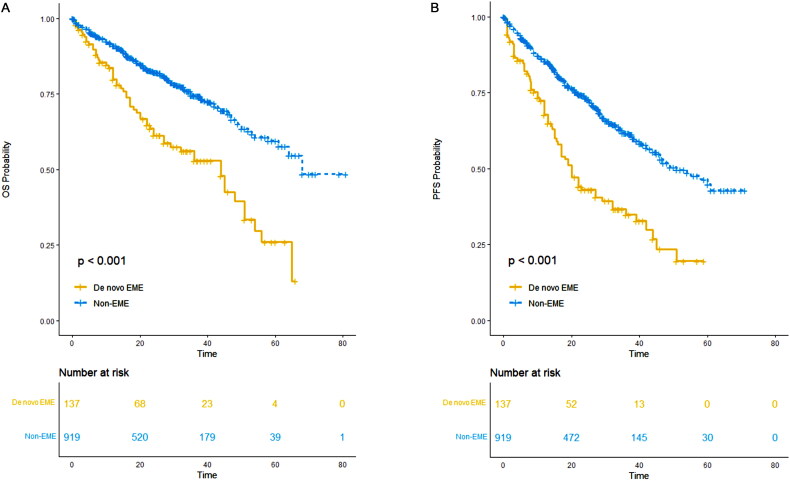 Figure 12
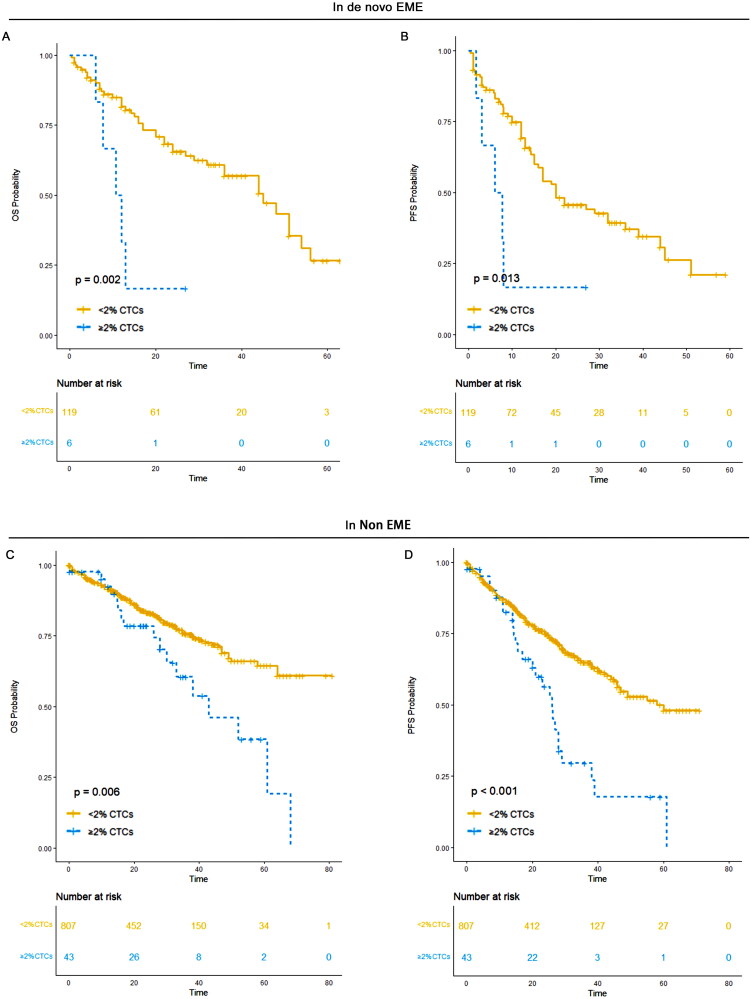 Figure 13
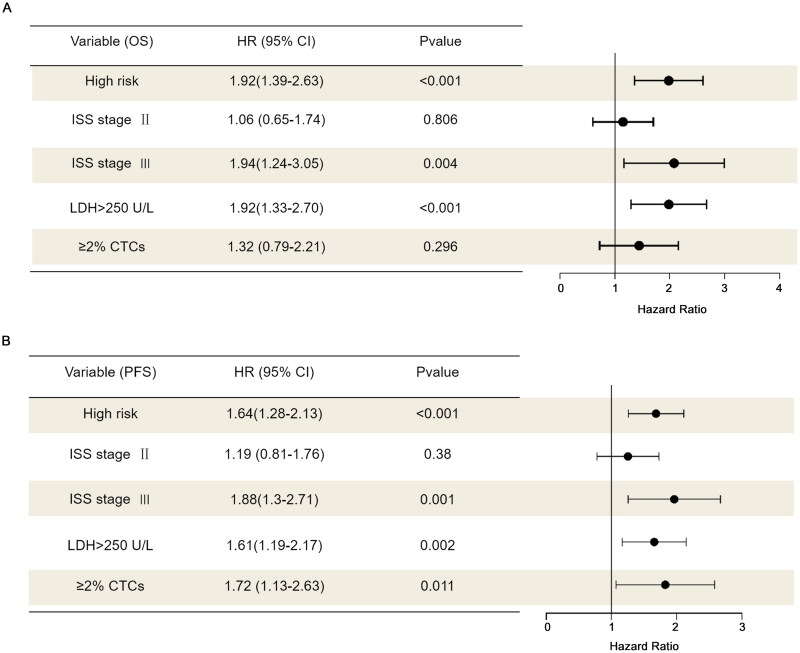 Figure 14
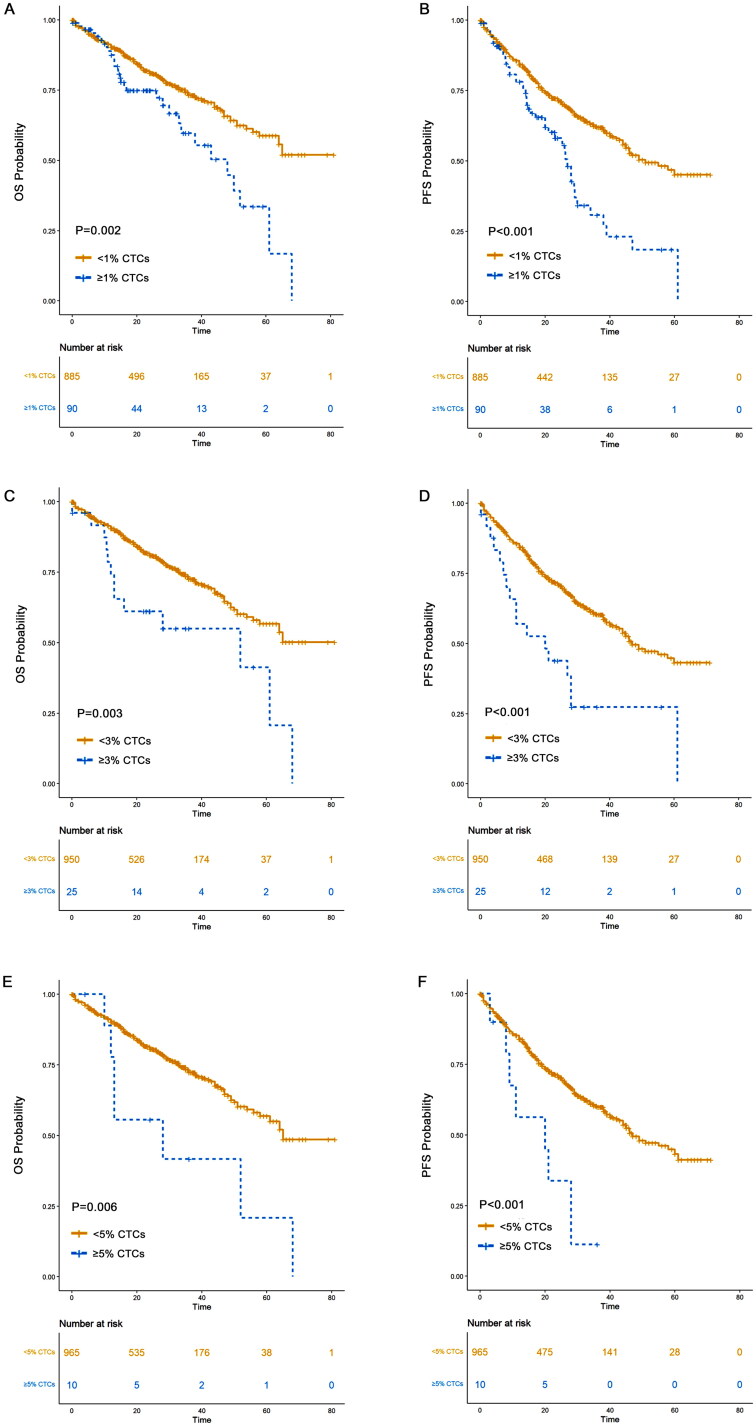 Figure 15
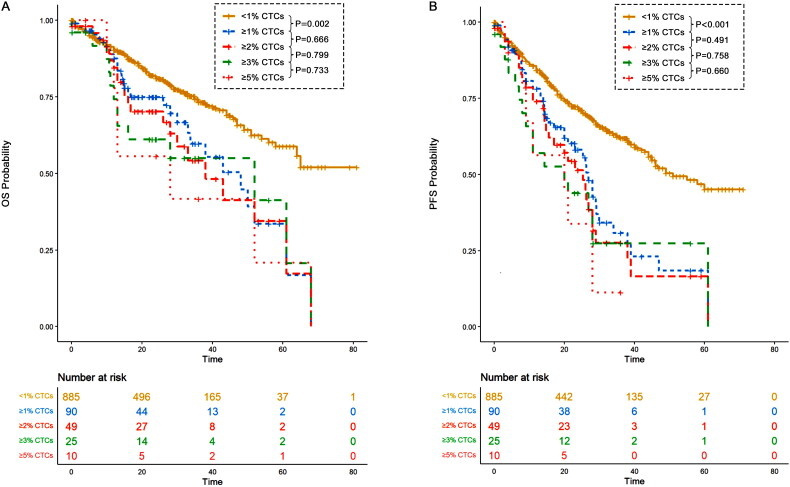 Figure 16
Peer Reviews
No public reviews on file for this paper yet. If you reviewed it on a platform where reviews are public (OpenReview, ICLR, NeurIPS, ICML), you can paste yours below so the community can read it here.
Videos
No videos yet. Explain this paper in a talk, walkthrough, or lecture? Add one.
Taxonomy
TopicsMultiple Myeloma Research and Treatments · Protein Degradation and Inhibitors · Cancer therapeutics and mechanisms