Synaptic Function and Sensory Processing in ZDHHC9‐Associated Neurodevelopmental Disorder: A Mechanistic Account
Rebeca Ianov Vitanov, Jascha Achterberg, Danyal Akarca, Duncan E. Astle, Kate Baker

TL;DR
This study explores how ZDHHC9 gene variants affect brain function by combining human brain data with a computational model, suggesting reduced inhibition may explain sensory processing differences.
Contribution
The study provides a mechanistic account linking ZDHHC9 variants to altered cortical function through computational modeling of synaptic dysfunction.
Findings
Reduced inhibition in a neural network model recapitulates increased auditory response amplitudes and delayed latencies seen in ZDHHC9 individuals.
Strengthening excitatory connections did not produce stable activity or realistic auditory responses in the model.
The findings suggest that ZDHHC9-associated synaptic dysfunction impacts sensory processing via altered inhibition.
Abstract
Loss‐of‐function ZDHHC9 variants are associated with X‐linked intellectual disability (XLID), rolandic epilepsy (RE) and developmental language difficulties. This study integrates human neurophysiological data with a computational model to identify a potential neural mechanism explaining ZDHHC9‐associated differences in cortical function and cognition. Magnetoencephalography (MEG) data was collected during an auditory roving oddball paradigm from eight individuals with a ZDHHC9 loss‐of‐function variant (ZDHHC9 group) and seven age‐matched individuals without neurological or neurodevelopmental difficulties (control group). Auditory‐evoked fields (AEFs) were larger in amplitude and showed a later peak latency in the ZDHHC9 group but demonstrated normal stimulus‐specific properties. Magnetic mismatch negativity (mMMN) amplitude was also increased in the ZDHHC9 group, reflected by stronger…
Genes, proteins, chemicals, diseases, species, mutations and cell lines named across the full text — each resolved to its canonical identifier and authoritative record.
Click any figure to enlarge with its caption.
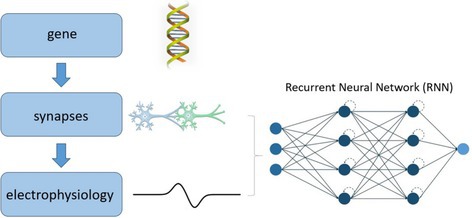 Figure 1
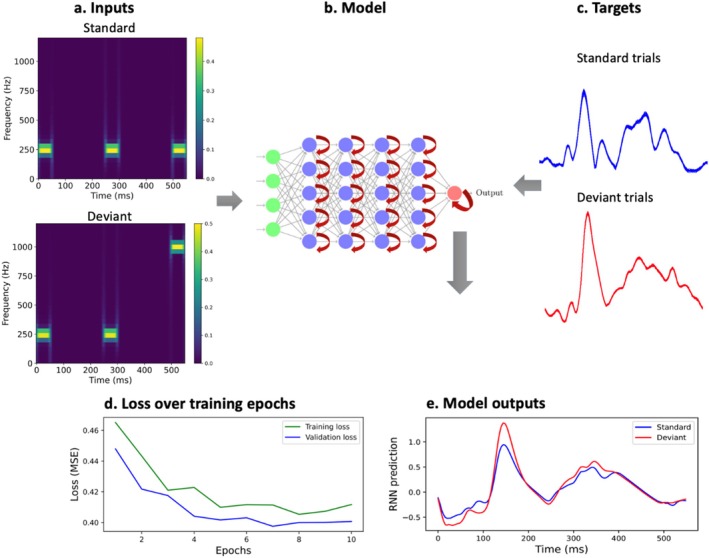 Figure 2
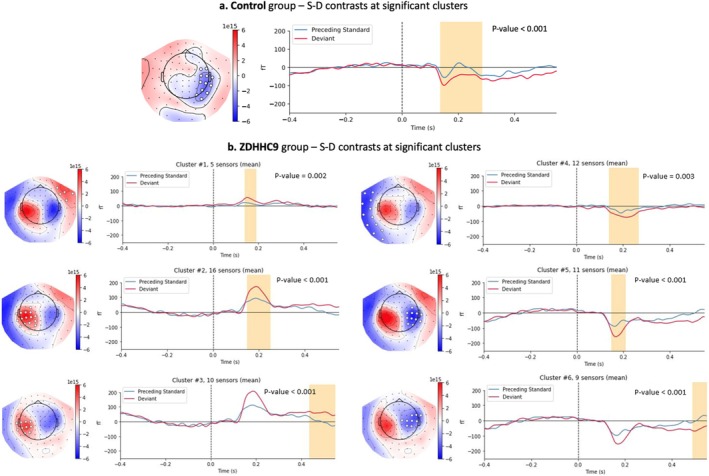 Figure 3
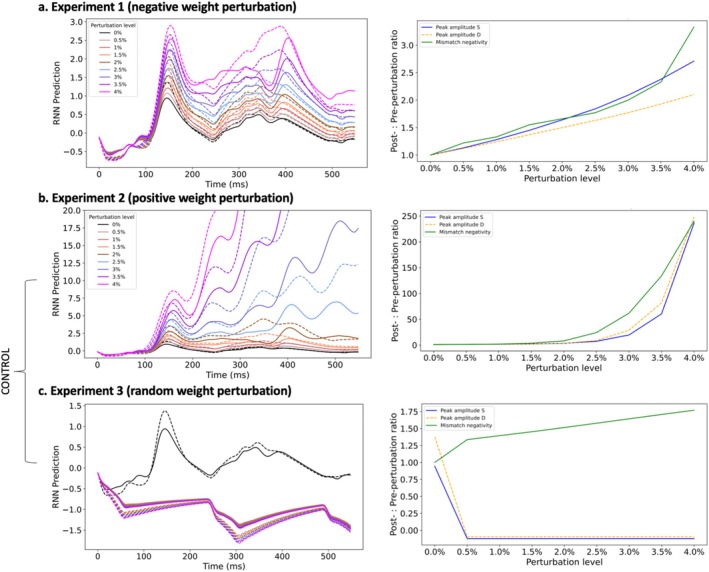 Figure 4
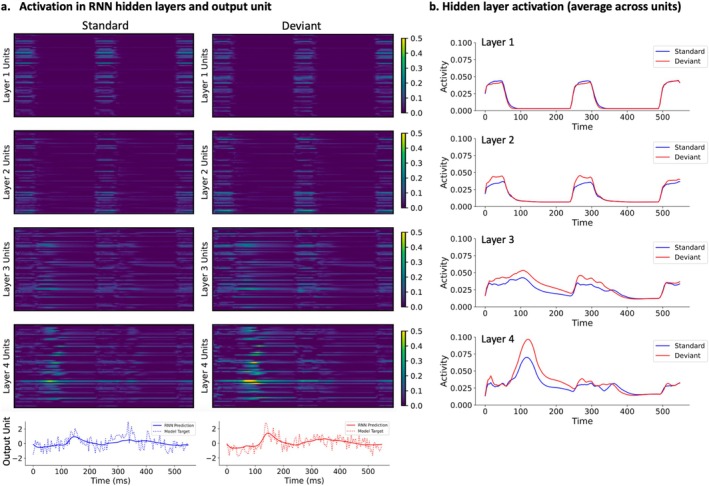 Figure 5
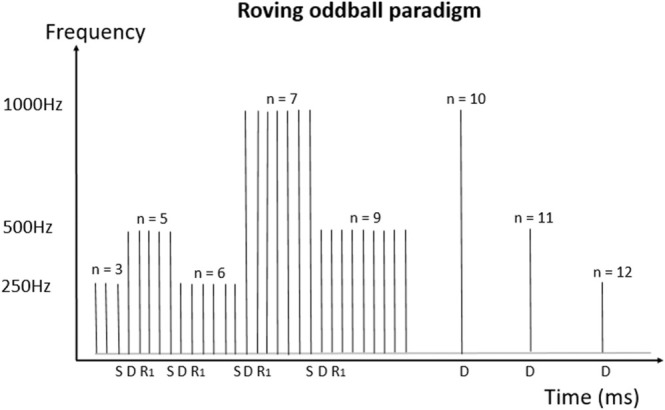 Figure 6
Peer Reviews
No public reviews on file for this paper yet. If you reviewed it on a platform where reviews are public (OpenReview, ICLR, NeurIPS, ICML), you can paste yours below so the community can read it here.
Videos
No videos yet. Explain this paper in a talk, walkthrough, or lecture? Add one.
Taxonomy
TopicsEEG and Brain-Computer Interfaces · Attention Deficit Hyperactivity Disorder · Genetics and Neurodevelopmental Disorders