Freeze Casting of Microporous Composite Beads Based on a Polymer of Intrinsic Microporosity for Gas Storage Applications
Catherine Butler, Bastola Narayan, Timothy J. Mays, Tristan Lowe, Rachel O’Malley, Vijay Sahadevan, Christopher R. Bowen

TL;DR
Researchers developed a new method to create PIM-based composite beads for gas storage, which could improve hydrogen storage efficiency for fuel cell vehicles.
Contribution
The first demonstration of freeze casting PIM-1 droplets into millimeter-scale beads and creating composite beads with activated carbon filler.
Findings
PIM-based beads showed similar BET surface areas to their particulate form.
Composite beads with 80 wt% activated carbon achieved 1.6 wt% hydrogen storage at 0.1 MPa and 77 K.
Maximum predicted hydrogen storage capacity of 8.1 wt% could meet DoE targets for fuel cell vehicles.
Abstract
Polymers of intrinsic microporosity (PIMs) show potential for gas storage and separation applications. However, they are often produced in fine-scale particulate form which can lead to handling and fouling issues, for example when inserted inside storage tanks. We provide the first demonstration of a manufacturing technique to form millimeter scale PIM-based beads by freeze casting PIM-1 droplets. The PIM-based beads are shown to exhibit similar Brunauer–Emmett–Teller (BET) surface areas compared to its original particulate form and low pressure hydrogen isotherms (to 0.1 MPa) are presented to examine gas storage behavior. We also demonstrate the production of composite PIM-1 beads containing up to 80 wt % of activated carbon filler, which leads to improved surface area for gas storage and separation, generally following the rule of mixtures. The composite beads can store 1.6 wt %…
Genes, proteins, chemicals, diseases, species, mutations and cell lines named across the full text — each resolved to its canonical identifier and authoritative record.
Click any figure to enlarge with its caption.
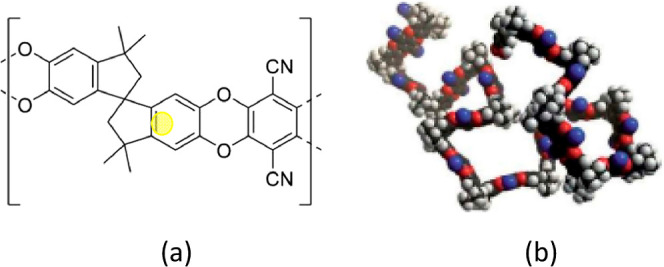 Figure 1
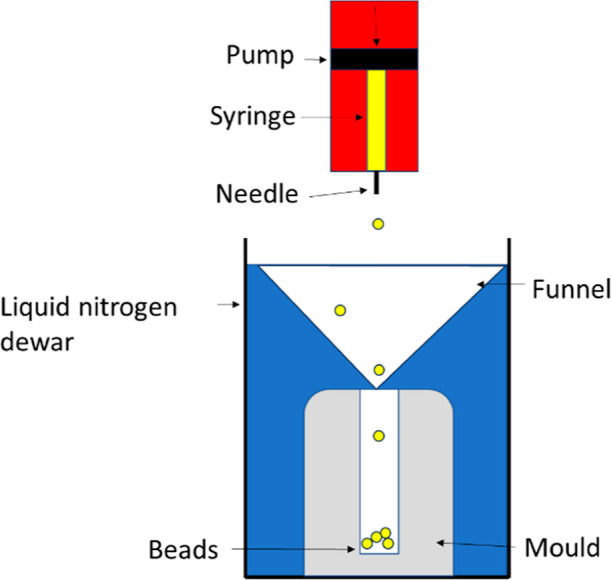 Figure 2
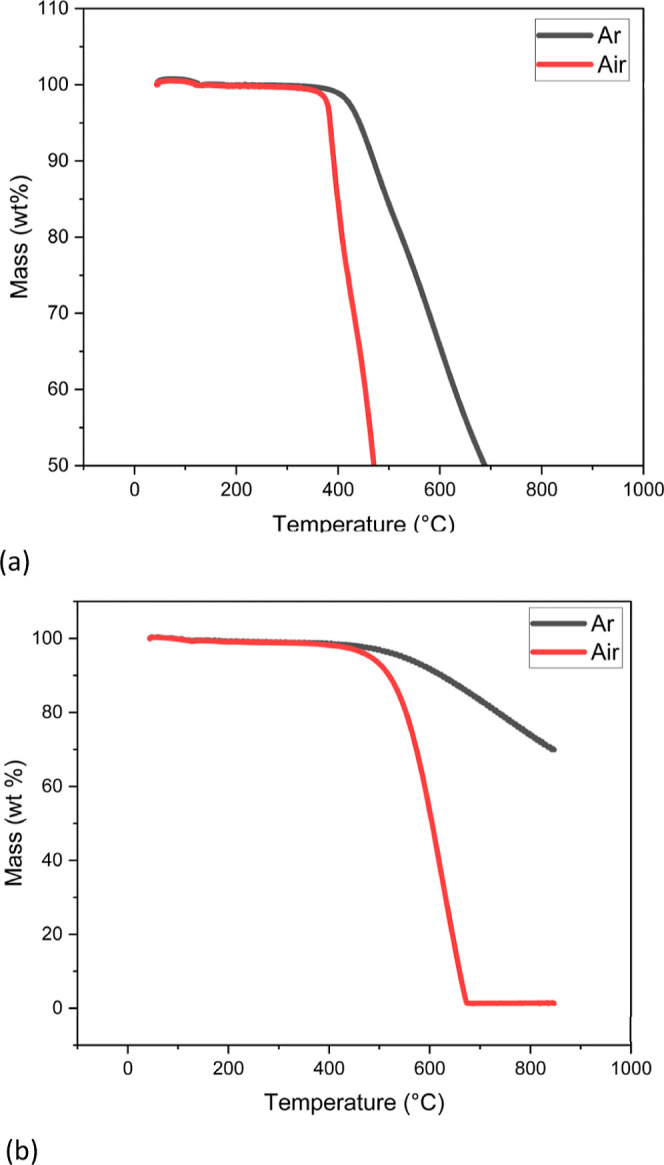 Figure 3
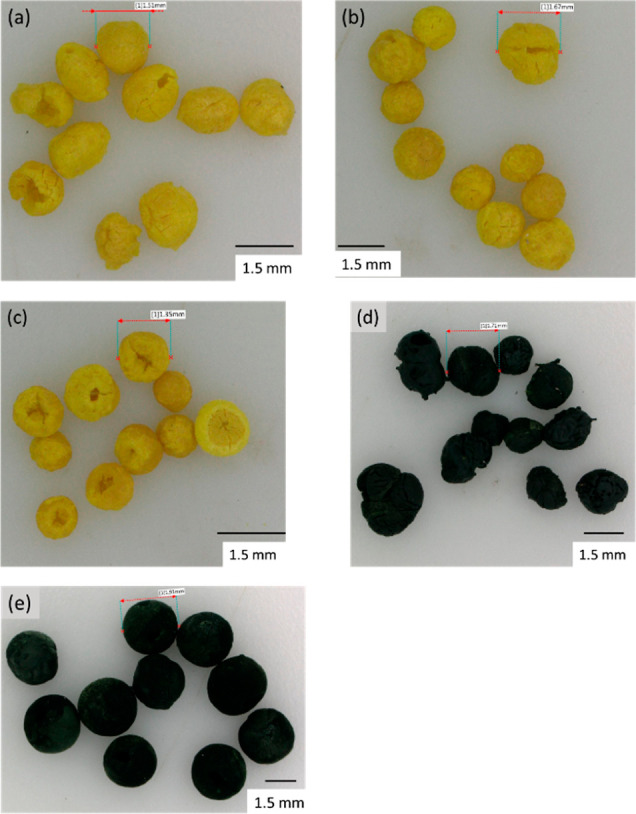 Figure 4
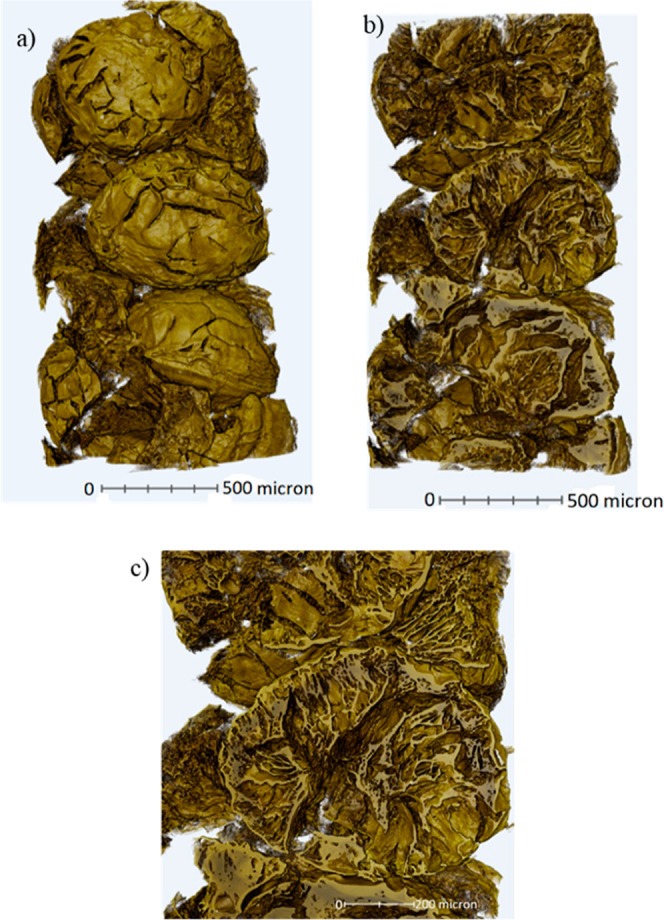 Figure 5
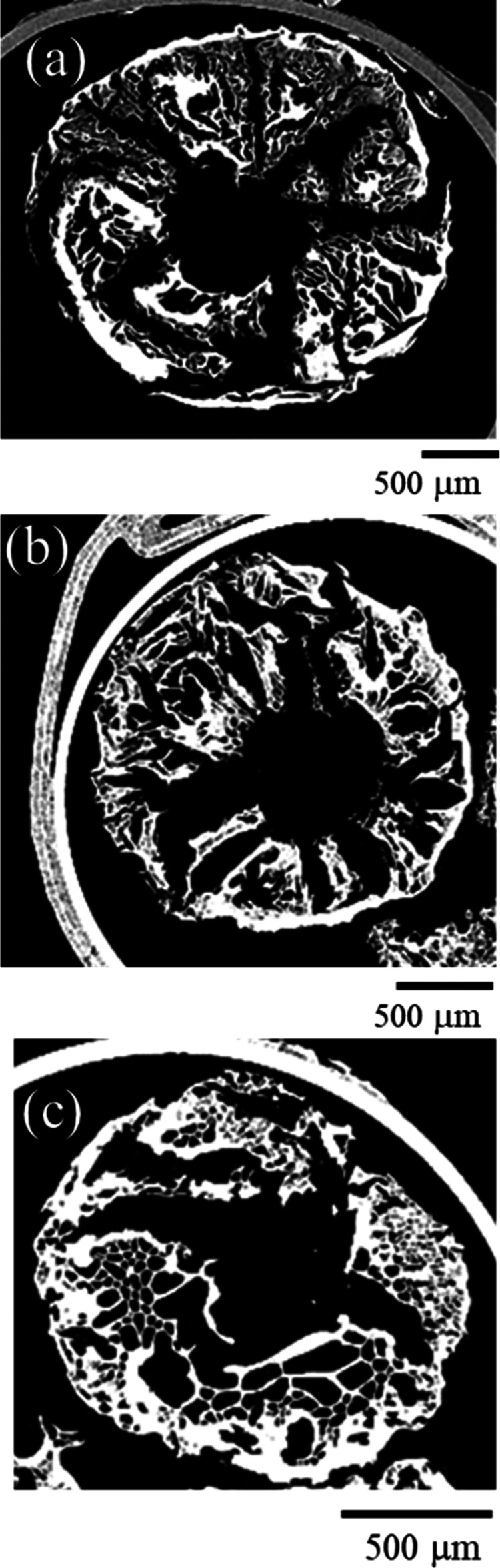 Figure 6
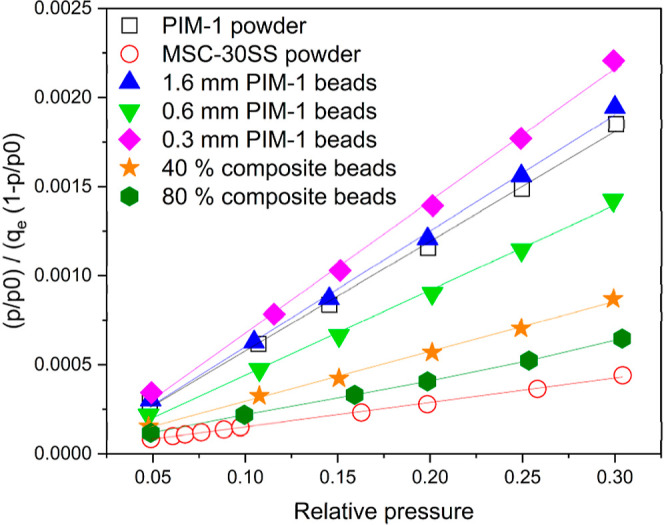 Figure 7
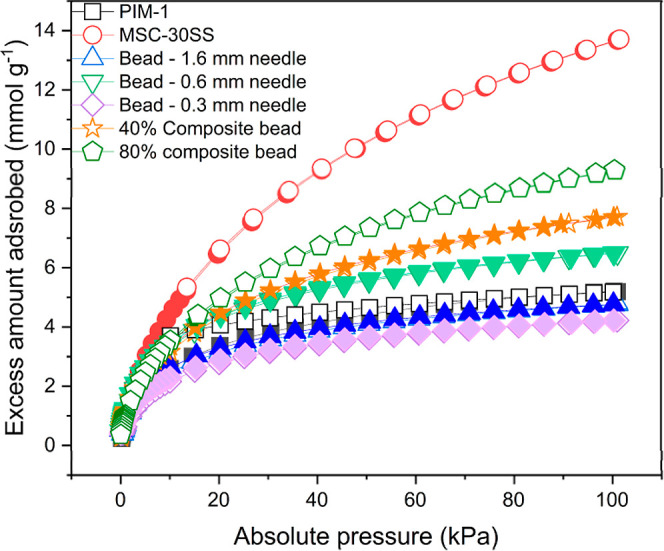 Figure 8
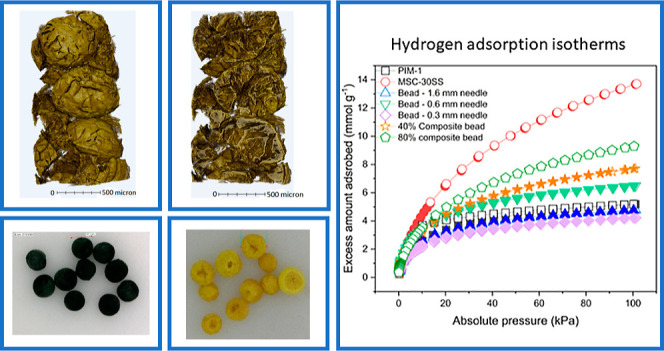 Figure 9
 Figure 10
 Figure 11
Peer Reviews
No public reviews on file for this paper yet. If you reviewed it on a platform where reviews are public (OpenReview, ICLR, NeurIPS, ICML), you can paste yours below so the community can read it here.
Videos
No videos yet. Explain this paper in a talk, walkthrough, or lecture? Add one.
Taxonomy
TopicsMembrane Separation and Gas Transport · Advanced Battery Technologies Research · Membrane Separation Technologies