Considering the Performance Study of ZnO Nanofluid at Different Concentrations for the Full-Spectrum Utilization System
Yangjie Zhuang, Yizhi Tian, Min Li

TL;DR
This study improves solar energy systems by using ZnO nanofluids with varying concentrations to better split and convert the full spectrum of sunlight into electricity and heat.
Contribution
The paper introduces a dynamic nanofluid concentration control mechanism for enhanced adaptability and full-spectrum utilization in solar systems.
Findings
Higher nanofluid concentrations improve thermal efficiency but reduce photovoltaic efficiency.
A peak comprehensive efficiency of 50.63% was achieved at 280 ppm ZnO concentration.
At 420 ppm, thermal efficiency peaks as visible light transmittance approaches zero.
Abstract
Single photovoltaic (PV) and photothermal (PT) technologies in solar energy applications are limited to the conversion of visible light and high-quality infrared spectra, respectively; this limitation results in relatively low energy utilization efficiency. In contrast, liquid spectrum-splitting technology enables the separation and conversion of various spectral bands, with the composition of the medium playing a pivotal role in the efficient utilization of the full spectrum. Compared to previous static spectral-splitting systems, this study introduces a dynamic nanofluid concentration control mechanism, which actively balances PV and PT contributions based on real-time solar conditions, achieving higher adaptability and efficiency. This study proposes a concentrated photovoltaic-thermal (CPVT) system based on the variable concentration of spectrum-splitting media, employing a…
Genes, proteins, chemicals, diseases, species, mutations and cell lines named across the full text — each resolved to its canonical identifier and authoritative record.
Click any figure to enlarge with its caption.
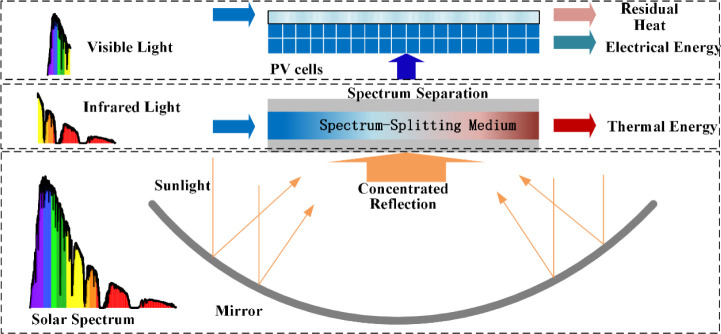 Figure 1
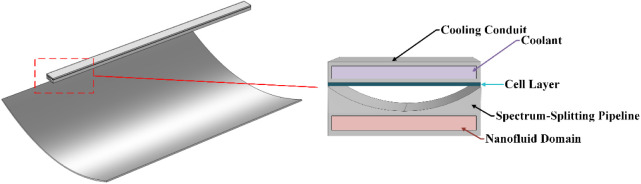 Figure 2
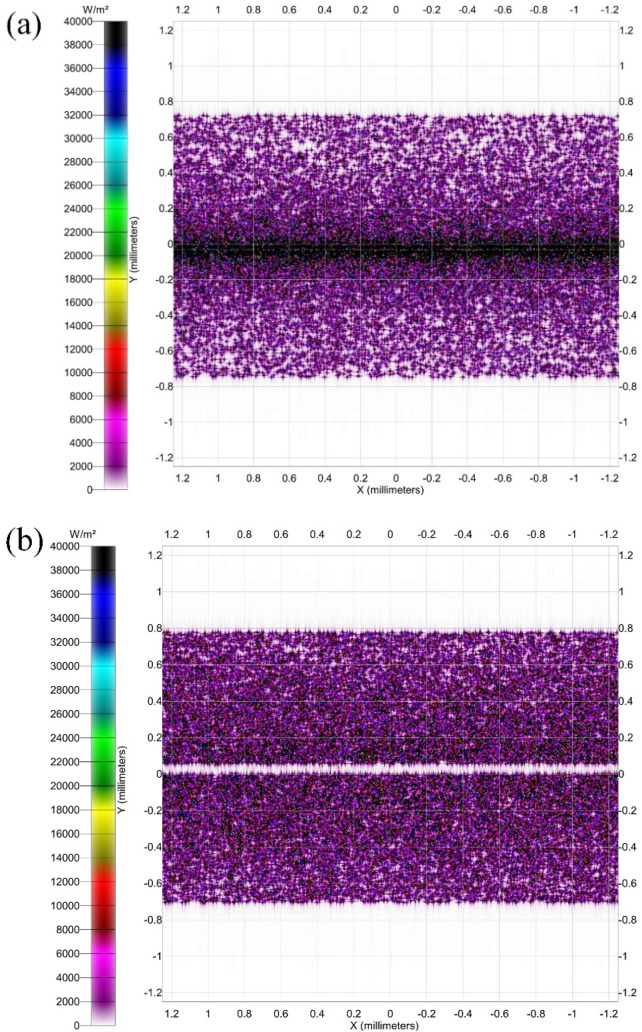 Figure 3
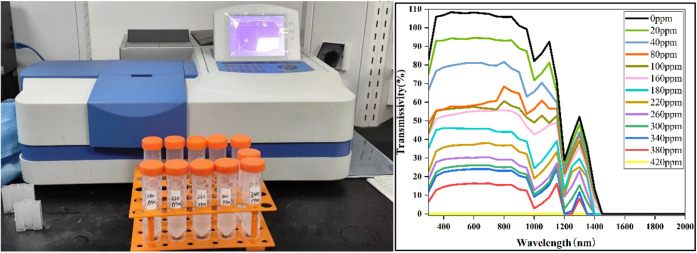 Figure 4
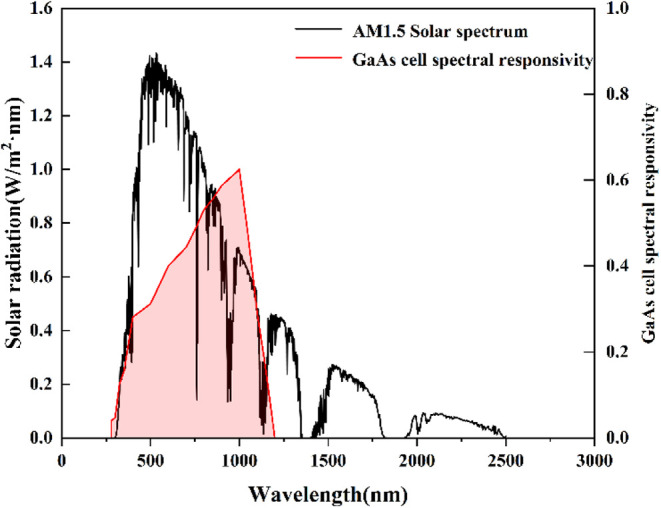 Figure 5
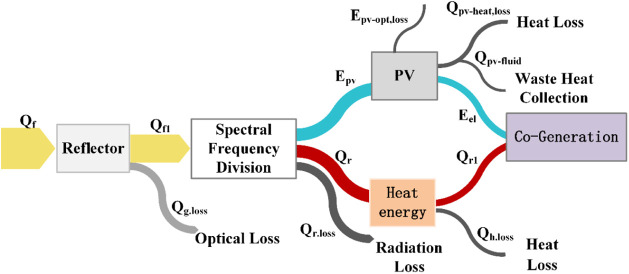 Figure 6
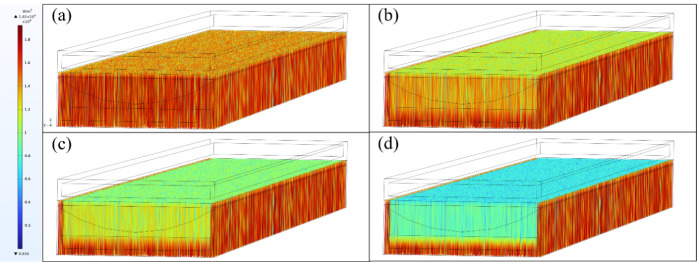 Figure 7
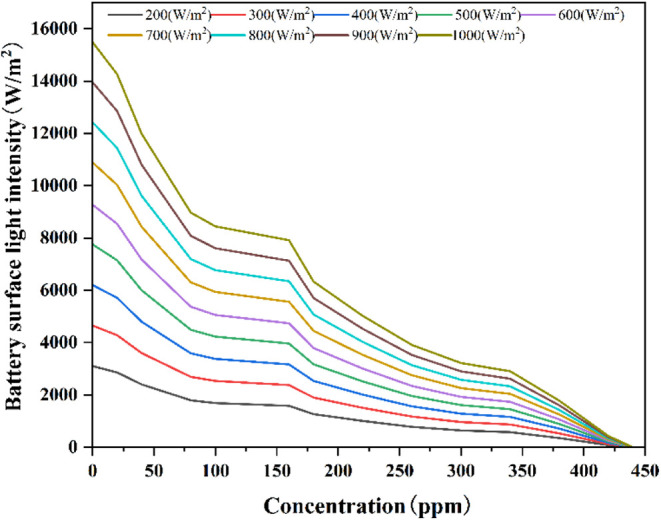 Figure 8
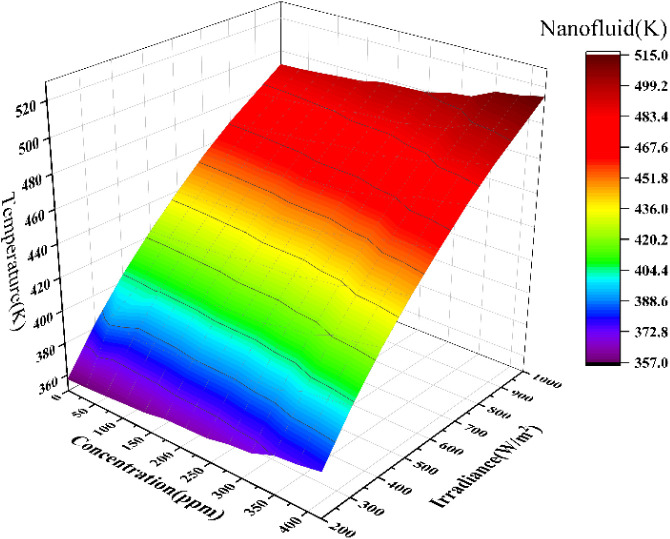 Figure 9
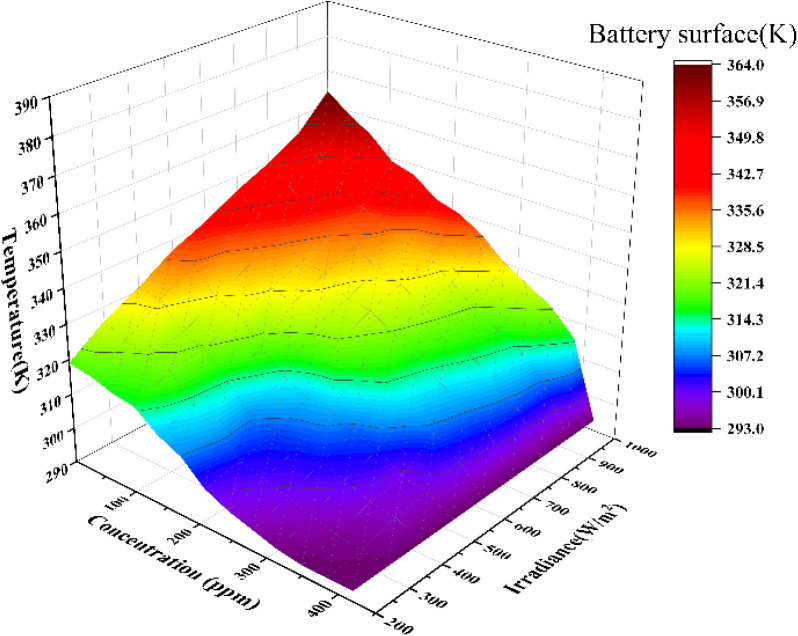 Figure 10
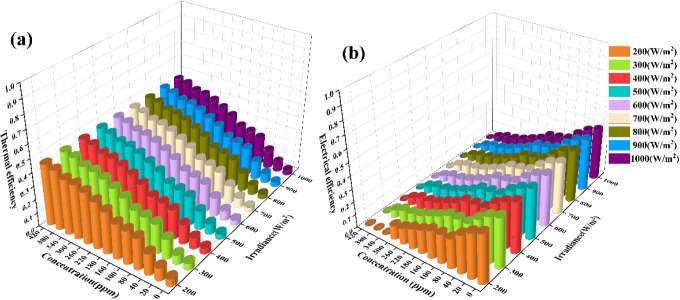 Figure 11
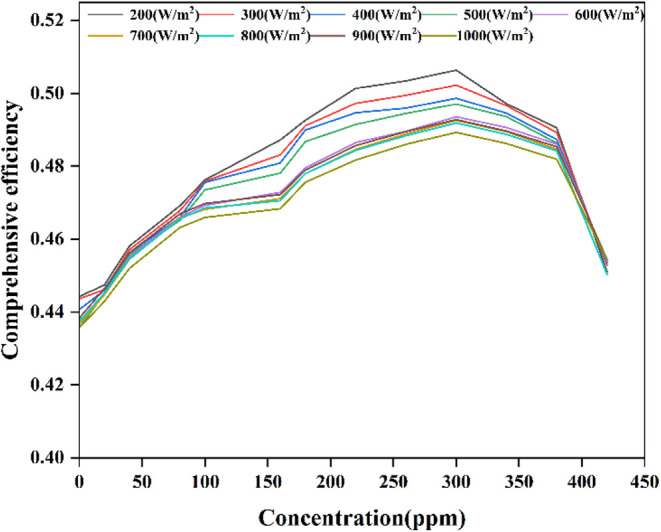 Figure 12
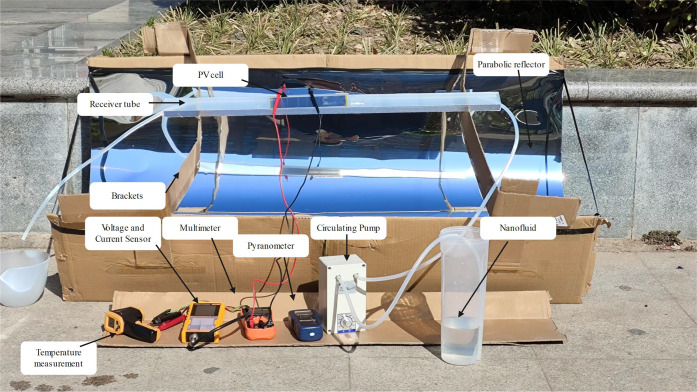 Figure 13
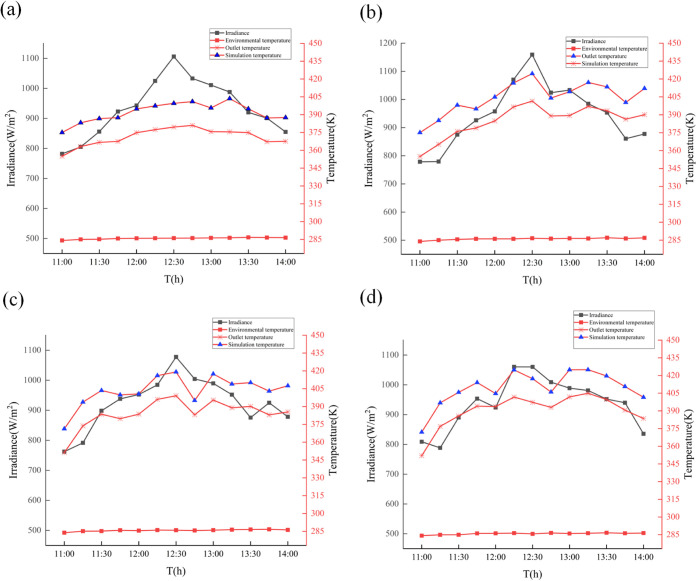 Figure 14
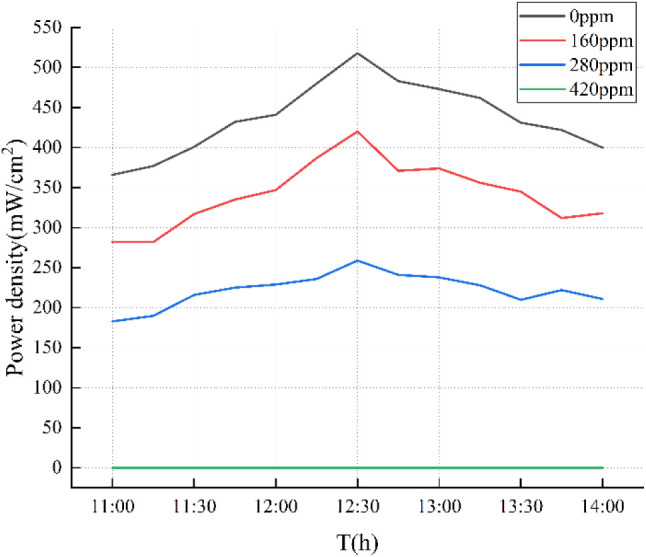 Figure 15
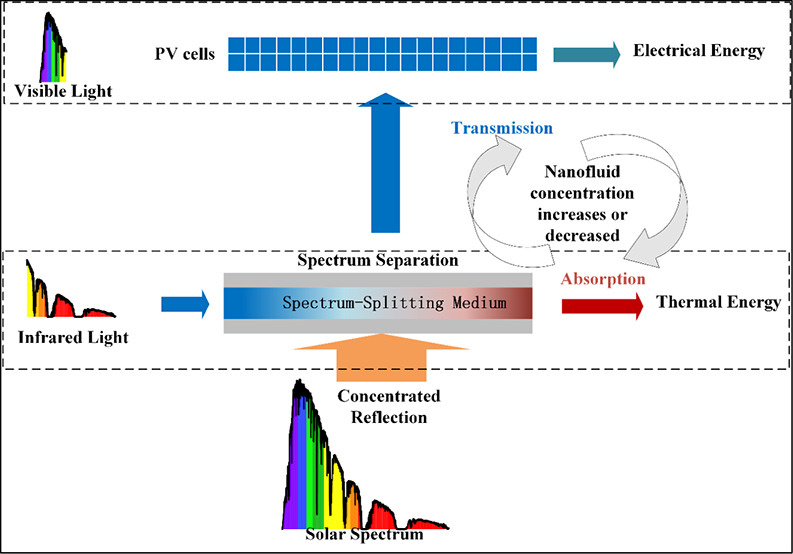 Figure 16
 Figure 17
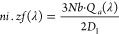 Figure 18
 Figure 19
 Figure 20
 Figure 21
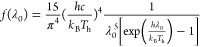 Figure 22
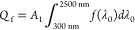 Figure 23
 Figure 24
 Figure 25
 Figure 26
 Figure 27
 Figure 28
 Figure 29
 Figure 30
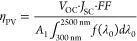 Figure 31
 Figure 32
 Figure 33
 Figure 34
 Figure 35
 Figure 36
 Figure 37
 Figure 38
 Figure 39
 Figure 40
 Figure 41
 Figure 42
Peer Reviews
No public reviews on file for this paper yet. If you reviewed it on a platform where reviews are public (OpenReview, ICLR, NeurIPS, ICML), you can paste yours below so the community can read it here.
Videos
No videos yet. Explain this paper in a talk, walkthrough, or lecture? Add one.
Taxonomy
TopicsSolar Thermal and Photovoltaic Systems · Photovoltaic System Optimization Techniques · Nanofluid Flow and Heat Transfer