Quantum Chemical Studies on the Structural, Electronic, and Vibrational Properties of Boron Carbonitride Nanotubes
Raúl Mendoza-Báez, Dolores Garcia-Toral, María Teresa Romero de la Cruz, Aracely del Carmen Martínez Olguín, Víctor M. Vázquez-Báez, Gregorio Hernández Cocoletzi, Juan Francisco Rivas-Silva

TL;DR
This paper studies the properties of boron carbonitride nanotubes using quantum chemistry to explore their structure, electronic behavior, and potential applications.
Contribution
The study reveals how nanotube length affects electronic and solubility properties, enabling fine-tuning for nanoscale applications.
Findings
Longer BC2N nanotubes exhibit increased electrophilic character and improved solubility in water.
Semiconductor-to-semimetallic transitions occur with increasing nanotube length, affecting conductivity.
Molecular electrostatic potential maps indicate regioselective reactivity potential for BC2N nanotubes.
Abstract
The structural, vibrational, and electronic properties of zigzag (n, 0) BC2N nanotubes are investigated in their most stable configuration, type IV. Studies are based on density functional theory (DFT) using the M06-2X/6-31G(d) level of theory. The property–structure relationship is investigated by focusing on the chirality index (n). Furthermore, to analyze the length dependence of the stability/reactivity of BC2N nanotubes, short (n = 5–14, s-BC2NNTs) and long (n = 5–13, l-BC2NNTs) nanotubes were proposed, with average lengths of 18.07 and 26.74 Å, respectively. Total energy minimization, assuming nonmagnetic nature and charge neutrality, yielded the ground state of all nanostructures. Results show that the electrophilicity and nucleophilicity indices exhibit that the BC2NNTs are electrophilic systems; however, an increase in the length of the nanotube triples its electrophilic…
Genes, proteins, chemicals, diseases, species, mutations and cell lines named across the full text — each resolved to its canonical identifier and authoritative record.
Click any figure to enlarge with its caption.
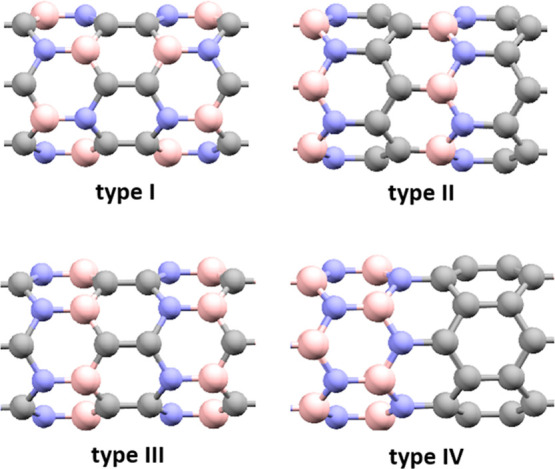 Figure 1
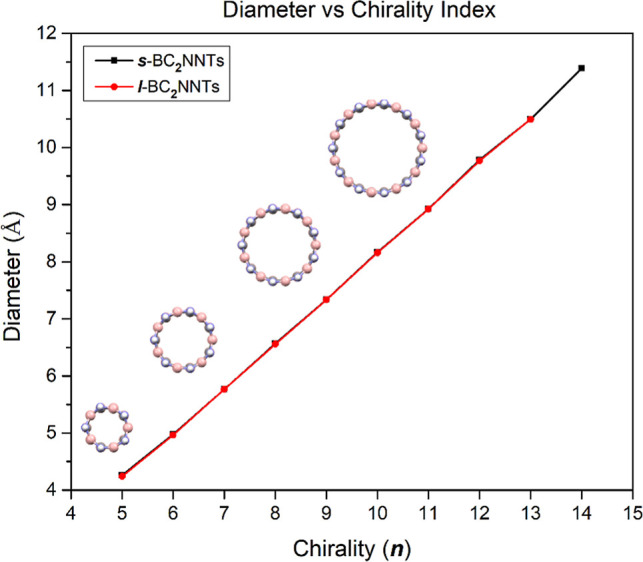 Figure 2
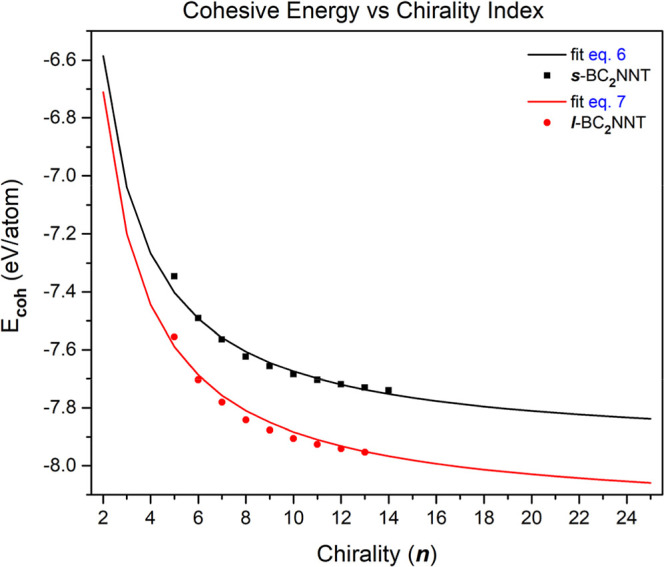 Figure 3
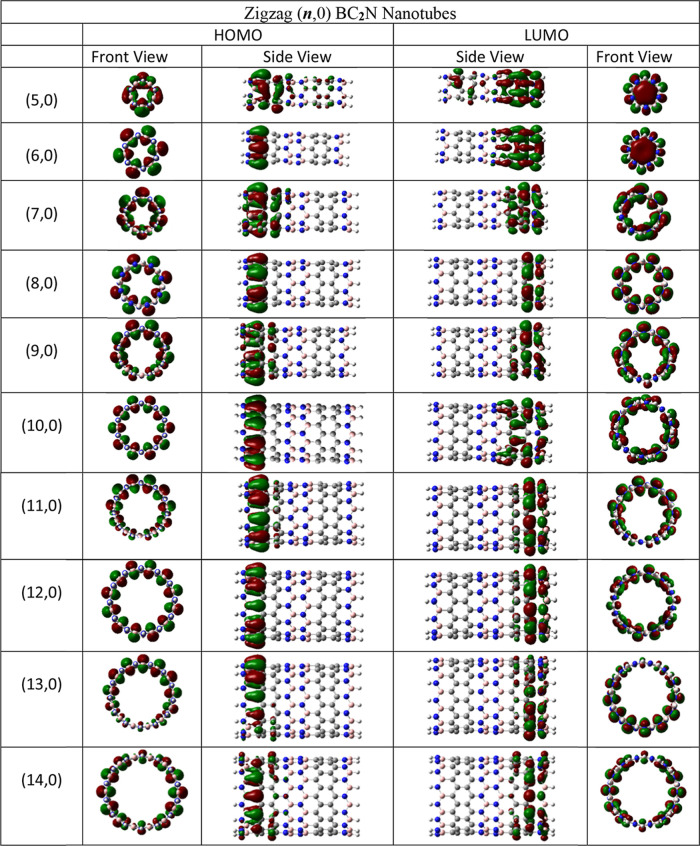 Figure 4
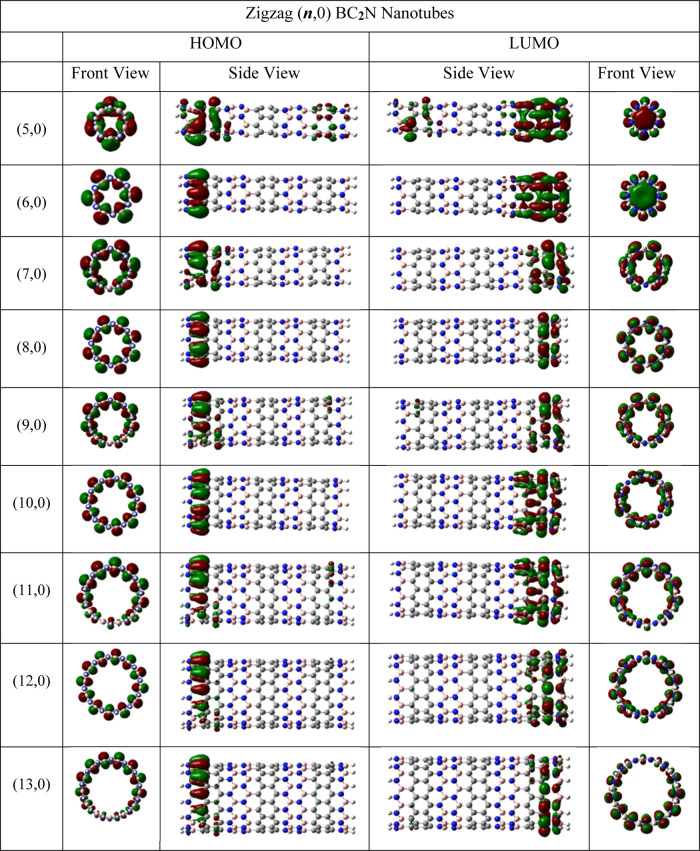 Figure 5
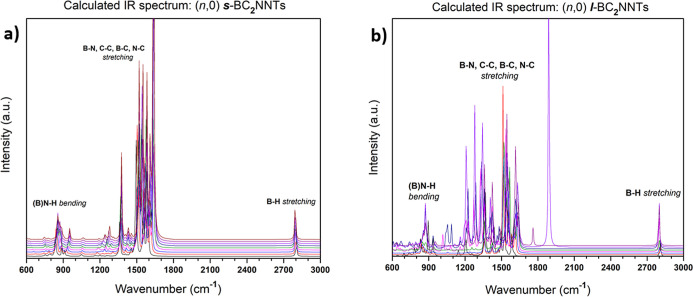 Figure 6
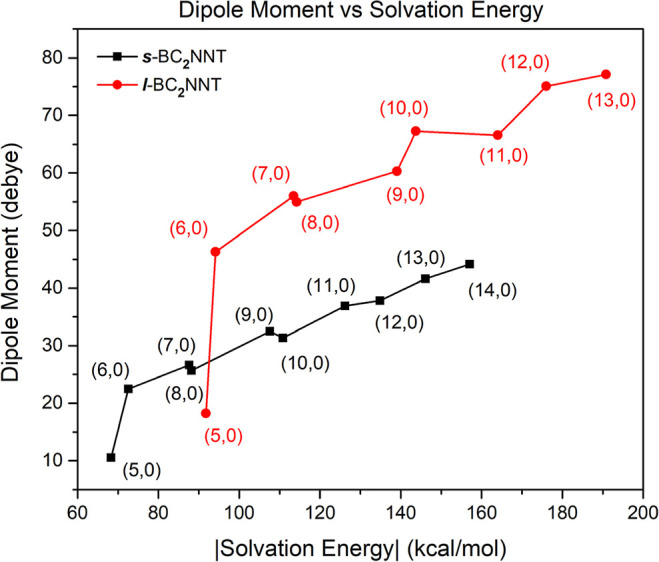 Figure 7
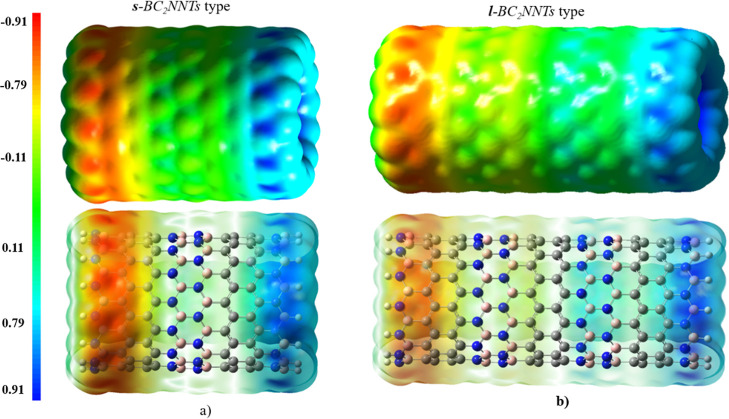 Figure 8
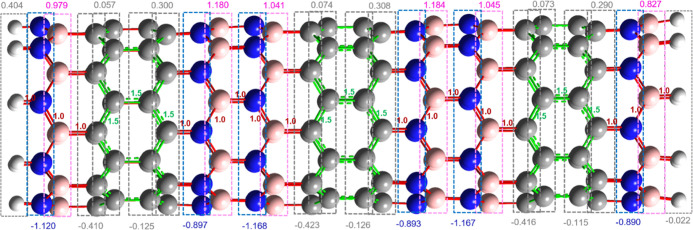 Figure 9
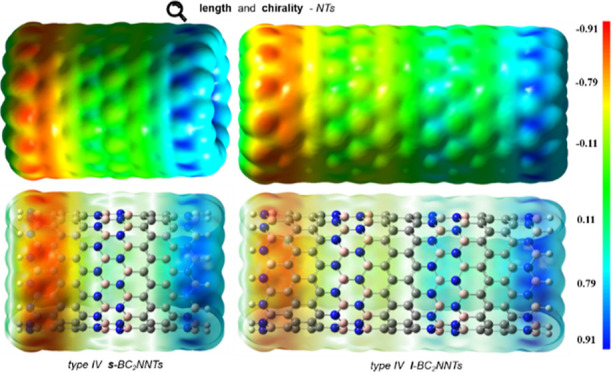 Figure 10
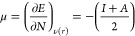 Figure 11
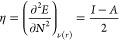 Figure 12
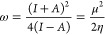 Figure 13
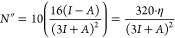 Figure 14
 Figure 15
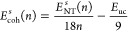 Figure 16
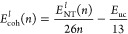 Figure 17
 Figure 18
Peer Reviews
No public reviews on file for this paper yet. If you reviewed it on a platform where reviews are public (OpenReview, ICLR, NeurIPS, ICML), you can paste yours below so the community can read it here.
Videos
No videos yet. Explain this paper in a talk, walkthrough, or lecture? Add one.
Taxonomy
TopicsBoron and Carbon Nanomaterials Research · MXene and MAX Phase Materials · Advancements in Battery Materials