Characterization of Red Dragon Fruit Wine Fermented with a Newly Identified Yeast Strain Saccharomyces cerevisiae M7
Tran Thanh Quynh Anh, Nguyen Tien An, Do Thi Bich Thuy

TL;DR
Researchers used a new yeast strain to make wine from red dragon fruit, which is rich in healthful compounds like antioxidants and anthocyanins.
Contribution
The study introduces a novel Saccharomyces cerevisiae M7 yeast strain for red dragon fruit wine fermentation and identifies optimal fermentation parameters.
Findings
Thermal pretreatment at 70°C for 10 minutes maximized phenolic and antioxidant content in red dragon fruit juice.
Saccharomyces cerevisiae M7 produced wine with 12.1% ethanol and high levels of bioactive compounds like anthocyanins and betacyanin.
Optimal fermentation conditions included 18% sucrose, pH 4.5, 30°C temperature, and 6 days of fermentation.
Abstract
Dragon fruit (Hylocereus spp.) has been known to be a rich source of bioactive compounds, such as anthocyanins, betacyanin, betaxanthin and other phenolic substances, and it has a nutritional profile suitable to produce wine with functional properties. The aim of this study is to characterize the wine fermentation from red dragon fruit juice by a newly identified yeast strain. Yeast strains from banh men, a Vietnamese traditional alcoholic fermentation starter, were screened for ethanol production using thermally pretreated red dragon fruit juice. The most potent candidate was identified by the DNA sequencing method and subjected to an optimization study using a one-factor-at-a-time approach to optimize the conditions for red dragon fruit wine fermentation. Results showed that thermal pretreatment of the red dragon fruit juice at 70 °C for 10 min resulted in a higher amount of phenols…
Genes, proteins, chemicals, diseases, species, mutations and cell lines named across the full text — each resolved to its canonical identifier and authoritative record.
Click any figure to enlarge with its caption.
 Figure 1
 Figure 2
 Figure 3
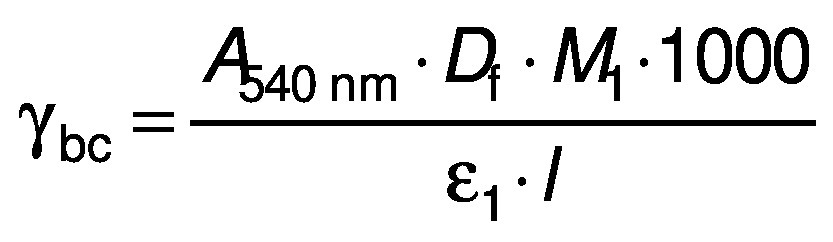 Figure 4
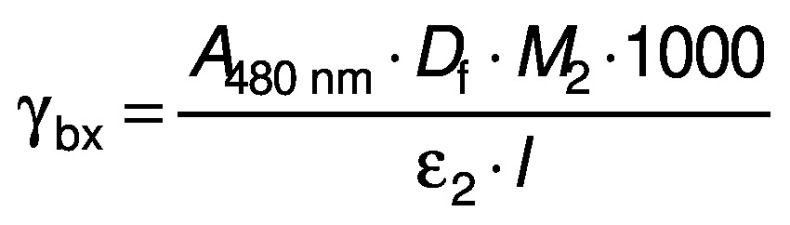 Figure 5
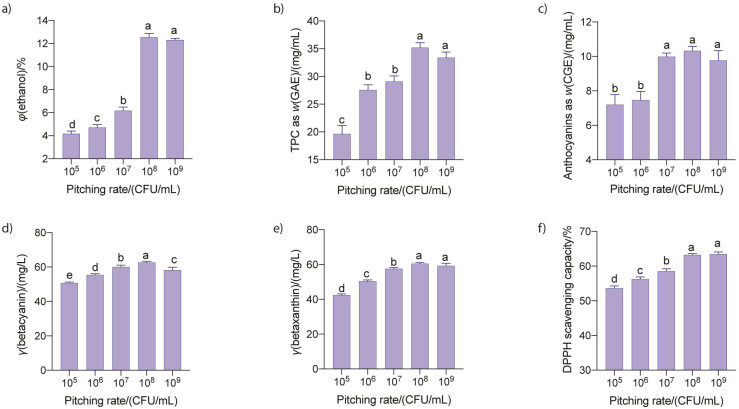 Figure 6
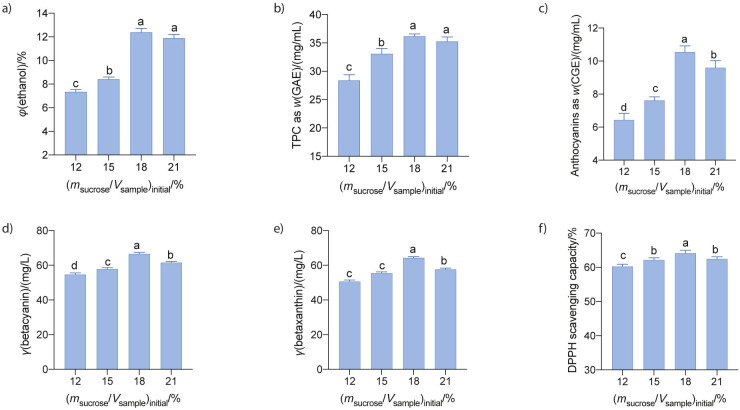 Figure 7
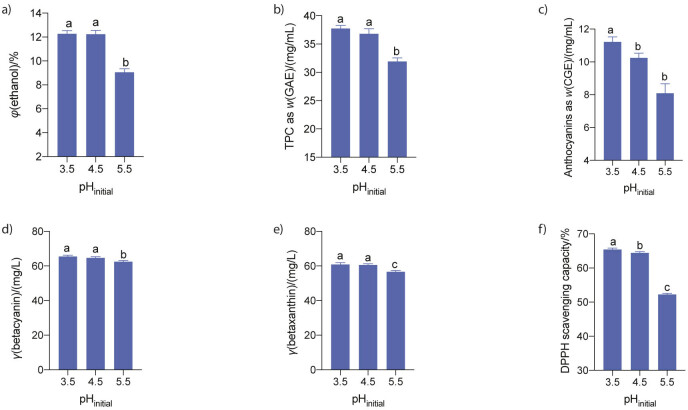 Figure 8
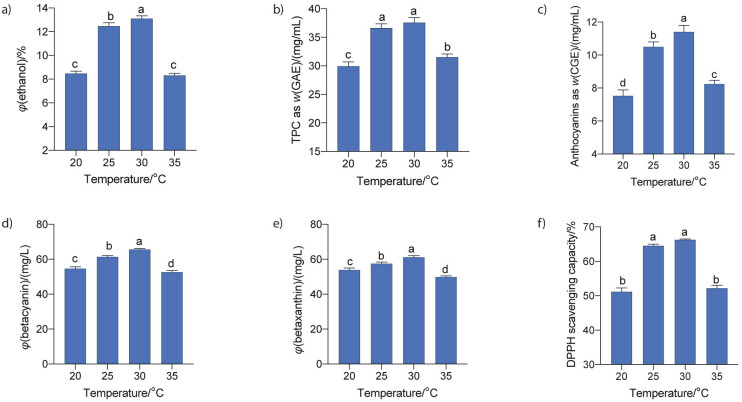 Figure 9
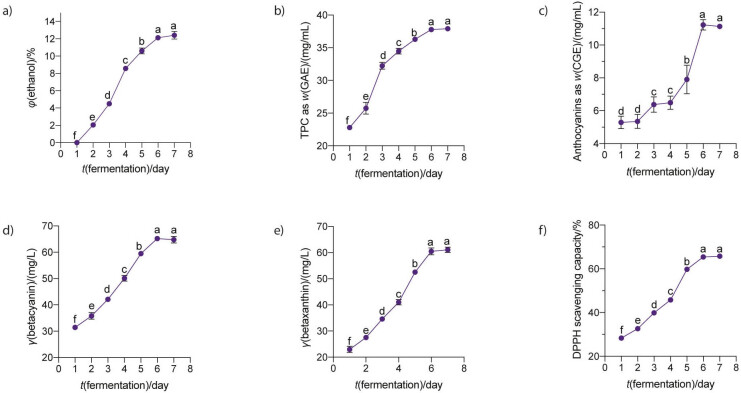 Figure 10
Peer Reviews
No public reviews on file for this paper yet. If you reviewed it on a platform where reviews are public (OpenReview, ICLR, NeurIPS, ICML), you can paste yours below so the community can read it here.
Videos
No videos yet. Explain this paper in a talk, walkthrough, or lecture? Add one.
Taxonomy
TopicsBotanical Research and Applications · Fermentation and Sensory Analysis · Food Quality and Safety Studies