Antibacterial Effect of Phenylboronic Acid on Escherichia coli and Its Potential Role as a Decontaminant of Fresh Tomato Fruits
Branka Bedenić, Katarina Martinko, Edyta Đermić, Lovorka Vujić, Siniša Ivanković, Mladen Miloš, Isidoro Feliciello, Damir Đermić

TL;DR
Phenylboronic acid effectively kills harmful bacteria like E. coli on fresh tomatoes and works even against antibiotic-resistant strains.
Contribution
This is the first study showing PBA's antibacterial effect on E. coli and other pathogens, including multidrug-resistant strains, and its decontamination potential on tomatoes.
Findings
PBA has bacteriostatic and bactericidal effects on E. coli and other pathogens at varying concentrations.
PBA is effective against multidrug-resistant E. coli, including those producing ESBL enzymes.
PBA decontaminates fresh tomatoes by reducing E. coli growth without harming the fruit.
Abstract
Food safety is threatened by the contamination of fresh fruits and vegetables by pathogenic bacteria, among which the particularly widespread ones are coliform bacteria. Due to the continuous increase in the incidence of severe diseases caused by the consumption of fresh (tomato) fruits contaminated with Escherichia coli, antimicrobial postharvest measures are needed. The problem is that many active antimicrobial compounds have a weak and short-lasting effect and/or are not environmentally friendly. Recently, the antibacterial and antifungal activity of environmentally friendly agent phenylboronic acid (PBA), including on two tomato pathogens, has been reported. The aim of this study is to determine the antibacterial effect of PBA on E. coli and three enteropathogenic Enterobacterales, and to check its ability to serve as a bacterial decontaminant of fresh tomato fruits. The minimum…
Genes, proteins, chemicals, diseases, species, mutations and cell lines named across the full text — each resolved to its canonical identifier and authoritative record.
Click any figure to enlarge with its caption.
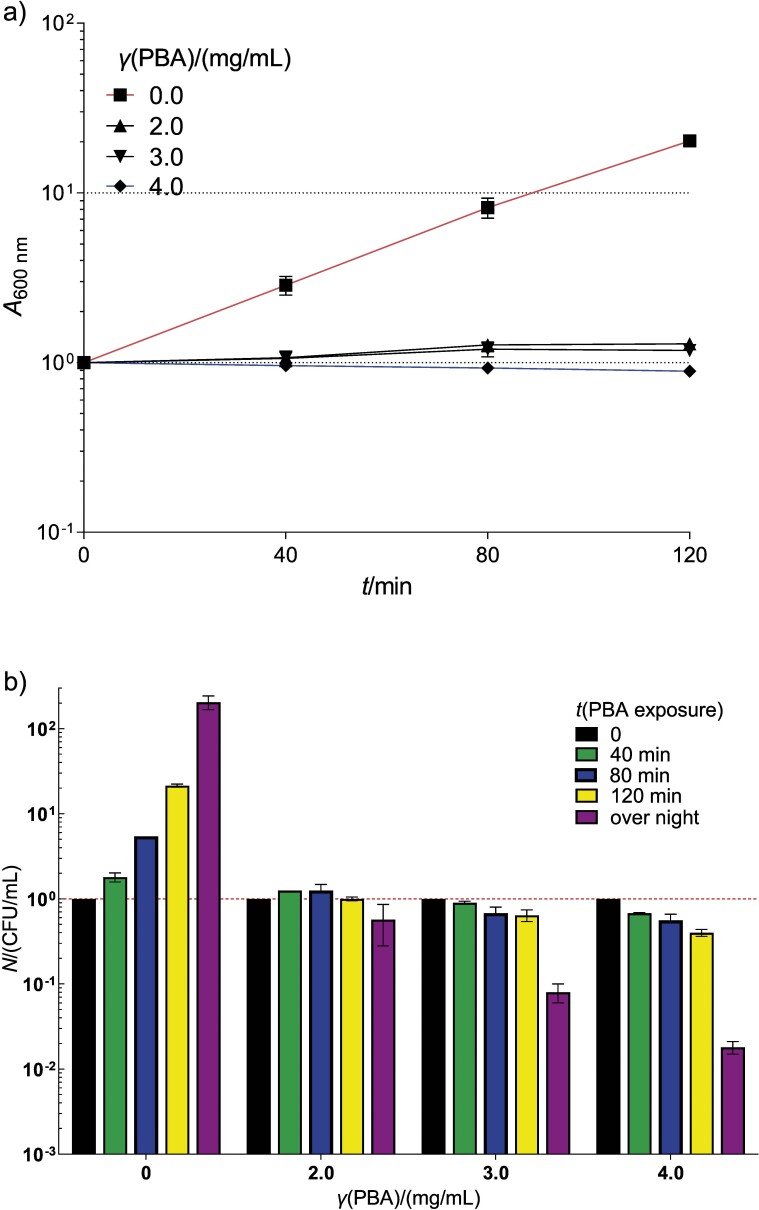 Figure 1
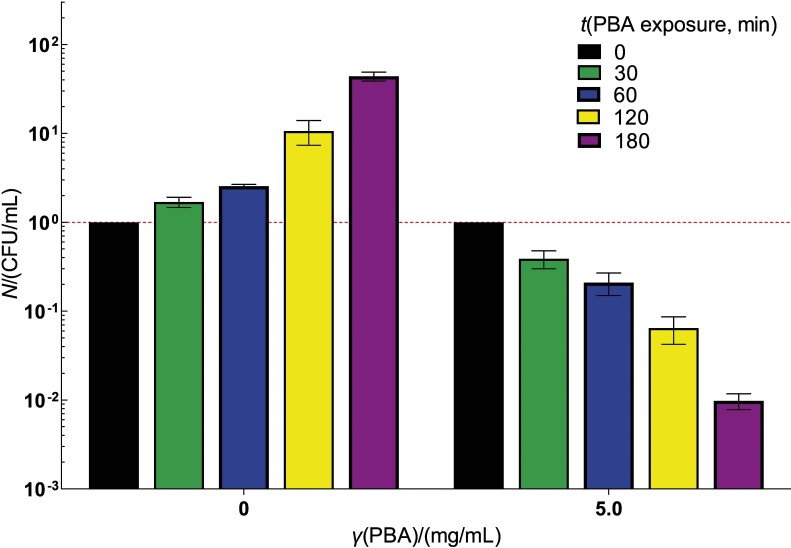 Figure 2
Peer Reviews
No public reviews on file for this paper yet. If you reviewed it on a platform where reviews are public (OpenReview, ICLR, NeurIPS, ICML), you can paste yours below so the community can read it here.
Videos
No videos yet. Explain this paper in a talk, walkthrough, or lecture? Add one.
Taxonomy
TopicsListeria monocytogenes in Food Safety · Essential Oils and Antimicrobial Activity · Microbial Inactivation Methods