Effect of needle priming on blood collection time in whole blood donation
Aaditya Shivhare, Arvind Kumar Singh, Yatendra Mohan, Jyoti Kala Bharati, Nouratan Singh

TL;DR
Needle priming before blood donation reduces collection time and improves efficiency and donor satisfaction.
Contribution
This study demonstrates that needle priming significantly reduces blood collection time in whole blood donation.
Findings
Needle priming significantly reduced blood collection time compared to standard procedures.
Needle priming lowers clotting risks and improves donor satisfaction.
The study involved 340 participants and found statistically significant results (p < 0.05).
Abstract
Efficient and safe blood donation procedures are critical for maintaining an adequate and reliable blood supply. Needle priming, a pre-donation procedure aimed at preventing clot formation, is hypothesized to improve blood flow and reduce donation time. A case-control study was conducted with 340 participants to evaluate the impact of needle priming on whole blood donation. The case group underwent needle priming before donation, while the control group followed standard procedures without priming. The study found a statistically significant reduction in blood collection time in the needle priming group compared to the control group (p < 0.05). Needle priming prior to blood donation significantly enhances procedural efficiency, reduces clotting risks and improves donor satisfaction.
Genes, proteins, chemicals, diseases, species, mutations and cell lines named across the full text — each resolved to its canonical identifier and authoritative record.
Click any figure to enlarge with its caption.
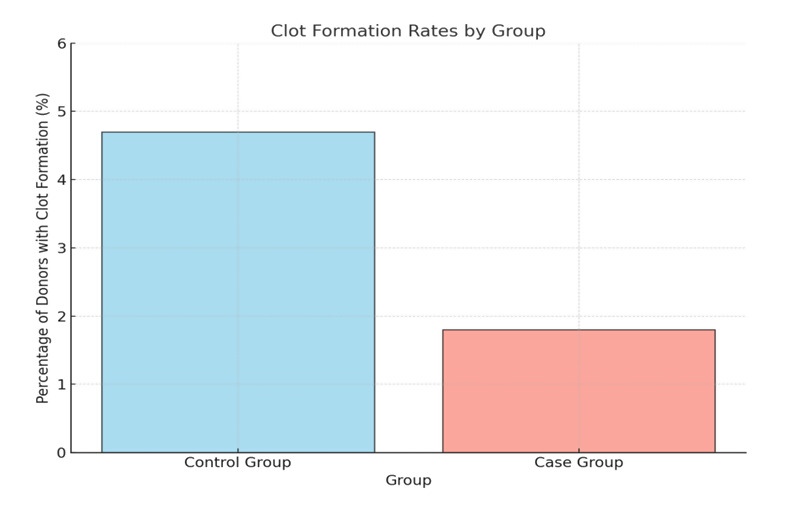 Figure 1
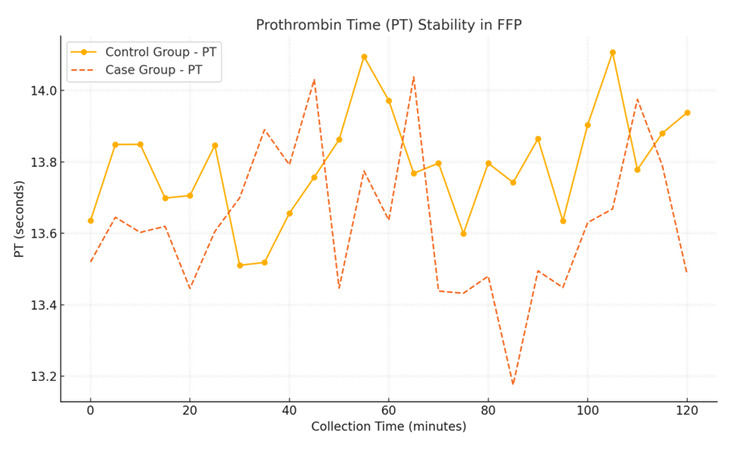 Figure 2
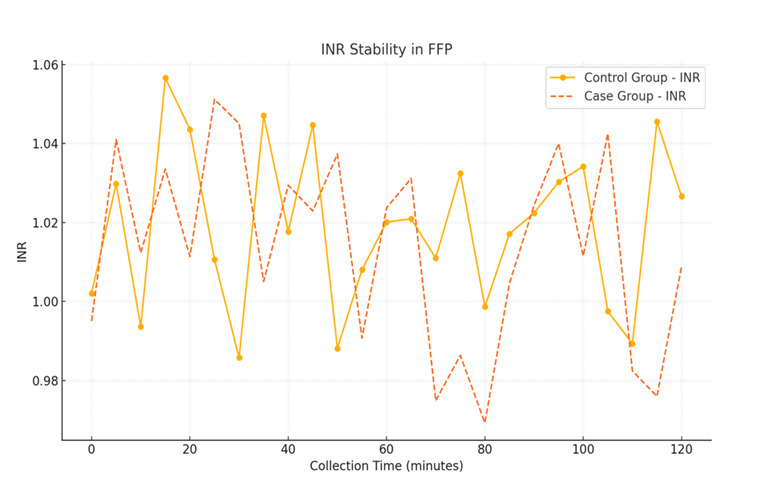 Figure 3
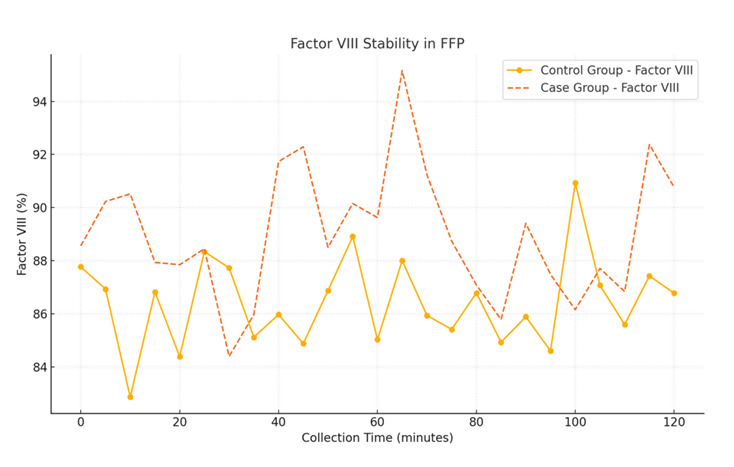 Figure 4
Peer Reviews
No public reviews on file for this paper yet. If you reviewed it on a platform where reviews are public (OpenReview, ICLR, NeurIPS, ICML), you can paste yours below so the community can read it here.
Videos
No videos yet. Explain this paper in a talk, walkthrough, or lecture? Add one.
Taxonomy
TopicsBlood donation and transfusion practices