Mitochondrial stress disassembles nuclear architecture through proteolytic activation of PKCδ and Lamin B1 phosphorylation in neuronal cells: implications for pathogenesis of age-related neurodegenerative diseases
Adhithiya Charli, Yuan-Teng Chang, Jie Luo, Bharathi Palanisamy, Emir Malovic, Zainab Riaz, Cameron Miller, Manikandan Samidurai, Gary Zenitsky, Huajun Jin, Vellareddy Anantharam, Arthi Kanthasamy, Anumantha G. Kanthasamy

TL;DR
Mitochondrial stress causes nuclear damage in neurons by activating PKCδ, which phosphorylates Lamin B1, offering new insights into age-related neurodegenerative diseases.
Contribution
The study identifies a novel mechanism where PKCδ mediates nuclear membrane disassembly through Lamin B1 phosphorylation during mitochondrial stress in neurons.
Findings
PKCδ proteolytic activation and nuclear translocation lead to Lamin B1 phosphorylation and nuclear damage in DAergic neurons.
CRISPR/Cas9 knockdown of PKCδ and expression of a cleavage-resistant mutant prevent nuclear damage and Lamin B1 phosphorylation.
Postmortem PD brains show elevated PKCδ activation and Lamin B1 phosphorylation, supporting the translational relevance of the findings.
Abstract
Mitochondrial dysfunction and oxidative stress are central to the pathogenesis of neurodegenerative diseases, including Parkinson’s, Alzheimer’s and Huntington’s diseases. Neurons, particularly dopaminergic (DAergic) ones, are highly vulnerable to mitochondrial stress; however, the cellular and molecular mechanisms underlying this vulnerability remain poorly understood. Previously, we demonstrated that protein kinase C delta (PKCδ) is highly expressed in DAergic neurons and mediates apoptotic cell death during neurotoxic stress via caspase-3-mediated proteolytic activation. Herein, we further uncovered a key downstream molecular event of PKCδ signaling following mitochondrial dysfunction that governs neuronal cell death by dissembling nuclear architecture. Exposing N27 DAergic cells to the mitochondrial complex-1 inhibitor tebufenpyrad (Tebu) induced PKCδ phosphorylation at the T505…
Genes, proteins, chemicals, diseases, species, mutations and cell lines named across the full text — each resolved to its canonical identifier and authoritative record.
Click any figure to enlarge with its caption.
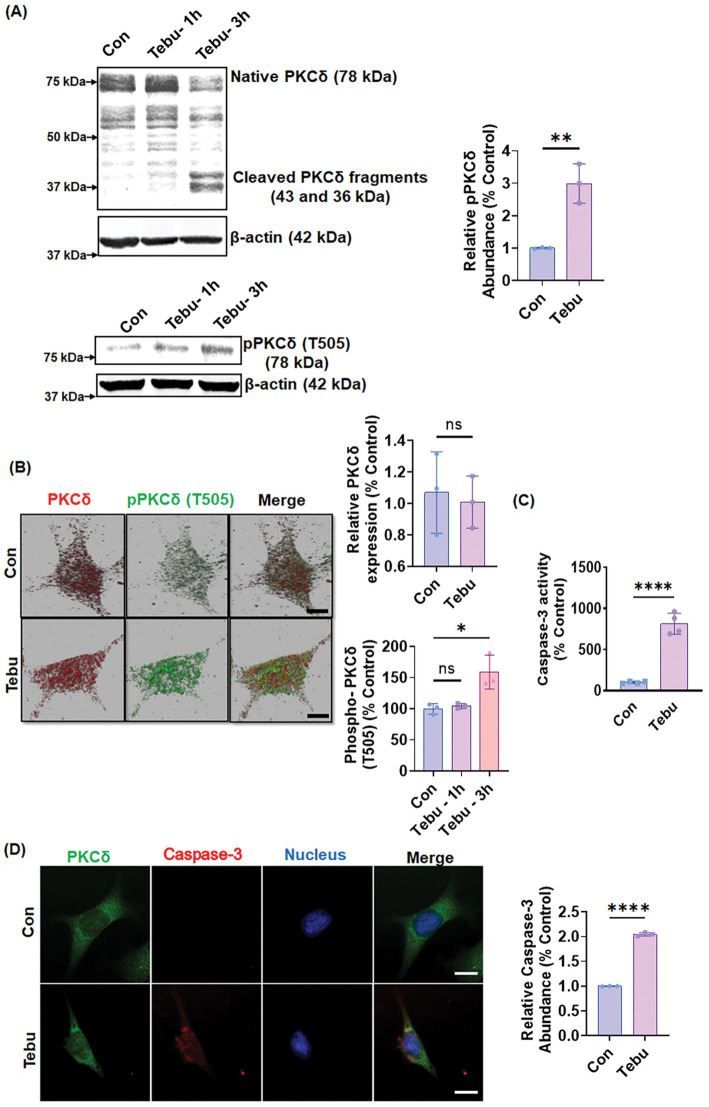 Figure 1
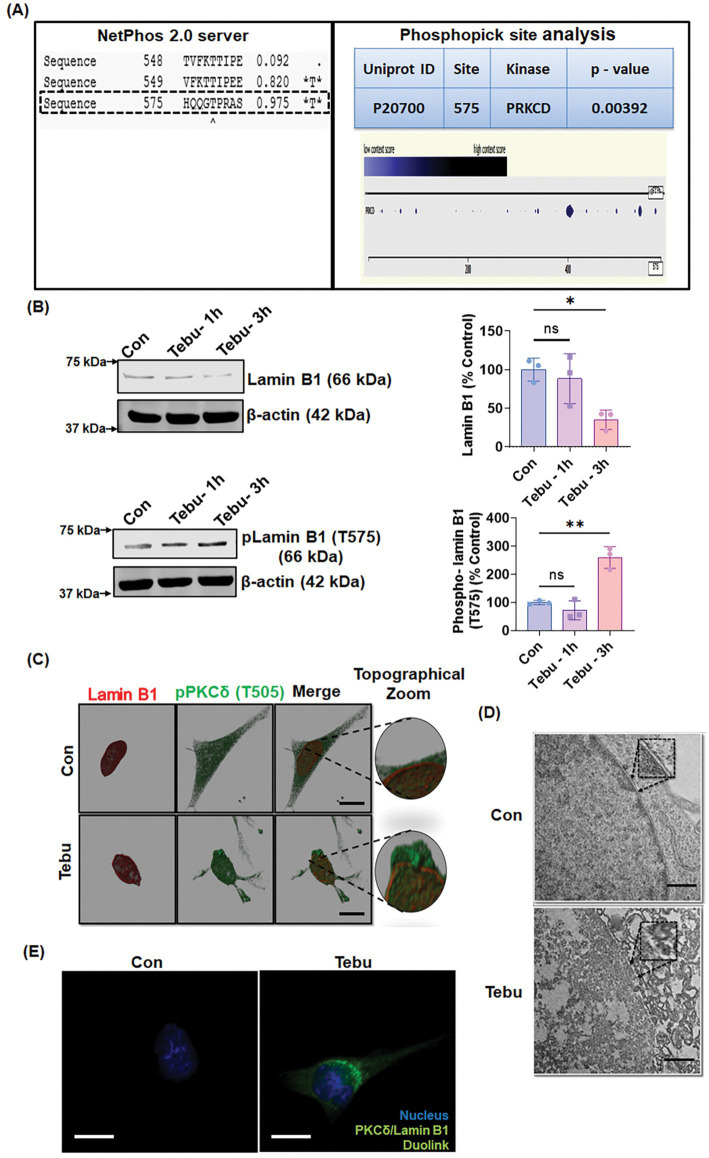 Figure 2
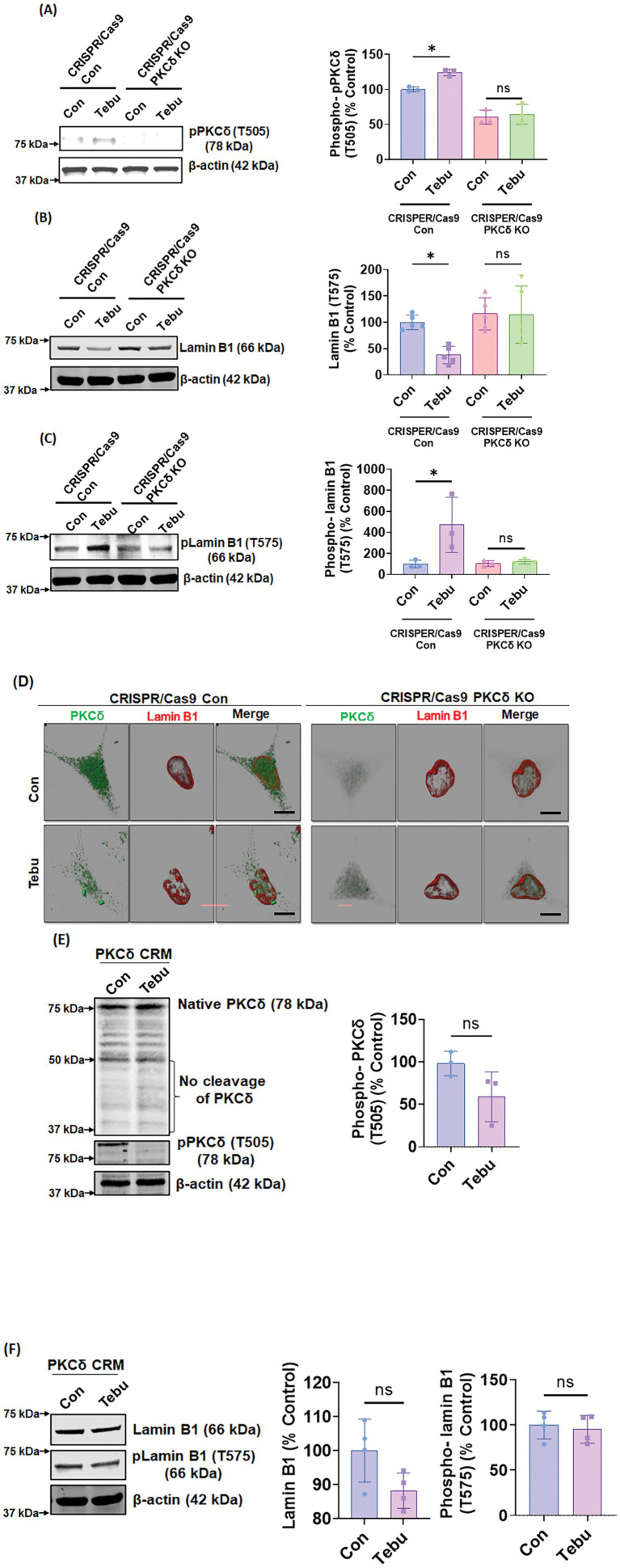 Figure 3
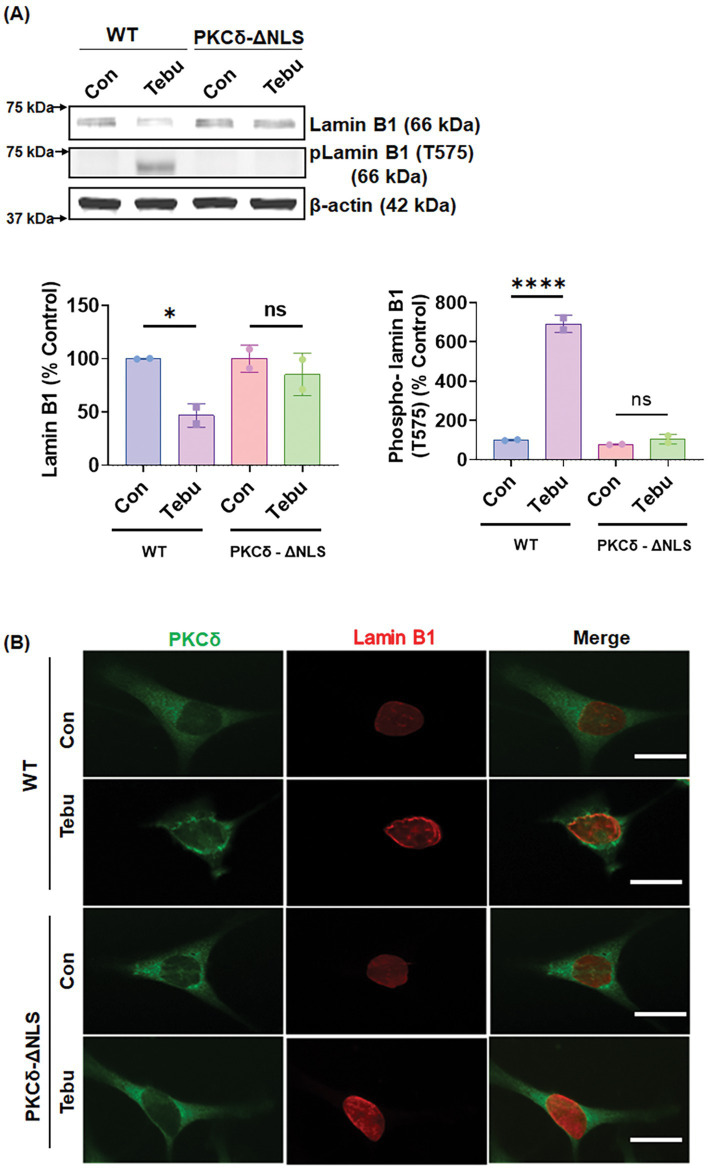 Figure 4
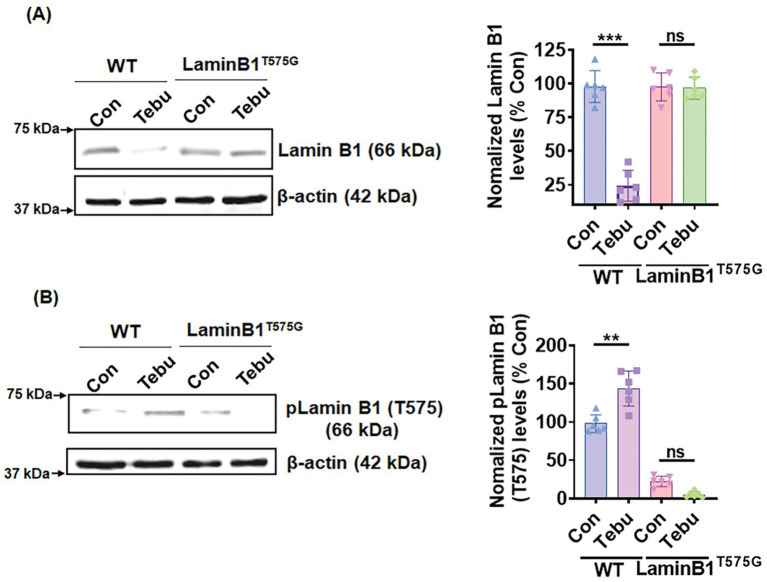 Figure 5
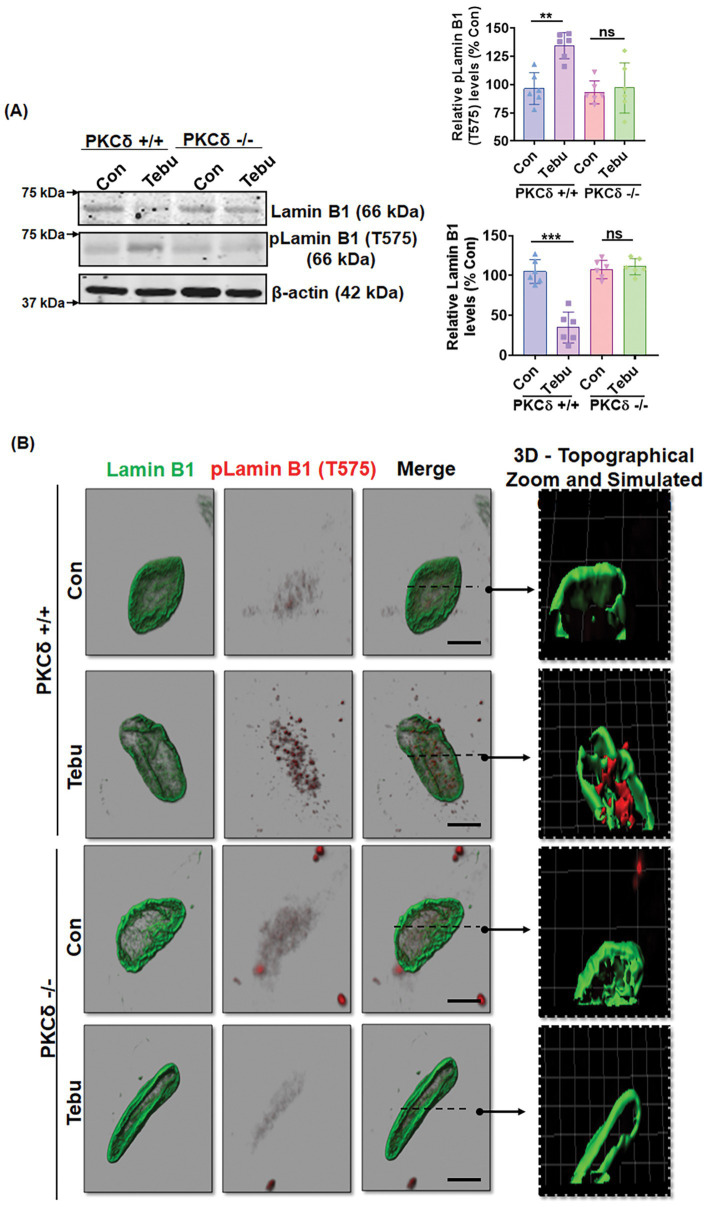 Figure 6
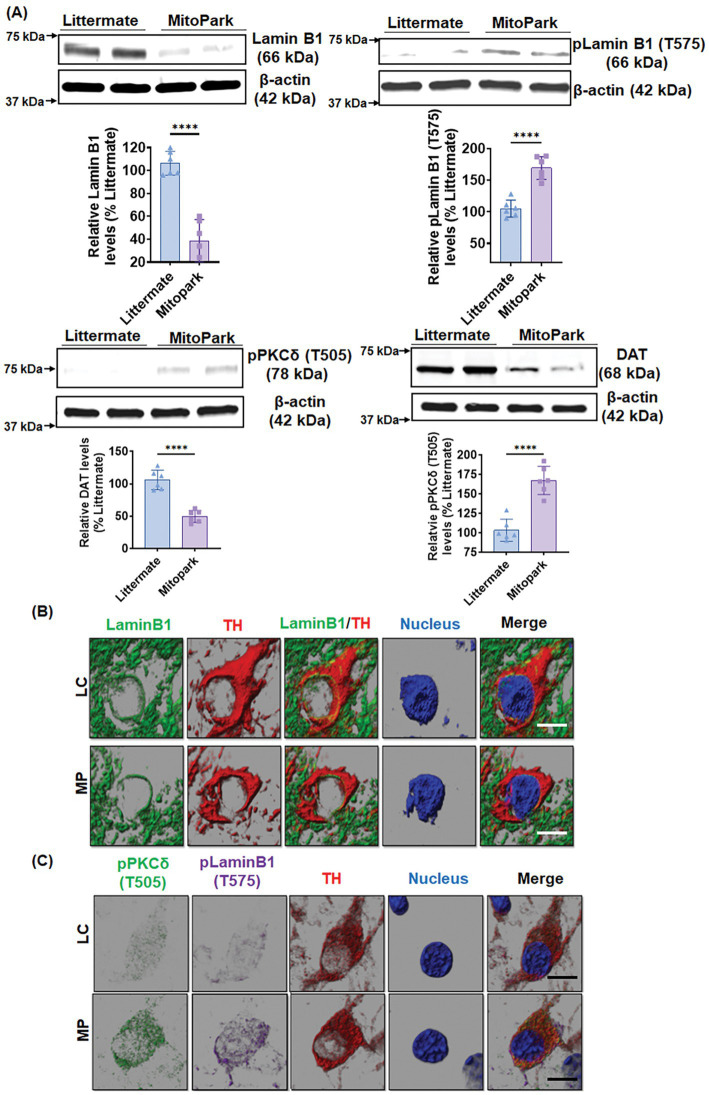 Figure 7
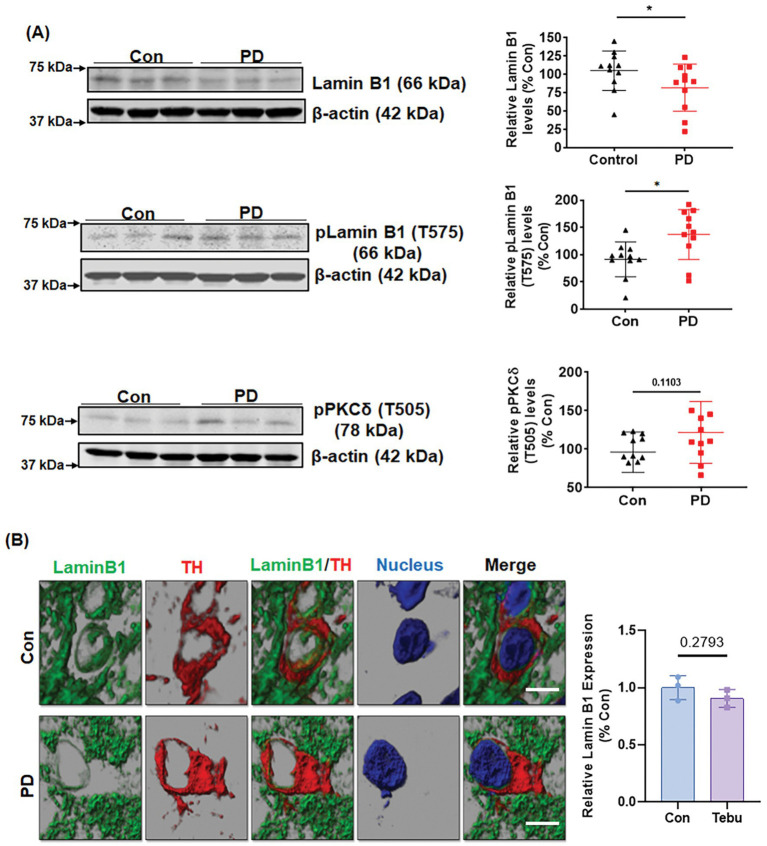 Figure 8
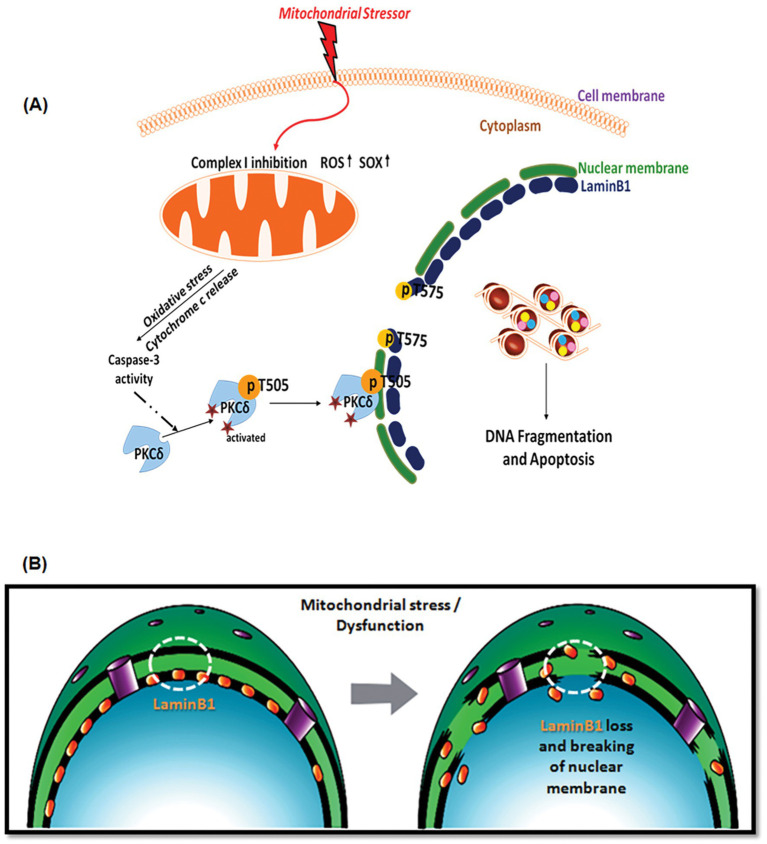 Figure 9
Peer Reviews
No public reviews on file for this paper yet. If you reviewed it on a platform where reviews are public (OpenReview, ICLR, NeurIPS, ICML), you can paste yours below so the community can read it here.
Videos
No videos yet. Explain this paper in a talk, walkthrough, or lecture? Add one.
Taxonomy
TopicsNuclear Structure and Function · Genetic Neurodegenerative Diseases · Mitochondrial Function and Pathology