Clinical characteristics and gene analysis of long QT syndrome in 15 children
Li Yiwei, Gong Peiwen, Lv Tiewei, Sun Huichao

TL;DR
The study examines the clinical and genetic features of long QT syndrome in 15 children, finding gender differences and common gene mutations.
Contribution
The paper provides insights into gender-specific clinical features and genetic inheritance patterns in pediatric LQTS cases.
Findings
Female patients had a later age of onset and higher QTc values compared to males.
Most LQTS cases had gene mutations inherited from parents, with KCNQ1 being the most common pathogenic gene.
Syncope was the primary symptom, and most mutations were missense mutations.
Abstract
To elucidate the genetic and clinical characteristics of children diagnosed with long QT syndrome (LQTS) at our institution. This was a retrospective study. Clinical data and gene detection results of 15 cases diagnosed with congenital LQTS at our center from January 1, 2018 to December 30, 2023 were collected and analyzed using independent sample t-test and Levene's test for equality of variances. The 15 LQTS cases included 7 females and 8 males. The mean age of onset for females (11.83 ± 3.48 years) was later than that for males (8.06 ± 2.50 years), and the mean QTc value for females (564.57 ± 20.72 ms) was higher than that for males (502. 25 ± 48.62 ms), both differences were statistically significant (P < 0.05). Intense exercise and psychological stress are the most common predisposing factors in these cases. Gene mutations were found in 14 of the 15 cases and most mutations…
Genes, proteins, chemicals, diseases, species, mutations and cell lines named across the full text — each resolved to its canonical identifier and authoritative record.
Click any figure to enlarge with its caption.
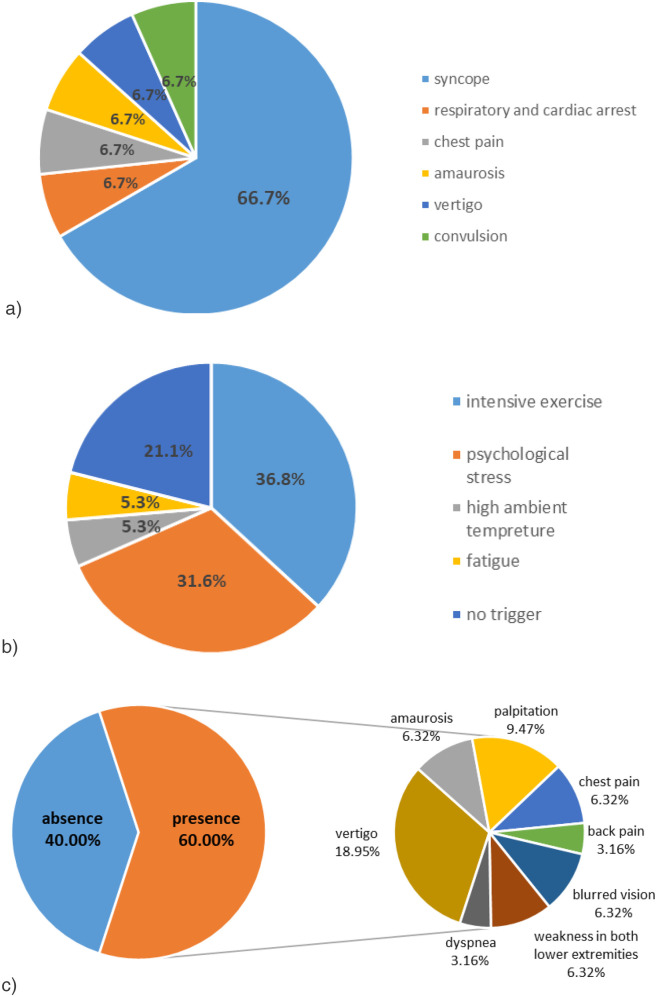 Figure 1
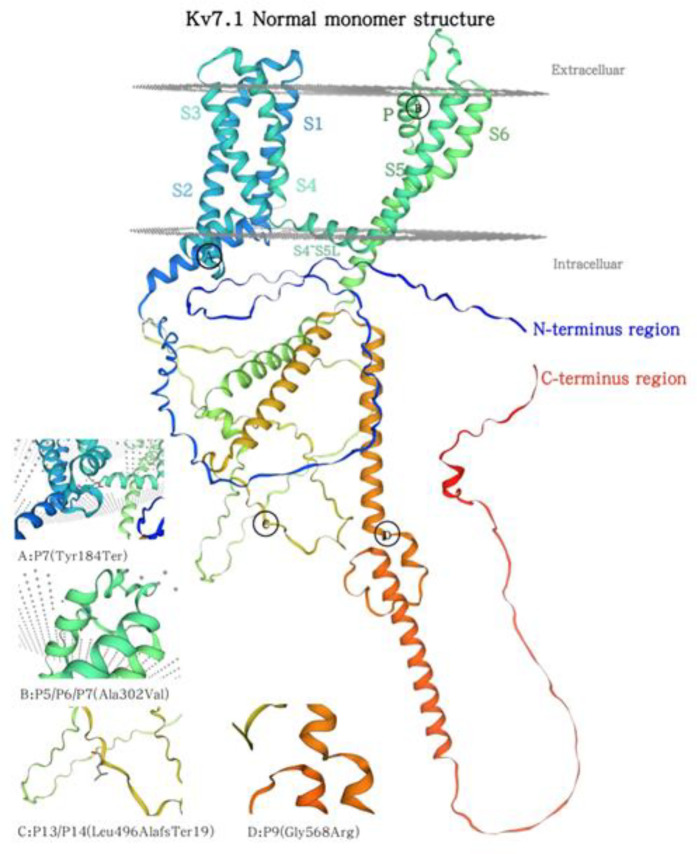 Figure 2
Peer Reviews
No public reviews on file for this paper yet. If you reviewed it on a platform where reviews are public (OpenReview, ICLR, NeurIPS, ICML), you can paste yours below so the community can read it here.
Videos
No videos yet. Explain this paper in a talk, walkthrough, or lecture? Add one.
Taxonomy
TopicsCardiac electrophysiology and arrhythmias · Ion channel regulation and function · Receptor Mechanisms and Signaling