Analysis of sedative-hypnotic drug use trends in children and adolescents (2018–2023): a study based on outpatient prescription data from a general hospital
Zhang Qingyu, Jiang Wenqing, Ma Le, Hou Yanbin, Miao Pingping, Lin Chen, Mao Jiaxin, Dai Ni, Yang Dalu, Tong Kanzhen, Su Junting, Zhu Zhenzhen, Ruan Liemin, Ji Yunxin

TL;DR
This study analyzed sedative-hypnotic drug prescriptions for children and adolescents from 2018 to 2023, finding a significant increase in use over time.
Contribution
The study provides new insights into the rising trends and patterns of sedative-hypnotic drug prescriptions in pediatric populations.
Findings
Prescriptions increased from 160 in 2018 to 1,583 in 2023, with a similar rise in total drug usage.
Lorazepam and zopiclone were the most commonly prescribed drugs, often in combination with antidepressants.
Female patients and those aged 6–12 had significantly longer medication durations compared to males and older adolescents.
Abstract
This study aims to analyze the use of sedative-hypnotic drugs among children and adolescents in a hospital setting, providing a reference for optimizing drug use. A retrospective analysis was conducted on the prescription data of sedative-hypnotic drugs for children and adolescents aged 6–18 years from 2018 to 2023 at the outpatient department of the hospital. Data were organized using Excel and analyzed using statistical software such as SPSS, with descriptive statistics and independent samples t-tests used to analyze medication patterns across different age groups and genders. The majority of prescriptions originated from the psychiatry department. The most common diagnoses included depressive state, anxiety state, and sleep disorders. Combination therapy with benzodiazepines and antidepressants was the most common treatment regimen. The number of prescriptions showed a yearly…
Genes, proteins, chemicals, diseases, species, mutations and cell lines named across the full text — each resolved to its canonical identifier and authoritative record.
Click any figure to enlarge with its caption.
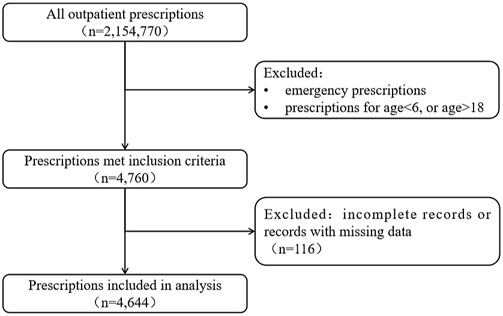 Figure 1
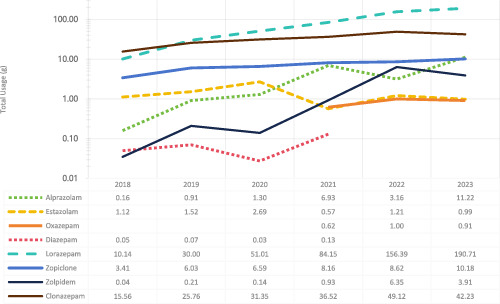 Figure 2
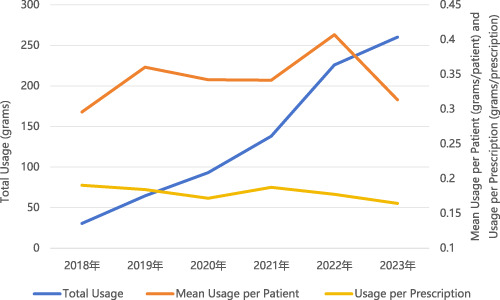 Figure 3
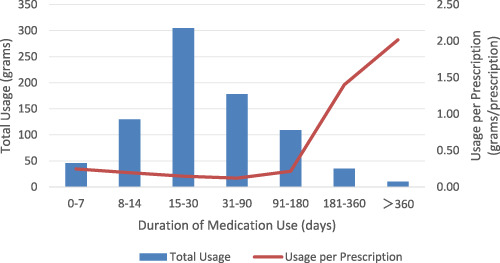 Figure 4
Peer Reviews
No public reviews on file for this paper yet. If you reviewed it on a platform where reviews are public (OpenReview, ICLR, NeurIPS, ICML), you can paste yours below so the community can read it here.
Videos
No videos yet. Explain this paper in a talk, walkthrough, or lecture? Add one.
Taxonomy
TopicsPharmaceutical studies and practices · Pediatric Pain Management Techniques · Infant Development and Preterm Care