Distinctive clinical features of early and late-onset Ménière’s disease
Jianwei Lin, Heng Xiao, Chenxin Lin, Gengliang Huang, Xiaojing Guo, Huimin Cai, Shengnan Ye

TL;DR
This study compares the clinical features and psychological impacts of early and late-onset Ménière’s disease, finding distinct symptom patterns and differences in how psychological factors relate to vertigo severity.
Contribution
The study identifies unique clinical and psychological characteristics of early and late-onset Ménière’s disease, offering insights into age-related differences in symptomatology.
Findings
Early-onset patients experience more tinnitus and fatigue-triggered vertigo episodes.
Late-onset patients show more severe vestibular endolymphatic hydrops and pronounced vertigo symptoms.
Psychological factors correlate more strongly with vertigo severity in early-onset patients.
Abstract
To compare the clinical characteristics of patients with early and late-onset Ménière’s disease (MD) and to investigate the impact of psychological factors between the two groups. The patients were divided into two groups based on their age of onset: early-onset (<45 years old) and late-onset (>55 years old). The differences in clinical symptoms, auditory, vestibular examination, gadolinium-enhanced MRI, vertigo, and psychological assessment were compared. To assess the severity of vertigo, the Dizziness Handicap Inventory (DHI) and Visual Analogue Scale (VAS) were used. The Patient Health Questionnaire 9-item (PHQ-9) and the Generalized Anxiety Disorder 7-item (GAD-7) scales were used to assess the patient’s psychological status. Thirty-five patients were included in the early-onset and thirty-seven in the late-onset MD groups. Tinnitus was more common in the early-onset group. The…
Genes, proteins, chemicals, diseases, species, mutations and cell lines named across the full text — each resolved to its canonical identifier and authoritative record.
Click any figure to enlarge with its caption.
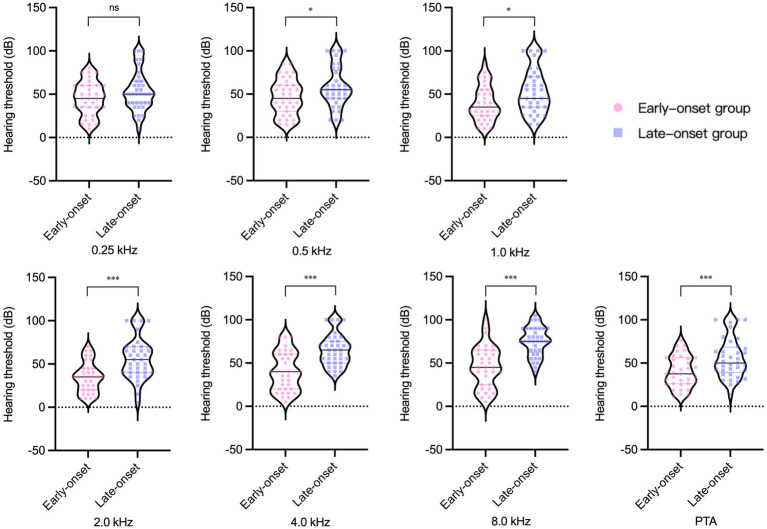 Figure 1
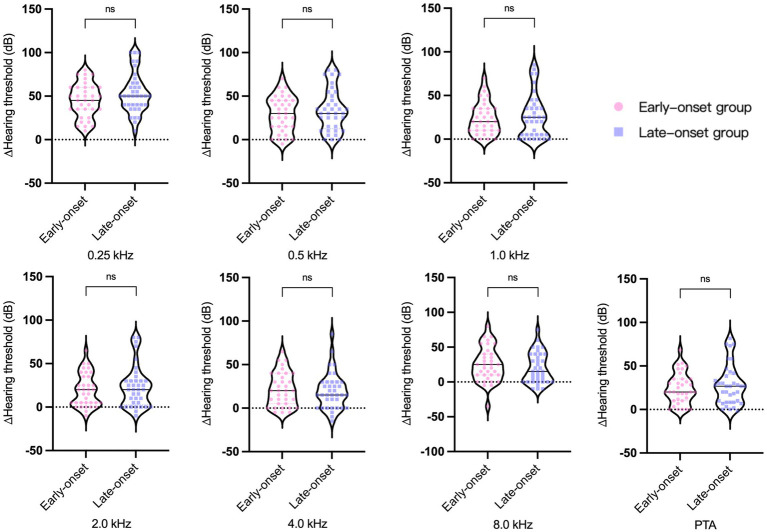 Figure 2
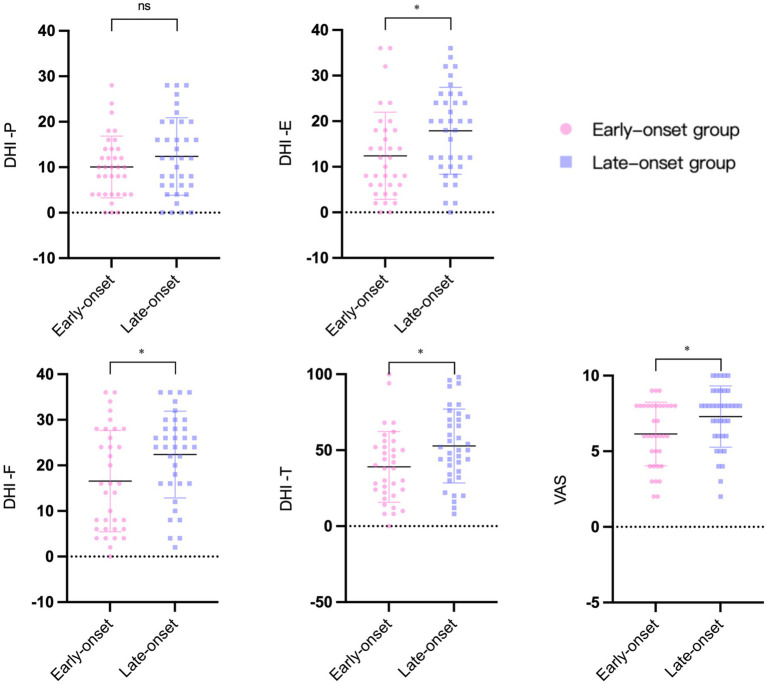 Figure 3
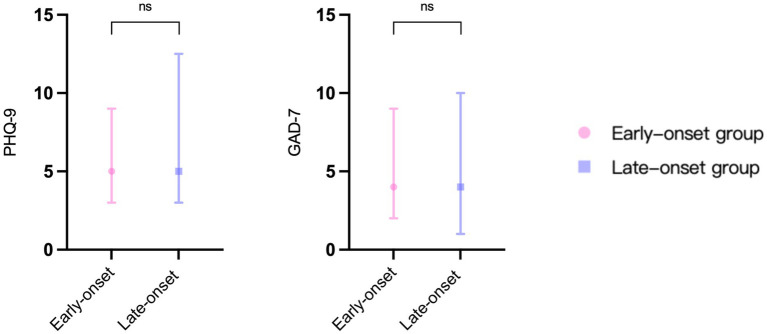 Figure 4
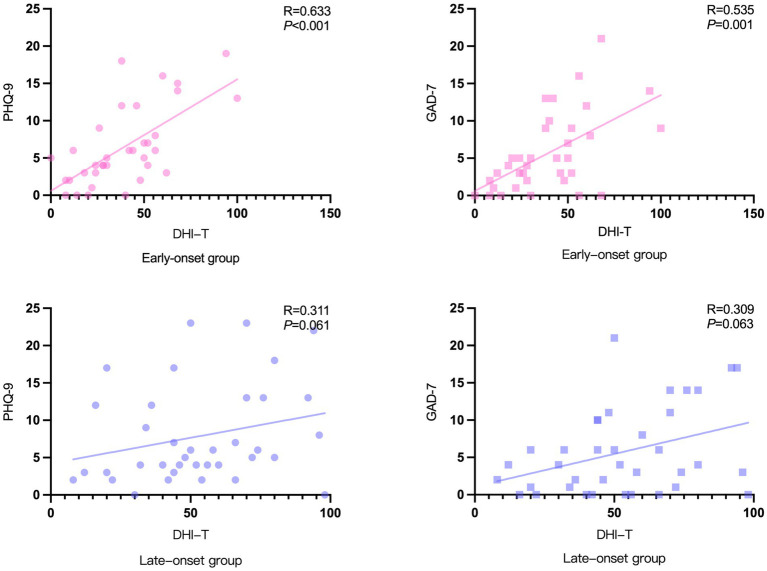 Figure 5
Peer Reviews
No public reviews on file for this paper yet. If you reviewed it on a platform where reviews are public (OpenReview, ICLR, NeurIPS, ICML), you can paste yours below so the community can read it here.
Videos
No videos yet. Explain this paper in a talk, walkthrough, or lecture? Add one.
Taxonomy
TopicsVestibular and auditory disorders · Hearing, Cochlea, Tinnitus, Genetics · Ear Surgery and Otitis Media