Hyperventilation during rest and exercise in orthostatic intolerance and Spiky-Leaky Syndrome
Amir Hashemizad, Jerriel Dela Cruz, Aditya Narayan, Andrew J. Maxwell

TL;DR
Patients with Spiky-Leaky Syndrome show reduced metabolic function and chronic hyperventilation during rest and exercise compared to controls and other orthostatic intolerance patients.
Contribution
Identifies metabolic and ventilatory markers specific to Spiky-Leaky Syndrome during exercise.
Findings
Patients with Spiky-Leaky Syndrome had significantly lower VO2max and ETCO2 levels compared to controls and OIDS patients.
Chronic hyperventilation and reduced ventricular preload were observed in Spiky-Leaky Syndrome during rest and exercise.
ETO2 showed an opposite trend to ETCO2, indicating altered gas exchange in these patients.
Abstract
Orthostatic intolerance, with or without postural orthostatic tachycardia syndrome (POTS), is collectively referred to as orthostatic intolerance dysautonomia syndromes (OIDS). This condition often presents with daytime hyperventilation, which is considered to be secondary to sympathetic hyperactivity. This hyperventilation appears to be a key characteristic in a newly described subset of patients with OIDS who also exhibit craniocervical instability, mast cell activation syndrome (MCAS), hypermobility spectrum disorder (HSD), and the phenomenon of alternating intracranial hypertension with hypotension due to cerebrospinal fluid (CSF) leaks, collectively termed Spiky-Leaky Syndrome (SLS). We performed a retrospective review of clinical metabolic exercise data in young patients with SLS, comparing them to matched patients with OIDS and healthy controls (CTL). We assessed metabolic…
Genes, proteins, chemicals, diseases, species, mutations and cell lines named across the full text — each resolved to its canonical identifier and authoritative record.
Click any figure to enlarge with its caption.
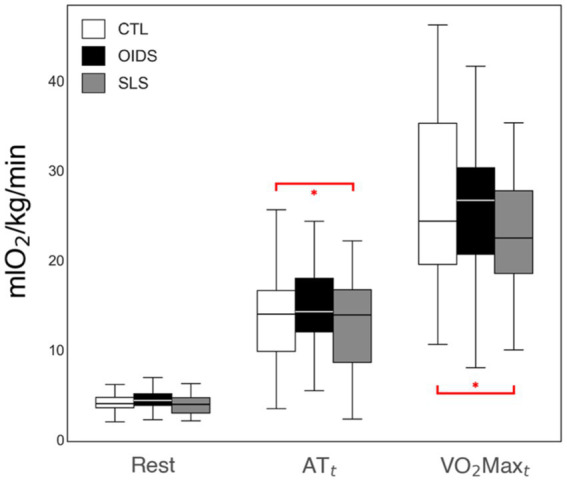 Figure 1
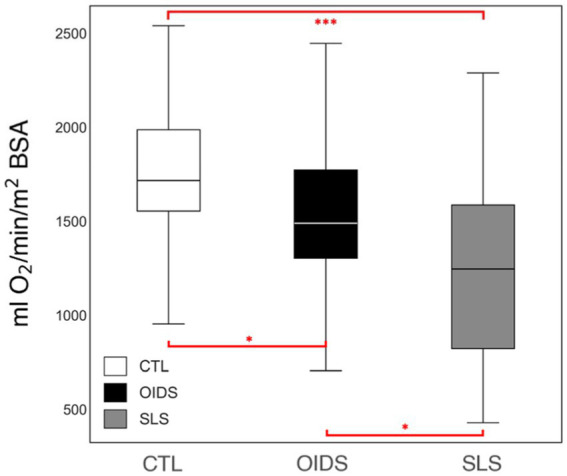 Figure 2
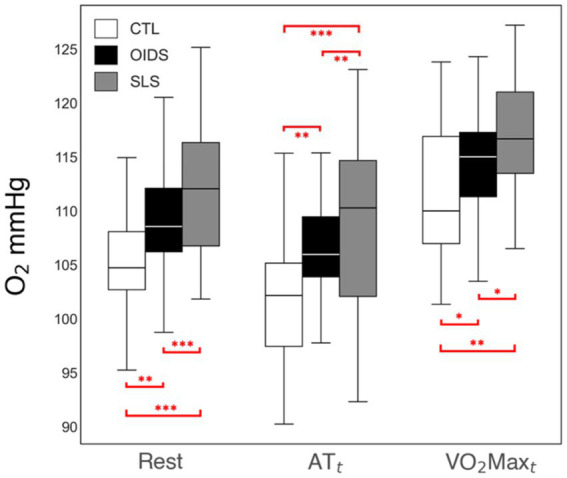 Figure 3
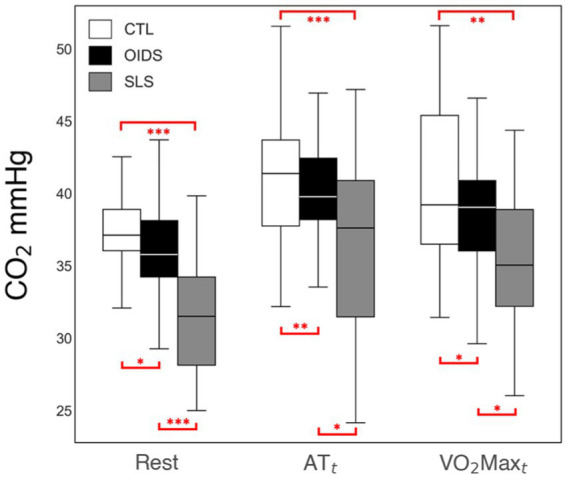 Figure 4
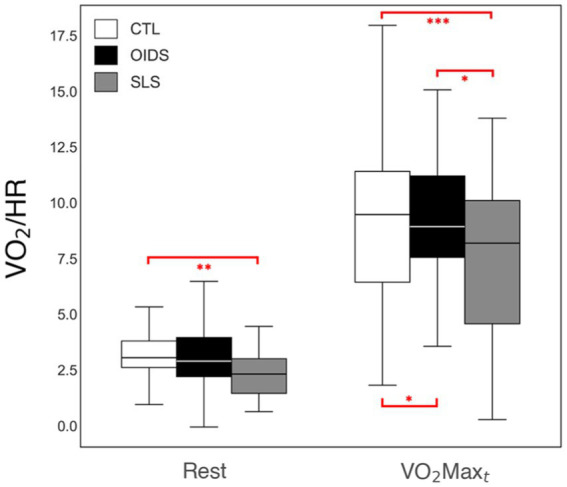 Figure 5
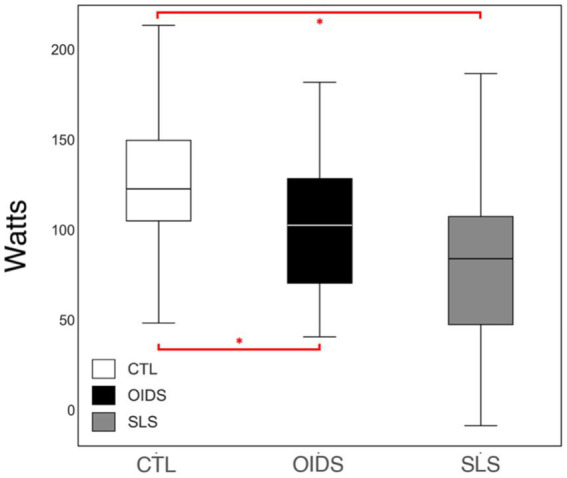 Figure 6
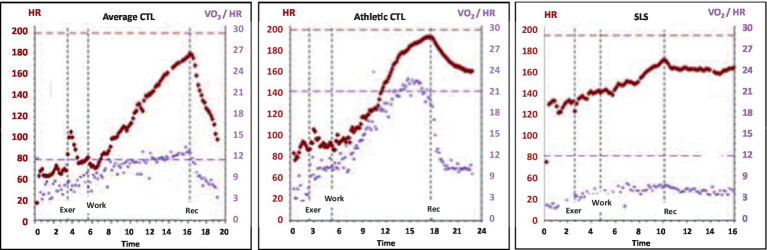 Figure 7
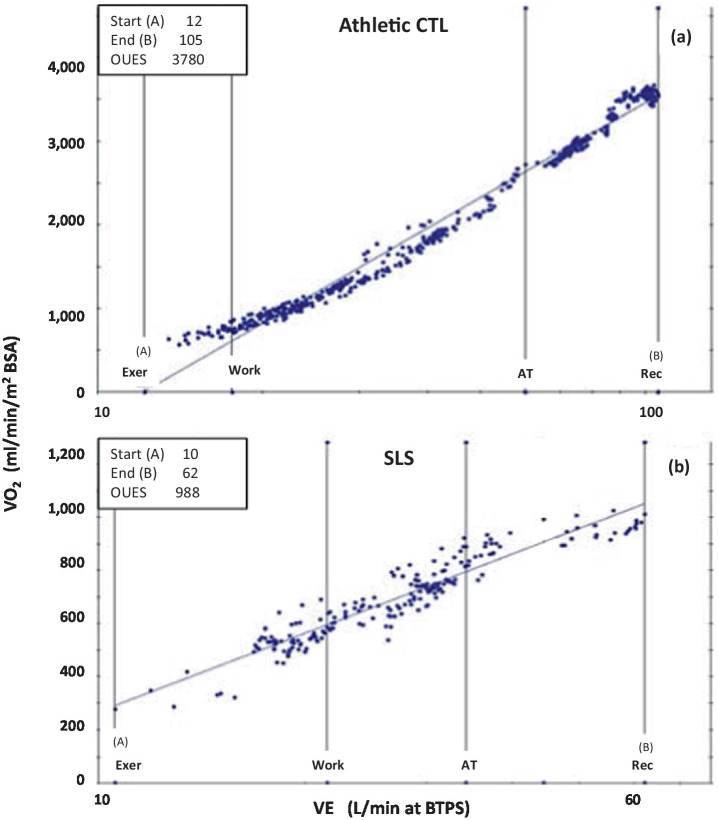 Figure 8
Peer Reviews
No public reviews on file for this paper yet. If you reviewed it on a platform where reviews are public (OpenReview, ICLR, NeurIPS, ICML), you can paste yours below so the community can read it here.
Videos
No videos yet. Explain this paper in a talk, walkthrough, or lecture? Add one.
Taxonomy
TopicsCardiovascular Syncope and Autonomic Disorders · Genetic Neurodegenerative Diseases · Psychosomatic Disorders and Their Treatments