FBXO38 Regulates Nox1 Stability to Reduce Vascular Endothelial Damage Induced by Low Oscillatory Shear Stress
Wan-li Yu, Li-wen Deng, Huan-huan Li, Chun-kai Wang, Xiang-yi Zuo, Zi-chang Wang, Li Meng, Lan-xin Wen, Wan-zhi Zeng, Yu Zhao, Xue-hu Wang

TL;DR
This study shows that FBXO38 reduces vascular damage by controlling Nox1 levels under abnormal blood flow conditions.
Contribution
FBXO38 is newly identified as a regulator of Nox1 stability in endothelial cells under low oscillatory shear stress.
Findings
FBXO38 overexpression reduces Nox1 accumulation and ROS production under low oscillatory shear stress.
Loss of FBXO38 leads to increased Nox1 levels and endothelial apoptosis in vitro and in vivo.
FBXO38 directly interacts with Nox1, suggesting a ubiquitin-dependent degradation mechanism.
Abstract
Oxidative stress and endothelial dysfunction are critical drivers of atherosclerosis, but the mechanisms regulating oxidative stress under disturbed flow conditions remain incompletely understood. The ubiquitin–proteasome system, particularly E3 ubiquitin ligases, may play a pivotal role in modulating these processes. FBXO38, an E3 ligase involved in proteasomal degradation, has been implicated in various physiological pathways, but its role in regulating oxidative stress in endothelial cells is unknown. We hypothesized that FBXO38 mitigates endothelial damage induced by low oscillatory shear stress (LOSS) by promoting the ubiquitin–proteasome–dependent degradation of Nox1, a major source of reactive oxygen species (ROS). Using an in vitro LOSS model in human umbilical vein endothelial cells (HUVECs) and an in vivo mouse partial carotid ligation model, we assessed the expression of…
Genes, proteins, chemicals, diseases, species, mutations and cell lines named across the full text — each resolved to its canonical identifier and authoritative record.
Click any figure to enlarge with its caption.
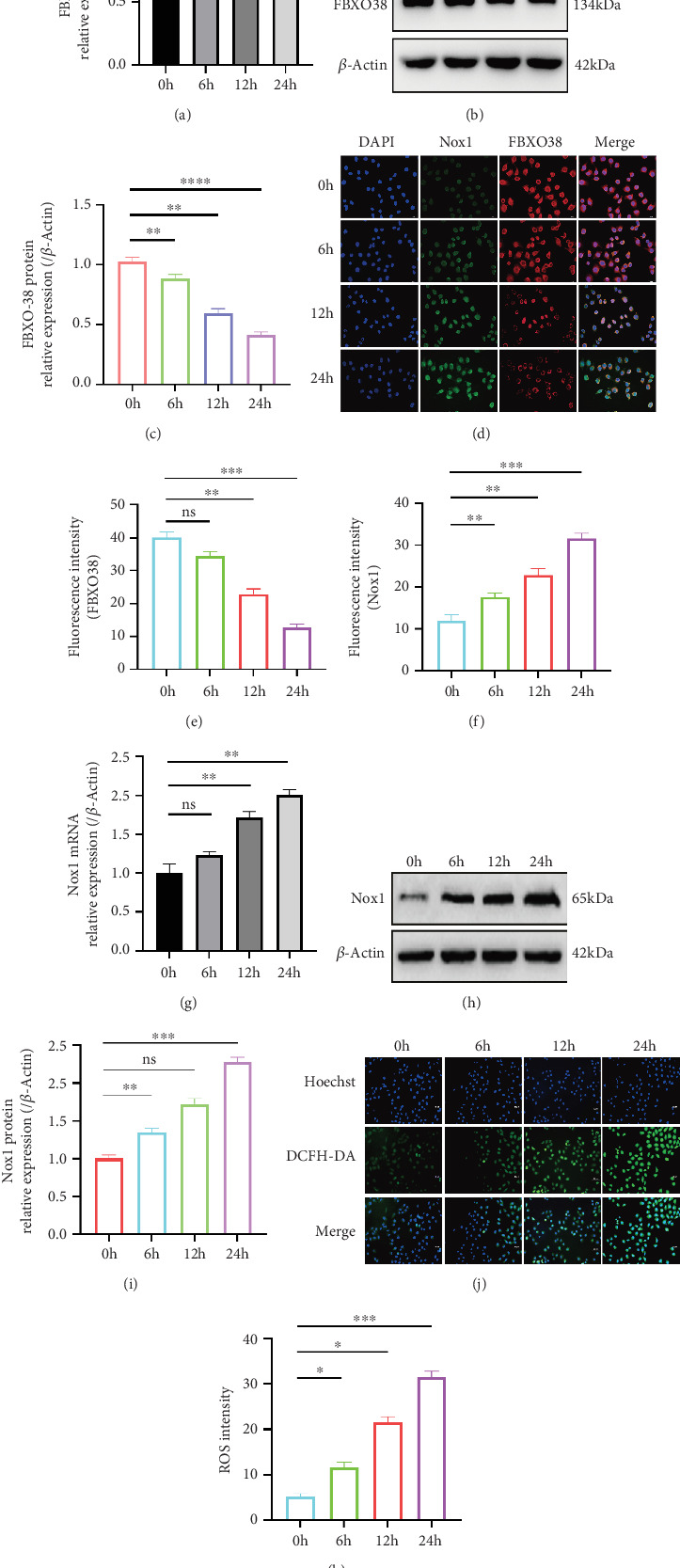 Figure 1
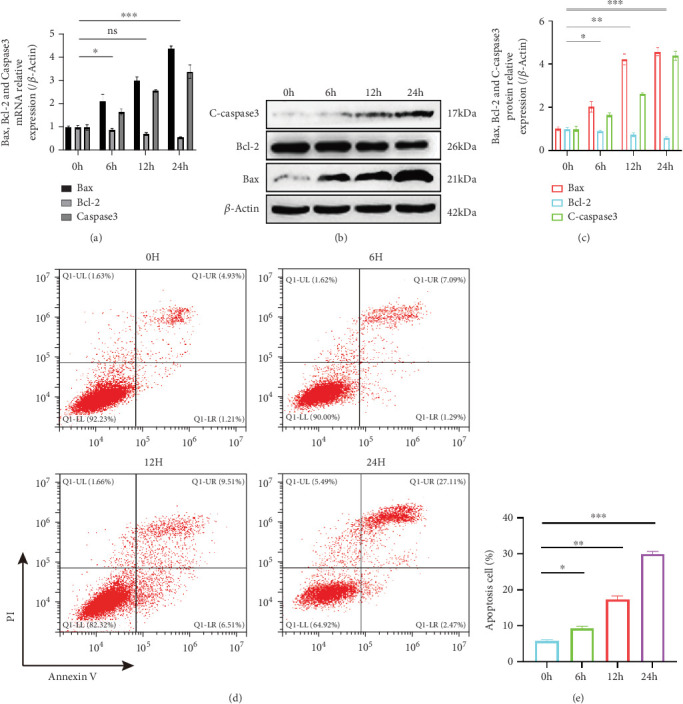 Figure 2
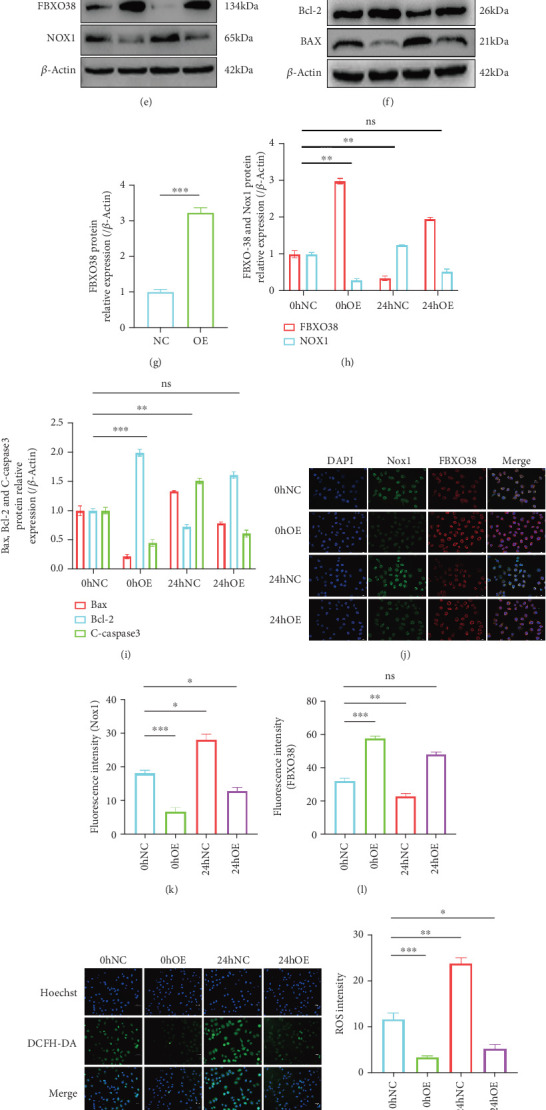 Figure 3
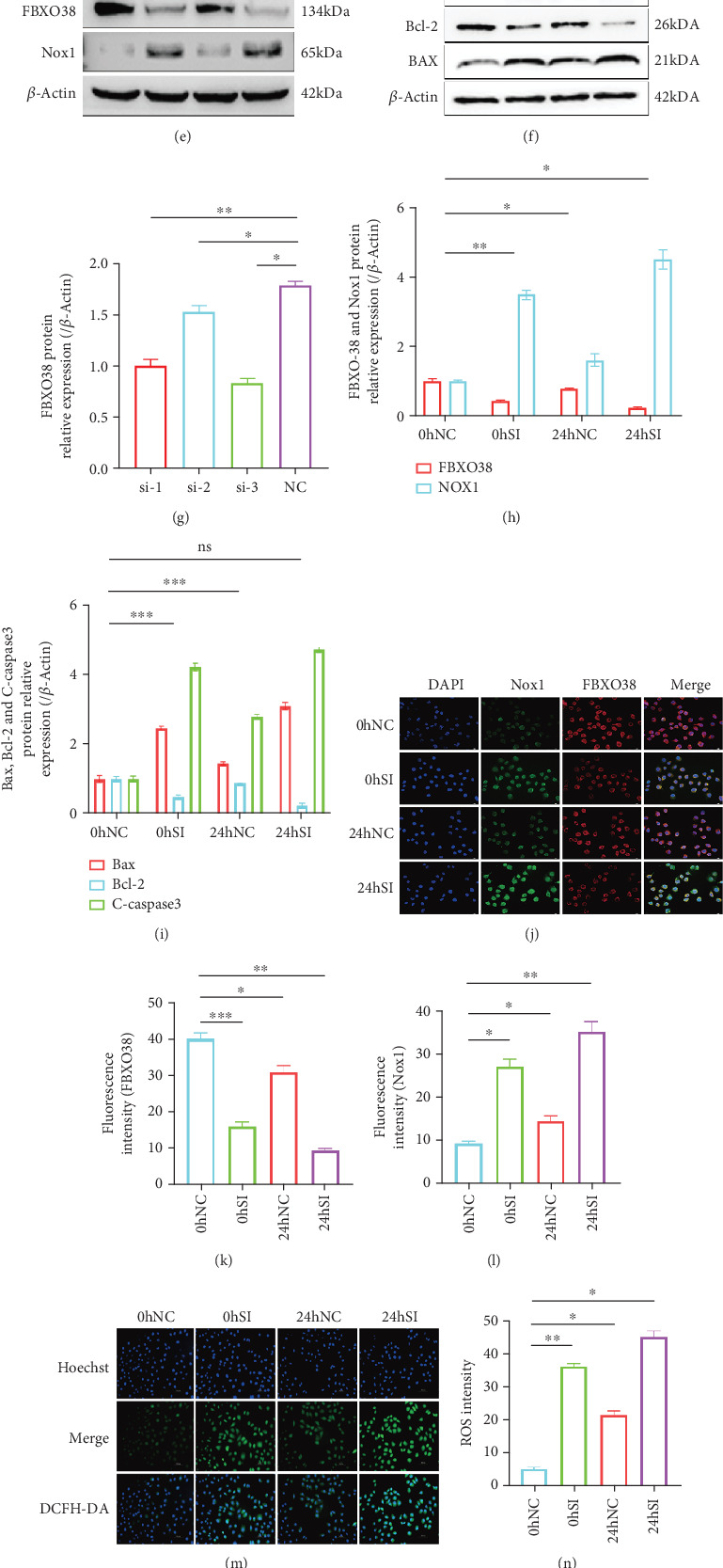 Figure 4
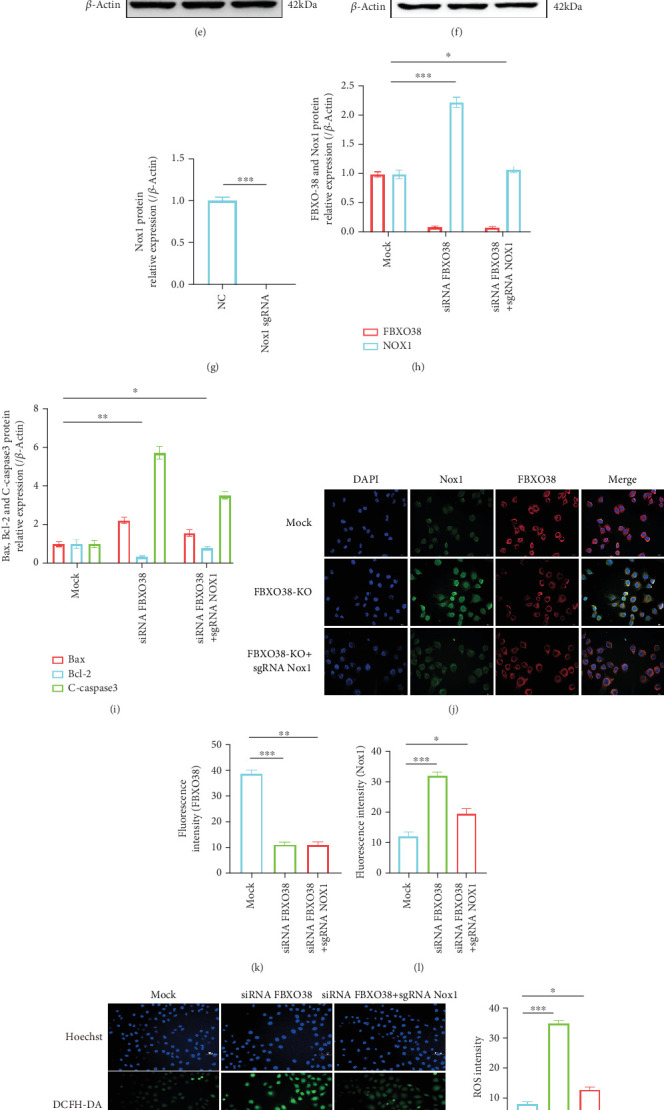 Figure 5
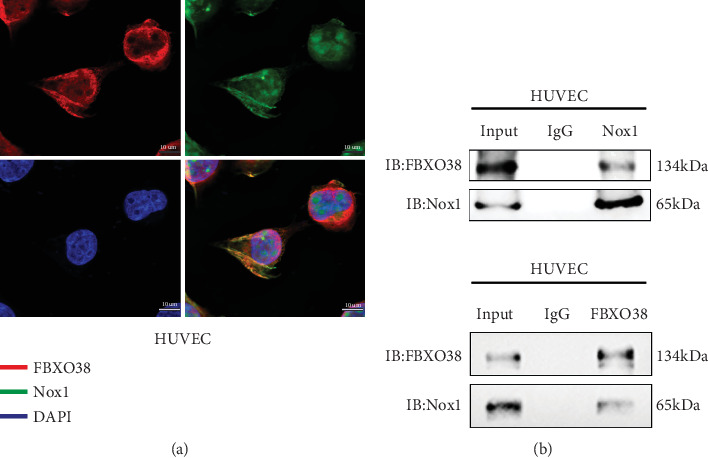 Figure 6
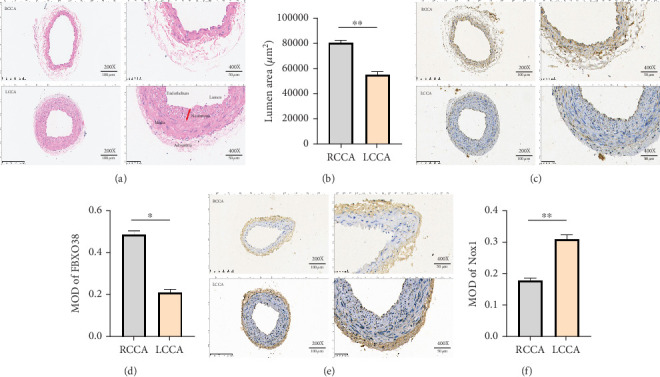 Figure 7
Peer Reviews
No public reviews on file for this paper yet. If you reviewed it on a platform where reviews are public (OpenReview, ICLR, NeurIPS, ICML), you can paste yours below so the community can read it here.
Videos
No videos yet. Explain this paper in a talk, walkthrough, or lecture? Add one.
Taxonomy
TopicsNeutrophil, Myeloperoxidase and Oxidative Mechanisms · Nitric Oxide and Endothelin Effects · Eicosanoids and Hypertension Pharmacology