Single-cell analysis of the early Drosophila salivary gland reveals that morphogenetic control involves both the induction and exclusion of gene expression programs
Annabel May, Katja Röper, Lucas Smith, Suzanne De Bruijn, Lucas Smith, Lucas Smith

TL;DR
This study uses single-cell RNA sequencing to show how gene expression changes control the early development of Drosophila salivary glands, including both activating and deactivating specific genes.
Contribution
The study reveals that morphogenesis involves not only the induction but also the exclusion of gene expression programs, with Tollo playing a critical role.
Findings
A set of genes is upregulated in placodal cells before morphogenetic changes occur.
Certain genes, like hth, grainyhead, and tollo/toll-8, are selectively excluded from placodal cells during development.
Maintaining tollo expression disrupts tube morphogenesis, suggesting its exclusion is necessary for proper development.
Abstract
How tissue shape and therefore function is encoded by the genome remains in many cases unresolved. The tubes of the salivary glands in the Drosophila embryo start from simple epithelial placodes, specified through the homeotic factors Scr/Hth/Exd. Previous work indicated that early morphogenetic changes are prepatterned by transcriptional changes, but an exhaustive transcriptional blueprint driving physical changes was lacking. We performed single-cell-RNAseq-analysis of FACS-isolated early placodal cells, making up less than 0.4% of cells within the embryo. Differential expression analysis in comparison to epidermal cells analyzed in parallel generated a repertoire of genes highly upregulated within placodal cells prior to morphogenetic changes. Furthermore, clustering and pseudotime analysis of single-cell-sequencing data identified dynamic expression changes along the morphogenetic…
Genes, proteins, chemicals, diseases, species, mutations and cell lines named across the full text — each resolved to its canonical identifier and authoritative record.
Click any figure to enlarge with its caption.
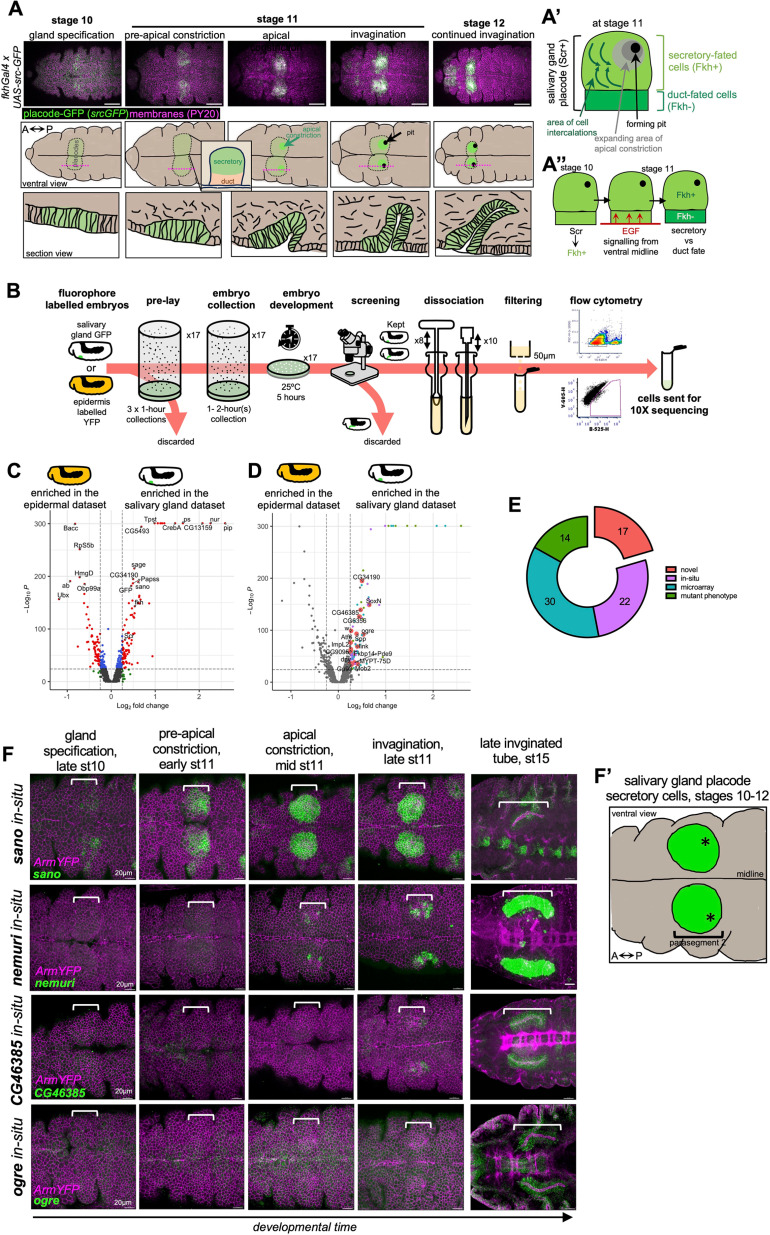 Figure 1
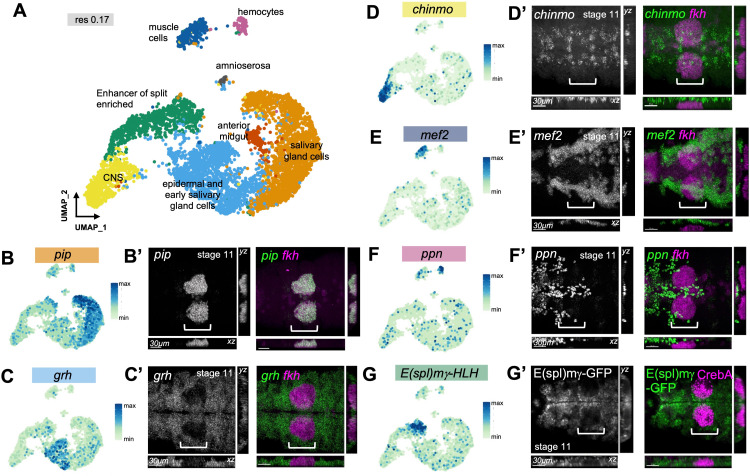 Figure 2
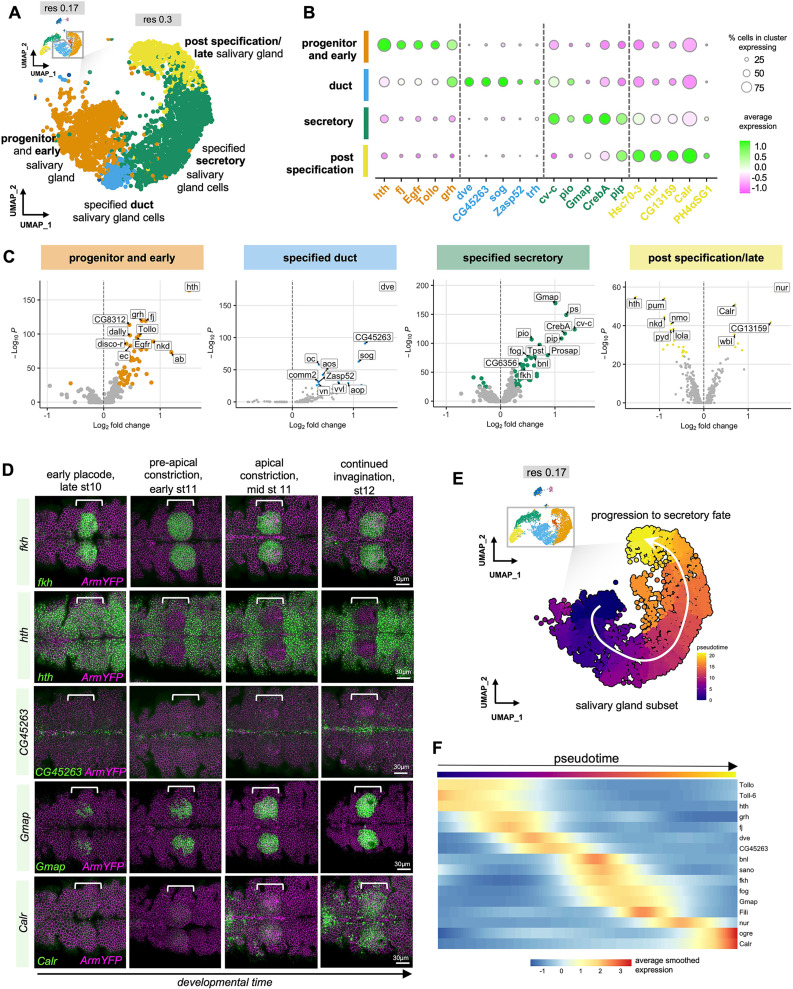 Figure 3
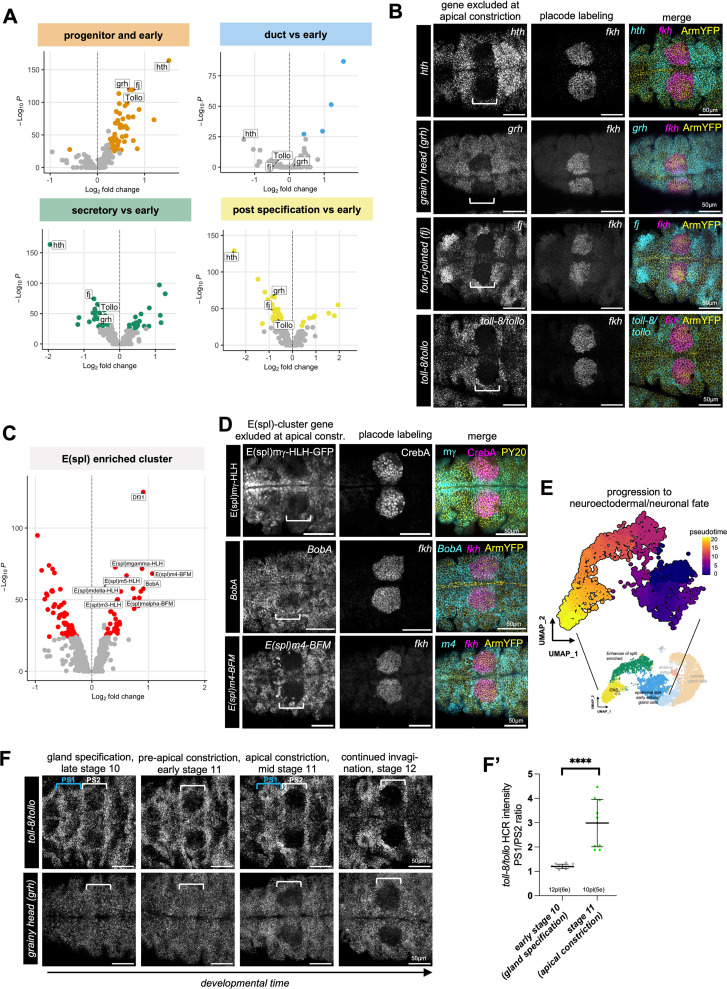 Figure 4
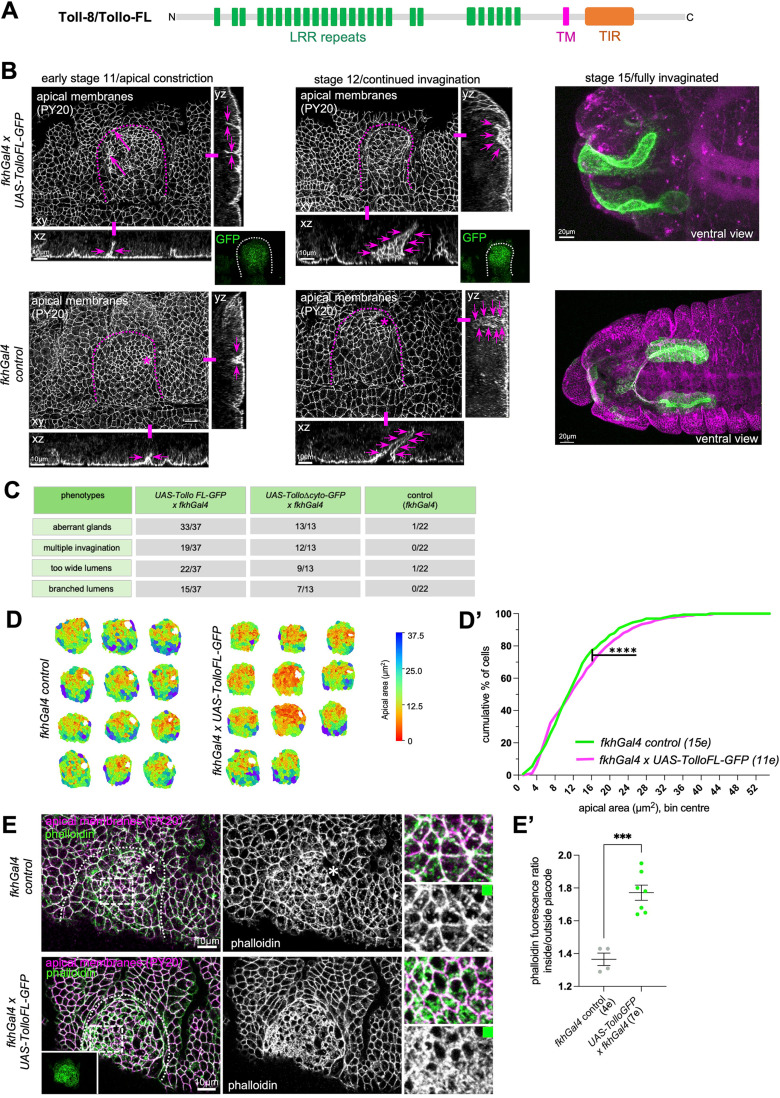 Figure 5
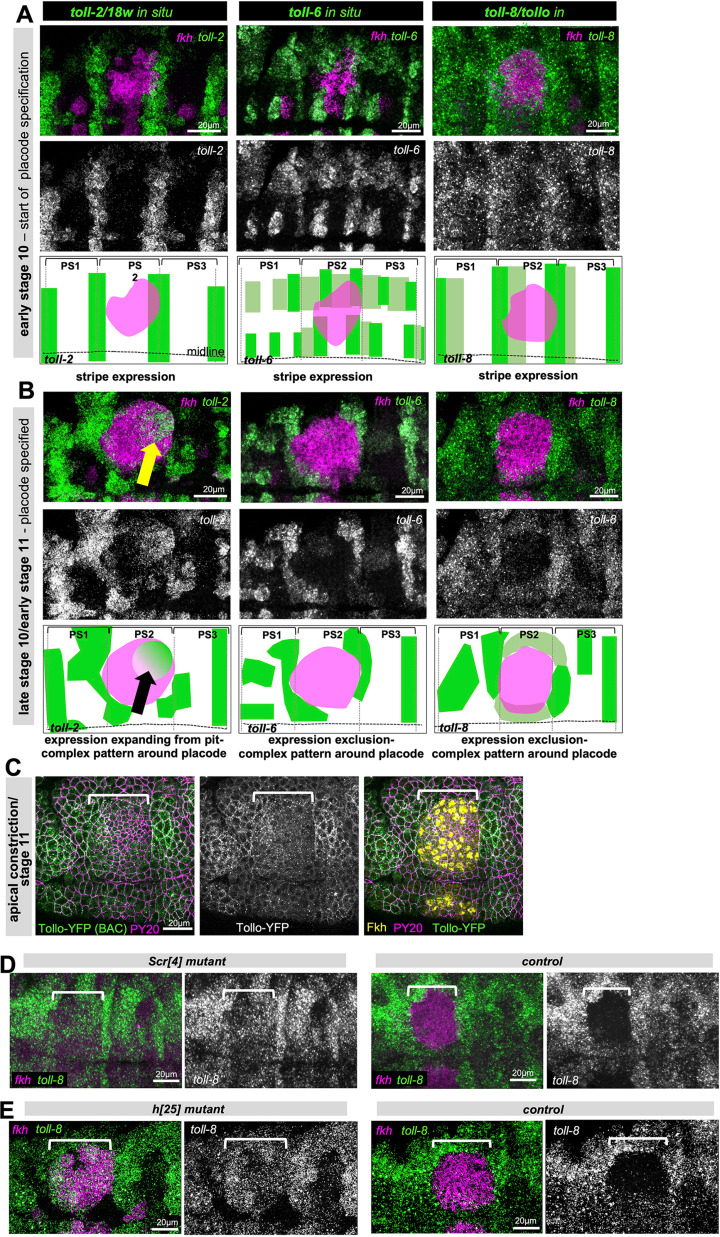 Figure 6
 Figure 7
 Figure 8
 Figure 9
 Figure 10
 Figure 11
Peer Reviews
No public reviews on file for this paper yet. If you reviewed it on a platform where reviews are public (OpenReview, ICLR, NeurIPS, ICML), you can paste yours below so the community can read it here.
Videos
No videos yet. Explain this paper in a talk, walkthrough, or lecture? Add one.
Taxonomy
TopicsSingle-cell and spatial transcriptomics · Developmental Biology and Gene Regulation · Invertebrate Immune Response Mechanisms