N6-methyladenosine modification of the subgroup J avian leukosis viral RNAs attenuates host innate immunity via MDA5 signaling
Mengmeng Yu, Li Zhang, Ying Wang, Suyan Wang, Yongzhen Liu, Peng Liu, Yuntong Chen, Ru Guo, Lingzhai Meng, Tao Zhang, Wenrui Fan, Xiaole Qi, Yulu Duan, Yanping Zhang, Hongyu Cui, Yulong Gao

TL;DR
This study shows how a virus called ALV-J uses a chemical modification called m6A to avoid triggering the chicken's immune system, allowing it to cause long-term infections.
Contribution
The study reveals for the first time that m6A modifications in ALV-J RNA help the virus evade the host's innate immune response via the MDA5 signaling pathway.
Findings
ALV-J genomic RNA has m6A modifications mainly in the Env and 3′UTR regions.
m6A-deficient ALV-J increases IFN-β production, indicating a role in immune evasion.
MDA5 signaling is central to how m6A modifications help ALV-J avoid immune detection.
Abstract
Subgroup J avian leukosis virus (ALV-J), a retrovirus, elicits immunosuppression and persistent infections in chickens. Although it is widely acknowledged that ALV-J can evade the host’s innate immune defenses, the mechanisms behind this immune evasion remain elusive. N6-methyladenosine (m6A), the most prevalent internal RNA modification, plays a role in innate immune evasion. Our research identified ALV-J as an inefficient stimulator of innate immunity in vitro and in vivo, with its genomic RNA featuring m6A modifications predominantly in the envelope protein (Env) region and 3′ untranslated region (3′UTR). To elucidate the functional consequences of m6A modification, we subsequently generated m6A-deficient ALV-J through its culturing in the DF-1 overexpressing fat mass and obesity-associated protein (FTO) cells. The m6A-deficient ALV-J virus, or its RNAs significantly enhanced IFN-β…
Genes, proteins, chemicals, diseases, species, mutations and cell lines named across the full text — each resolved to its canonical identifier and authoritative record.
Click any figure to enlarge with its caption.
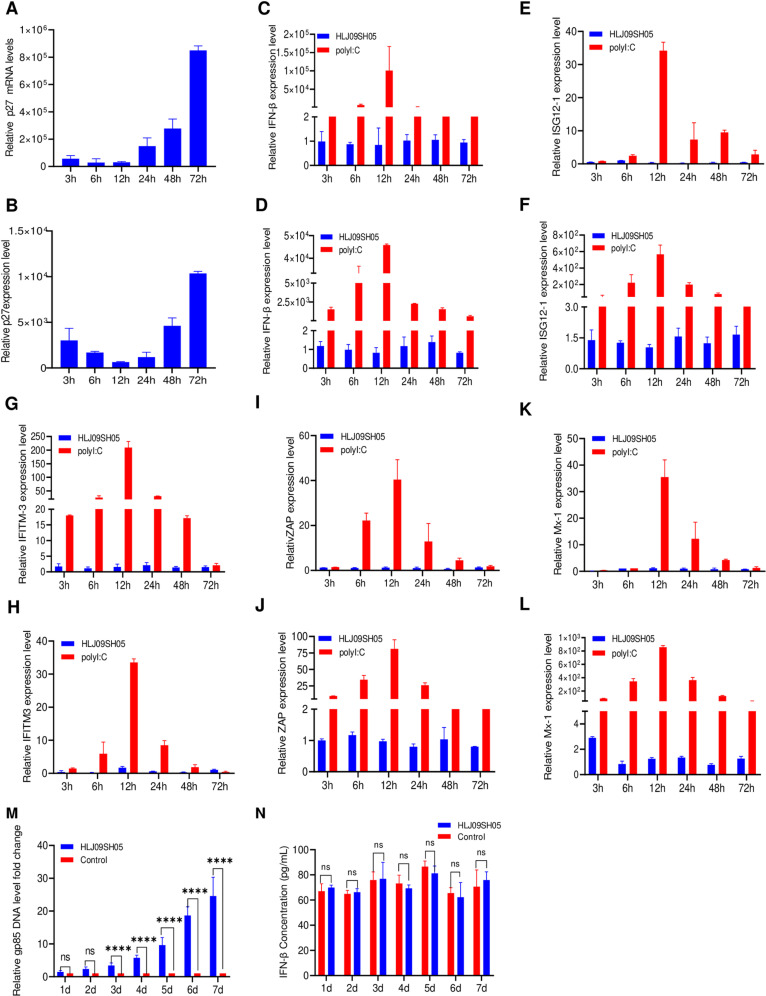 Figure 1
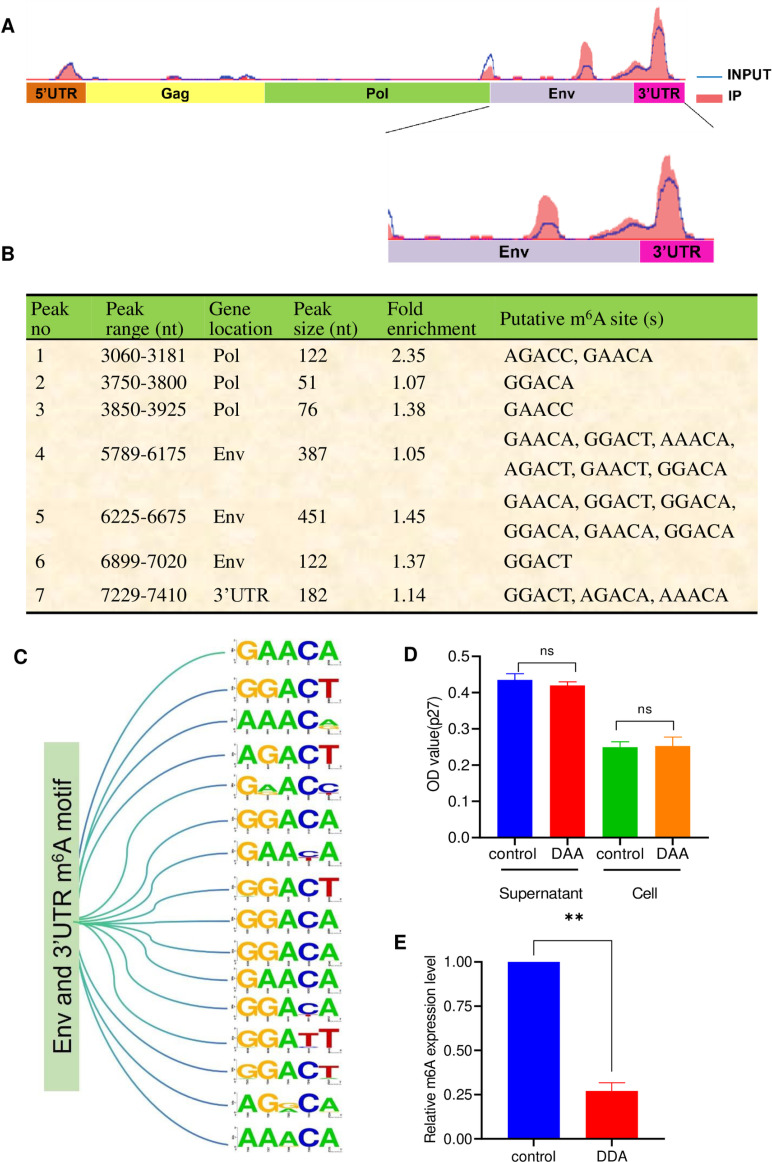 Figure 2
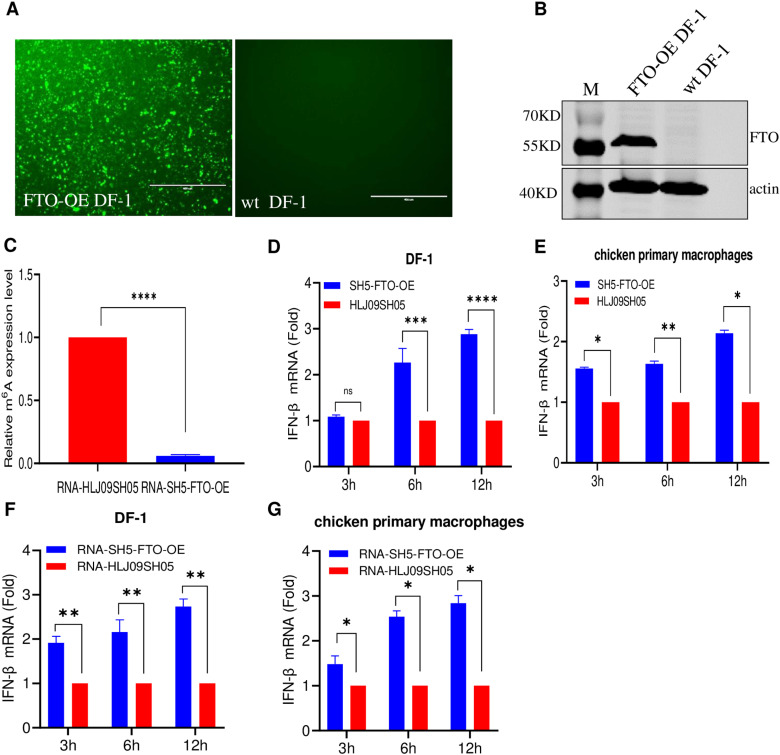 Figure 3
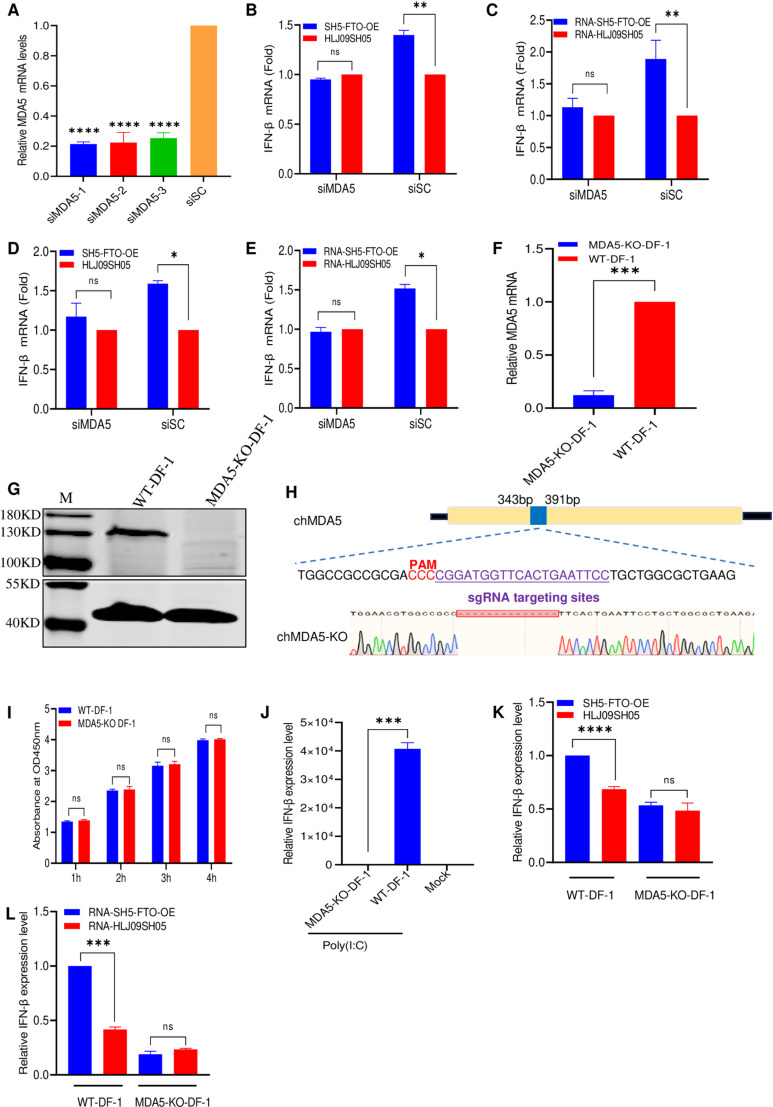 Figure 4
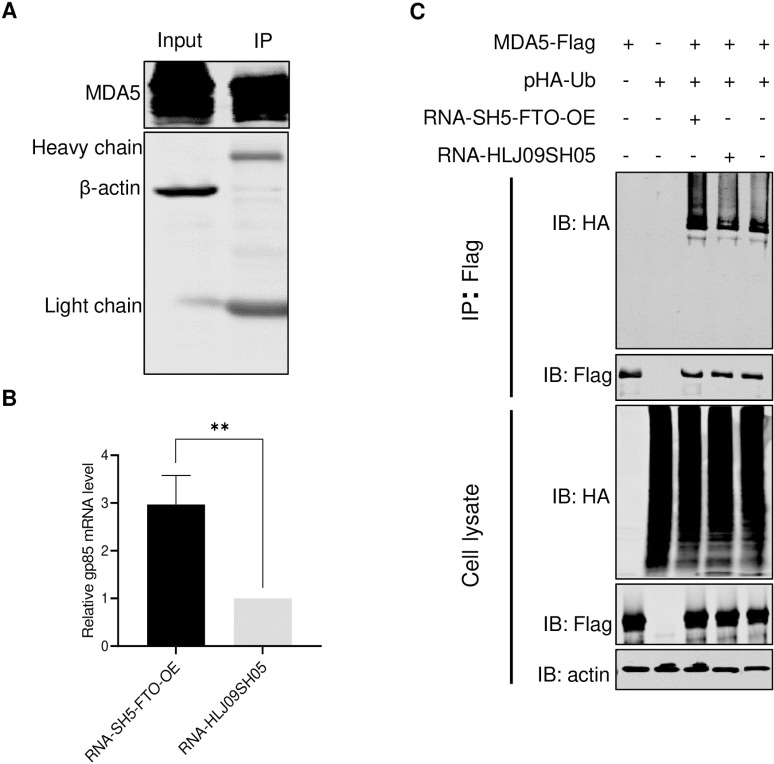 Figure 5
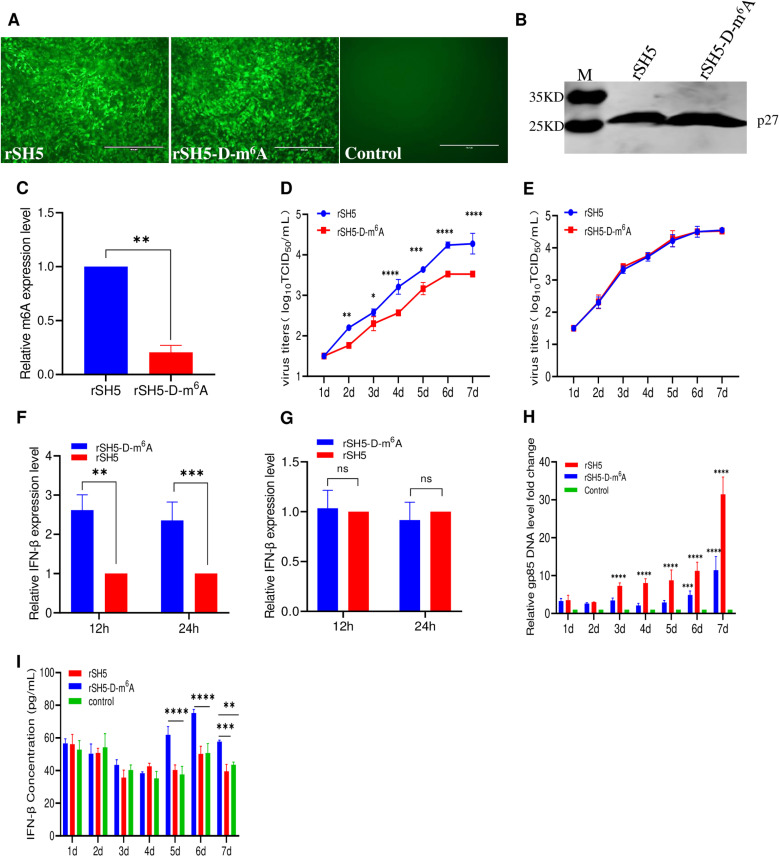 Figure 6
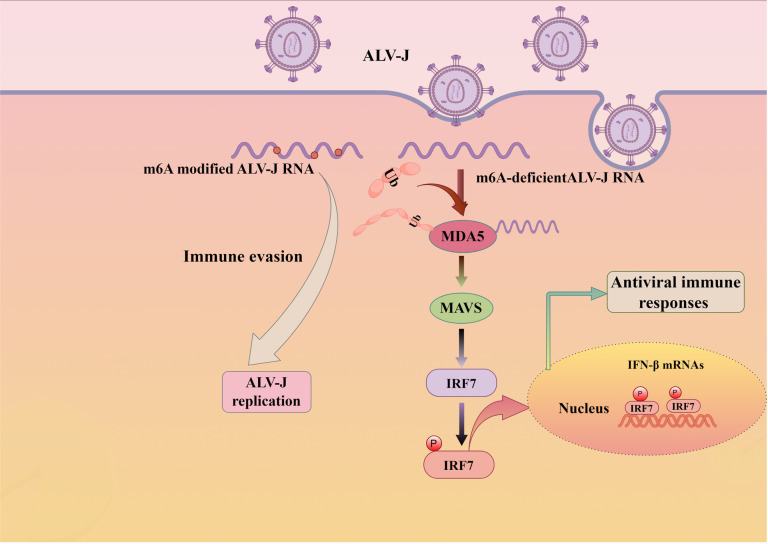 Figure 7
Peer Reviews
No public reviews on file for this paper yet. If you reviewed it on a platform where reviews are public (OpenReview, ICLR, NeurIPS, ICML), you can paste yours below so the community can read it here.
Videos
No videos yet. Explain this paper in a talk, walkthrough, or lecture? Add one.
Taxonomy
TopicsRNA modifications and cancer · Cancer-related molecular mechanisms research · RNA Research and Splicing