Analysis of Na+ concentration patterns in trophectoderm cells of mouse blastocysts using a dual-wavelength electrolyte indicator
Ayaka Fujishima, Kazumasa Takahashi, Mayumi Goto, Akiko Fujishima, Takeo Hirakawa, Takuya Iwasawa, Hiromitsu Shirasawa, Yukiyo Kumazawa, Yukihiro Terada

TL;DR
This study explores how sodium levels in mouse embryos affect blastocyst development and hatching success using a special imaging technique.
Contribution
The study introduces dual-wavelength imaging to analyze sodium dynamics in mouse blastocysts, linking specific patterns to developmental outcomes.
Findings
Three distinct Na+ concentration patterns correlate with blastocyst expansion and hatching success.
Group A embryos with stabilized Na+ levels showed the highest hatching rates.
Inhibiting Na+/K+-ATPase disrupted cavity expansion and Na+ flux.
Abstract
The developmental process of the mammalian blastocyst involves the intricate interplay of cellular and molecular mechanisms, including electrolyte dynamics within the trophectoderm (TE). We hypothesized that sodium (Na+) is actively transported from the TE into the blastocyst cavity, driving water influx and promoting blastocyst expansion. In this study, we investigated the dynamics of Na+ concentration in the TE of mouse embryos using sodium-binding benzofuran isophthalate (SBFI), a dual-wavelength Na+-sensitive fluorescent indicator. Observations revealed three distinct patterns of Na+ dynamics, each correlating with variations in blastocyst cross-sectional area and developmental outcomes. Embryos exhibiting an initial decrease followed by stabilization of Na+ concentration (Group A) demonstrated the highest rates of hatching, suggesting a relationship between Na+ flux and successful…
Genes, proteins, chemicals, diseases, species, mutations and cell lines named across the full text — each resolved to its canonical identifier and authoritative record.
Click any figure to enlarge with its caption.
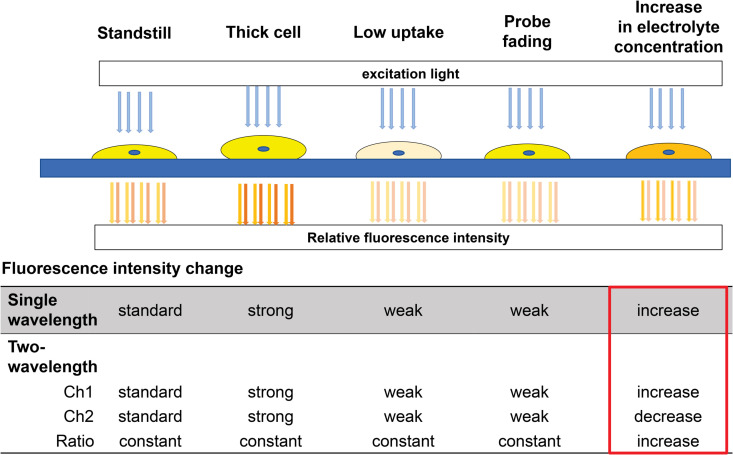 Figure 1
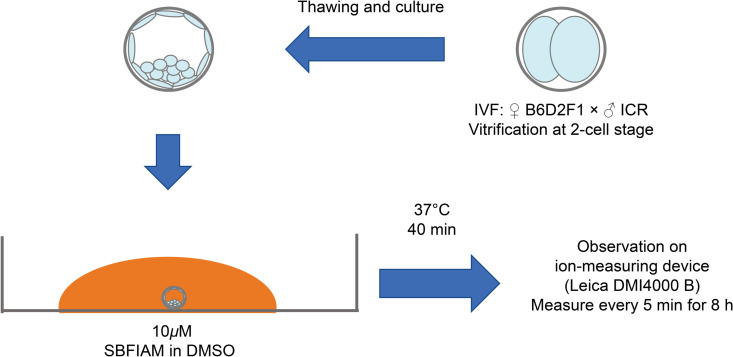 Figure 2
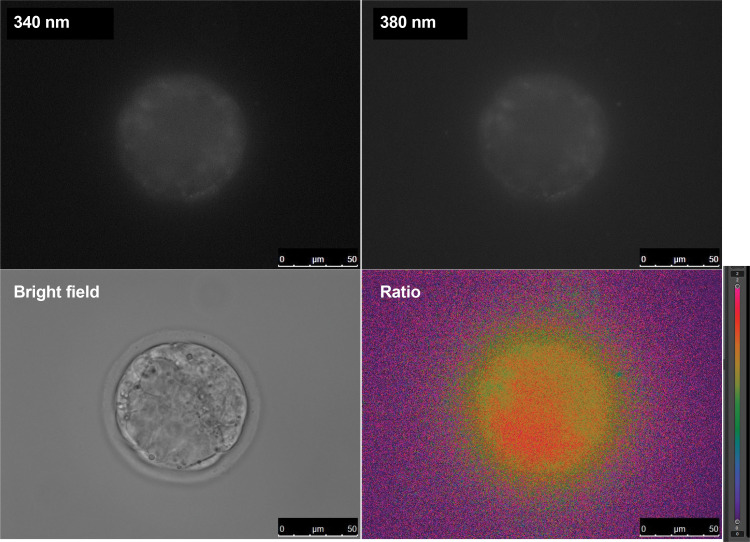 Figure 3
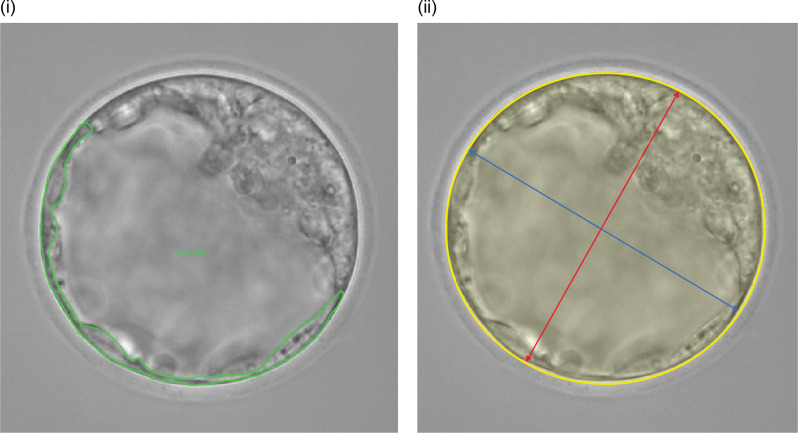 Figure 4
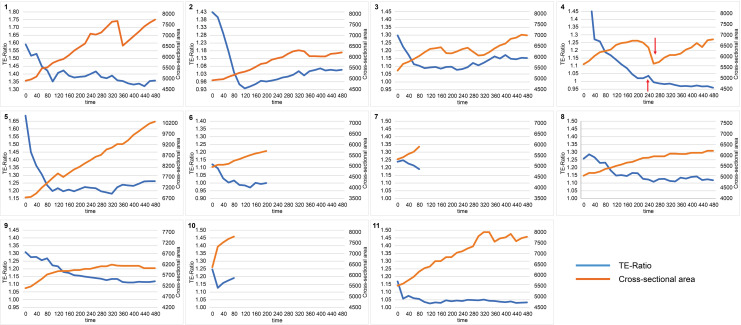 Figure 5
 Figure 6
 Figure 7
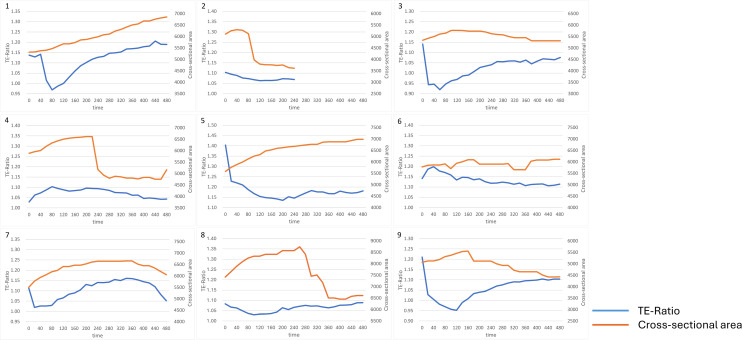 Figure 8
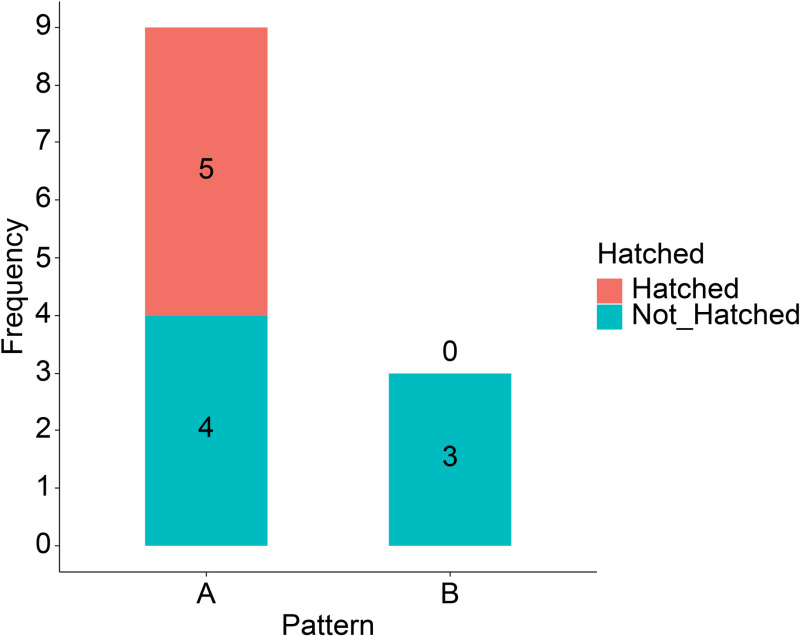 Figure 9
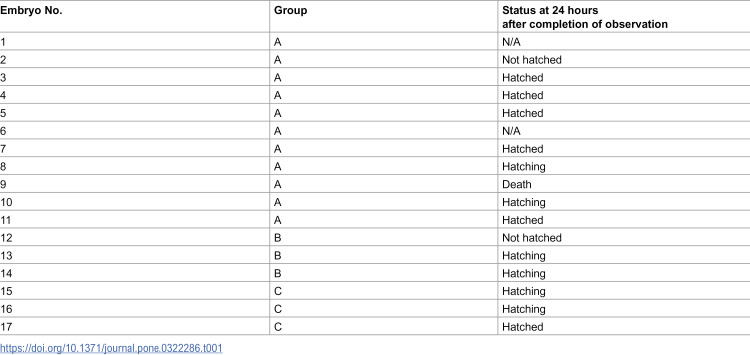 Figure 10
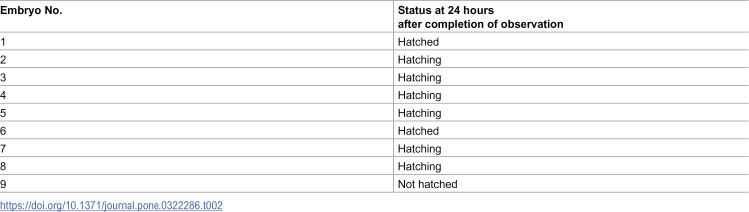 Figure 11
Peer Reviews
No public reviews on file for this paper yet. If you reviewed it on a platform where reviews are public (OpenReview, ICLR, NeurIPS, ICML), you can paste yours below so the community can read it here.
Videos
No videos yet. Explain this paper in a talk, walkthrough, or lecture? Add one.
Taxonomy
TopicsReproductive Biology and Fertility · Pluripotent Stem Cells Research · Renal and related cancers