Insight into antistaphylococcal effect of chlorinated 1-hydroxynaphthalene-2-carboxanilides
Lucia Vrablova, Tomas Gonec, Petra Majerova, Andrej Kovac, Dominika Kos, Peter Kollar, Jiri Kos, Alois Cizek, Tereza Kauerova, Josef Jampilek

TL;DR
This study explores new chlorinated compounds that show strong antistaphylococcal activity, potentially offering a new approach to combat antibiotic-resistant bacteria.
Contribution
The study introduces chlorinated 1-hydroxynaphthalene-2-carboxanilides as multitarget agents with potent antistaphylococcal activity and identifies key proteins affected by these compounds.
Findings
Compound 10 showed antistaphylococcal activity comparable to or better than existing drugs with MICs of 0.37 μM.
Compound 10 downregulated four proteins in staphylococci, including ATP-dependent protease ATPase subunit HslU.
The position of chlorine atoms in the compounds significantly influences their antistaphylococcal activity.
Abstract
New compounds and innovative therapeutic approaches are trying to prevent antimicrobial resistance, which has become a global health challenge. This study includes a series of twelve mono-, di- and trichlorinated 1-hydroxynaphthalene-2-carboxanilides designed as multitarget agents. All compounds were evaluated for their antistaphylococcal activity. Furthermore, MTT assay and chemoproteomic analysis of selected compounds were performed. Cytotoxicity in human cells was also tested. N-(3,5-Dichlorophenyl)-1-hydroxynaphthalene-2-carboxamide (10) demonstrated activity comparable to or higher than clinically used drugs, with minimum inhibitory concentrations (MICs) of 0.37 μM. The compound was equally effective against clinical isolates of methicillin-resistant S. aureus. On the other hand, compound 10 showed 96 % inhibition of S. aureus respiration only at a concentration of 16× MIC.…
Genes, proteins, chemicals, diseases, species, mutations and cell lines named across the full text — each resolved to its canonical identifier and authoritative record.
Click any figure to enlarge with its caption.
 Figure 1
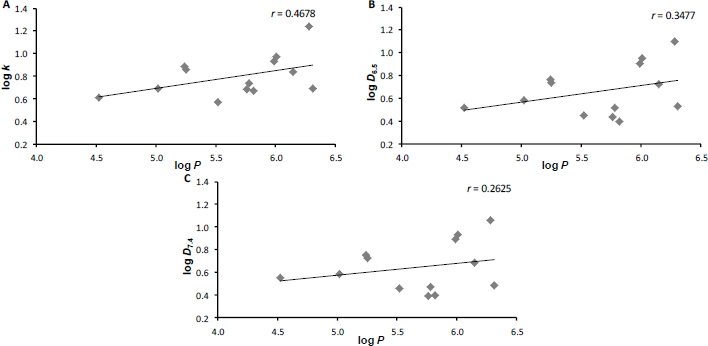 Figure 2
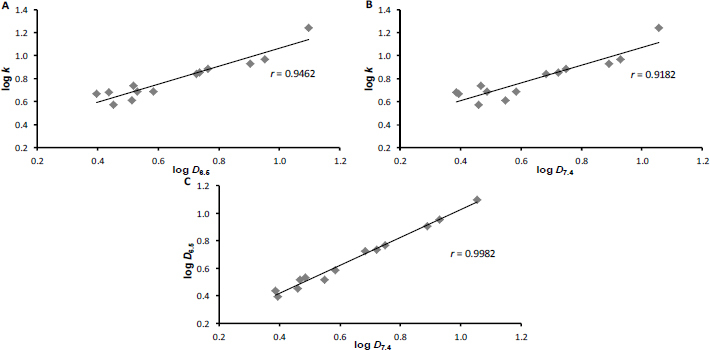 Figure 3
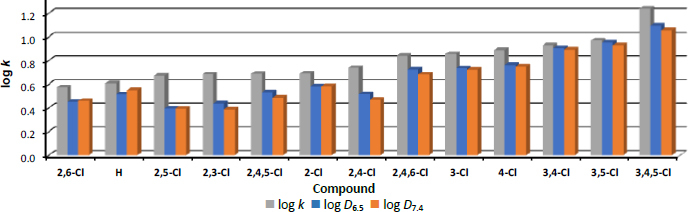 Figure 4
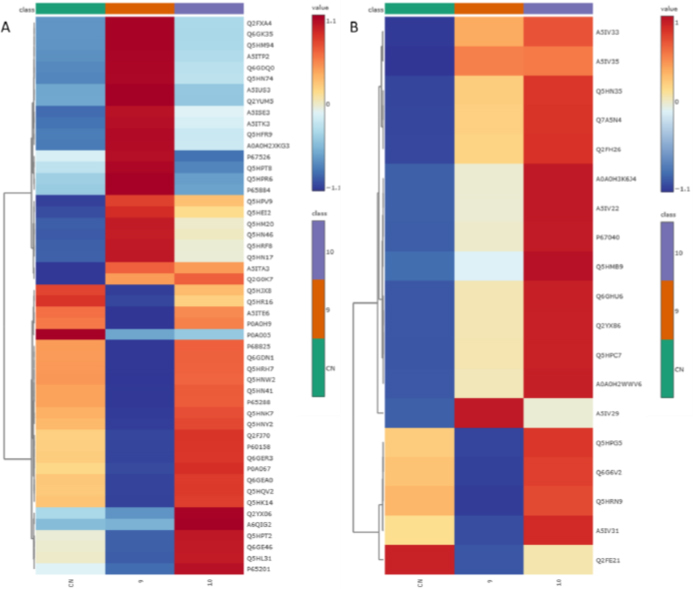 Figure 5
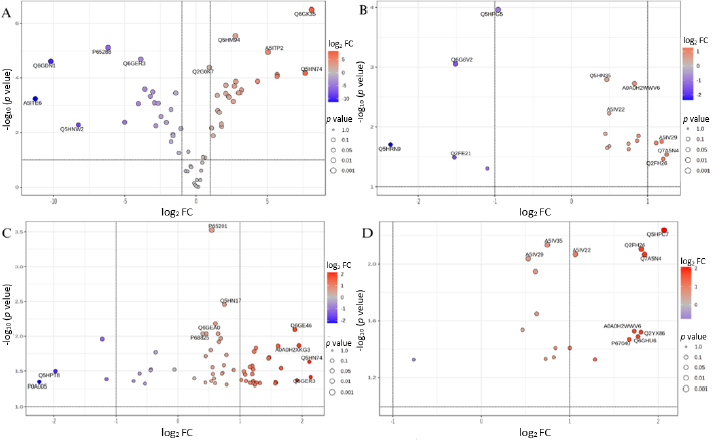 Figure 6
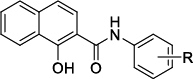 Figure 7
Peer Reviews
No public reviews on file for this paper yet. If you reviewed it on a platform where reviews are public (OpenReview, ICLR, NeurIPS, ICML), you can paste yours below so the community can read it here.
Videos
No videos yet. Explain this paper in a talk, walkthrough, or lecture? Add one.
Taxonomy
TopicsSynthesis and biological activity · Synthesis and Reactions of Organic Compounds