Neospora caninum hijacks host PFKFB3-driven glycolysis to facilitate intracellular propagation of parasites
De-Liang Tao, Jin-Ming Chen, Jiang-Ping Wu, Shan-Shan Zhao, Bu-Fan Qi, Xin Yang, Ying-Ying Fan, Jun-Ke Song, Guang-Hui Zhao

TL;DR
Neospora caninum promotes its survival by hijacking host cell glycolysis through PFKFB3, offering a new target for controlling the infection.
Contribution
The study identifies PFKFB3-driven glycolysis as a novel mechanism used by Neospora caninum to enhance its intracellular propagation.
Findings
N. caninum infection increases glycolysis-related enzyme expression and lactate production in caprine endometrial epithelial cells.
Inhibiting host cell glycolysis or PFKFB3 reduces intracellular parasite propagation.
N. caninum activates JNK signaling and HIF-1α to upregulate PFKFB3 expression.
Abstract
Infection with Neospora caninum leads to reproductive failure in ruminants, such as cattle and goats; however, no effective vaccines or treatments are currently available to control this infection. Carefully regulating the glycolysis of host cells is essential for the intracellular survival of pathogens. Nonetheless, the impact of N. caninum infection on host cell glycolysis and the effects and mechanisms of host cell glycolysis on the intracellular survival of this parasite remains unclear. In this study, the analysis of metabolomics and transcriptomics revealed that N. caninum infection increases the expression of glycolysis-related enzymes and lactate production in caprine endometrial epithelial cells (EECs). The study’s findings demonstrate that the inhibition of host cell glycolysis using 2-DG or sodium oxamate (an LDH-A inhibitor) inhibits host cell glycolysis and the…
Genes, proteins, chemicals, diseases, species, mutations and cell lines named across the full text — each resolved to its canonical identifier and authoritative record.
Click any figure to enlarge with its caption.
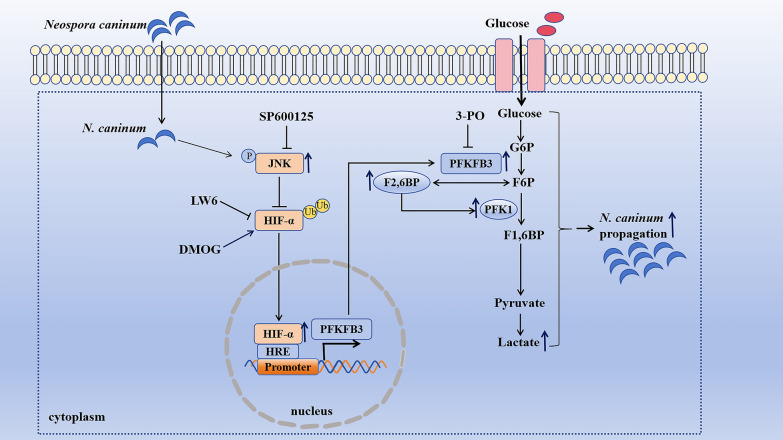 Figure 10
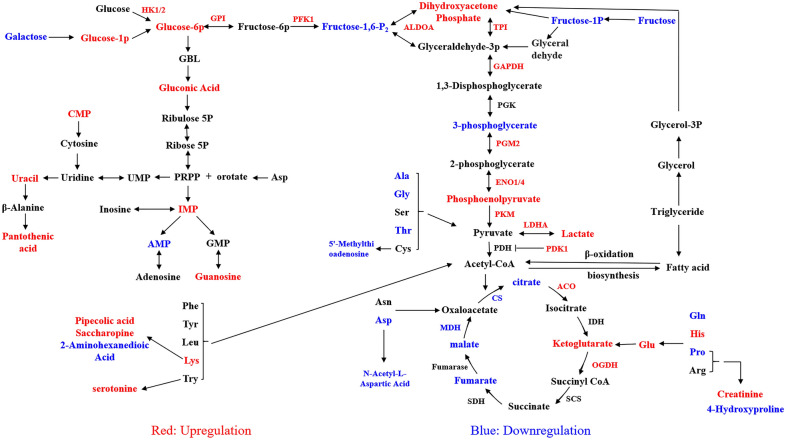 Figure 1
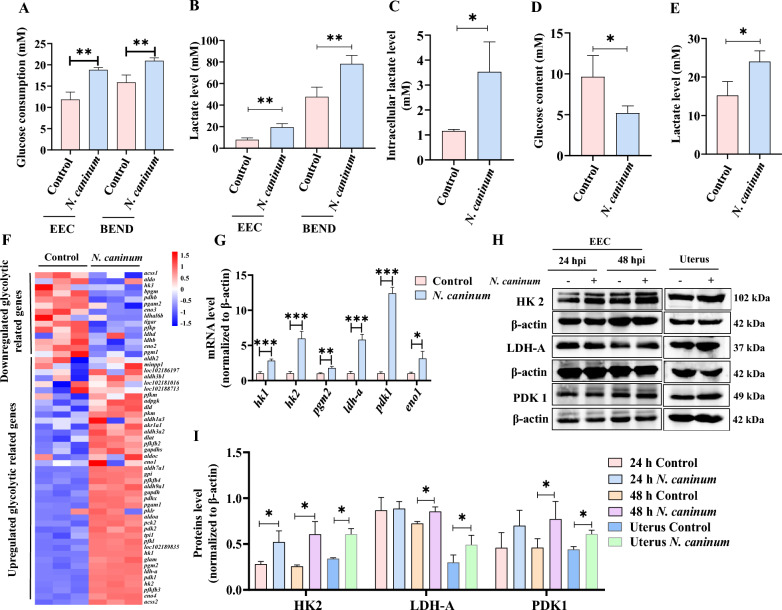 Figure 2
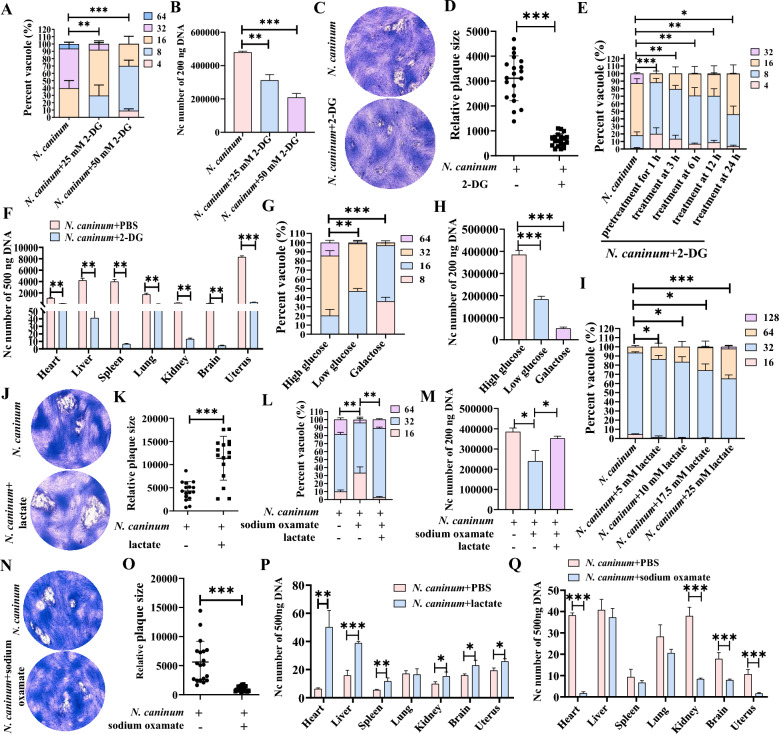 Figure 3
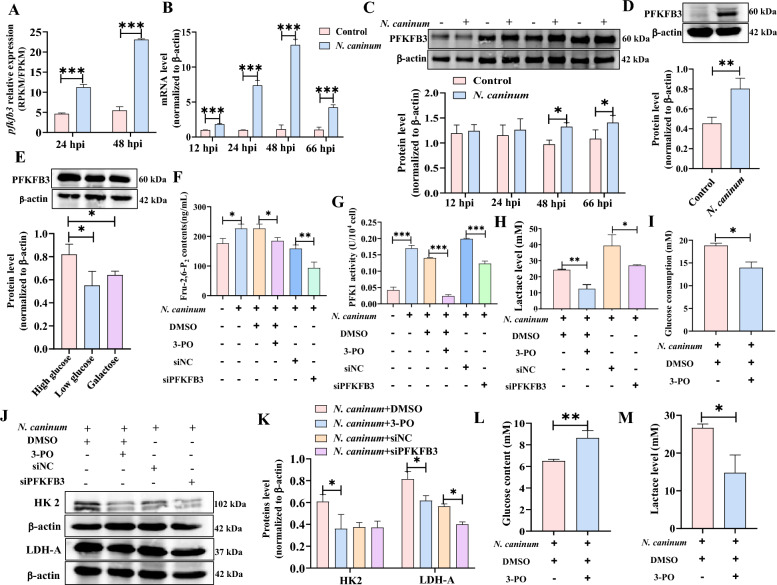 Figure 4
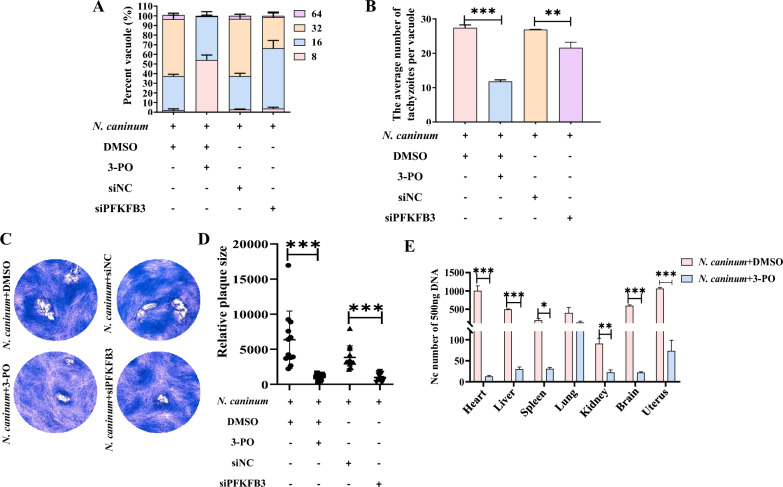 Figure 5
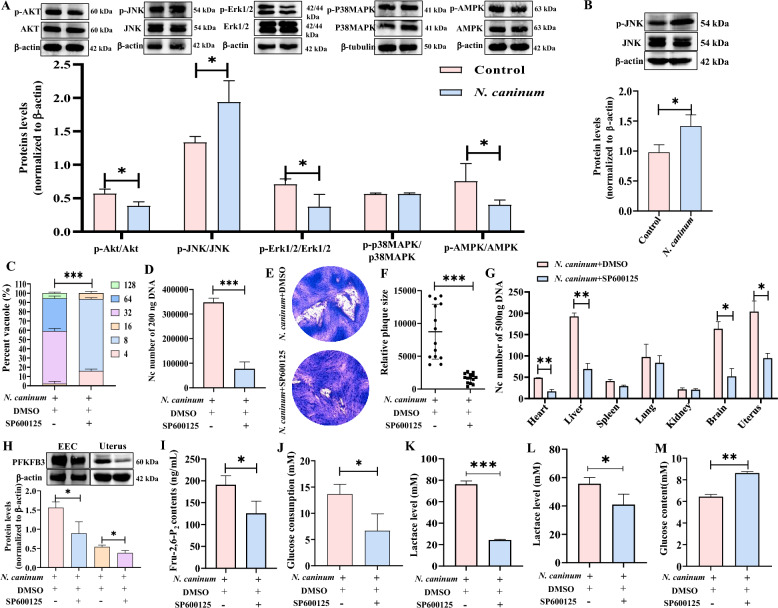 Figure 6
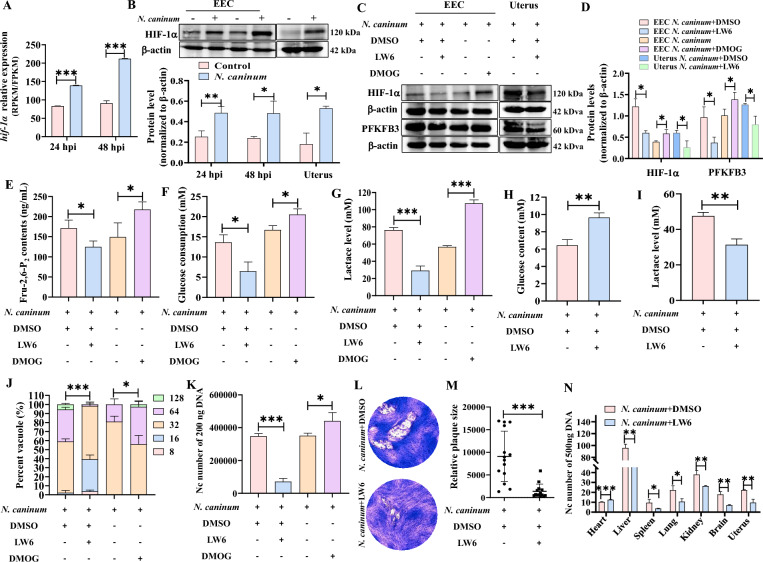 Figure 7
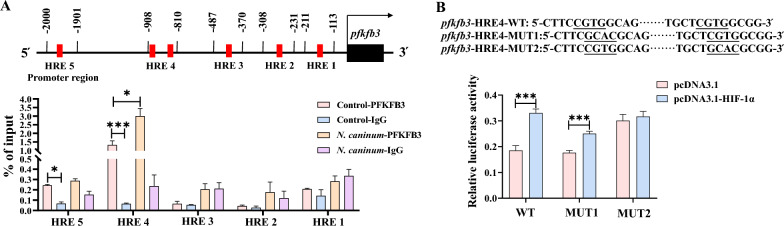 Figure 8
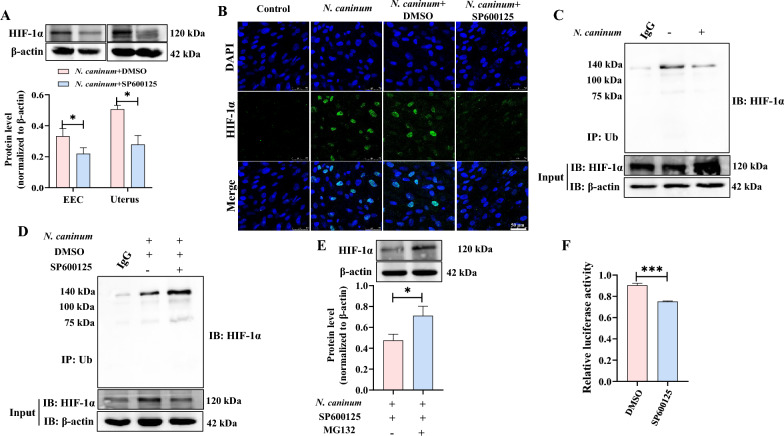 Figure 9
Peer Reviews
No public reviews on file for this paper yet. If you reviewed it on a platform where reviews are public (OpenReview, ICLR, NeurIPS, ICML), you can paste yours below so the community can read it here.
Videos
No videos yet. Explain this paper in a talk, walkthrough, or lecture? Add one.
Taxonomy
TopicsToxoplasma gondii Research Studies · Parasitic Infections and Diagnostics · Polyamine Metabolism and Applications