In silico and structural analysis of Bacillus licheniformis FAO.CP7 pullulanase isolated from cocoa (Theobroma cacao L.) pod waste
Frank Abimbola Ogundolie, Tolulope Peter Saliu, Michael Obinna Okpara, Jacqueline Manjia Njikam, Folasade Mayowa Olajuyigbe, Joshua Oluwafemi Ajele, Gattupalli Naresh Kumar

TL;DR
This study identifies and characterizes a pullulanase enzyme from a Bacillus licheniformis strain found in cocoa pod waste, showing potential for industrial applications.
Contribution
The study reports the molecular characterization of a novel pullulanase gene from a cocoa pod isolate of Bacillus licheniformis.
Findings
The PulA gene encodes a 748-amino-acid pullulanase with a molecular weight of 82.39 kDa and an isoelectric point of 6.47.
The deduced protein contains the YNWGYNP motif characteristic of type I pullulanases and has a hydrophobicity score of −0.37.
The gene can be digested with multiple restriction enzymes, suggesting potential for genetic engineering.
Abstract
Pullulanase (EC 3.2.1.41) is an important debranching enzyme that plays a critical role in maximizing the abundant energy present in branched polysaccharides. Its unique ability to efficiently degrade branched polysaccharides makes it crucial in industries like biofuels, food, and pharmaceuticals. Therefore, discovering microbes that produce pullulanase and thrive in harsh industrial conditions holds significant potential for optimizing large-scale bioprocessing. This unique property has made pullulanase an important enzyme in the industry. Thus, the search for microbes that have the pullulanase production properties and capacity to withstand harsh industrial conditions will be of high industrial relevance. Therefore, this study aimed to amplify, sequence, and molecularly characterize the pullulanase gene encoding extracellular pullulanase in Bacillus licheniformis strain FAO.CP7…
Genes, proteins, chemicals, diseases, species, mutations and cell lines named across the full text — each resolved to its canonical identifier and authoritative record.
Click any figure to enlarge with its caption.
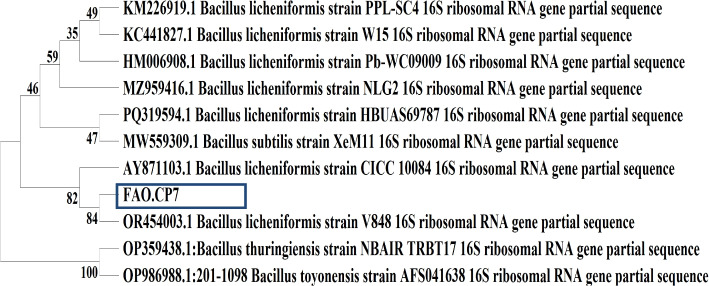 Figure 1
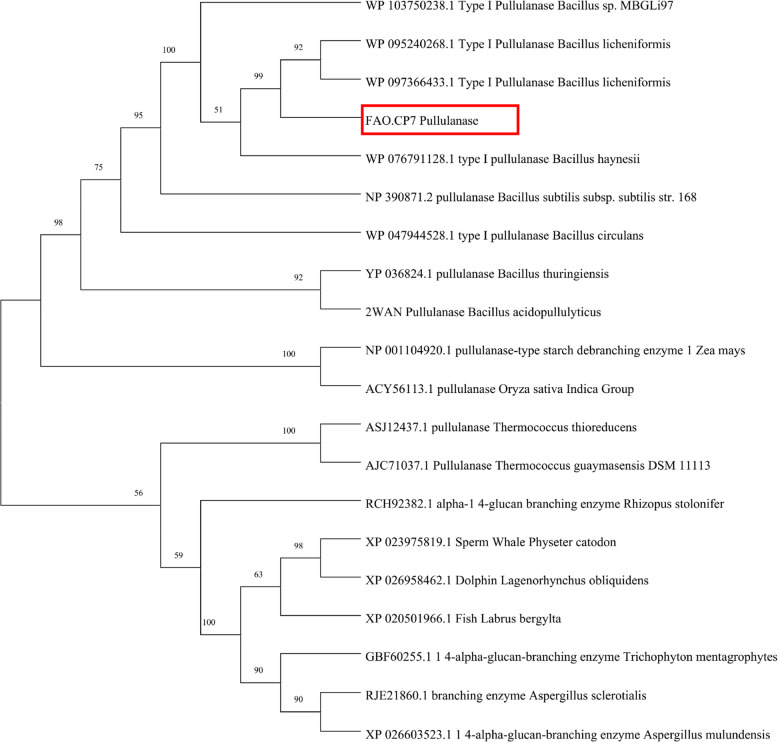 Figure 2
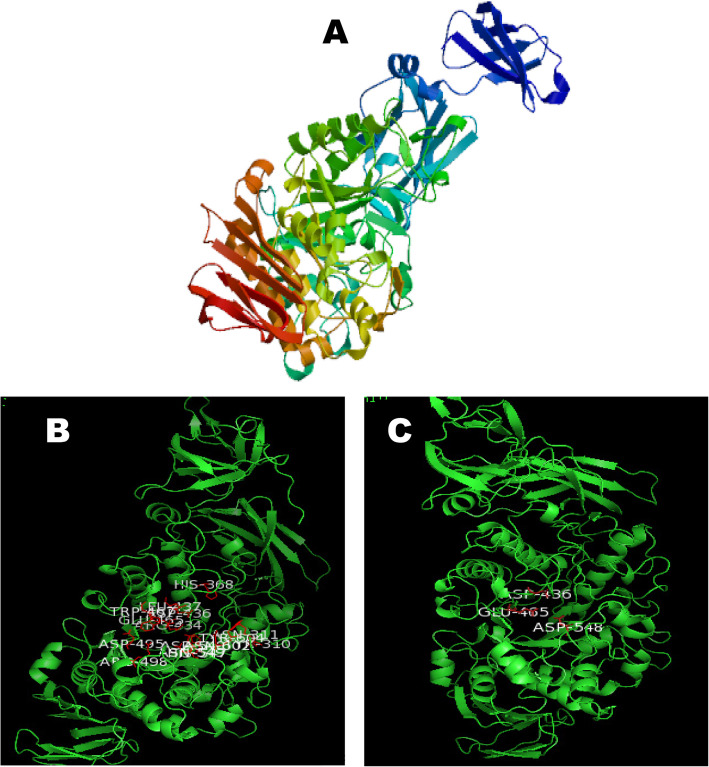 Figure 3
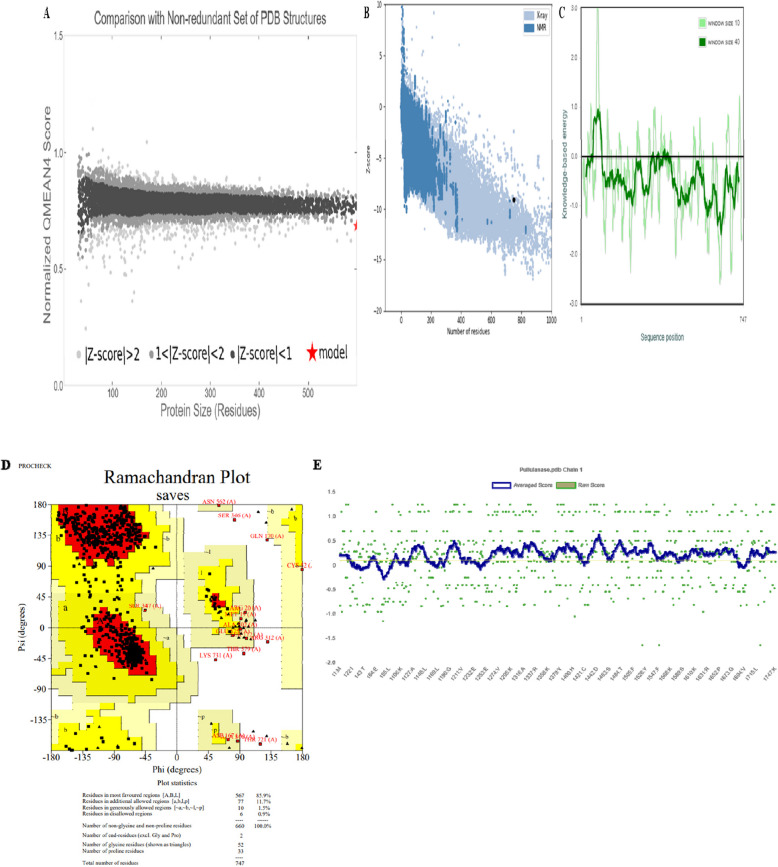 Figure 4
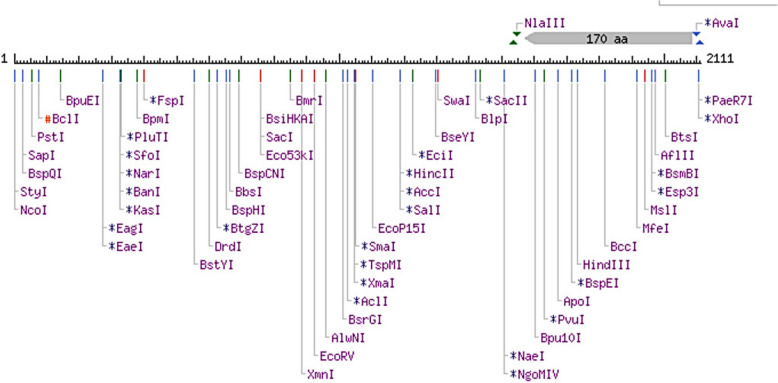 Figure 5
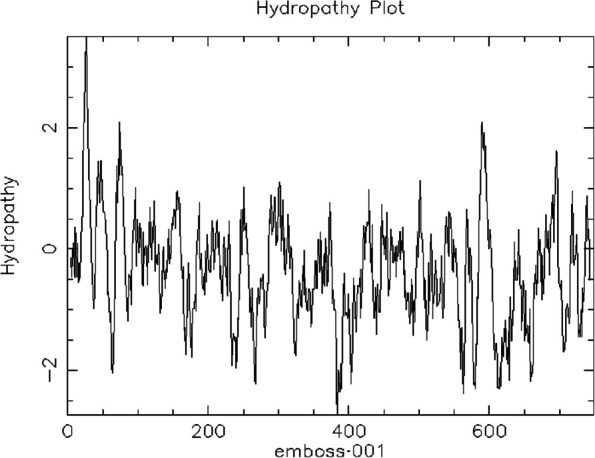 Figure 6
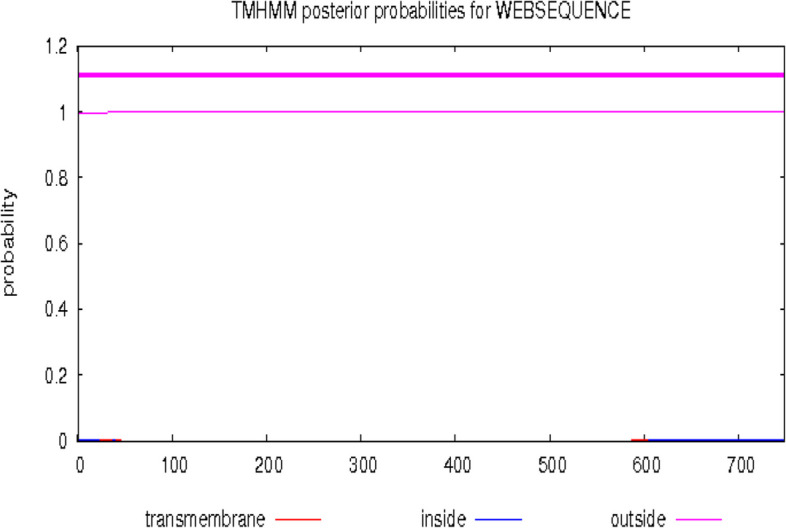 Figure 7
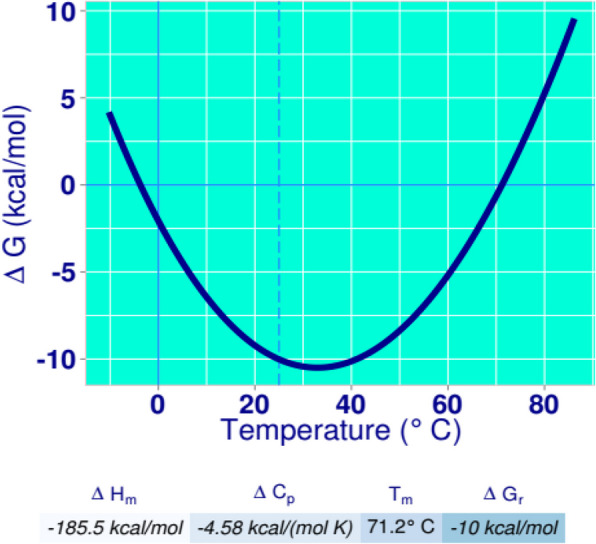 Figure 8
Peer Reviews
No public reviews on file for this paper yet. If you reviewed it on a platform where reviews are public (OpenReview, ICLR, NeurIPS, ICML), you can paste yours below so the community can read it here.
Videos
No videos yet. Explain this paper in a talk, walkthrough, or lecture? Add one.
Taxonomy
TopicsEnzyme Production and Characterization · Biofuel production and bioconversion · Protein Hydrolysis and Bioactive Peptides