Knowledge and comfort predict teaching about sexism in school teachers
Aífe Hopkins-Doyle, Lindsey Cameron, Lauren Spinner, Bridget Dibb, Andrea Kočiš, Rose Brett, Harriet R. Tenenbaum

TL;DR
This study explores why teachers avoid discussing sexism in classrooms and finds that comfort and knowledge are key factors in their willingness to teach about it.
Contribution
The study introduces a new framework combining qualitative and quantitative methods to understand teachers' intentions to address sexism.
Findings
Teachers avoid discussing sexism due to low comfort, knowledge, and perceived support.
Higher comfort and knowledge levels increase teachers' intentions to teach about sexism.
Younger teachers are more likely to intend to teach about sexism.
Abstract
Although lessons about sexism can increase gender egalitarianism in children, teachers often shy away from discussing sensitive topics, such as sexism, in classrooms. We conducted two studies to examine why teachers may not discuss sexism. In a qualitative study with 20 primary school teachers, teachers reported not discussing sexism because of the belief that sexism was not an issue, low comfort, and low knowledge levels in teaching sexism, that sexism was less important than other topics, and not enough support from parents and schools. Teachers taught about sexism to balance out other perspectives, when they had support from authorities, and when sexism was related to a lesson. Using the themes found in Study 1, Study 2 developed quantitative measures to examine the predictors of intentions to teach about sexism among 233 primary and secondary school teachers. The full model found…
Genes, proteins, chemicals, diseases, species, mutations and cell lines named across the full text — each resolved to its canonical identifier and authoritative record.
Click any figure to enlarge with its caption.
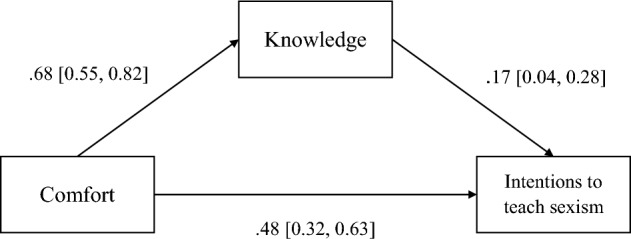 Figure 1
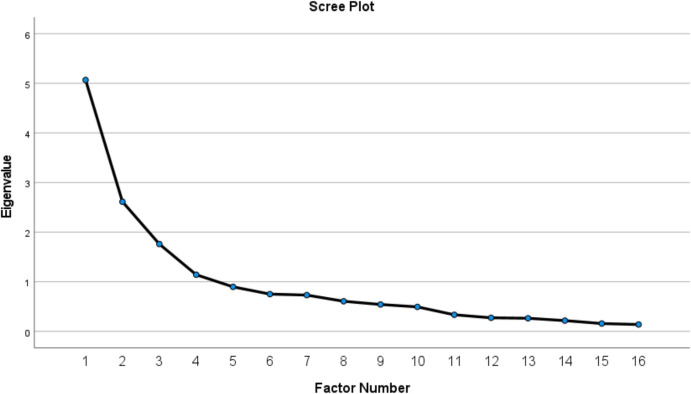 Figure 2
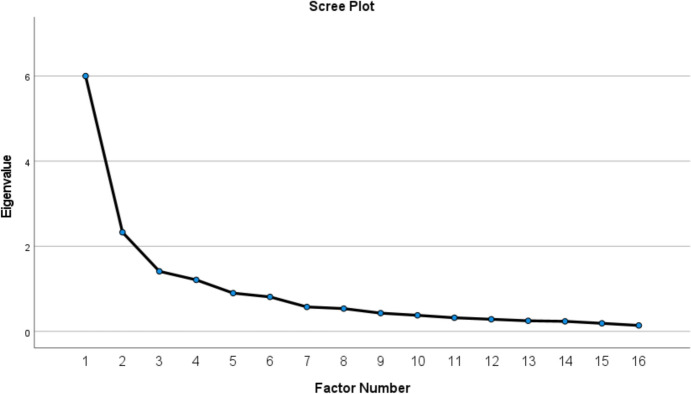 Figure 3
- —http://dx.doi.org/10.13039/501100000269Economic and Social Research Council
- —http://dx.doi.org/10.13039/100010665H2020 Marie Skłodowska-Curie Actions
Peer Reviews
No public reviews on file for this paper yet. If you reviewed it on a platform where reviews are public (OpenReview, ICLR, NeurIPS, ICML), you can paste yours below so the community can read it here.
Videos
No videos yet. Explain this paper in a talk, walkthrough, or lecture? Add one.
Taxonomy
TopicsGender Roles and Identity Studies · Gender Diversity and Inequality · Critical Race Theory in Education
Knowledge and comfort predict teaching about sexism in school teachers
According to the United Nations (2015), a sustainable future relies on gender equality (Goal 5, Sustainable Development Goals). Sexism, defined as stereotyping, prejudice, and discrimination based on gender, is a pressing barrier to achieving equality (Leaper & Spears Brown, 2015). In schools, children’s subject choices, academic beliefs, and achievement are impacted by gender stereotypes (Bian et al., 2017; Leaper, 2015; Starr et al., 2023). These stereotypes constrain behaviour and learning, and limit future educational and occupational aspirations (Leaper, 2015). Given that the goal of formal education is to create equitable opportunities for all (United Nations, 2015), schools are an ideal location for an intervention to combat gender inequality and sexism. Explicit lessons can reduce bias between social groups (Skinner & Meltzoff, 2019). Thus, school-based interventions can be used to reduce gender stereotyping (Aboud et al., 2012; Beelmann & Heinemann, 2014; Spinner et al., 2021), but teachers may not consistently employ interventions to reduce sexism. In two studies, the present research investigated whether teachers reported delivering lessons on sexism, which includes lessons on gender stereotypes, as well as what teachers perceived as the barriers and incentives on their intentions to teach sexism in the future.
Schools are often places where sexism and gender stereotypes are taught and reinforced through differential treatment of students (Gajda et al., 2022; Jovanovic & King, 1998; Kelly, 1988; Sadker & Sadker, 2010). Part of the reason may be that teachers themselves hold gender stereotypes or may not be aware of the stereotypical messages they communicate (Gajda et al., 2022). For example, when 7–8th grade teachers in Poland discussed gender with 13- to 14-year-old students in their school lessons, they tended to discuss historical sexism and role models (e.g. women as engineers) to combat gender stereotypes, but sometimes teachers would implicitly support gender stereotypes in their classroom lessons (Gajda et al., 2022). Indeed, to counteract gender stereotypes in the classroom, teachers encouraged children to act in gender non-conforming ways (e.g., asking the girls to be more ambitious) without acknowledging that some of these behaviours stem from gender stereotypes and roles, and that there are costs to acting in counter-stereotypical ways (Navarro et al., 2016).
Directly countering children’s stereotypes in the classroom by teaching about sexism is an effective means of reducing children’s gender stereotypes. In an intervention study, teachers counteracted children’s views about gender by teaching them to recognise sexism (Spinner et al., 2021). After four months of lessons, 6- to 10-year-old children felt more similar to the other gender and had more flexible beliefs about who could perform a range of gender-stereotyped occupations compared to a control group of students who did not learn about sexism. These findings suggest that lessons about sexism from teachers help to dispel beliefs about gender stereotypes.
Given the effectiveness of teaching about sexism, how frequently do teachers conduct lessons about sexism? Kaufman et al. (2024) compared US 3rd to 5th grade (children aged 8–11 years) teachers’ opinions about group discrimination based on gender, wealth, native language, religion, and race. Although teachers reported that wealth, native language, and race impacted educational outcomes, they did not believe that religion or gender impacted educational outcomes. Most teachers believed that discussing race (88%) and language (84%) was a good use of time with fewer believing that discussing religion (73%), wealth (66%), and gender (67%) was a good use of time. Following from their beliefs, teachers reported that they were most likely to discuss race and native language (Kaufman et al., 2024) than gender, wealth, or religion at least twice a term. Likewise, in a study looking solely at teachers’ beliefs about gender in Northern Ireland, 70% of primary school (children aged 4–11 years) teachers believed that they should challenge gender stereotypes in the classroom (Gray & Leith, 2004).
Less research has looked at why teachers may discuss sexism and gender stereotypes. Recently, a small qualitative study of 13 British Year 4–5 (children aged 8–10 years) teachers found that most believed that gender stereotypes were an important issue in primary school, that children in primary school were aware of stereotypes, and that children developed gender stereotypes in primary school (Gilchrist & Zhang, 2022). To our knowledge, there is no other research focused on understanding why teachers may choose or not choose to discuss sexism in the classroom.
Because of the limited evidence regarding the frequency and predictors of teaching lessons about sexism specifically, we draw on research about race/ethnicity-based discrimination to explore why teachers may choose or not to address sexism with students. Much of this research comes from the US. In one study, preschool (children aged 4–5 years) to second grade (children aged 7–8 years) teachers reported that they thought it was important to discuss race and felt comfortable doing so. At the same time, about 70% did not discuss race. Teachers argued that they chose not to discuss race because children were colourblind so it was not needed (despite their own reported evidence to the contrary), their own comfort levels discussing race, time, other topics that needed to be covered in the curriculum that have a higher priority than race, and the belief that it is parents’ responsibility to discuss race (Vittrup, 2016). Parents may play a central role in teachers’ decisions (Delale-O’Connor & Graham, 2019). Although more than 85% of pre-K (3–4 years) to high school (14–18 years) US pre-service and in-service teachers reported that it was important to discuss race, only about 30% thought that parents would be supportive.
Across two samples of kindergarten (aged 5) to high school (aged 18) US teachers, teachers had lower intentions to discuss race when they had higher implicit biases and were anxious of appearing racist (Tropp & Rucinski, 2022). However, reported school support was not related to decisions about whether to discuss race in the classroom. In contrast, Kaufman et al. (2024) found that higher school support, the belief that race affected education, and having a malleable theory of prejudice all influenced teachers’ decisions to discuss racism in the classroom. In sum, it seems that teachers’ comfort, concerns about time, teachers’ own views, and thinking it is their responsibility influences talk about race, whereas school support is a more equivocal predictor. Although we cannot generalise from race to gender, similar beliefs may underly teachers’ beliefs about discussing sexism in the classroom.
The present studies
To understand why teachers may address sexism with students, we conducted two studies using an explorative sequential mixed methods design. Because of limited research, our first study was a qualitative investigation following a phenomenological epistemology with 20 teachers asking about their past experiences of teaching about sexism. We also asked teachers under what conditions they taught about sexism and the resources they would need to do so. Based on this study, we developed quantitative measures to predict teachers’ intentions to teach about sexism.
Study 1
Method
Participants
Participants consisted of 20 primary school teachers (5 men; 15 women) from England (n = 13) and Wales (n = 7) teaching in state schools recruited from social media and snowballing methods. Teachers taught children aged 4–11 years. We interviewed 20 teachers based on research (Guest et al., 2006) suggesting that 12–20 interviews are needed for saturation. Nineteen of these teachers were White British or White Other. We had some information about the diversity of 19 schools and the type of community in which the school was located for 17 schools from what teachers mentioned during the interviews. Nine teachers taught in ethnically diverse schools, and ten taught in schools with low diversity. The ethnically diverse schools tended to be composed primarily of children from Afghani, Indian, Pakistani, and Somali immigrant families who were Muslim. The teachers reported that the schools with low diversity tended to include about 10% of children from non-White British backgrounds. Ten teachers taught in suburban regions, five in a large city, and two in more rural areas.
Materials
We used one-to-one semi-structured interviews. Semi-structured interviews allow the opportunity to build rapport with the participant that facilitates conversation and allows detailed questioning and exploring of the topic. The interviews, guided by the interview schedule, explored whether teachers had taught lessons about sexism. The interviewer asked teachers to define gender stereotypes and sexism, whether they taught children about gender stereotypes and sexism, how they taught about these topics, where they obtained the resources to teach children about gender stereotypes and sexism, how children responded, what deters teachers from teaching these topics, and whether parents could be barriers to teaching these topics. The interview also included a discussion on race stereotypes and racism with children. However, this research presents only the gender stereotypes and sexism-related themes. The entire interview protocol may be found at https://osf.io/csyp4/?view_only=f84e0229a8314f429165d69aefd45a4e (see “original” tab).
Procedure
The University of Surrey provided ethical clearance for this study (FHMS 21–22 072 EGA). Prior to the main study, we piloted our interview script with two additional teachers (labelled Participant 1 and 2) and then modified the interview. Their data was not used. Participants were interviewed over MS Teams and received a £20 voucher. The interviews were conducted by the sixth author and lasted about an hour. Consent was gained at the time of the interview and the interview ended with a debriefing. All interviews were transcribed.
We analysed the transcripts using Thematic Analysis following the 6 steps suggested by (Clarke & Braun, 2021). The last and fifth author initially read through the transcripts and, using open coding, analysed the transcripts taking an inductive approach, which was then checked again by the last and fourth author in an iterative process. We clustered the codes into themes and subthemes.
Results
Four themes were developed from the data: Theme 1 Barriers to Teaching Lessons on Sexism (with 7 subthemes), Theme 2 Reasons to Teach Lessons on Sexism (with 3 subthemes), Theme 3 Past Experiences Teaching Lessons on Sexism (with 4 subthemes), and Theme 4 Resources Teachers Needed (with 3 subthemes). Table 1 displays the themes and subthemes.Table 1. Master table of themesThemeSubthemeTheme 1: Barriers to Teaching Lessons on Sexism1.1: ‘It’s not an issue’1.2: Teachers’ own views1.3: Teachers’ comfort1.4: Teachers’ knowledge1.5: Less important than other topics1.6: Giving in to parental pressure1.7: Roadblocks from schoolsTheme 2: Reasons to Teach Lessons on Sexism2.1 Need to balance out other opinions2.2 Support of authority figures2.3 Related to a lessonTheme 3: Past Experiences Teaching Lessons on Sexism3.1 Teaching about general stereotypes3.2 Teaching about toys3.3 Teaching about occupations3.4 Teaching about domestic jobs and rolesTheme 4: Resources Teachers Needed4.1 Video Recordings4.2 Discussion questions4.3 Vocabulary
Theme 1: barriers to teaching lessons on sexism
We developed this theme from the large number of comments that participants made in response to being asked what stops them from teaching sexism in class. Teachers identified a range of reasons why they would not teach lessons on sexism. We classified these reasons into seven subthemes. We describe each subtheme supported by quotes from the participants. Appendix A displays longer quotes as noted by an asterisk.
Subtheme 1.1: It’s not an issue
This subtheme showed that many teachers did not perceive sexism to be an important issue. Participants commented both on their own views and their perceptions of other teachers. For example, Participant 14 relayed, “Because I don't want to make an issue of something when it isn't really an issue.” Discussing other teachers, Participant 5 observed, “I think for some people they don't really see it as an issue.”
Two comments referred specifically to sexism not being an issue in primary school because of strategies put in place to ensure boys and girls are treated in the same way with similar opportunities. Sexism was perceived as more of an issue for secondary schools. For example, Participant 15 remarked, “I think when it comes to sort of sexism and gender equality, I don't notice it to be too much of an issue in the primary school…”.*
Thus, many participants did not view sexism as an issue that affected students in the primary years. Participants argued that they had not noticed sexism as a problem in schools and so concluded that it was not an issue. Teachers worried that if they were to teach about sexism, it would increase the salience of gender.
Subtheme 1.2: teachers’ own views
Teachers may not have perceived sexism as an issue because of their own beliefs. In this subtheme, participants made explicit comments that showed their beliefs and prejudices toward teaching sexism. In this subtheme, teachers expressed their own values and discussed their perceptions of the values held by their colleagues.
Participant 21, below, gave an example of how some staff refuse to engage in some school-wide inclusive behaviours due to their own prejudices, “I've had one teacher at work that's extremely religious and we've got the pride.., the LGBTQIA + flag—there's little pins, the management, we all wear them. And she wouldn't have one because she told me she hates gay people.”*
Other participants discussed their own views, such as Participant 15 who described not being aware of sexism having bothered anyone. For this, the teacher concluded that one should not over accommodate for sexism either, “not to go too far the other way either… not that it's ever been brought to my attention, it’s ever bothered any other children if you say right can I have the boys here and the girls there.”*
The quotes above suggest that there may be a range of reasons why the teachers thought that they should not address sexism, ranging from not being aware of its importance to being openly hostile to addressing these issues. This theme highlighted that teachers are also embedded in microsystems with specific values and beliefs.
Subtheme 1.3: teachers’ comfort
This subtheme was related to subtheme 1.2, teachers’ own views, and was mentioned by many teachers, who reported that they felt uncomfortable discussing sexism in the classroom. For example, Participant 20 spoke about how they considered sexism as a sensitive topic. Thus, they argued that teachers were fearful of bringing the subject up, “they're scared of saying something wrong.”* Other participants echoed this fear.
While one teacher spoke of the fear of offending, Participant 7 discussed teachers feeling restricted in what they feel able to do and say, as a result of their fear of saying the wrong thing “teachers don't want to make a mistake and say the wrong thing and that can really inhibit what you do.” Participant 21 reported that teachers may feel generally uncomfortable with the topic, “they don't feel comfortable asking those questions”. Thus, many teachers felt apprehensive about teaching about sexism.
Subtheme 1.4: teachers’ knowledge
Part of the reason that teachers may not have felt comfortable was because they judged that they were often lacking knowledge, including appropriate language, needed to discuss sexism. Indeed, many teachers mentioned that they lacked enough information and the appropriate vocabulary. Participant 15, for example, argued that they would feel uncomfortable because “not using the correct language.” These concerns were mentioned by several participants, for example, Participant 5 spoke of worries, “I worried when I was teaching more sensitive issues about whether I was using the right terminology. …And yeah, and just generally feeling ill equipped.”
Participant 10 revealed that they felt they did not know enough and would want more training first, “I'm not informed enough about it as well. I think it could be that it's probably [a] lack of information on my part umm and I've never seen it really delivered before.”
Participant 11 thought that they would more likely teach about sexism if they had better resources to help them with selecting appropriate vocabulary, “like a crib sheet for teachers.”*
Subtheme 1.5: less important than other topics
The first four subthemes refer more to internal than external factors. This subtheme could be internal or external in that teachers may personally think that maths and English are more important or that others (e.g., school administration) think that these subjects are more important. In this subtheme, participants suggested that even if sexism were something that should be taught, there were more important topics to address that took precedence over the teaching of sexism. For example, Participant 11 alluded to core subjects being more important than teaching sexism. Indeed, this teacher argued that the goal of school was to teach these subjects and not address sexism beliefs, “really, it's (teaching sexism) not a massively high level of priority, you need to get your maths or English.” Participant 17 similarly argued, “they just think that there are other things that are more important.”* Here teachers conceded that while sexism might operate in primary schools, other topics that needed to be covered took precedence. Teachers in our sample have a national curriculum that they need to follow, which may crowd out their ability to teach other topics.
Subtheme 1.6: giving in to parental pressure
The participants were also concerned about how parents might react to some of the lessons. Participant 5 supported the notion that parents could intimidate teachers from teaching sexism. As they said, “a lot of teachers are very scared of parents and, like, parent backlash.” Their views were often based on previous experiences, such as Participant 22, recounted a negative experience where parents objected and the teachers obliged, “Parents …said ‘I don't want my son to be exposed to this umm in our religion, this is disgusting’”* These quotes revealed that the views and behaviour of parents impacted on what teachers taught. Moreover, in some cases teachers were ‘scared’ of how they approached sessions on sexism and gender because of parents’ beliefs.
Some participants held the view that part of the reason some teachers were afraid of parents was based on what teachers perceived as the influence of cultural norms or religious beliefs in the families of the children they taught. Teachers did not always perceive that these groups shared liberal values about gender equality. Participant 13 exemplified this tension with an example of gender norms within some families in which mothers continued to not work outside the home after children had entered formal schooling. As she recounted, “we kind of like try and promote like ohh ‘you don't have to just be like get married and be a mum as girls you should have dreams of your own’”. She explained that communicating such messages was in contrast to what children saw in their families when, “the majority of their mothers stay at home even once the children have gone to school, they don't work.
The same participant also referred to their perception of the influence of religion on children’s gender stereotypes. She mentioned a child who would tell other children, “*‘oh, they should stay at home, that they shouldn't be doing this, they shouldn't be doing that. You don't do this because otherwise you're going to hell.’”** Here the teacher discussed that the family’s gender stereotypes, rooted in religion, were repeated by a child in the class. These teachers tended to teach in ethnically diverse schools with many immigrant families. Given that the majority of the teachers were mostly White British, there may have been cultural differences between teachers and parents leading to a lack of communication.
Subtheme 1.7: roadblocks from schools
Despite the backlash from parents and parents’ views, teachers argued that if they had support from the schools, they felt they would be able to teach sexism in the classroom. However, many argued that school management went beyond not supporting them and instead obstructed teachers. Participant 13 explained that she believed that she was not able to teach this topic because her senior leadership team (SLT) insisted on reviewing anything teachers said about sexism or gender first, “ Our SLT have said to us, like, do not answer…and then you'd have to check with SLT what it [answer] is like.”* Participant 17 provided another example of how school management prevented the teaching of sexism in the classroom. This example showed that addressing this problem needs to go beyond the individual teacher and include the institution. As she recounted, “I'd planned a lesson on, umm, ah, gender identities discrimination… and the head teacher said, “Do not teach that lesson”.”* These two teachers among others explicitly discussed barriers to being able to teach about sexism in schools based on school management preventing this teaching.
Theme 2: reasons to teach lessons on sexism
We developed this theme based on comments where teachers mentioned why they had decided to teach about sexism in class. Teachers often discussed a need to counteract existing narratives, times when they received support from different authorities in children’s lives that made them believe that they should teach about sexism, and when they felt it was necessary because it was related to another topic. We discuss these themes in more detail with examples below.
Subtheme 2.1: need to balance out other opinions
Teachers reported concerns that children would learn inappropriately from media and parents. Teachers felt it was their duty to teach children so that their learning was informed. Participant 11, for example, explains their unease about children learning information from social media, “understand the world they live in, rather than just be swayed again by social media…generally teaching is about how we make critical minds.”* Participant 19 echoed these concerns with, “would you rather they went on the internet and found out a load of nonsense… would you rather be the appropriate adult who gives them guidance?”* In other words, teachers believed that they had a role to play in society.
Participants also spoke about the need to support and teach children when parents did not. Participant 9 described it as a ‘duty’ to challenge children’s beliefs. The teacher explained, “Basically, a second parent, like, you have that duty to teach them that. Especially, I think, if their parents are against it…”.
Subtheme 2.2: support of authority figures
In this subtheme, teachers mentioned that they taught lessons on sexism because of the support of parents and/or schools. As a result of this support, they felt comfortable teaching these lessons, which is a contrast to subtheme 1.7 in which teachers did not feel support from authority and did not teach about sexism.
For example, Participant 11 recounted a conversation with a parent where we can see how she felt positive in response to hearing she had support from the parent:Like, I wasn't sure she was gonna say she's like, I love that. Like, I'm always talking about that with him. Like, she said, you talk about feminism too. And I was like, yes, literally all time, like, you're doing my job for me. Like, love that.
Participant 3 explained that her school would support her, “As a school, I'd say we're all very kind of similar opinion that we want the children to understand what is right to say and what children … get upset by.” And finally, Participant 10 knew that their, “head will protect us very much about it very much”. As a result of this support, this teacher was not afraid to teach about sexism.
Subtheme 2.3: related to a lesson
In this final subtheme, teachers relayed that they taught sexism because it was directly relevant to something they taught rather than being an additional lesson. Typically, these consisted of short parts of a lesson or comments during a lesson. For example, Participant 4 reported that she ensured she reminded students about historical changes in gender role when discussing the Anglo Saxons. She recounted that, “women's job were to either have children or to sew. And the men's job was to go and … cut down trees and hunt, etcetera. And I always end it with, ‘But we know that's not the case now’.”* Participant 7 similarly recounted how a history lesson evolved into a discussion about gender stereotypes, “I’m teaching like history or something literally like talking about Romans. It probably was …And then we talked about stereotypes like that”.
This participant continued, “I would address it and I and we have some really good conversations that come out of that because they are interested by it.”*
As Participant 6 mentioned, sexism was woven into lessons rather than a separate lesson. The participant recounted, “So I think we touch upon it, but we don't call it necessarily sexism and we don't have a lesson about it. I think we just have it sort of woven in to what we do.” In fact, the participant did not refer to sexism at all when describing the lesson.
Theme 3: past experiences teaching
In addition to teachers discussing reasons why they thought they should teach lessons on sexism, teachers also spoke about when they had taught about sexism in their classes. Teachers primarily had taught lessons that focused on broad stereotypes, and gender stereotypes in terms of toys, jobs, including domestic roles and manual jobs. Teachers tried to challenge children’s beliefs to demonstrate new ways of approaching these topics.
Subtheme 3.1: teaching about general stereotypes
Teachers often taught about general stereotypes to their students. They often spoke about having a debate and asking students if they agreed with stereotypes. In this theme, teachers did not always name the particular stereotypes in the interviews or named a few stereotypes.
Many, such as Participant 22, explicitly addressed the children’s stereotypes in what the teacher considered age-appropriate terms and led discussions across six lessons. The teacher explained to the children that a stereotype might be that, “all girls like pink, all boys like blue… girls are gonna be more emotional, but boys aren't allowed to be emotional.” The discussion focused on challenging these so that children understood that they did not have to follow these stereotypes.* Participant 13 similarly mentioned challenging stereotypes with the upper end of primary school. As they related, “so it's basically about giving them stereotypes that they already have embedded and then challenging them.”
Through their lessons, teachers tried to dispel children’s stereotypes. Teachers worried about the effects of not teaching children to challenge stereotypes early enough so that children’s understanding of how to disprove stereotypes was ‘embedded’. Participant 19 recounted, “So I feel like it needs to be taught younger… so they can start to embed it in their mind.”*
All these teachers believed that supporting children to challenge sexism and dispel stereotypes was critical in primary school. Subtheme 3.1 discussed here, included general stereotypes rather than more specific stereotypes, which is the focus of the remaining subthemes in this theme.
Subtheme 3.2: teaching about toys
Many teachers helped students understand that children should be allowed to play with any toy that they wanted rather than being restricted to toys stereotyped for a particular gender. For example, Participant 21 led a discussion with young children to help them understand that their gender did not limit the toys with which they could play, “all the other children were saying, Oh, no, but that you know, that's for girls.”* The teacher explained that she liked to play with dinosaurs to help the children understand that gender should not limit toy choices.
Participant 15 challenged stereotypes with actual toy catalogues that have started to challenge gender norms to make her points concrete to young children. As they reported “you can also see in catalogues where you might have girls playing on the superheroes page or boys playing with the dolls.” By using this example, children were able to see counter-stereotypical pictures. Participant 16 also used the real-life example of her daughter to help children challenge these stereotypes. She asked them who would play with different toys and then explained that her daughter liked to play with masculine-stereotyped toys to help them understand that children can play with a range of toys.* Many teachers used the tangible example of toys, central in children’s lives, to help them understand that they did not have to follow stereotypes.
Subtheme 3.3: teaching about occupations
Like toys, children may have stereotypes about occupations. Teachers mentioned a variety of methods from role play to discussion of role models to teach children to expand their occupational stereotypes.
With young children, teachers created materials for play that counteracted stereotypes about occupations. For example, Participant 8 explained that they used the role play area to challenge stereotypes, “it might be a shop or a house or like a, you know, GP, that kind of thing. I had, like, a mixture of, like races and genders … some nurses that were also not just like white women.”* Here the teacher discussed an intersectional approach to changing stereotypes with young children.
With older children, many teachers mentioned leading discussions with children to help them debate stereotypes about occupation. For example, Participant 17 recalled a time when they asked students to draw a doctor or a nurse and found that “99% of the time” children drew a white female for the nurse and a white male for the doctor. The participant recounted that these used the activity as a “a stimulus for our discussion point.”* In this example, the teacher employed children’s stereotypes as a springboard for discussion, which then acted as a mechanism for debate. In this way, the stereotypes originated from the children.
Another way that teachers tried to get children to see beyond stereotypes was using role models. Participant 16 mentioned, “And then, you know, we've ensured that we have chosen that name, it is May Jamison, the first female black astronaut in space.” By focusing on a particular person, teachers demonstrated to children that not all individuals followed the stereotype. Across occupations, teachers mentioned a variety of ways in which they supported children to think beyond stereotypes.
Subtheme 3.4: teaching about domestic jobs and roles
Related to occupations outside the home were the domestic roles and jobs that people often have within the family. Teachers helped children question what they typically saw in their families. In this subtheme, teachers again used concrete examples and drew on children’s funds of knowledge by having them examine what went on in their own families. For example, Participant 11 discussed a lesson based on children’s experiences getting the children to think about their own lives. They asked children, “Why does Mummy have to do the washing up? Why does Mummy have to do the cooking? … Is that something dad could do?”* The teacher was able to help the children realise that either parent could do these jobs, and it was only because of stereotyping that one parent was more likely than the other parent to engage in these tasks.
In two cases, such as this quote by Participant 5, teachers used examples of a range of families to challenge stereotypes. Sometimes the teachers felt a little wary of doing this, linking to the first theme where teachers were not always comfortable teaching sexism. The teacher recounted a time when they selected different pictures of families (i.e., some same-sex parents), but added, “But I do remember we were quite edgy about putting it out.”*
In this subtheme, teachers focused on children’s knowledge to try to change their stereotypes about roles in the family. Across this theme, teachers taught lessons about sexism to challenge children’s stereotypes to make them more open to a range of toys, occupations and roles.
Theme 4: resources teachers needed
We ended our interviews by asking teachers which resources they would want or need to help them to teach about sexism in the future. Many answers were idiosyncratic, but the resources broadly fell into three types of categories, which included video recordings, discussion questions, and vocabulary.
Subtheme 4.1: video recordings
Teachers believed that video recordings would help them explain information to children in an accessible way. Moreover, they argued that videos were less prevalent than other resources. As Participant 9 recounted, “There definitely aren't videos out there, and I think there can be, but sometimes they're more focused on secondary school.” They argued that it was important to have videos of real people that reflect what happens in the real world, rather than cartoons. For example, Participant 22 argued that children needed, “actual real people doing these videos and explaining how they feel.”* Participant 16 similarly wanted video recordings with “people they can relate to” and those that allow interaction, that would, “[have] space for discussion within it not just the teacher doing all the talking.”** This teacher wanted recordings that were interactive.* The teachers emphasised that the videos should lead to discussion rather than creating a static resource. The need for resources to develop discussions came up in Subtheme 4.2.
Subtheme 4.2: discussion questions
In this subtheme, teachers mentioned the need for interactive resources and discussions to help them address sexism with children. Teachers frequently used constructive methods rather than didactic methods to work with children. As Participant 5 confirmed, “Not tell them what to think, but find out what they think and they can kind of discuss it with each other. So question prompts would be really nice.” Other teachers concurred with this viewpoint. Indeed, Participant 21 believed that it would be helpful to have, “But yeah, having those those questions and having a big discussions always really, really helpful”. Teachers wanted to engage children in discussions to help them understand this topic. Another example is Participant 20 who believed that discussion questions would help them. They argued, “Either prompts like, easy, like child friendly ways to explain things. So I know how I would do it. But because I'm higher up in the school, I can go into more detail. And we can talk about more things because they're older”.
Subtheme 4.3: vocabulary
This subtheme was related to Subtheme 1.4 Teachers’ Knowledge. Given that teachers felt that not having the appropriate knowledge, such as vocabulary, was a barrier, it follows that they would ask for such a resource. Participant 7 was explicit about the language that they would need. “I think giving them [the children] some of that vocabulary that they can then access would be really good. So words like sexism and misogyny.” Participant 20 echoed the need for children to have activities that helped them to learn the vocabulary, “maybe, like, different age, or age appropriate definitions, potentially age appropriate things. And then I'd say just activities, activities to kind of embed it in them, because I don't feel like there's a lot..”
Like subtheme 1.4, teachers voiced concerns that they did not know how to discuss the topic appropriately without this resource. Teachers felt, like Participant 4, that “Because the generations have completely changed in terms of what's politically correct and what's not in terms of language.” Teachers wanted children to learn, but did not want to make mistakes in what they taught the children.
Discussion
This study examined teachers’ perceptions of why they had taught students about sexism. We coded four main themes in teachers’ interviews, which included barriers to teaching sexism in class, reasons to teach sexism in class, past topics teaching sexism, and what resources they would like to teach about sexism. Through in-depth, individual interviews with teachers, we were able to extend the research on ethnicity and race in teachers’ talk (Kaufman et al., 2024; Tropp & Rucinski, 2022) to understand in more detail when teachers choose to teach about sexism.
The first three themes involved discussions of barriers to and reasons for teaching sexism as well as when they had taught about sexism. The first theme focused on why teachers chose not to teach about sexism. Teachers mentioned that they did not believe sexism was an issue and often cited their own or other teachers’ views that they personally did not support ending sexism. They also spoke about their comfort and knowledge levels. Teachers were also concerned about fitting sexism into the topics that they needed to teach (that sexism was less important than other issues). Finally, many teachers were concerned about parents and school leadership. At the same time, teachers also noted reasons to discuss sexism in class. In the second theme, teachers reported that they discussed sexism when they believed that they should balance out other people’s opinions to expose children to different perspectives, when they had the support of authorities, and when sexism was related to a topic that they were teaching. Indeed, many teachers reported that they taught about sexism. In the third theme, teachers mentioned teaching about stereotypes, toys, occupations and domestic roles. Children often hold stereotypes about toy choices, which may constrain their activities and learning (Leaper, 2015). Children also frequently have gender-stereotyped interests (Weisgram et al., 2010), which may stem from their beliefs about who should perform some occupations (Liben et al., 2002).
Finally, we asked teachers about resources that they would like that would support them in teaching about sexism. Teachers mentioned that they believed that video resources, discussion questions, and vocabulary would be helpful. These resources are related to teachers’ concerns about lacking knowledge or feeling comfortable enough to teach about sexism. We found additional barriers to discussing sexism in the classroom than had been reported in quantitative research about discussing gender (Kaufman et al., 2024).
Although this study was able to develop a more in-depth understanding of why teachers discussed sexism as well as extend the research to understand how we can support teachers in these endeavours, it is not without limitations. This study included 20 teachers, so it is difficult to know if these reasons generalise beyond our sample especially because we mostly recruited through social media. Moreover, it was confined to primary school teachers. In fact, in the first subtheme (1.1: ‘It’s not an issue’), many teachers argued that teaching about sexism was something that belonged in secondary school rather than primary school because often young children were not aware of gender differences. We wanted to see, thus, whether secondary school teachers agreed with this viewpoint. Beyond sample constraints, there are also potential psychological beliefs that could influence teachers’ intentions to discuss sexism with children and influence the reasoning that emerged in our qualitative analysis. For example, research shows that people who endorse hostile and benevolent sexism are more likely to perceive the gender status quo as fair (Becker & Wright, 2011; Jost & Kay, 2005). However, the primary purpose of this qualitative study was to inform the design of Study 2 where we measure the main themes arising in Study 1 to determine their association with decisions to teach sexism.
Study 2
Study 2 examined the perceived factors predicting teachers’ future intentions to teach sexism in the classroom. Study 1 focused on primary school teachers’ current behaviour and identified barriers and incentives to teaching sexism. Building upon Study 1, we developed questionnaire measures to quantitively assess intentions to teach sexism, and the barriers and incentives to addressing sexism in the classroom. In this way, we were able to extend the findings of Study 1 by including a large range of reasons that we had developed through our interviews with teachers. In addition, we investigated the potential role of teachers’ personal beliefs and ideologies, which were highlighted in Study 1, on intentions to teach about sexism. Indeed, research on whether teachers discuss racism finds that implicit bias predicts discussions (Tropp & Rucinski, 2022). For this reason, we examined the influence of teachers’ hostile and benevolent sexism (Glick & Fiske, 2018) and sexism socialisation (i.e., the belief that addressing sexism with children is important; Hilliard & Liben, 2020). Finally, we also extended our sample to include secondary as well as primary teachers. A broader sample allowed an assessment of the potential common and unique factors predicting intentions to teach about sexism across school levels.
Based on Study 1, we hypothesised that teachers’ intentions to teach sexism in the future would be predicted by (1) higher endorsement of the belief that sexism remains an issue, (2) higher sexism socialisation beliefs, (3) higher levels of comfort in teaching sexism, (4) higher levels of knowledge about sexism, (5) lower levels of parental pressure, (6) higher levels of school support, (7) higher levels of thinking teachers have a role to play in society, (8) higher levels of believing that the topic is relevant to lessons, (9) lower levels of thinking that the topic was too politically sensitive, and (10) lower levels of benevolent sexism, and (11) lower levels of hostile sexism. The hypotheses were pre-registered. We also explored the influence of teacher level (primary or secondary), age, and number of years of experience as well as controlled for teacher gender.
Method
Participants
Participants comprised 233 current teachers (34 men, 199 women; 133 primary, 18 level unspecified, 82 secondary school). Teachers had taught for a mean of 13.54 years (SD = 7.72) and were 39.45 years old (SD = 9.18). A G*Power calculation (version 3.1) (Faul et al., 2007) calculated that to run a regression with 11 predictors at a power of 80% and alpha of 0.05 with a small to medium effect size (f = 0.08), a total of 221 participants was needed. To account for participants dropping out, an extra 10% were added which made a total of 243 participants needed. Our effect size estimate was based on Tropp and Rucinski (2022). They found that teachers’ intentions to discuss race was nonsignificant with school support, had a correlation of 0.16 with implicit bias, and a correlation of 0.48 with teachers’ confidence, which led us to estimate a small to medium effect size. However, there were only 233 British teachers who completed the study after one month on Prolific. One teacher incorrectly reported their age as 16, which we treated as missing and used listwise deletion for analyses involving age.
Materials
Teachers rated all items listed below from 1 (strongly disagree) to 5 (strongly agree), except Ambivalent Sexism. Intentions to teach sexism was our key outcome variable. All other variables were treated as predictors. Variables were keyed such that higher scores indicated a greater presence of that attribute. Some items were reverse scored. We created Intentions to Teach Sexism, Sexism Remains an Issue, Comfort Teaching Sexism, Knowledge about the Topic, Parents’ Pressure, School Support, Politically Sensitive, Role in Society, and Relevance based on Study 1. See Appendix B for details of exploratory factor analyses for these measures.
Intentions to teach sexism
Teachers rated their intentions to teach sexism in the future on four items (e.g., “I intend to discuss sexism with my class”) (α = 0.86).
Sexism remains an issue
Teachers rated the degree to which sexism remains an issue on four items (e.g., “Sexism is still a serious issue.”) (α = 0.77).
Sexism socialisation beliefs
We developed a measure based on Hilliard and Liben (2020). We assessed teachers’ beliefs that it is important to discuss sexism with children on seven items (e.g., “It is important to address sexism directly with children.”) (α = 0.89). The measure was originally created in respect of parents. We replaced “parents” in the items with “teachers”. We did not use the first item and final four items in the Hilliard and Liben scale to create a more targeted measure. We also added two items that were more similarly worded to the other items.
Comfort teaching sexism
Teachers rated their comfort levels teaching sexism on four items (e.g., “I fear I would say the wrong thing if I taught about sexism.”) (α = 0.74). Three items were reverse scored.
Knowledge about the topic
Teachers rated whether they perceived that they had enough knowledge about the topic on four items (e.g., “I am not familiar with the appropriate vocabulary for teaching lessons about sexism.”) (α = 0.86). All items were reverse scored so that higher scores indicated more knowledge.
Parental pressure
Teachers rated whether they perceived that parents supported the teaching of sexism on three items (e.g., “Parents would perceive teaching lessons about sexism as inappropriate.”) (α = 0.96). Higher endorsement indicates greater parental pressure to not teach about sexism. We removed a fourth item after conducting a factor analysis.
School support
Teachers rated whether they perceived that their school supported the teaching of sexism on four items (e.g., “My school leadership would back me if anyone complained that I taught about sexism.”) (α = 0.80). Two items were reverse scored.
Politically sensitive
Teachers rated their beliefs that the topic would be too politically sensitive to teach on three items (e.g., “Sexism is too political a topic to be taught in school.”) (α = 0.80). We removed a fourth item due to a low alpha (α = 0.69).
Role in society
Teachers rated whether they thought that teachers should play a role in society (e.g., “Teachers should play a role in making changes towards achieving gender equality.”) (α = 0.82). One item was reverse scored.
Relevance
Teachers rated whether they would discuss the topic if was relevant to what they were teaching on four items (e.g., “I would discuss sexism if it came up naturally.”) (α = 0.91).
Ambivalent sexism inventory (Glick & Fiske, 2018)
We assessed agreement with benevolent (e.g., “Women should be cherished and protected by men.”) (α = 0.79) and hostile (e.g., “Feminists are making unreasonable demands of men”) (α = 0.90) sexism with 6 items each (Rollero et al., 2014). Teachers rated their agreement with the statements from 0 (strongly disagree) to 5 (strongly agree).
Procedure
We received ethical clearance from the Faculty of Health and Medical Sciences at the University of Surrey (FHMS 22–23 111 EGA). We pre-registered the study on the Open Science Framework (https://osf.io/csyp4/?view_only=f84e0229a8314f429165d69aefd45a4e) and uploaded the questionnaire and data to the website. However, we renamed two variables from our pre-registration. We renamed higher importance of teaching sexism to sexism remains an issue and less fear that parents will not approve to parental pressure. We also had planned that teacher gender would be an exploratory variable. Because of the small number of men, we entered teacher gender as a control rather than an exploratory variable. We recruited teachers on Prolific. Teachers took a mean of 10 min, 18 s (SD = 6 min, 2 s) to complete the questionnaire. After agreeing to participate, teachers completed information about their gender, which grade they taught, and their age. Next, they completed the measures described in the materials section. They ended by reporting whether they had ever taught about sexism previously and selected which types of materials from a list they would like created to teach about sexism.
Results
Descriptive statistics
About half (n = 121, 51.9%) of the teachers reported having taught lessons on sexism previously. A one-sample t-test (against the mid-point) indicated that teachers were more likely to agree than disagree that they would discuss sexism in the future with children, t(232) = 8.76, p < 0.001, d = 0.83. Further independent samples* t*-tests for intentions to teach sexism in the future showed no differences by teacher gender, age (> or < median age = 38), or years teaching (> or < median years = 13), all ps > 0.09. Table 2 displays the materials teachers reported wanting. More than 50% of teachers selected real-life examples, slides, discussion prompts, videos, vocabulary, and ideas for role-play.Table 2. Resources teachers would likeTaught about sexism (n = 121)Have not taught about Sexism (n = 112)N%N%Real-life examples9679.348172.32Slides9477.687970.54Discussion prompts9276.038273.21Videos8570.257768.75Vocabulary6654.556860.71Role-play scenarios5142.155650Role models5041.324035.71Pictures4033.062623.21Lesson Plans3831.415044.64Guides3730.584237.50Websites with information3730.583026.79Worksheets3528.933127.68Books3024.792320.54Posters2319.012522.32
Hypotheses testing
We conducted correlation analyses to examine relations between intentions to teach about sexism and the predictor variables. As expected, teachers’ intentions to teach sexism were related to higher endorsement of the belief that sexism is an issue, higher levels of sexism socialisation beliefs, higher levels of comfort, higher perceived knowledge, higher levels of school support, higher levels of wanting to play a role in society, and higher levels of relevance. Intentions to teach were related to lower levels of thinking that the topic was too politically sensitive as well as lower levels of benevolent and hostile sexism. Table 3 displays the correlations between all variables.Table 3. Means and correlations of intentions to teach sexismVariablesM**SD12345678910111213141. Intentions to Teach3.480.8312. Issue4.000.620.4813. Sexism Socialisation4.000.620.630.5114. Comfort3.690.780.560.400.5115. Knowledge2.950.940.440.220.330.5616. Parental Pressure3.120.91− 0.09− 0.04− 0.10− 0.27**− 0.3117. School Support3.310.820.310.150.300.360.41**− 0.2118. Politically Sensitive1.750.74− 0.48− 0.47**− 0.57**− 0.59**− 0.34**0.33− 0.2019. Role in Society4.160.640.550.570.650.480.20− 0.130.16− 0.55110. Relevance4.360.580.500.390.600.520.32− 0.190.19− 0.580.54111. Hostile Sexism0.970.96− 0.39− 0.51**− 0.35**− 0.35**− 0.22**0.13− 0.090.51**− 0.49**− 0.36112. Benevolent Sexism1.240.91− 0.27− 0.33**− 0.20**− 0.24**− 0.140.18**− 0.160.39**− 0.37**− 0.310.58113. Gender1.140.35− 0.11− 0.01− 0.10− 0.090.07− 0.050.030.01− 0.02− 0.020.070.03114. Years Teaching13.547.72− 0.05 < 0.01− 0.030.110.07− 0.080.08− 0.030.020.05− 0.05− 0.11− 0.03115. Age39.559.07− 0.12− 0.02− 0.06− 0.110.04− 0.120.09− 0.04 < − 0.010.01− 0.04− 0.15*− 0.040.75**There are 199 women and 34 men in the sample.p < 0.05; *** p < 0.01
To test our focal hypotheses regarding the predictors of teachers’ intentions to teach sexism (outcome variable) we ran regression analysis with all other variables as predictors. Age and years of teaching were also included as exploratory variables, and gender as a control variable. To maximise sample size, we did not include Teacher Level (primary or secondary teaching) because of the number of participants who did not specify level (n = 18). Instead, we carried out sub-sample analyses with available data for primary and secondary school teachers separately (see below). Before conducting the regression, we confirmed that there were no outliers using Cook’s distance and VIF (Field, 2018). The overall regression model was statistically significant, F (14, 215) = 19.02, p < 0.001. Table 4 displays full model statistics. When all variables were entered simultaneously, higher levels of sexism socialisation beliefs, higher levels of comfort, higher levels of knowledge, greater beliefs that teachers have a role to play in society, and being younger uniquely predicted intentions to teach sexism. There were no other significant predictors (all ps > 0.05).Table 4. Regression coefficients predicting teachers’ intentions to teach sexism in classBSEβtP95% CI BConstant− 250.63− 3.970.69− 1.500.98Issue0.120.080.091.500.13− 0.040.28Sexism Socialisation0.340.100.263.56 < 0.0010.150.53Comfort0.170.070.162.320.020.030.32Knowledge0.170.050.193.180.0020.060.27Parental Pressure0.080.050.081.620.11− 0.020.17School Support0.070.050.071.310.19− 0.040.18Politically Sensitive0.010.080.010.130.89− 0.150.17Role in Society0.190.090.142.030.040.010.37Relevance0.080.090.060.920.38− 0.100.26Hostile Sexism− 0.030.06− 0.03− 0.600.60− 0.140.08Benevolent Sexism− 0.060.05− 0.07− 1.190.26− 0.170.05Gender− 0.190.11− 0.80− 1.720.09− 0.400.03Years Teaching0.010.010.050.700.48− 0.010.02Age− 0.020.01− 0.18− 2.460.01− 0.03 < − 0.01R^2^0.56Adjusted R^2^ = 0.52
To further explore potential differences in the factors influencing primary and secondary school teachers’ intentions to teach about sexism we ran sub-sample analyses. First, we conducted between-groups* t*-tests followed by correlation and regression analyses split by teacher level (primary vs secondary). Independent t-tests showed that secondary school teachers reported greater knowledge of sexism, t(213) = − 2.98, p = 0.003, d = 0.42, 95% CI [− 0.70, − 0.14], and primary school teachers reported greater perceived political sensitivity to teaching about sexism t(213) = 2.42, p = 0.016, d = 0.34, 95% CI [0.06, 0.62]. All other comparisons were non-significant (all ps > 0.08). The same pattern of correlations was found between intentions to teach about sexism and our predictors among both primary and secondary teachers. Tables 5 and 6 display these correlations. Follow-up regression analyses were conducted separately for primary and secondary teachers. Table 7 displays these statistics. For primary teachers, the overall model was significant F(14, 116) = 9.11, p < 0.001. Sexism socialisation beliefs, knowledge, and age were the only significant predictors. For secondary school teachers, the overall model was significant F(14,66) = 7.98, p < 0.001, but only sexism remains an issue and gender were significant predictors. Note that these regression models are underpowered and that the correlations with intentions to teach followed the same patterns in the subsample analyses for primary and secondary school teachers.Table 5. Means and correlations of intentions to teach sexism in primary school teachersVariablesM**SD12345678910111213141. Intentions to Teach3.430.7812. Issue3.930.570.3713. Sexism Socialisation3.990.580.610.4514. Comfort3.680.760.500.330.4115. Knowledge2.800.900.430.150.290.5716. Parental Pressure3.240.91− 0.12− 0.01− 0.10− 0.32− 0.4317. School Support3.350.770.280.050.300.360.46**− 0.2618. Politically Sensitive1.860.77− 0.45− 0.41**− 0.48**− 0.54**− 0.310.38− 0.2419. Role in Society4.130.550.510.550.670.400.19*− 0.130.10− 0.51110. Relevance4.290.620.460.310.580.500.25**− 0.170.13− 0.500.50111. Hostile Sexism1.050.93− 0.34− 0.49**− 0.32**− 0.28**− 0.230.21− 0.030.49**− 0.39**− 0.29**112. Benevolent Sexism1.320.91− 0.19− 0.31**− 0.17**− 0.12− 0.080.23**− 0.080.38**− 0.26**− 0.260.49113. Gender1.090.29− 0.03− 0.03− 0.08− 0.050.13− 0.070.02− 0.060.040.01− 0.030.03114. Years Teaching13.537.760.010.05− 0.030.180.10− 0.08− 0.020.020.080.01− 0.11− 0.13− 0.02115. Age39.959.461− 0.080.08− 0.04− 0.210.09− 0.160.02− 0.070.110.04− 0.10− 0.21* < − 0.010.73There are 121 women and 12 men in the sample. p < 0.05; p < 0.01Table 6Means and correlations of intentions to teach sexism in secondary school teachersVariables*MSD*12345678910111213141. Intentions to Teach3.520.9412. Issue4.060.690.5913. Sexism Socialisation4.000.680.640.5514. Comfort3.700.820.630.510.6215. Knowledge3.180.960.420.230.320.5816. Parental Pressure2.990.870.01 < 0.01− 0.05− 0.17− 0.0617. School Support3.230.910.310.210.23*0.320.36**− 0.1618. Politically Sensitive1.610.70− 0.52**− 0.53**− 0.73**− 0.71**− 0.330.21− 0.1419. Role in Society4.180.760.580.610.610.570.16− 0.060.17− 0.64110. Relevance4.440.500.570.510.680.620.35**− 0.070.29**− 0.730.64111. Hostile Sexism0.871.02− 0.44**− 0.55**− 0.42**− 0.47**− 0.17− 0.03− 0.160.59**− 0.64**− 0.46112. Benevolent Sexism1.170.92− 0.37− 0.35**− 0.26*− 0.39**− 0.180.06− 0.300.39− 0.55**− 0.380.69113. Gender1.240.43− 0.190.04− 0.11− 0.10− 0.03− 0.040.110.13− 0.04− 0.070.140.02114. Years Teaching13.787.75− 0.14− 0.13− 0.07− 0.060.02− 0.060.21− 0.06− 0.070.110.06− 0.09− 0.04115. Age39.168.40− 0.21− 0.17− 0.14− 0.09− 0.03− 0.060.160.02− 0.19− 0.040.07− 0.07− 0.040.82There are 62 women and 20 men in the sample. *p < 0.05; *** p < 0.01Table 7Regression coefficients predicting teachers’ intentions to teach sexism in class for primary school teachers (left-hand pane) and secondary school teachers (right-hand pane)Primary School Teachers (n = 132)Secondary School Teachers (n = 82)*BSEβtp95% CI BBSEβt**p95% CI BConstant0.160.820.200.84− 1.451.78− 1.731.56− 1.110.27− 4.841.38Issue− 0.010.12− 0.01− 0.080.94− 0.240.220.330.150.242.240.030.040.62Sexism Socialisation0.390.140.292.790.010.110.660.360.180.262.020.05 < 0.010.72Comfort0.170.100.171.690.09− 0.030.370.220.160.191.410.16− 0.090.53Knowledge0.190.080.232.520.010.040.350.110.100.121.150.26− 0.080.31Parental Pressure0.110.070.131.600.11− 0.030.240.060.090.050.660.51− 0.120.24School Support0.020.080.020.300.77− 0.130.180.100.100.101.000.32− 0.100.29Politically Sensitive− 0.070.10− 0.07− 0.740.46− 0.270.120.190.220.140.860.39− 0.240.62Role in Society0.210.140.151.540.13− 0.060.490.180.170.151.090.28− 0.150.52Relevance0.050.110.040.480.64− 0.170.270.160.250.090.670.51− 0.330.65Hostile Sexism− 0.050.07− 0.06− 0.680.50− 0.190.090.090.130.100.740.46− 0.160.35Benevolent Sexism− 0.050.07− 0.06− 0.690.49− 0.180.09− 0.120.12− 0.12− 1.020.31− 0.370.12Gender− 0.090.18− 0.03− 0.500.62− 0.030.27− 0.390.17− 0.18− 2.280.03− 0.74− 0.05Years Teaching0.010.010.121.230.22− 0.010.03− 0.010.02− 0.06− 0.400.69− 0.040.03Age− 0.020.01− 0.23− 2.340.02− 0.07 < .− 01− 0.010.02− 0.08− 0.540.59− 0.040.02R*^2^0.5240.623
Exploratory analyses
To explore the potential links between comfort and knowledge highlighted in Study 1, and in our correlational analyses, we conducted some additional exploratory analyses of indirect effects between intention to teach sexism (Y) and comfort levels (X), via knowledge (M) using the Process macro for SPSS (model 4, 5000 bootstrapped re-samples; v4.1, Hayes, 2018). The overall model was significant F(2, 230) = 57.24, p < 0.001, R^2^ = 0.33. There was a significant indirect effect via knowledge, b = 0.11, 95% Bootstrapped CI [0.03, 0.20]. Participants’ comfort levels significantly increased their knowledge which in turn increased their intentions to teach about sexism. See Fig. 1 for individual paths. Finally, given the differences in primary and secondary school teachers, we tested a moderated-mediation model. The model was the same as before with the addition of teacher level (primary or secondary) entered as a moderator (model 58, 5000 bootstrapped re-samples). There were no significant interactions on any of the individual paths (all ps > 0.06) but there was a conditional effect of the moderator on the indirect effect. For primary school teachers, the indirect effect of comfort on intentions via knowledge was significant, b = 0.12, 95% Bootstrapped CI [0.02, 0.23], whereas for secondary school teachers it was non-significant b = 0.05, 95% Bootstrapped CI [− 0.10, 0.24]. Given the small number of secondary school teachers in the sample these effects should be interpreted with caution.Fig. 1. Analysis of indirect effects between comfort and intentions to teach sexism via knowledge. Coefficients and confidence intervals are bootstrapped (5000 resamples)
Discussion
Study 2 extended Study 1 by asking a larger sample of primary and secondary school teachers about their intentions to teach about sexism. In the correlational analyses, and largely consistent with expectations, teachers’ intentions to teach about sexism were related to higher endorsement of sexism socialisation beliefs, believing sexism remains an issue, higher levels of comfort and knowledge, higher levels of school support, higher levels of thinking that they have a role to play in society, higher levels of believing that the topic is relevant to lessons, lower levels of thinking that the topic was too politically sensitive, and lower levels of benevolent and hostile sexism. These findings were replicated in correlational analyses conducted separately for primary and secondary school teachers. When all predictors were entered in the model, teachers had higher intentions to teach about sexism in the future when they were high on sexism socialisation beliefs, when they felt more comfortable and knowledgeable about sexism, and when they were younger. We also conducted sub-sample regression analyses. We found that for primary school teachers, high sexism socialisation beliefs, higher knowledge, and being younger predicted intentions, but comfort followed the expected direction of effects. For secondary school teachers, believing that sexism remains an issue and being a woman predicted intentions. Higher sexism socialisation beliefs were a marginal predictor of intentions to teach about sexism in the future among secondary school teachers. We also asked teachers if they had ever taught about sexism; slightly more than half of the sample had taught about sexism in the classroom. We discuss these findings in relation to past literature.
Not surprisingly, teachers had higher intentions to teach about sexism when they had higher sexism-socialisation beliefs (the belief that teachers should prepare children for sexism) (Hilliard & Liben, 2020). In a study focused on US university students’ perspectives using this measure, 65% of young adults believed that parents should prepare children for sexism (Hilliard & Liben, 2020). Teachers in our study seem more likely to endorse the belief that they should discuss sexism than students did in Hilliard and Liben (2020). The different identity, teacher versus student, and their related levels of cultural experience might explain this difference. At the same time, in our study younger teachers were more likely to discuss sexism than older teachers suggesting that age is unlikely to explain differences between the present findings and Hilliard and Liben (2020). Future research may wish to explore an explanation for the difference.
Similar to Vittrup’s (2016) explanation of why teachers avoid discussions of race, teachers’ comfort levels predicted intentions to teach sexism. One reason may be that teachers reported that they did not have enough knowledge to teach about sexism. Higher comfort with sexism may support teachers in gaining additional knowledge. Exploratory indirect effects analysis showed that teachers’ greater comfort was associated with greater intentions to teach about sexism via increased knowledge about sexism. Further, moderated-mediation analyses indicated that this effect might be particularly important for primary school teachers, who reported less comfort than secondary school teachers (albeit replication with a larger sample of secondary teachers is needed). If teachers feel comfortable teaching sexism, they may seek out additional resources. Thus, creating resources, such as real-life examples, slides, and videos may increase the numbers of teachers willing to discuss sexism with children. Alternatively, knowledge may increase comfort, or they may have bi-directional influence. Longitudinal research may be able to confirm the direction of these effects.
Disconfirming our hypotheses, school support and parental pressure were unrelated to intentions to discuss sexism. Although school support sometimes predicted decisions to discuss race/ethnicity (Kaufman et al., 2024), it is not a consistent predictor (Tropp & Rucinski, 2022). Part of this reason may be that teachers in the UK may feel more protected in teaching about sexism because relationship and sex education is statutory as part of the National Curriculum in England (Department for Education, 2019). As a result, teachers may have felt less concern about parental pressure. Alternatively, being concerned about parental pressure may be confined to teaching children from particular backgrounds rather than a larger issue. Future research needs to examine how teachers’ concerns about parental pressure is related to school composition. This study suggests a range of reasons that may influence teachers’ decisions to discuss sexism with students.
General discussion
Using qualitative and quantitative methods, we examined barriers and incentives in teachers’ intentions to teach about sexism. Study 1 enabled an in-depth analysis of why and how teachers decide to teach about sexism, an understudied area of research. Building on in-depth semi-structured interviews enabled us to generate and, in Study 2, test hypotheses about the importance of different factors in teachers’ decisions. Across both studies, the barriers centred on teachers’ lack of knowledge and comfort. Some of these reasons mirror why teachers do not discuss race. For example, teachers shied away from teaching about race when they did not feel comfortable (Delale-O’Connor & Graham, 2019; Vittrup, 2016). In Study 1, teachers did not think parents would approve of teachers discussing race (Delale-O’Connor & Graham, 2019). Specific to this study, the main facilitator was the belief that teachers should address sexism (sexism socialisation beliefs). We discuss these issues in relation to previous research and provide suggestions for future research and practice.
Awareness seems to be a central component of past teaching about sexism (Study 1) and intentions to teach about sexism (Study 2). In Study 1, awareness (i.e., Subthemes 1.1: It’s not an issue and 1.2: Teachers’ own views) was reported as a key perceived factor of whether participants had taught about sexism. Likewise, in Study 2, higher sexism socialisation beliefs and knowledge predicted intentions to teach about sexism. Sexism socialisation constitutes showing an awareness that sexism is a problem, that children need to be prepared to deal with it, and that it is a teachers’ role to address sexism and prepare students. People are often unaware that sexism continues to be an issue (Ashburn-Nardo & Karim, 2019). Some forms of sexism are easier to recognise as prejudice than others (Friesem & Levchak, 2019). For example, hostile sexism (e.g., overt discrimination and stereotypes) is easier to recognise than benevolent sexism (e.g., subtle views that may appear positive but reinforce gender inequality) (Hopkins-Doyle et al., 2019). In addition, these subtle forms of sexism, defined as hidden forms of unequal and unfair treatment based on gender, are less likely to be labelled as sexist (Friesem & Levchak, 2019). Further research is needed to examine the specific types of sexism teachers are familiar with and categorise as prejudice.
Another reason why sexism may be difficult to identify is the belief that boys and men may be disadvantaged (Anderson, 2015; Zehnter et al., 2021). Views about reverse sexism are becoming more prevalent and may inhibit awareness of the effects of sexism on girls and women. Our assumption is that teachers who recognised sexism were motivated to dispel its effects. Future research could ask teachers specifically about whether sexism continues to exist.
In addition, teachers who scored lower on hostile and benevolent sexism in the correlational but not regression analyses were more likely to report higher intentions to discuss sexism in the future. This finding mirrors research that shows lower implicit racial biases predict higher likelihood of discussions about race (Tropp & Rucinski, 2022). However, our findings suggest that when other factors are considered, hostile and benevolent sexism do not retain their predictive power. There may be important differences in how teachers approach discussions about sexism and racism, especially given that teachers believe that race affects educational outcomes more than gender (Kaufman et al., 2024).
In concert, the present studies also suggest that knowledge and comfort are key facilitators to teaching about sexism (Study 1) and intentions to teach about sexism (Study 2). The importance of knowledge and comfort were reflected in the resources teachers discussed across studies. In Study 1 (Theme 4), teachers highlighted videos, discussion prompts, and vocabulary, and this was consistent with teachers in Study 2 who endorsed these resources in additions to real-life examples as being most useful. The present findings are in line with previous work showing teachers felt uncomfortable teaching about sexism (Commeyras et al., 1997), and in a related intergroup context, race, teachers reported anxiety about appearing racist (Tropp & Rucinski, 2022). One possible explanation is that comfort could increase intentions to teach about sexism via greater knowledge. Exploratory findings of Study 2 lend some support to this assertion—showing that in the context of sexism, greater comfort increased intentions to address sexism with students via increased teacher knowledge. Further research is needed to replicate the indirect effect of knowledge, but this is a possible mechanism through which increased comfort can influence intentions to address sexism in the classroom.
There were some inconsistencies in the pattern of findings across studies. Some of the perceived issues mentioned in the qualitative study were not statistically significant when all factors were considered in the larger statistical model. However, that these factors did not predict intentions in the full model does not render them meaningless. Instead, it highlights that these issues are important for some teachers but not others. These differences may occur because some issues are less proximal for teachers at the aggregate level when different factors are considered at the same time. Future research could examine whether some issues prevent particular groups of teachers (e.g., urban, primary school teachers) from teaching about sexism.
Limitations
In addition to differences between studies, we also found some differences between primary and secondary school teachers in Study 2. For example, primary school teachers reported greater perceived political sensitivity than did secondary school teachers, whereas secondary school teachers reported greater knowledge than primary school teachers did. There were also different patterns by level in the regression models, but not in the correlation analyses. Our sample was underpowered to conduct regression models separately by level of teaching, so these findings need to be interpreted with caution. Our study also used new measures to assess barriers and facilitators to teach about sexism. Factor analyses showed the expected four factor structure for measures developed from Themes 1 and 2 in Study 1, and all scales demonstrated very good reliability. However, given the small number of teachers and the heterogeneity of levels taught further research is needed to validate the questionnaire (Elson et al., 2023). Another limitation was that Study 1 only included primary school teachers. Future research needs to examine differences between primary and secondary school teachers’ views with a larger sample using mixed-methods approaches.
Implications
Across both studies, knowledge was a central factor for intentions to teach about sexism. This finding points to a concrete implication with clear actions for practitioners, teachers, and principals. We recommend that preservice educators provide teachers with knowledge and resources through dedicated training. Evidence from Turkiye suggested that incorporating gender equity courses for preservice teachers was effective in increasing teachers’ desire to teach about sexism (Erden, 2009). Following from our findings, perhaps knowledge will increase teachers’ willingness to address sexism in the classroom.
On a positive note, personal ideological beliefs about hostile and benevolent sexism do not influence teachers’ intentions when other factors were considered. However, it should be noted that our sample of teachers in Study 2 scored very low on hostile sexism, and below the mid-point on benevolent sexism. Thus, among teachers with already low levels of sexism, our findings suggest that supporting teachers through knowledge-based training to teach about sexism may be effective. Further research is needed to examine how these processes might function among teachers with greater endorsement of ambivalent sexism.
Conclusion
In sum, teachers’ intentions to teach about sexism were mainly predicted by their beliefs about their knowledge, comfort, and sexism socialisation beliefs across two studies. Pre-service and in-service training may be conducted to increase teachers’ knowledge about the topic, which may have the potential to increase teachers’ comfort and sexism socialisation beliefs. Increased comfort could also lead teachers to seek out additional knowledge creating a virtuous circle that would foster teachers’ willingness to teach about sexism. Given that explicit lessons about sexism increase children’s gender flexibility (Spinner et al., 2021), we need to support teachers to contribute to a more egalitarian and sustainable future.
The reference list from the paper itself. Each links out to its DOI / PubMed record.
- 1Becker, J. C., & Wright, S. C. (2011). Yet another dark side of chivalry: Benevolent sexism undermines and hostile sexism motivates collective action for social change. Journal of Personality and Social Psychology, 101(1), 62–77. 10.1037/a 002261510.1037/a 002261521355657 · doi ↗ · pubmed ↗
- 2Commeyras, M., Alvermann, D., De Groff, L., Stanulis, R., & Hankins, K. (1997). Educators’ stances toward gender issues in literacy. In Paper presented at the Annual Meeting of the American Educational Research Association (March 1997). [ED 407 669]
- 3Jost, J. T., & Kay, A. C. (2005). Exposure to benevolent sexism and complementary gender stereotypes: consequences for specific and diffuse forms of system justification. Journal of Personality and Social Psychology, 88(3), 498–509. 10.1037/0022-3514.88.3.49810.1037/0022-3514.88.3.49815740442 · doi ↗ · pubmed ↗
- 4Leaper, C. (2015). Gender and social-cognitive development. In Handbook of child psychology and developmental science: Cognitive processes, Vol. 2, 7th ed. (pp. 806–853). Wiley. 10.1002/9781118963418.childpsy 219
- 5Liben, L. S., Bigler, R. S., & Krogh, H. R. (2002). Language at work: Children’s gendered interpretations of occupational titles. Child Development, 73(3), 810–828. 10.1111/1467-8624.0044010.1111/1467-8624.0044012038553 · doi ↗ · pubmed ↗
- 6Pett, M. A., Lackey, N. R., & Sullivan, J. J. (2003). Making sense of factor analysis: The use of factor analysis for instrument development in health care research. Sage.
- 7Rollero, C., Peter, G., & Tartaglia, S. (2014). Psychometric properties of short versions of the ambivalent sexism inventory and ambivalence toward men inventory. TPM. Testing, Psychometrics, Methodology in Applied Psychology, 21(2), 149–159. 10.4473/TPM 21.2.3
- 8Weisgram, E. S., Bigler, R. S., & Liben, L. S. (2010). Gender, values, and occupational interests among children, adolescents, and adults. Child Development, 81(3), 778–796. 10.1111/j.1467-8624.2010.01433.x 10.1111/j.1467-8624.2010.01433.x 20573104 · doi ↗ · pubmed ↗