Correction: Silencing of the long non-coding RNA LINC00265 triggers autophagy and apoptosis in lung cancer by reducing protein stability of SIN3A oncogene
XIAOBI HUANG, CHUNYUAN CHEN, YONGYANG CHEN, HONGLIAN ZHOU, YONGHUA CHEN, ZHONG HUANG, YULIU XIE, BAIYANG LIU, YUDONG GUO, ZHIXIONG YANG, GUANGHUA CHEN, WENMEI SU

Abstract
Genes, proteins, chemicals, diseases, species, mutations and cell lines named across the full text — each resolved to its canonical identifier and authoritative record.
Click any figure to enlarge with its caption.
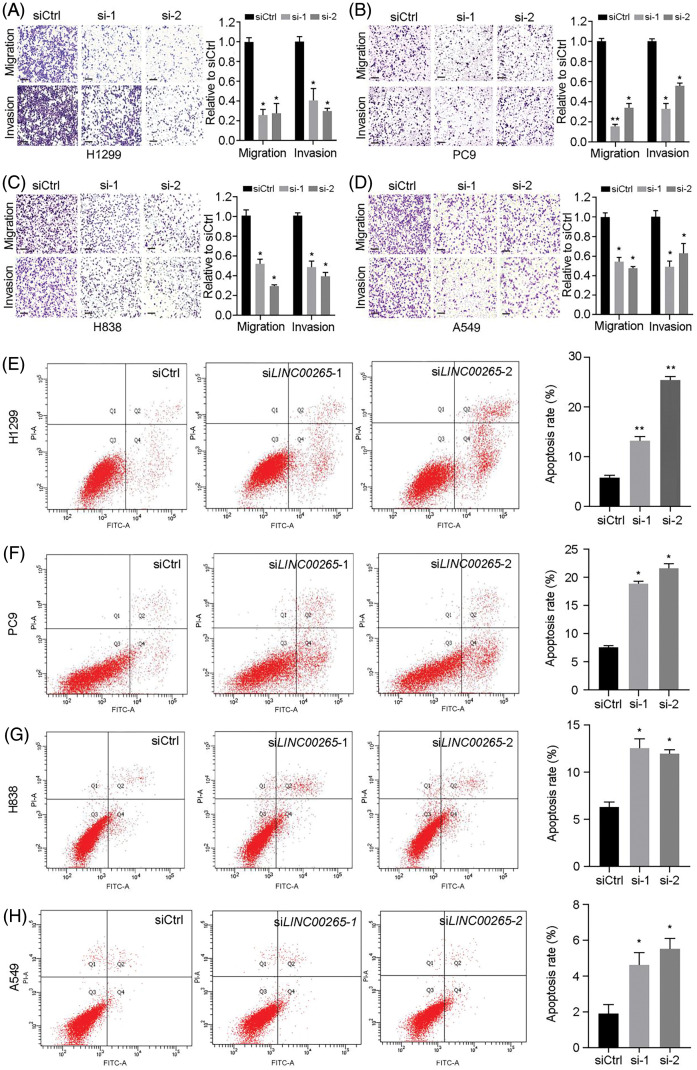 Figure 1
Peer Reviews
No public reviews on file for this paper yet. If you reviewed it on a platform where reviews are public (OpenReview, ICLR, NeurIPS, ICML), you can paste yours below so the community can read it here.
Videos
No videos yet. Explain this paper in a talk, walkthrough, or lecture? Add one.
Taxonomy
TopicsCancer-related molecular mechanisms research · RNA modifications and cancer · RNA and protein synthesis mechanisms
In the article “Silencing of the long non-coding RNA LINC00265 triggers autophagy and apoptosis in lung cancer by reducing protein stability of SIN3A oncogene” (Oncology Research. 2024, Vol. 32, No. 7, pp. 1185–1195. doi: 10.32604/or.2023.030771, https://www.techscience.com/or/v32n7/57163), an inadvertent error occurred during the compilation of Fig. 3H. This needed corrections to ensure the accuracy and integrity of the data presented.
Issue with Fig. 3H:
- Original Issue: The original Fig. 3H contained an incorrect image. Due to confusion with the folder of another siLINC00265-2 image (Fig. 3H) during the image selection process, which led to the image for siLINC00265-1 was incorrectly placed. This resulted in a mismatch between the image and the actual experimental conditions it was intended to depict.
- Reason for Change: To accurately represent the apoptosis results under the specified experimental conditions (siLINC00265-1 group), we have revised Fig. 3H. The new image correctly labels the siLINC00265-1 and accurately corresponds to the intended experimental setup.
- Impact on Results: The revision of Fig. 3H does not involve any alteration of the legends or text associated with the figure. It replaces the erroneous image with the correct one, ensuring that the visual data accurately corresponds to the reported experimental findings. This correction does not impact the scientific conclusions drawn in the study.
The corrected versions of Fig. 3 is provided. The changes were necessary to maintain the integrity of the published work and to provide accurate visual data to support the study’s findings. The authors confirm that these corrections do not alter any of the study’s results or conclusions. This correction has been approved by the Oncology Research Editorial Office, and the original publication has been updated accordingly.
Figure 3