Dynamic changes in lactate-related genes in microglia and their role in immune cell interactions after ischemic stroke
Jinzhong Yao, Huan Deng, Peng Wang, Bo Li, Zaisheng Qin

TL;DR
The study explores how lactate-related genes in microglia change after a stroke and how they interact with immune cells during recovery.
Contribution
The study identifies specific lactate-related genes in microglia and their dynamic roles in acute and chronic phases of stroke.
Findings
Nine lactate-related genes were identified, with Spp1, C1qbp, and Myc highly expressed in microglia.
C1qbp and Myc are important in the acute phase, while Spp1 affects both acute and chronic stroke phases.
Microglia subclusters and immune cell infiltration analysis revealed gene-immune cell associations.
Abstract
This study aims to elucidate the dynamic changes in lactate-related genes (LRGs) in microglia following ischemic stroke (IS) and their associations with immune cells. We performed differential expression analysis on bulk-sequencing (GSE30655 and GSE35338) and scRNA-seq data (GSE174574) to identify differentially expressed genes. These genes were intersected with lactate genes from MSigDB to identify post-stroke LRGs. We used t-SNE to visualize LRG distribution across cell types and selected microglia for cell–cell communication, pseudo time, and functional enrichment analyses. These findings were integrated with the GSE225948 scRNA-seq dataset to examine LRG trends in the chronic phase of IS. Finally, CIBERSORT was used to explore immune cell infiltration changes and LRG-immune cell associations post-IS. Nine LRGs were identified, including Spp1, Per2, Col4a1, Sfxn4, C1qbp, Myc, Apln,…
Genes, proteins, chemicals, diseases, species, mutations and cell lines named across the full text — each resolved to its canonical identifier and authoritative record.
Click any figure to enlarge with its caption.
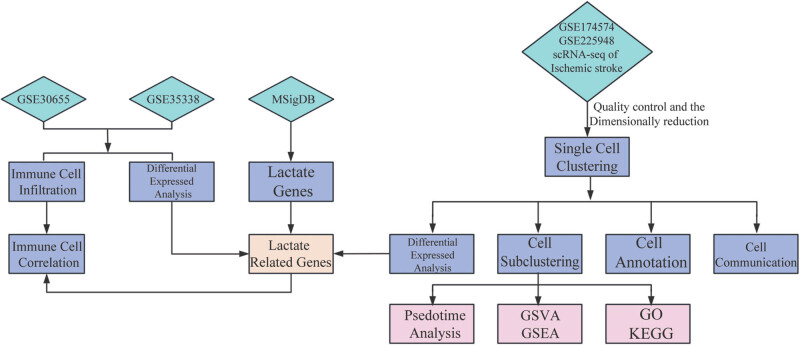 Figure 1
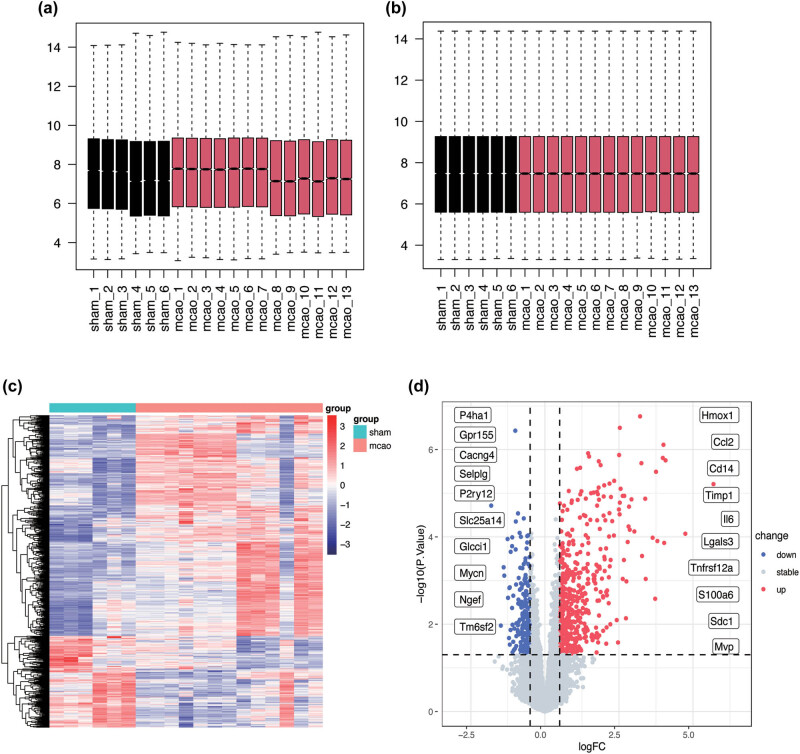 Figure 2
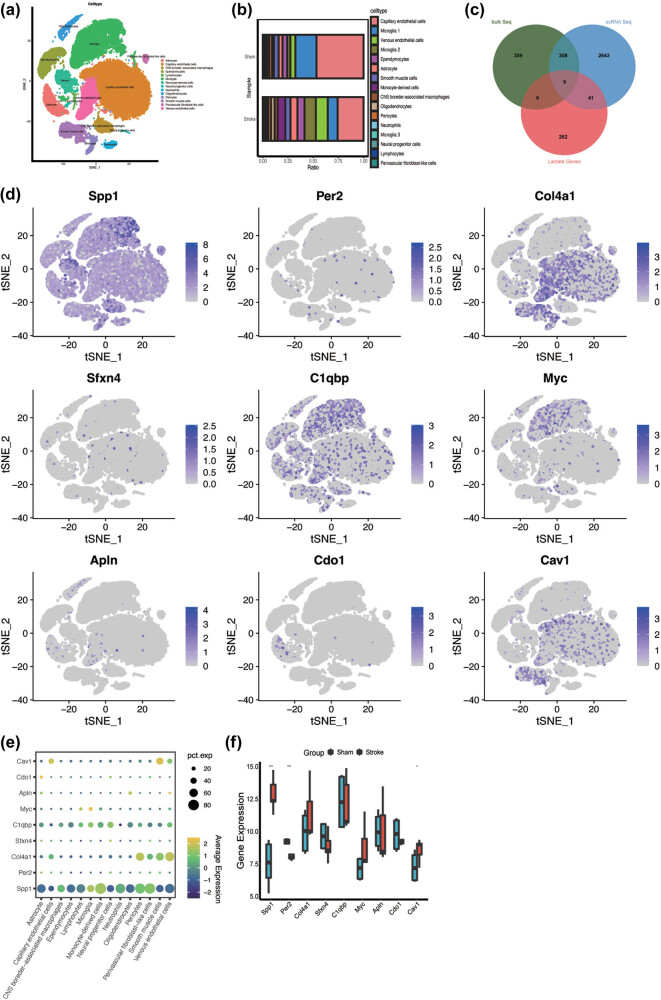 Figure 3
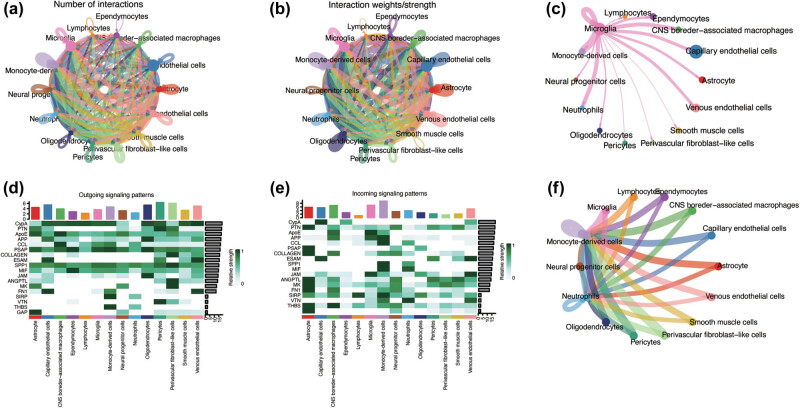 Figure 4
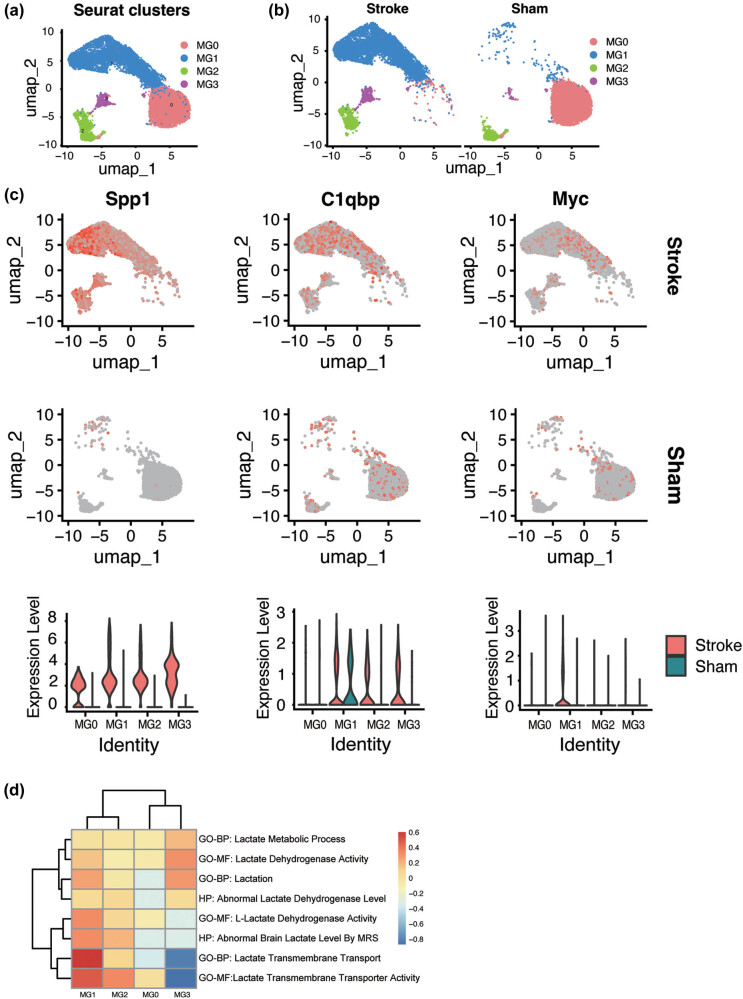 Figure 5
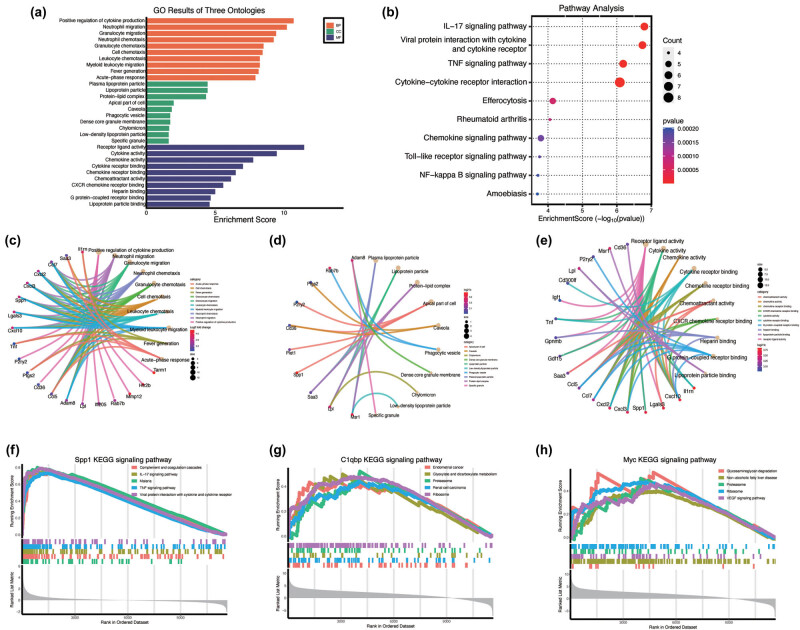 Figure 6
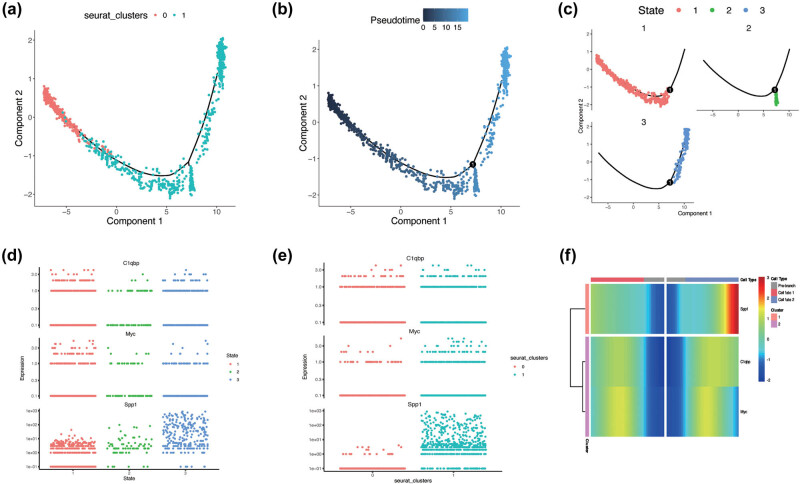 Figure 7
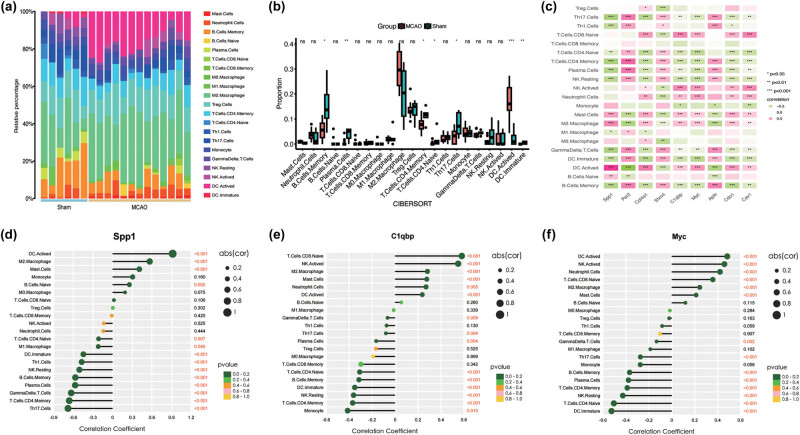 Figure 8
Peer Reviews
No public reviews on file for this paper yet. If you reviewed it on a platform where reviews are public (OpenReview, ICLR, NeurIPS, ICML), you can paste yours below so the community can read it here.
Videos
No videos yet. Explain this paper in a talk, walkthrough, or lecture? Add one.
Taxonomy
TopicsNeuroinflammation and Neurodegeneration Mechanisms · Clusterin in disease pathology · S100 Proteins and Annexins