Unveiling the potential biochemical effects of selected heterocyclic compounds as human Type-A γ-aminobutyric acid (GABA A) Modulator: An Insilico Approach
Abel Kolawole Oyebamiji, Sunday Adewale Akintelu, Oluwakemi Ebenezer, Faith Eniola Olujinmi, David O. Adekunle, Adesoji Alani Olanrewaju, Omowumi Temitayo Akinola, Samson Olusegun Afolabi, Ehimen Anastasia Erazua, Ayodeji Arnold Olaseinde

TL;DR
This study uses computational methods to explore how certain heterocyclic compounds may act as inhibitors of GABA A receptors, potentially aiding in treating postpartum depression.
Contribution
The study introduces a computational approach to evaluate the potential of specific heterocyclic compounds as GABA A inhibitors.
Findings
Compound 3 showed a binding affinity of -7.32433319 kcal/mol with GABA A, indicating strong inhibitory potential.
Molecular dynamic simulations revealed the actual binding energy of selected compounds.
Water and ethanol were found to influence the electron-donating ability of the compounds.
Abstract
•The antibacterial activity of Selected Heterocyclic compounds was evaluated.•Descriptors found from optimized Selected Heterocyclic compounds were identified.•Nonbonding interactions between drugs and the studied targets were observed. The antibacterial activity of Selected Heterocyclic compounds was evaluated. Descriptors found from optimized Selected Heterocyclic compounds were identified. Nonbonding interactions between drugs and the studied targets were observed. Investigating the bioactivities of zuranolone derivatives as Type-A γ-aminobutyric acid inhibitors which will thereby down-regulate postpartum depression is considered a crucial study. This study is aimed at investigating the biochemical activities of 1-(2-((3R,5R,8R,9R,10S,13S,14S,17S)-3‑hydroxy-3,13-dimethylhexadecahydro-1H-cyclopenta[a]phenanthren-17-yl)-2-oxoethyl)-1H-pyrazole-4-carbonitrile derivatives against…
Genes, proteins, chemicals, diseases, species, mutations and cell lines named across the full text — each resolved to its canonical identifier and authoritative record.
Click any figure to enlarge with its caption.
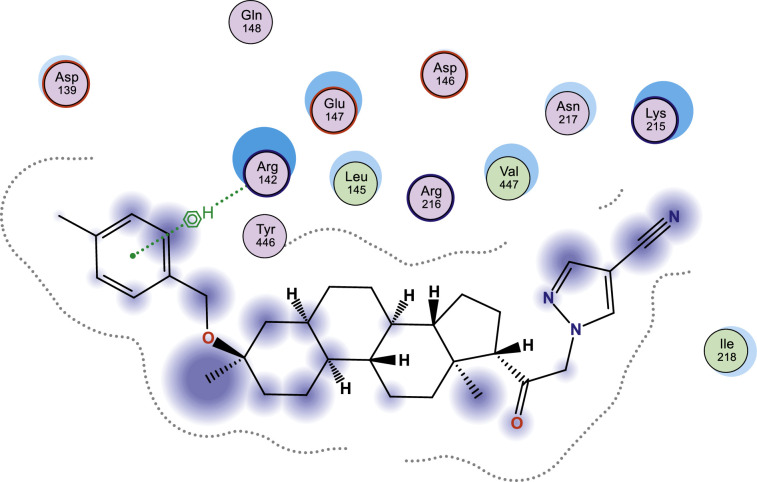 Figure 1
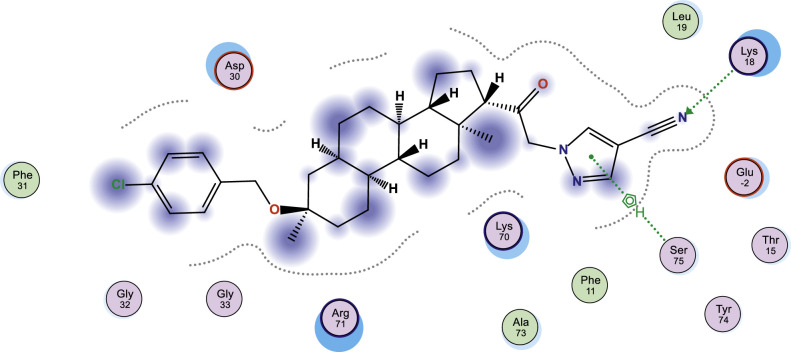 Figure 2
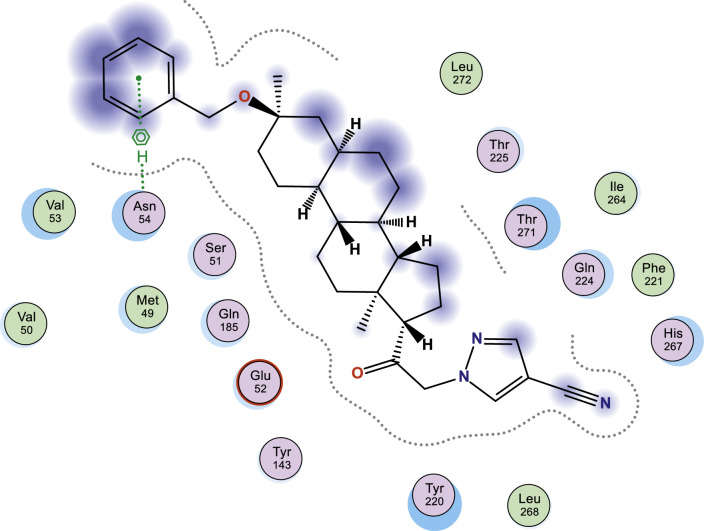 Figure 3
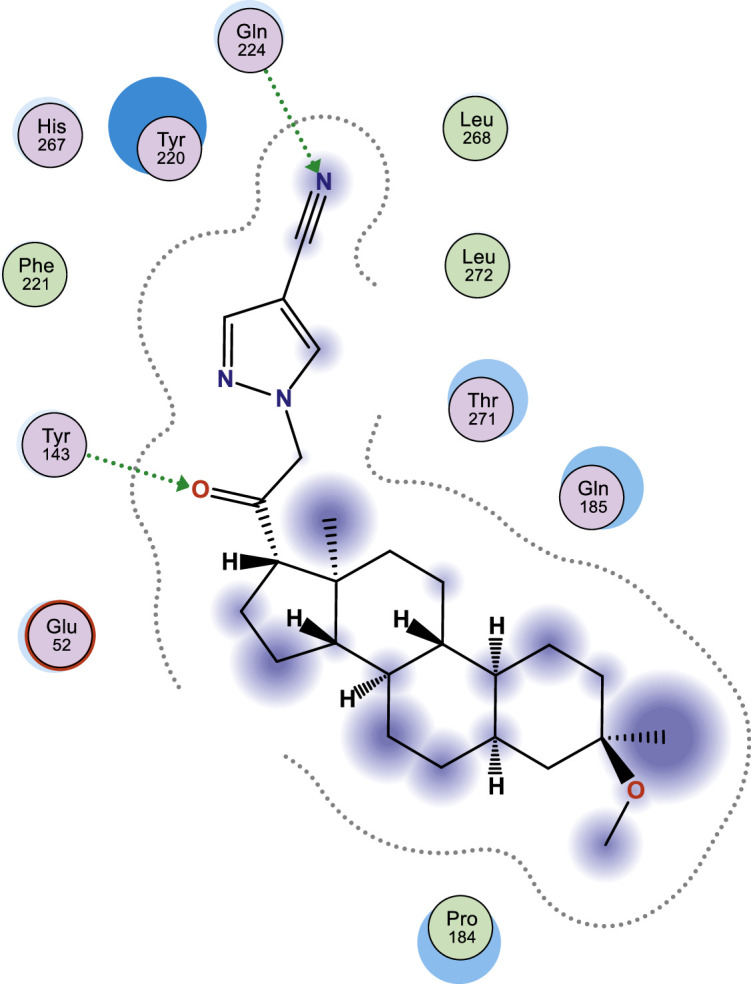 Figure 4
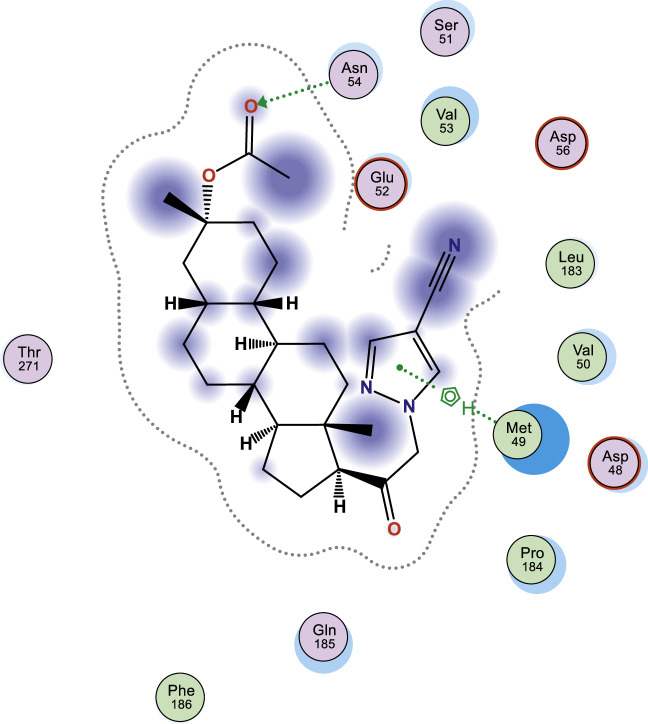 Figure 5
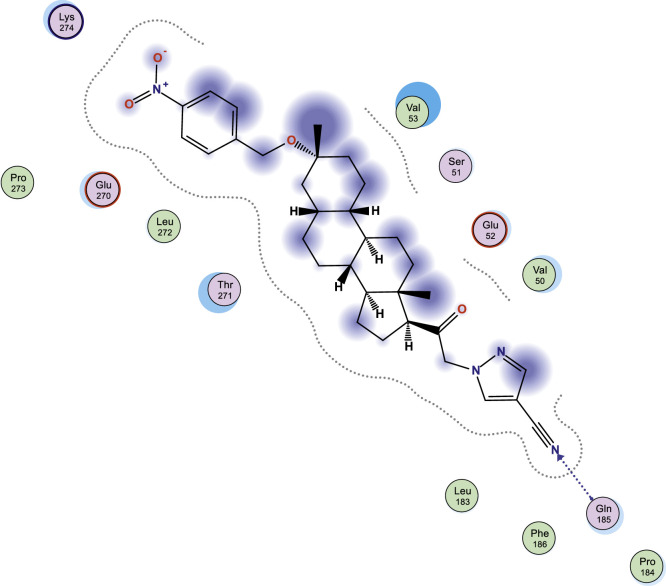 Figure 6
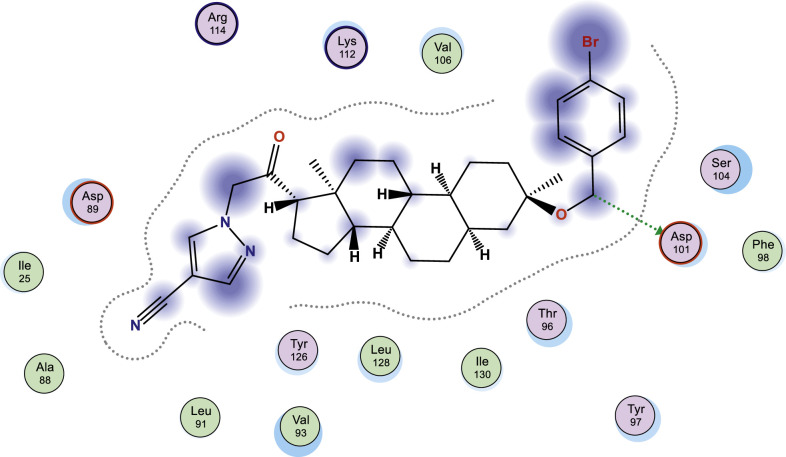 Figure 7
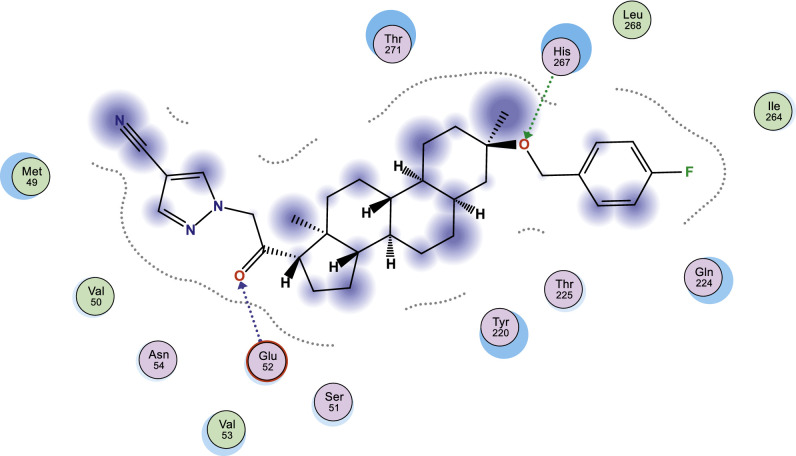 Figure 8
Peer Reviews
No public reviews on file for this paper yet. If you reviewed it on a platform where reviews are public (OpenReview, ICLR, NeurIPS, ICML), you can paste yours below so the community can read it here.
Videos
No videos yet. Explain this paper in a talk, walkthrough, or lecture? Add one.
Taxonomy
TopicsGABA and Rice Research · Biochemical effects in animals · Neuroscience and Neuropharmacology Research