Diversification of dentate gyrus granule cell subtypes is regulated by Nrg1 nuclear back-signaling
Prithviraj Rajebhosale, Li Jiang, Haylee J Ressa, Kory R Johnson, Niraj S Desai, Alice Jone, Lorna W Role, David A Talmage

TL;DR
This study shows how Nrg1 signaling helps maintain specific brain cell types and how its disruption leads to changes in cell identity in the dentate gyrus.
Contribution
The paper reveals a novel role of Nrg1 nuclear back-signaling in regulating granule cell subtype diversification in the dentate gyrus.
Findings
Nrg1 nuclear signaling maintains granule cell identity and prevents semilunar granule cell fate.
The V321L mutation in Nrg1 disrupts nuclear signaling and increases semilunar granule cell-like cells.
SGC-like gene expression rises during adolescence when Nrg1 signaling is reduced.
Abstract
The study shows that Nrg1 nuclear signaling maintains granule cell identity and that its disruption drives acquisition of semilunar granule cell fate in the dentate gyrus. Neuronal heterogeneity is a defining feature of the developing mammalian brain, but the mechanisms regulating the diversification of closely related cell types remain elusive. Here, we investigated granule cell (GC) subtype composition in the dentate gyrus (DG) and the influence of a psychosis-associated V321L mutation in Neuregulin1 (Nrg1). Using morphoelectric characterization, single-nucleus gene expression, and chromatin accessibility profiling, we identified distinctions between typical GCs and a rare subtype known as semilunar granule cells (SGCs). We found that the V321L mutation, which disrupts Nrg1 nuclear back-signaling, results in overabundance of SGC-like cells. Pseudotime analyses suggest a GC-to-SGC…
Genes, proteins, chemicals, diseases, species, mutations and cell lines named across the full text — each resolved to its canonical identifier and authoritative record.
Click any figure to enlarge with its caption.
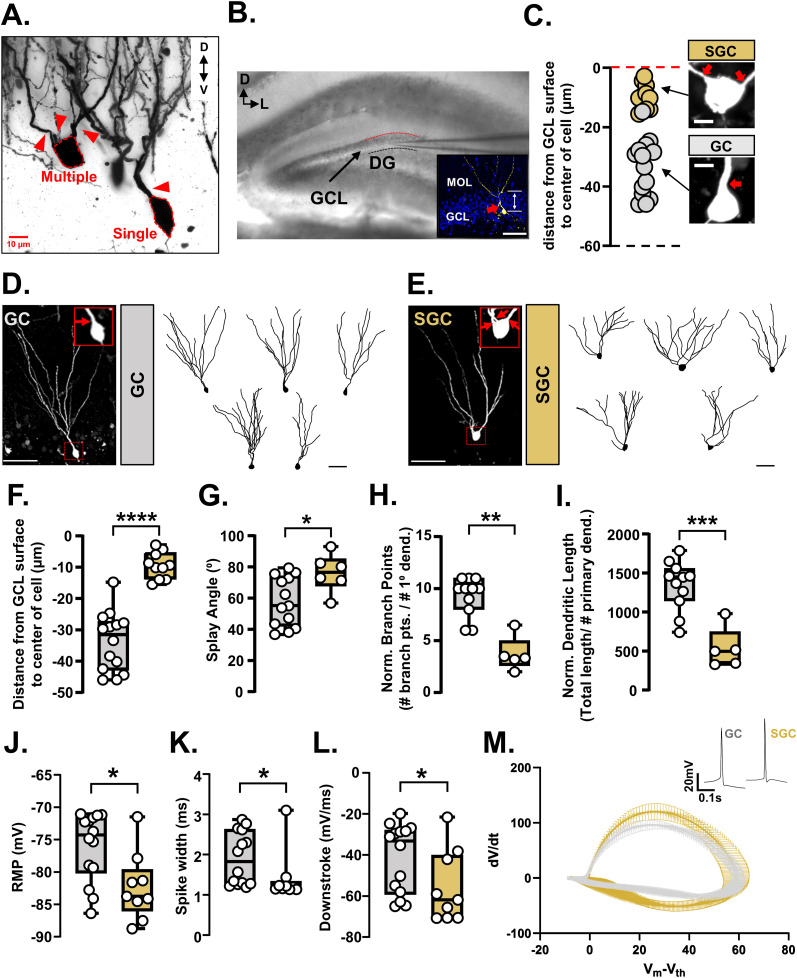 Figure 1
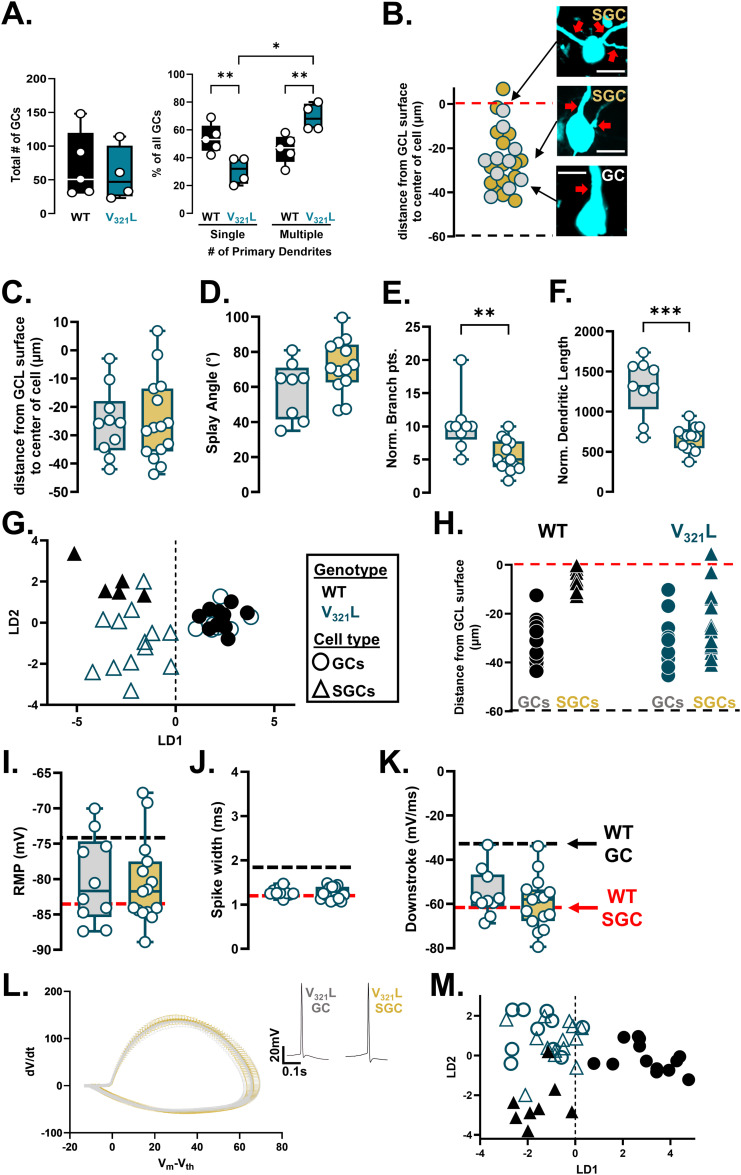 Figure 2
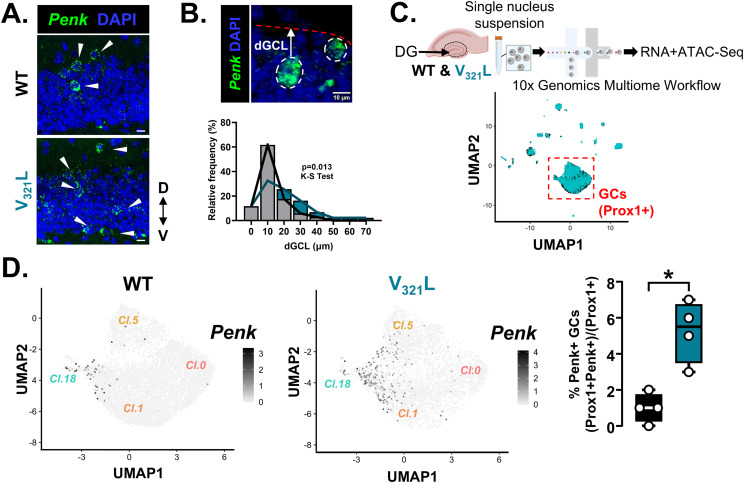 Figure 3
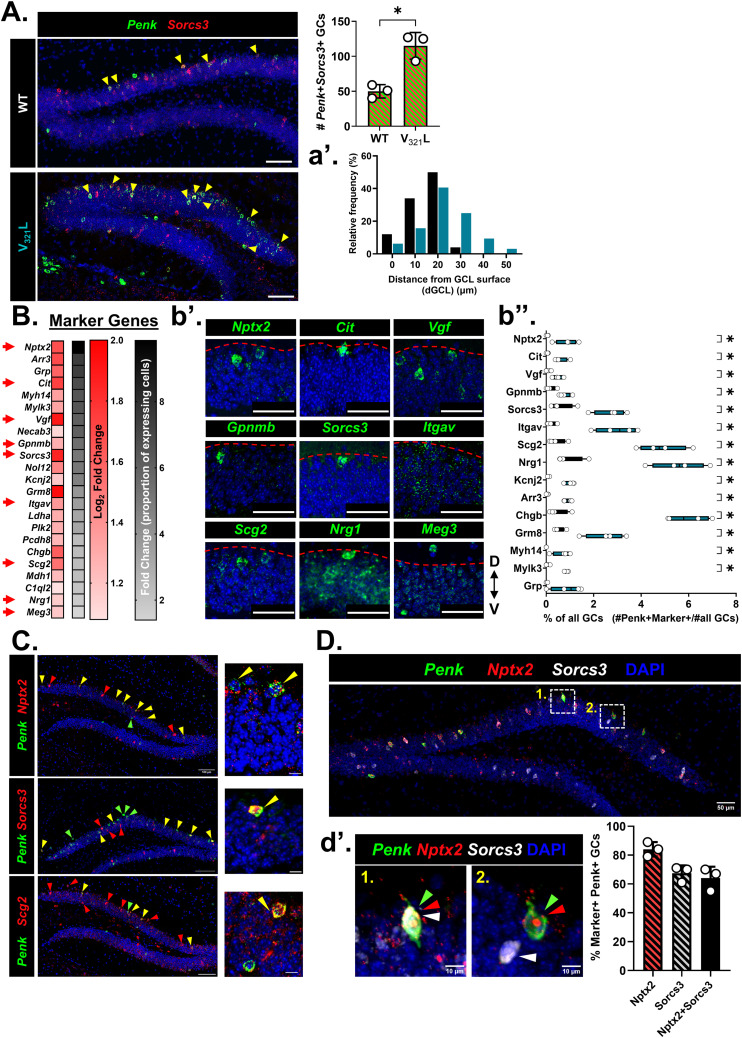 Figure 4
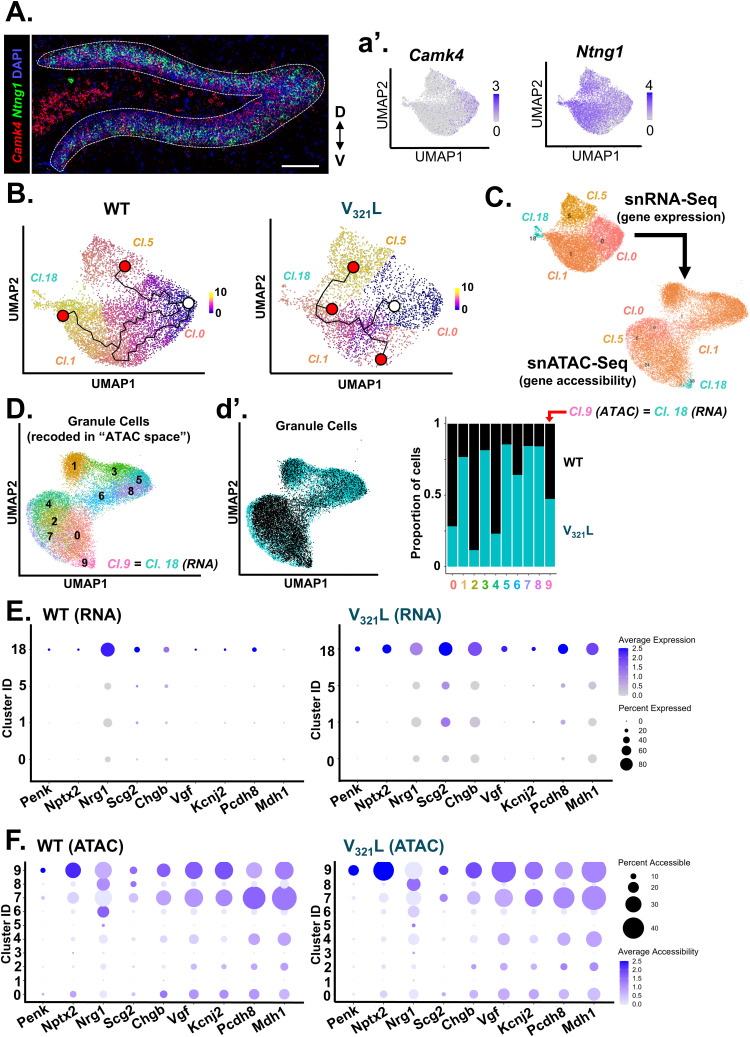 Figure 5
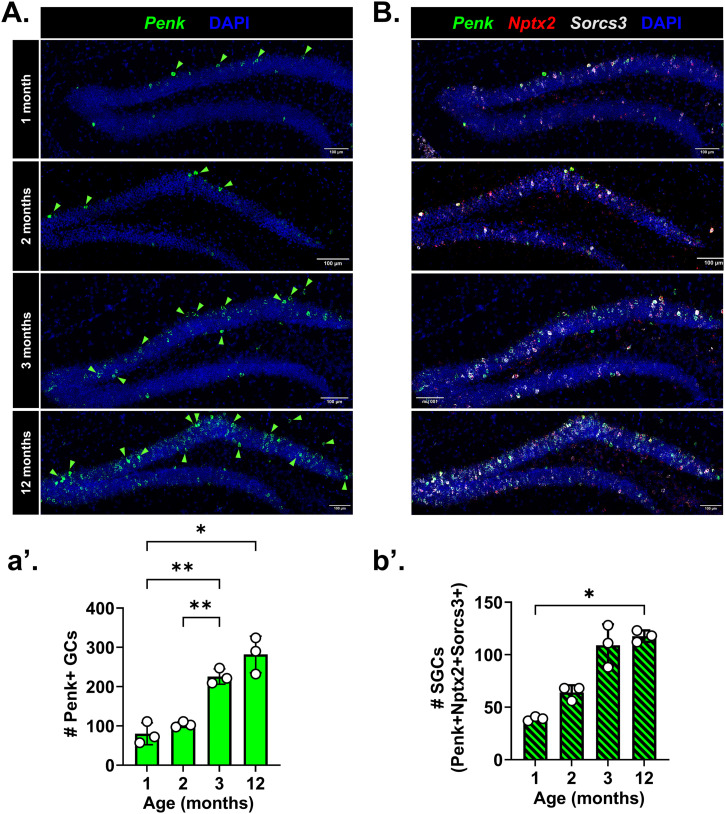 Figure 6
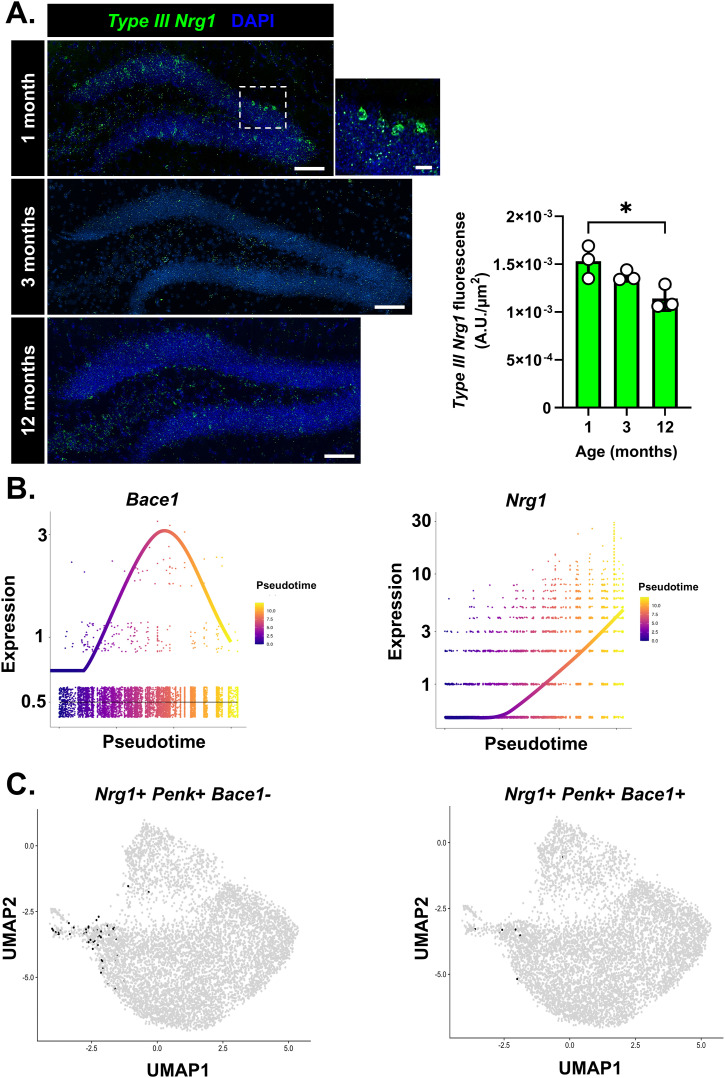 Figure 7
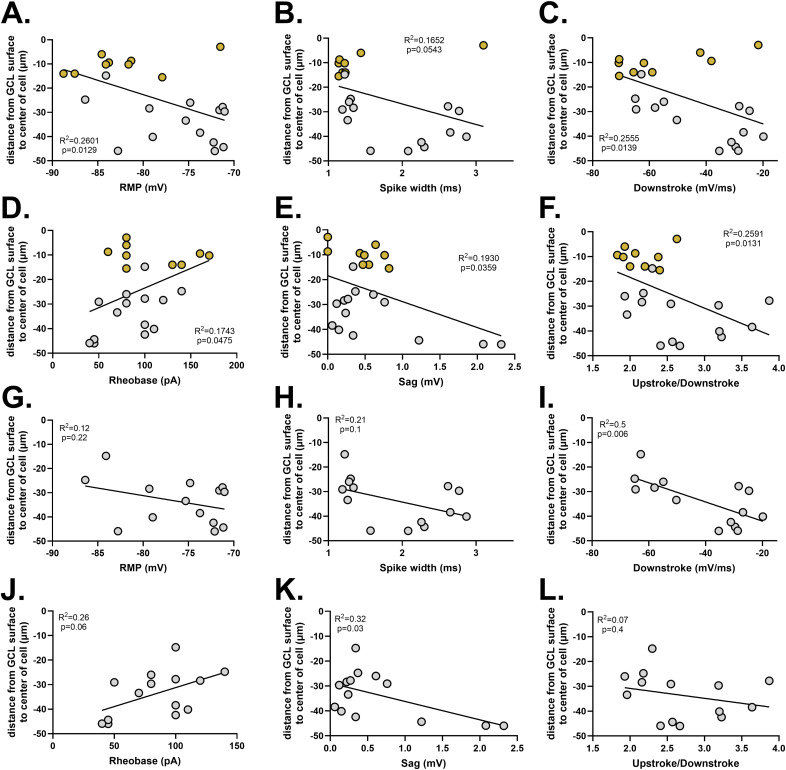 Figure 8
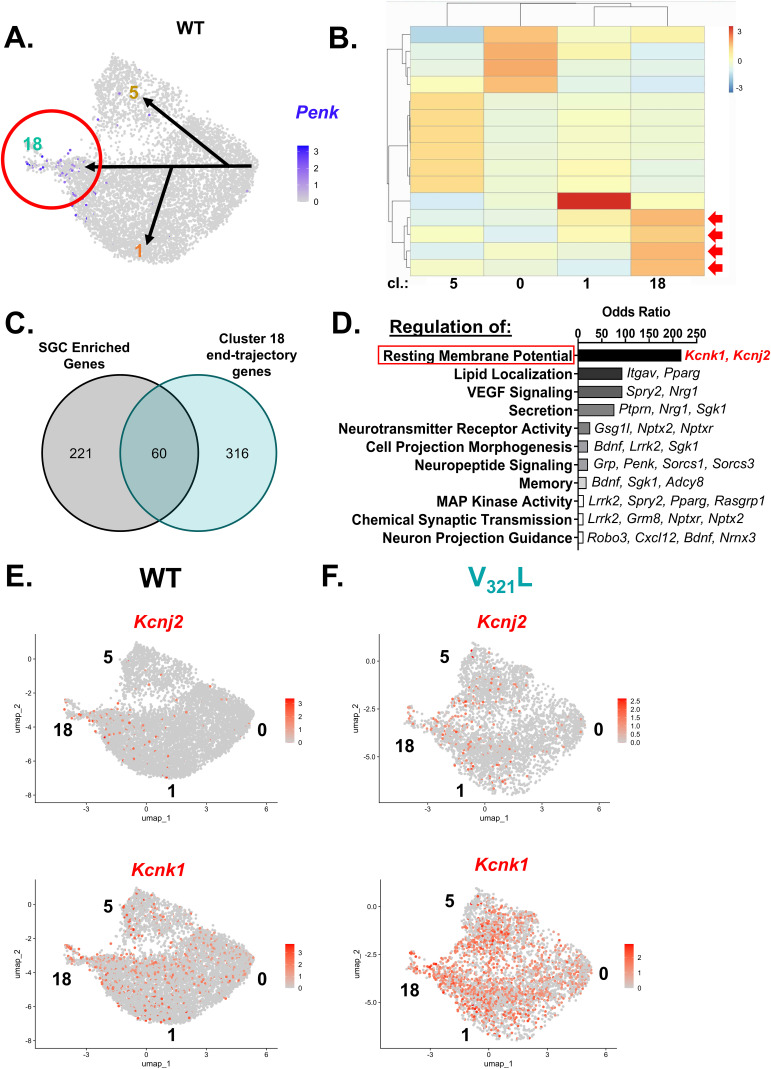 Figure 9
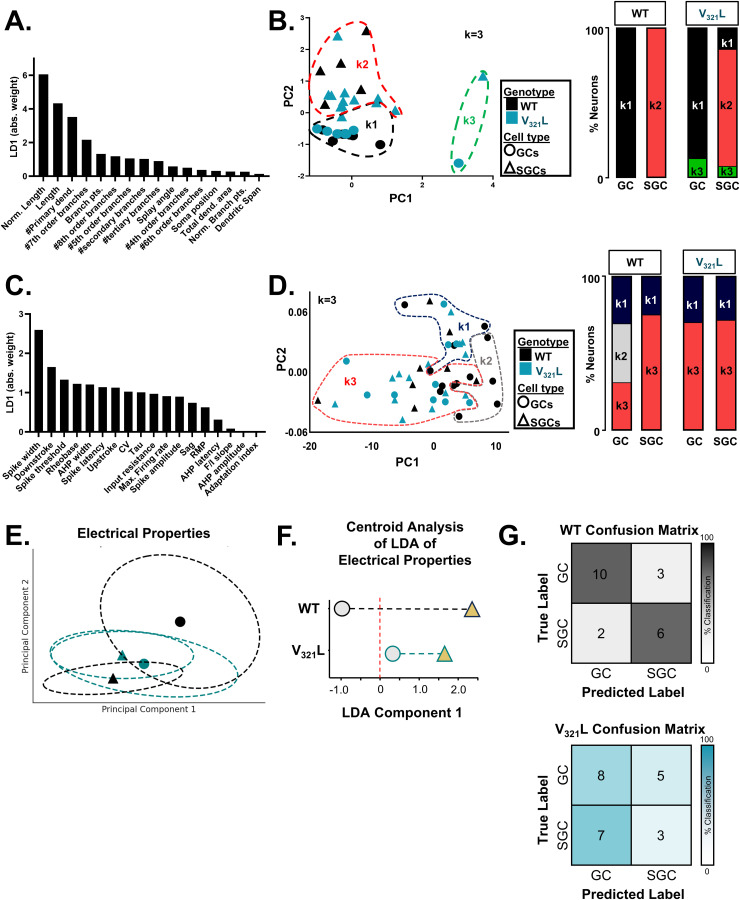 Figure 10
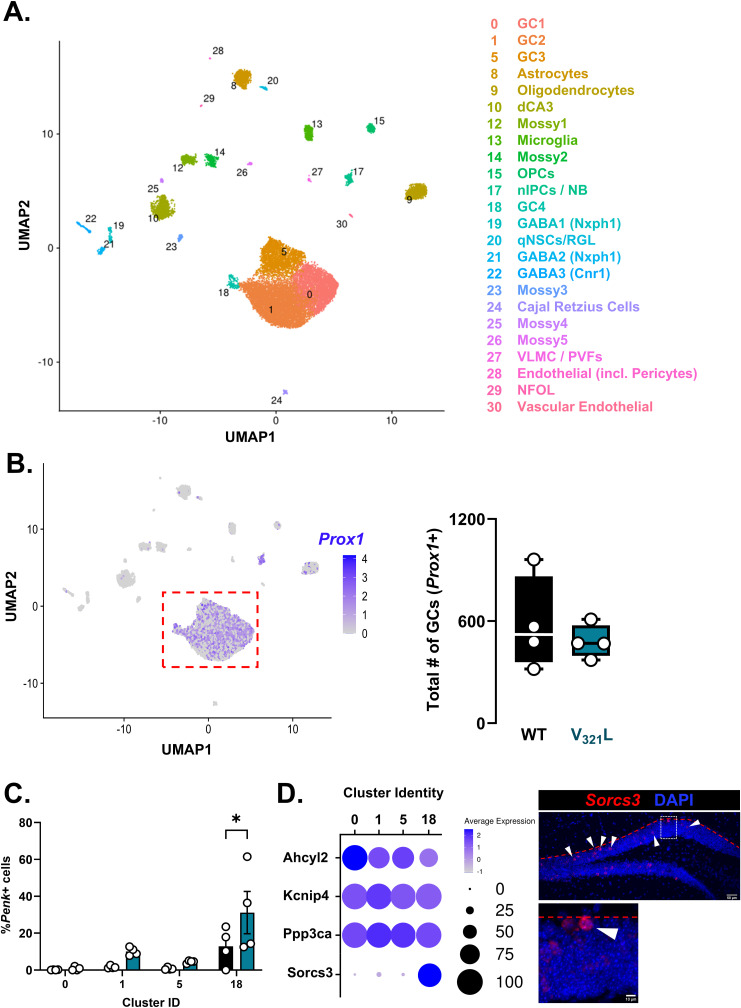 Figure 11
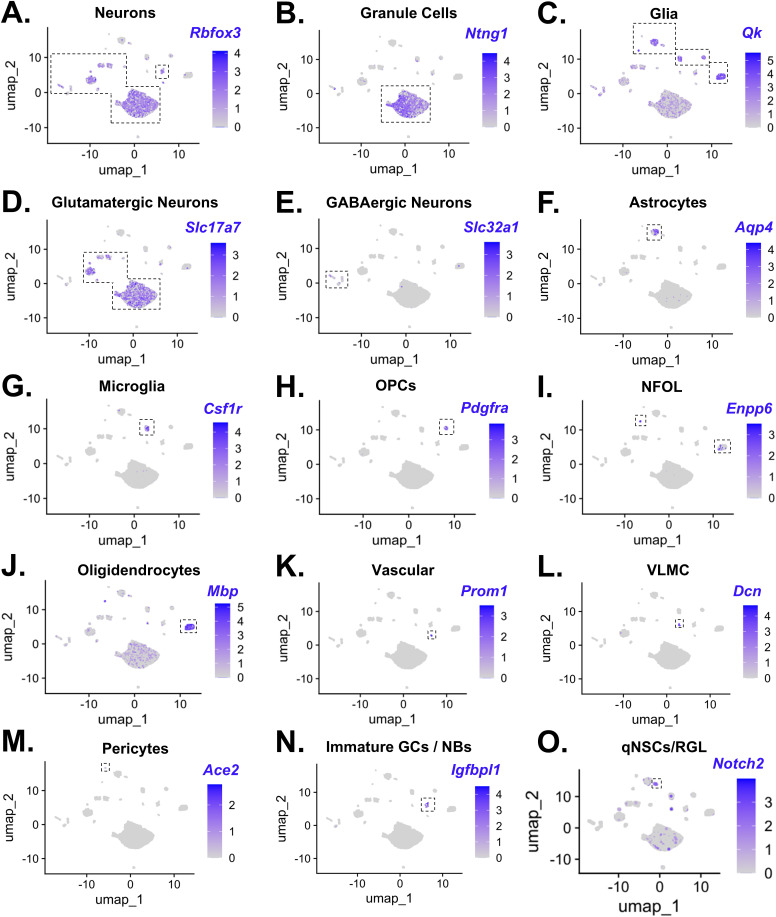 Figure 12
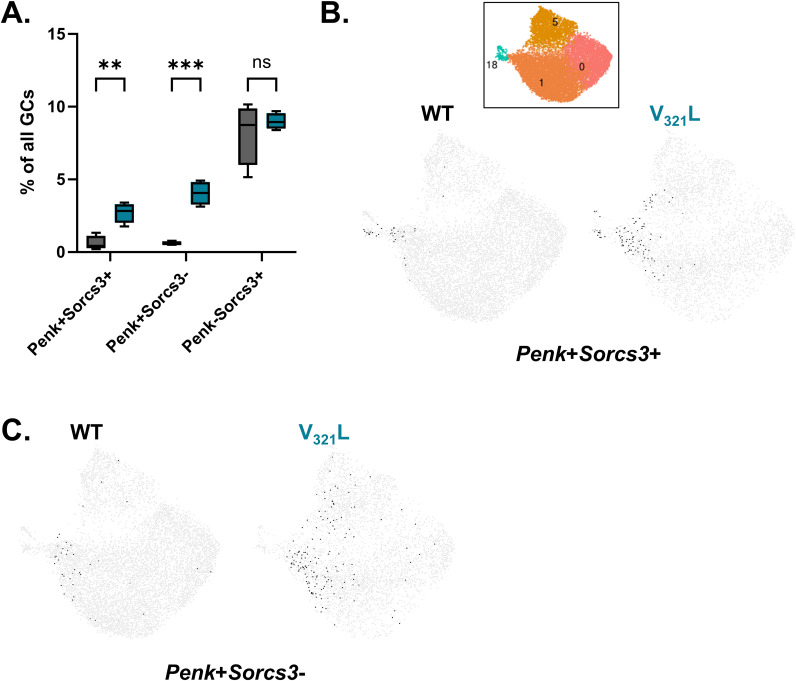 Figure 13
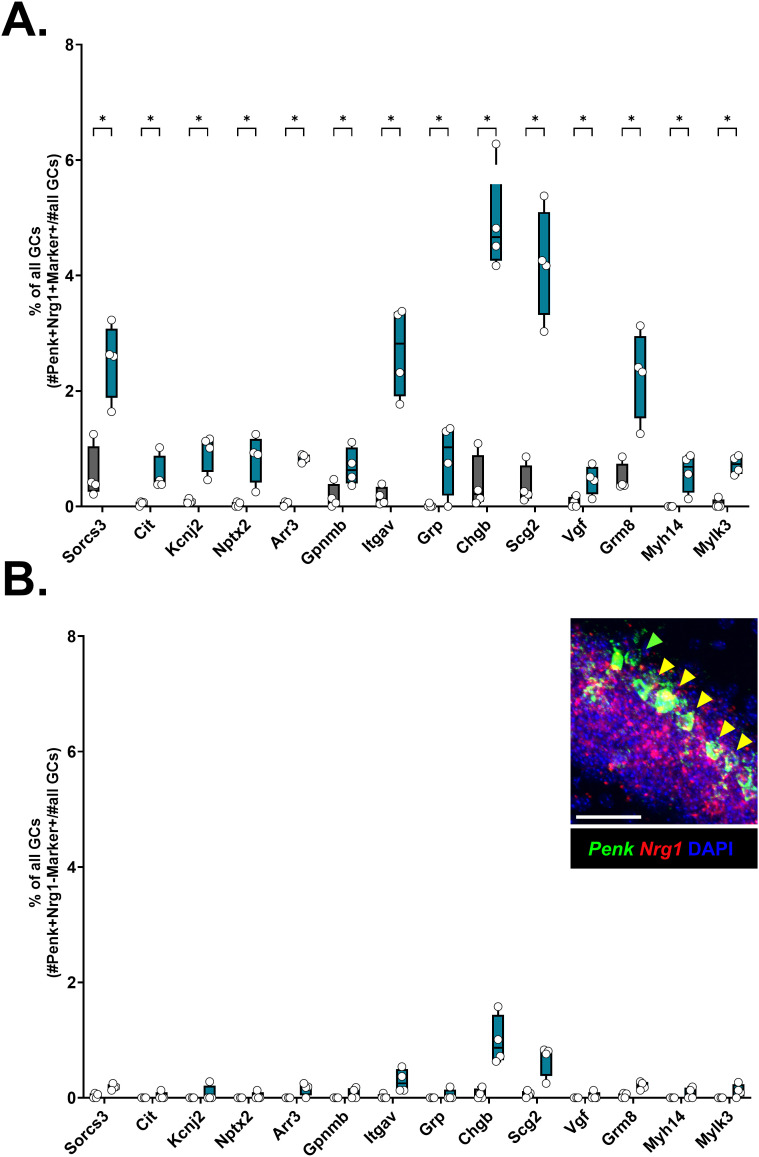 Figure 14
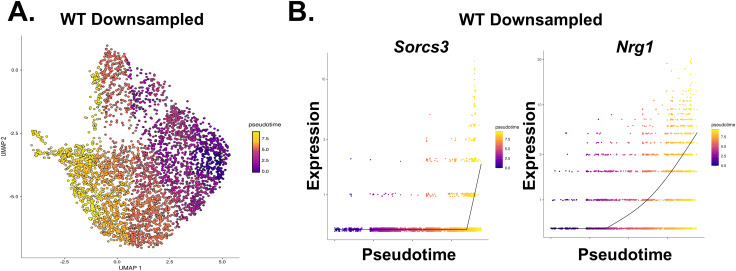 Figure 15
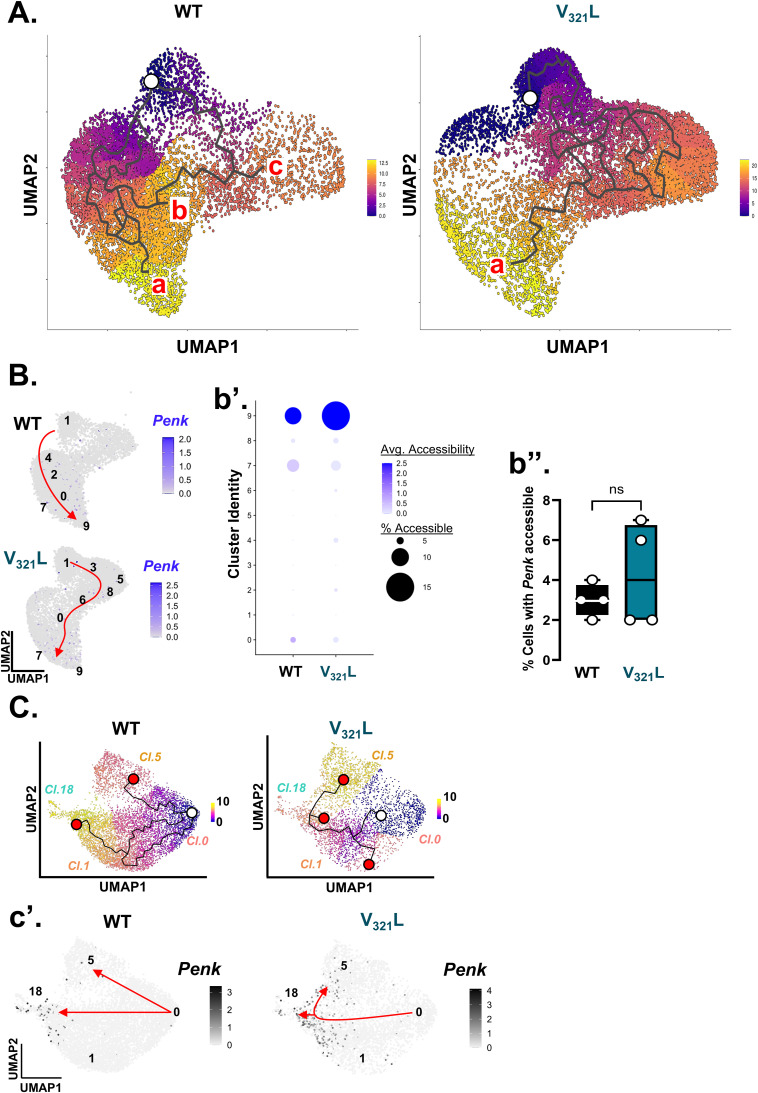 Figure 16
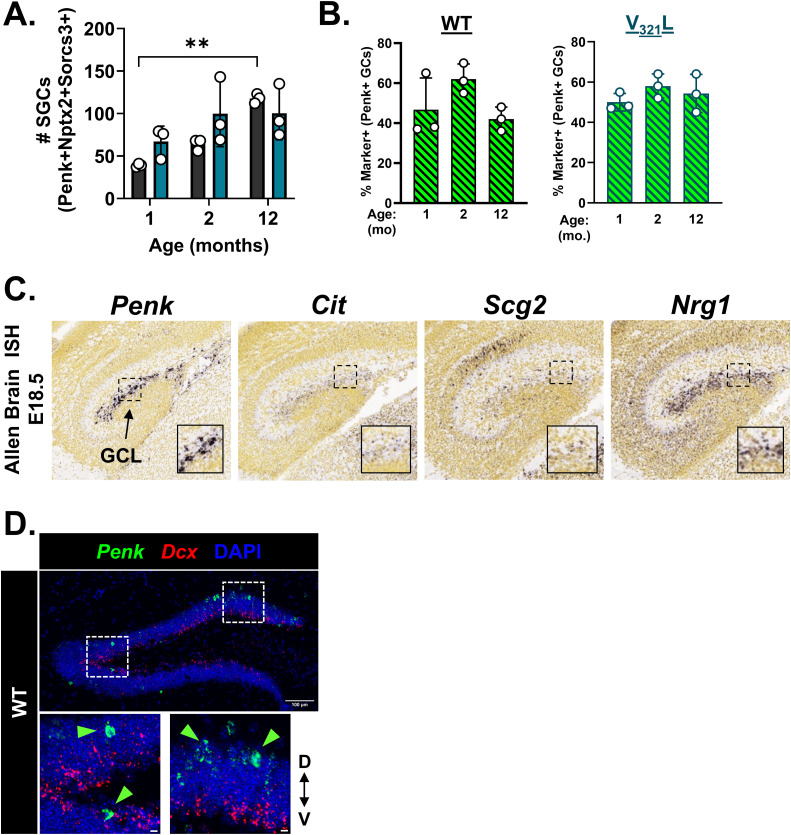 Figure 17
Peer Reviews
No public reviews on file for this paper yet. If you reviewed it on a platform where reviews are public (OpenReview, ICLR, NeurIPS, ICML), you can paste yours below so the community can read it here.
Videos
No videos yet. Explain this paper in a talk, walkthrough, or lecture? Add one.
Taxonomy
TopicsNeurogenesis and neuroplasticity mechanisms · Genomics and Chromatin Dynamics · RNA Research and Splicing