A BioID-based approach uncovers the interactome of hexose-6-phosphate dehydrogenase in breast cancer cells and identifies anterior gradient protein 2 as an interacting partner
Gabriele Sakalauskaite, Michael Weingartner, Sophie Ebert, Gina Boot, Thomas Bock, Julia Birk, Maria Tsachaki, John W. Gallon, Salvatore Piscuoglio, Alex Odermatt

TL;DR
This study uses a BioID method to find proteins that interact with H6PD in breast cancer cells and identifies AGR2 as a new partner that may influence cancer progression.
Contribution
The study identifies AGR2 as a novel interacting partner of H6PD in breast cancer cells using a BioID-based approach.
Findings
AGR2 physically interacts with H6PD in breast cancer cells.
AGR2 enhances H6PD activity and may regulate its protein levels.
AGR2 and H6PD co-expression is linked to cancer-related pathways like glycolysis and EMT.
Abstract
Hexose-6-phosphate dehydrogenase (H6PD) catalyzes the first two steps of the pentose-phosphate-pathway (PPP) within the endoplasmic reticulum, generating NADPH. H6PD modulates essential physiological processes, including energy and redox metabolism. Its sole reported interacting partner is 11β-hydroxysteroid dehydrogenase 1 (11β-HSD1), utilizing NADPH to reactivate glucocorticoids, linking energy status with hormonal response. Previous studies showed that loss of H6PD affects breast cancer cell properties, independent of 11β-HSD1. It remains unknown whether this is due to impaired concentrations of NADPH or PPP products downstream of H6PD. To gain insight into novel roles and pathways influenced by this enzyme, we aimed to assess the H6PD interactome. We adapted the proximity-dependent Biotin Identification (BioID) method to identify novel H6PD interacting partners. First, we validated…
Genes, proteins, chemicals, diseases, species, mutations and cell lines named across the full text — each resolved to its canonical identifier and authoritative record.
Click any figure to enlarge with its caption.
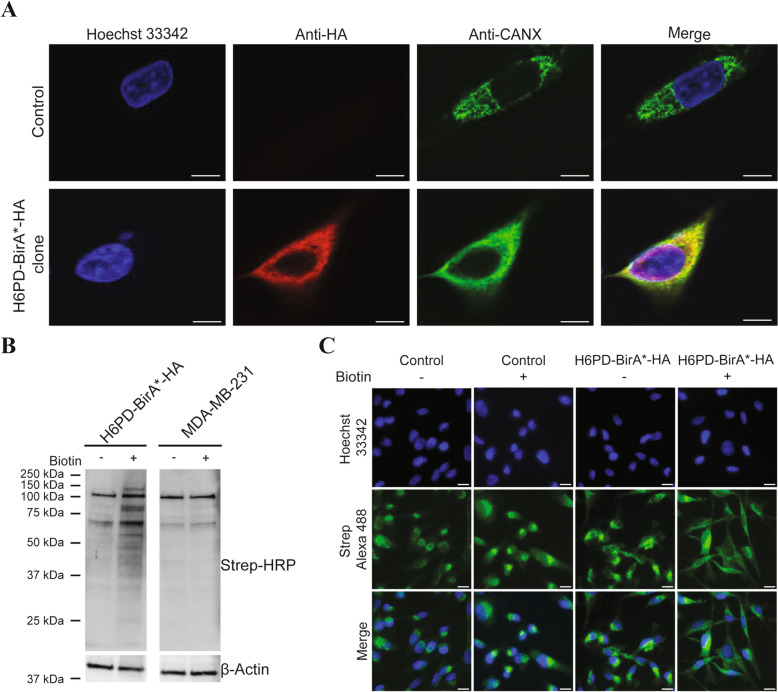 Figure 1
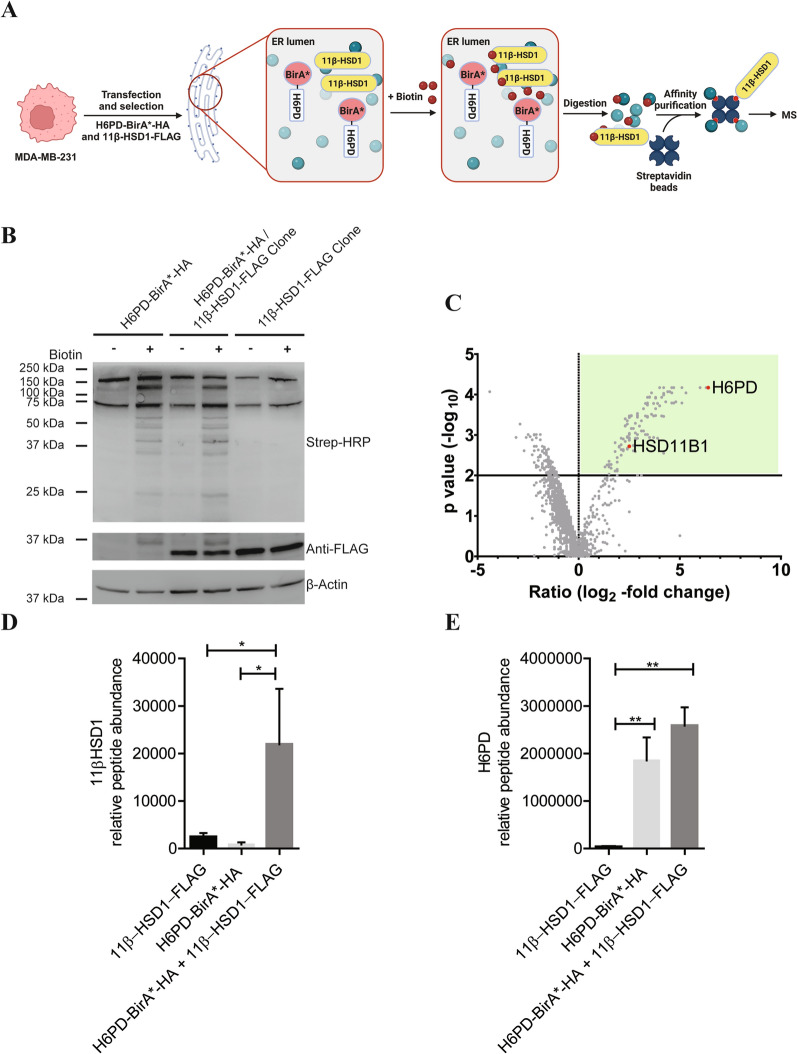 Figure 2
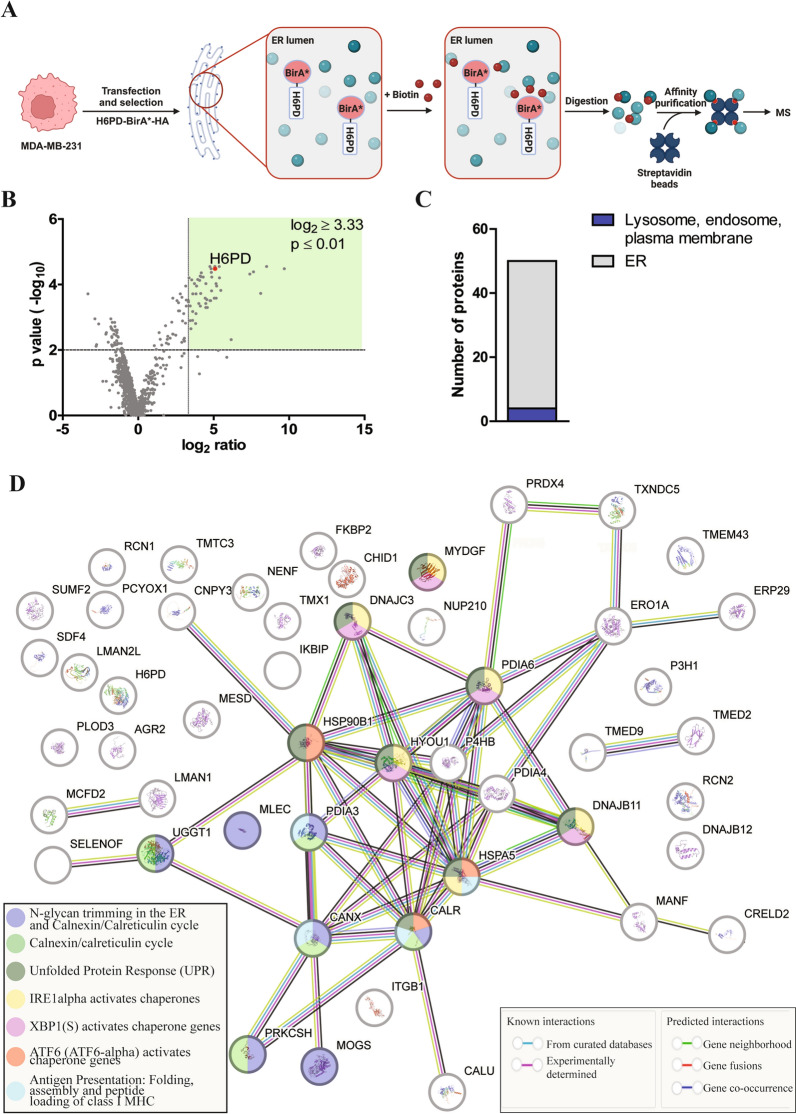 Figure 3
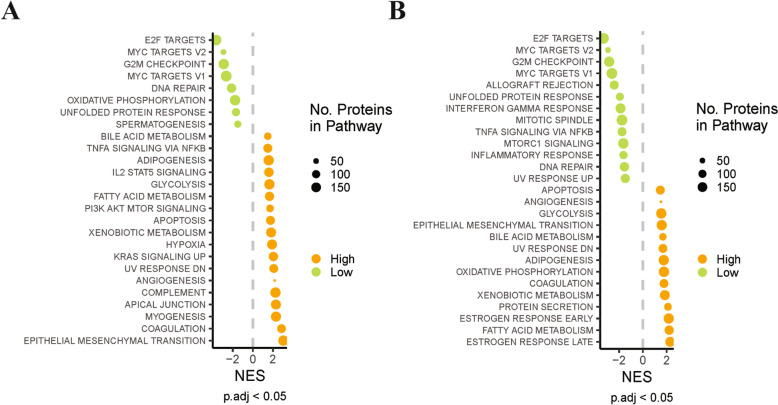 Figure 4
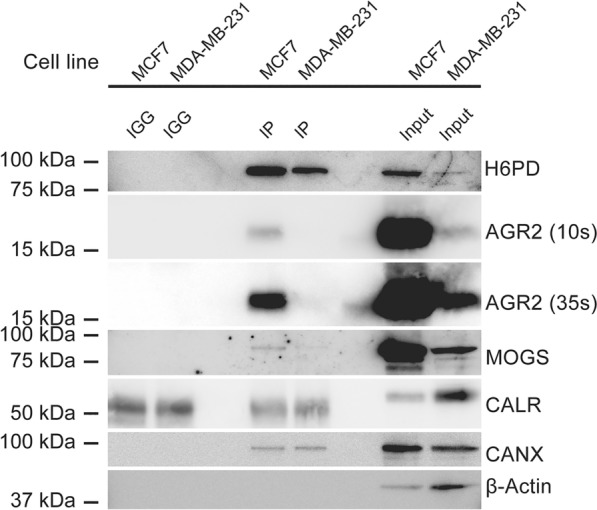 Figure 5
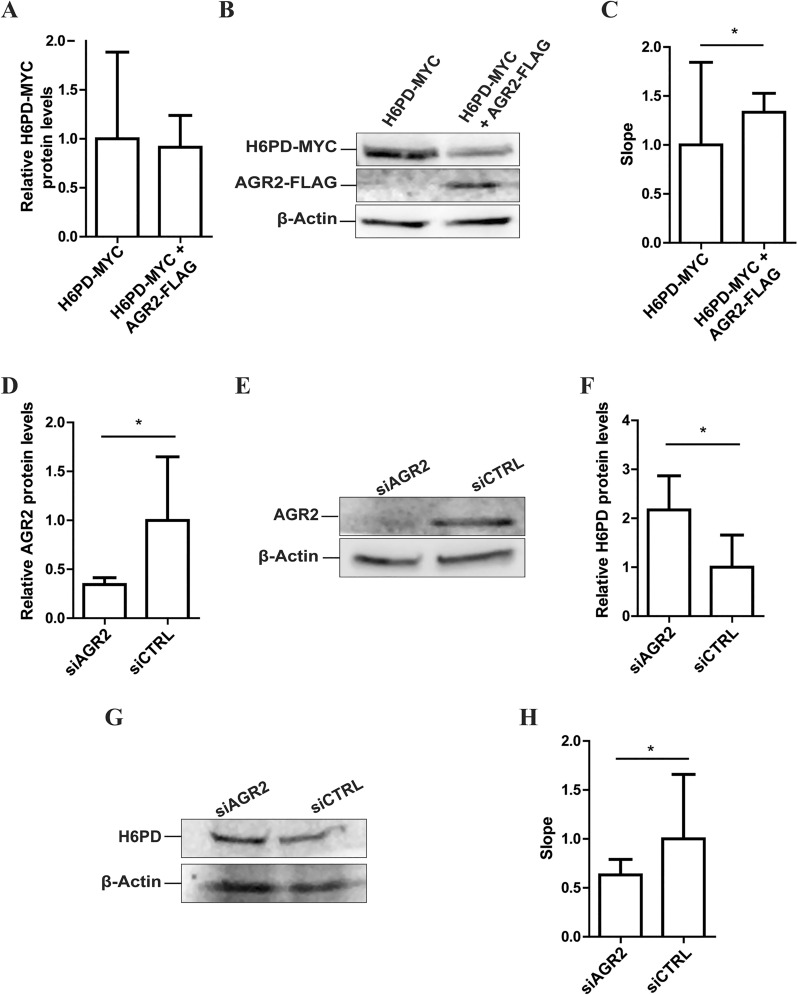 Figure 6
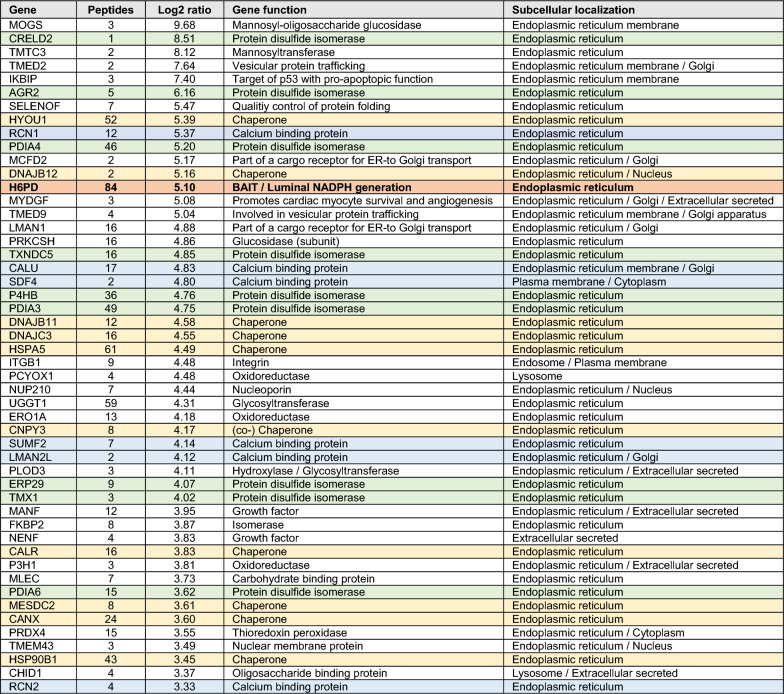 Figure 7
Peer Reviews
No public reviews on file for this paper yet. If you reviewed it on a platform where reviews are public (OpenReview, ICLR, NeurIPS, ICML), you can paste yours below so the community can read it here.
Videos
No videos yet. Explain this paper in a talk, walkthrough, or lecture? Add one.
Taxonomy
TopicsVitamin D Research Studies · Neonatal Health and Biochemistry · Cancer, Hypoxia, and Metabolism