Transcriptomic profiling of unmethylated full mutation carriers implicates TET3 in FMR1 CGG repeat expansion methylation dynamics in fragile X syndrome
Grace Farmiloe, Veronika Bejczy, Elisabetta Tabolacci, Rob Willemsen, Frank Jacobs

TL;DR
This study explores why some people with a genetic mutation linked to fragile X syndrome do not develop the expected gene silencing, suggesting a role for the TET3 gene in DNA methylation.
Contribution
The study identifies TET3 as a potential regulator of methylation dynamics in fragile X syndrome, based on transcriptomic and genomic analyses of rare unmethylated cases.
Findings
TET3 is significantly downregulated in unmethylated full mutation carriers compared to controls and FXS patients.
Genomic analysis of TET3 in unmethylated carriers reveals rare variants, though no clear functional variants were identified.
TET3 is proposed as a candidate factor for the lack of methylation in the FMR1 locus in some individuals.
Abstract
Fragile X syndrome (FXS) is a neurodevelopmental disorder caused by the expansion of a CGG repeat in the 5’UTR of the FMR1 (fragile X messenger ribonucleoprotein 1) gene. Healthy individuals possess a repeat 30–55 CGG units in length. Once the CGG repeat exceeds 200 copies it triggers methylation at the locus. This methylation covers the FMR1 promoter region and silences expression of the gene and the production of FMRP (fragile X messenger ribonucleoprotein). The loss of FMRP is responsible for a number of pathologies including neurodevelopmental delay and autism spectrum disorder. Methylation of the expanded repeat in the FMR1 locus is the causal factor for FXS, however it is not known why the expanded repeat triggers this epigenetic change or how exactly DNA methylation is established. Intriguingly, genetic engineering of expanded CGG repeats of over 300 copies in the FMR1 locus in…
Genes, proteins, chemicals, diseases, species, mutations and cell lines named across the full text — each resolved to its canonical identifier and authoritative record.
Click any figure to enlarge with its caption.
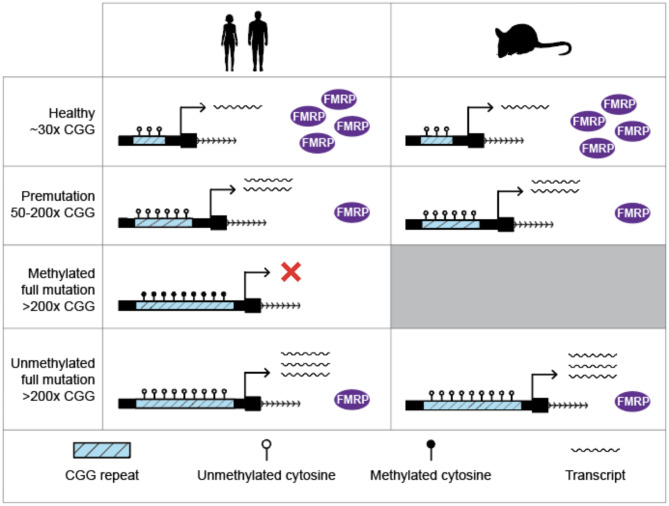 Figure 1
 Figure 2
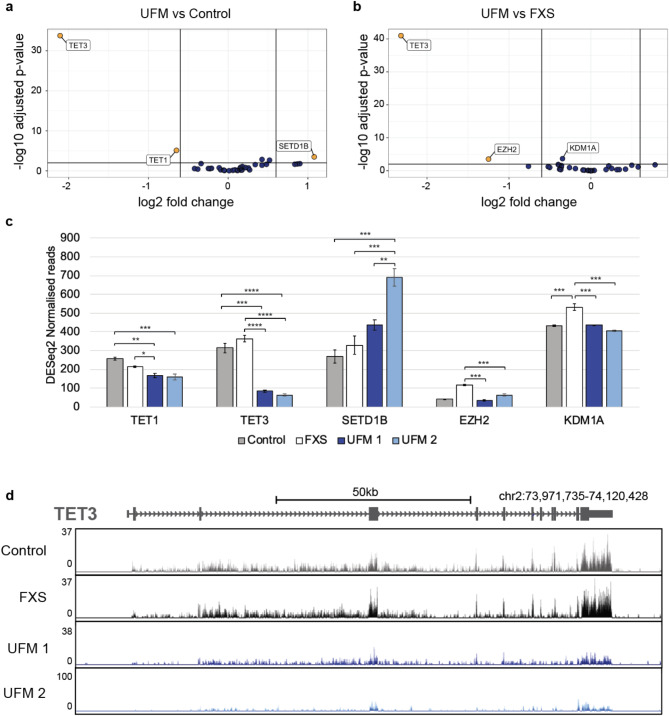 Figure 3
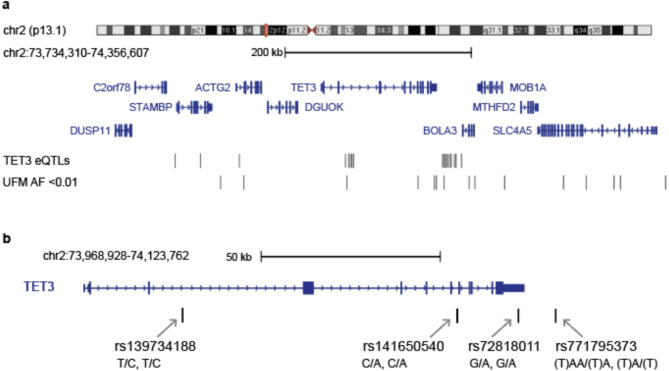 Figure 4
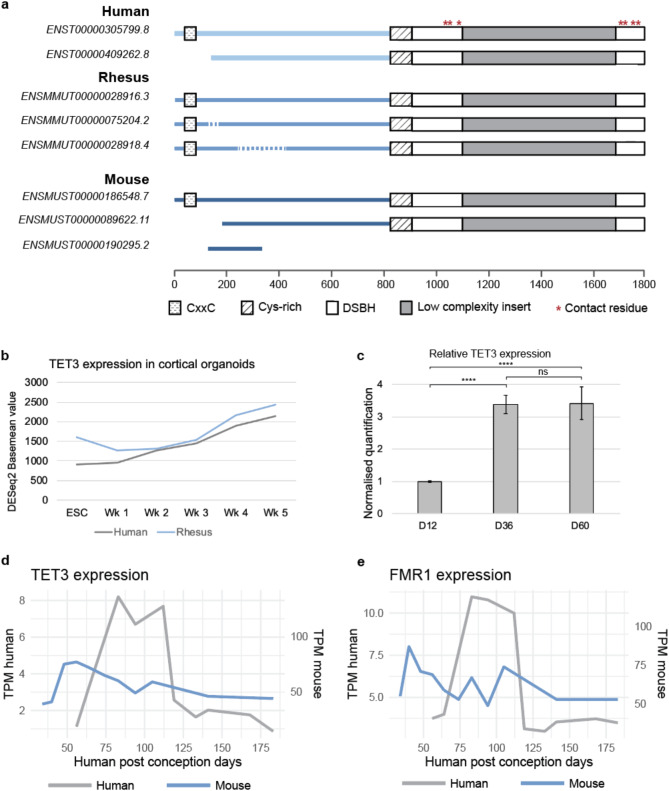 Figure 5
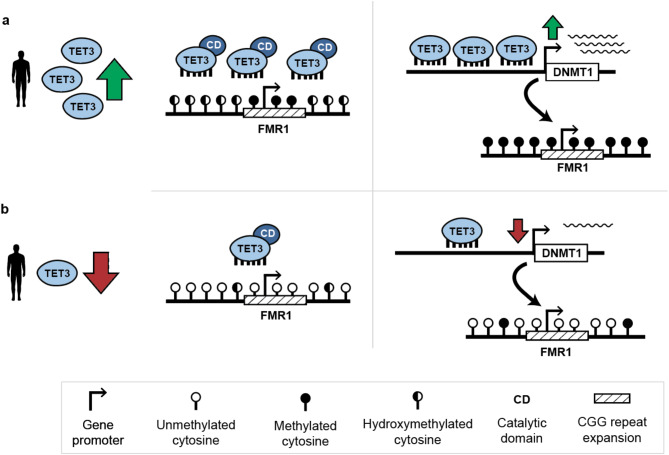 Figure 6
Peer Reviews
No public reviews on file for this paper yet. If you reviewed it on a platform where reviews are public (OpenReview, ICLR, NeurIPS, ICML), you can paste yours below so the community can read it here.
Videos
No videos yet. Explain this paper in a talk, walkthrough, or lecture? Add one.
Taxonomy
TopicsGenetics and Neurodevelopmental Disorders · Epigenetics and DNA Methylation · RNA modifications and cancer