Adaptive evolution of cytochrome b in songbirds
Hagai Rottenberg

TL;DR
Songbirds evolved changes in a key mitochondrial protein to reduce harmful superoxide production, possibly increasing lifespan and brain function.
Contribution
Identified songbird-specific cytochrome b substitutions that modulate mitochondrial superoxide production.
Findings
Songbird-specific substitutions cluster around critical bc1 complex sites, including heme BH and ubiquinone reduction site Qi.
Substitutions in the Rieske protein hinge region suggest modulation of electron transfer and superoxide generation.
These changes are hypothesized to reduce superoxide production, enhancing songbird lifespan and cognition.
Abstract
The mitochondrial bc1 complex catalyzes the oxidation of ubiquinol by reducing cytochrome c. Cytochrome b, the catalytic core of bc1, generates superoxide during the oxidation of ubiquinol. Excessive superoxide production is known to accelerate aging and neurodegeneration. Songbirds (oscine, Passeri) exhibit lower production of mitochondrial reactive oxygen species (ROS) and greatly accelerated evolution of cytochrome b, relative to all other modern birds, suggesting adaptive selection for lower generation of ROS. Here, we identified songbird-specific substitutions in modern bird's cytochrome b amino-acid sequences and examined the high-resolution structures of the chicken bc1 complex in an effort to predict the effect of these substitutions on the function of bc1. Many of the songbird-specific substitutions cluster around sites that are critical for the function of bc1. One cluster of…
Genes, proteins, chemicals, diseases, species, mutations and cell lines named across the full text — each resolved to its canonical identifier and authoritative record.
Click any figure to enlarge with its caption.
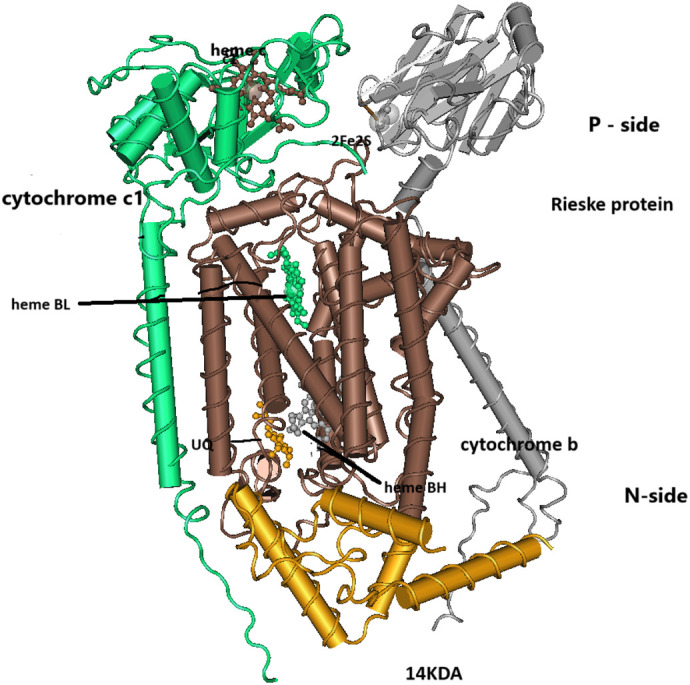 Figure 1
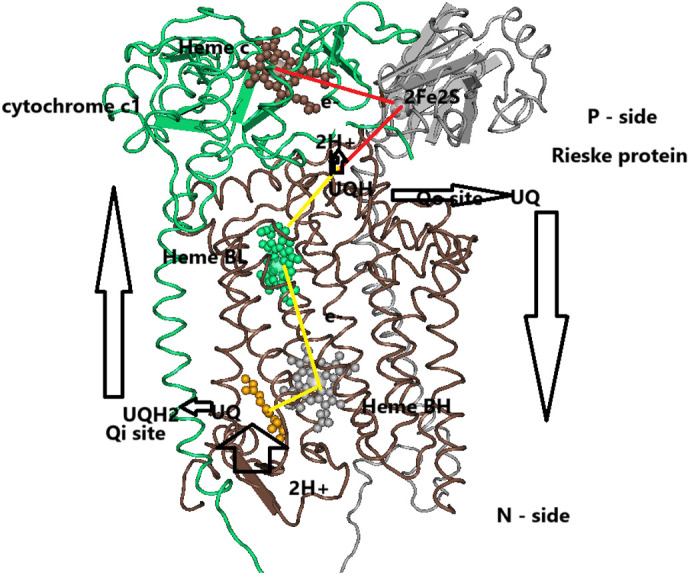 Figure 2
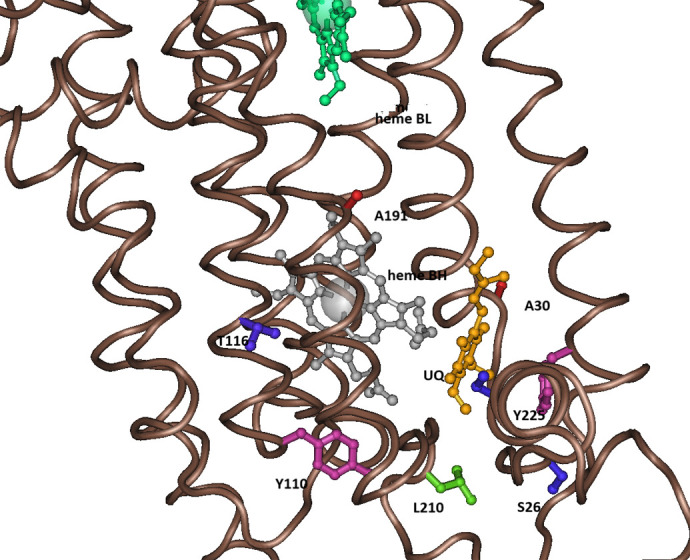 Figure 3
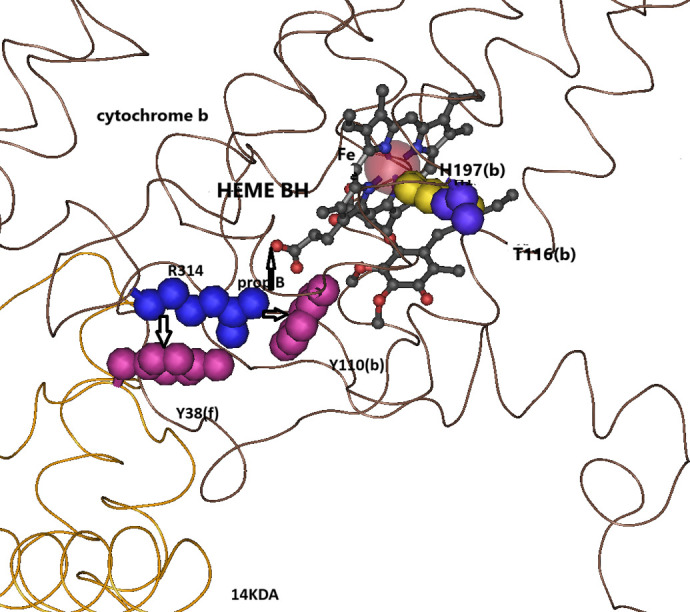 Figure 4
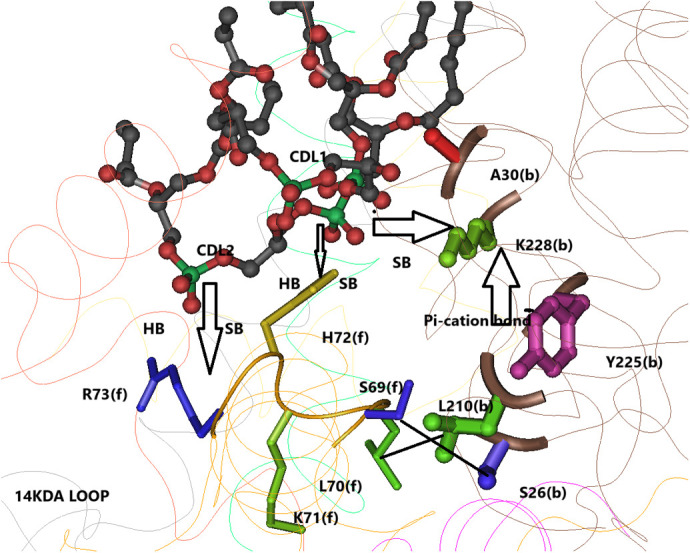 Figure 5
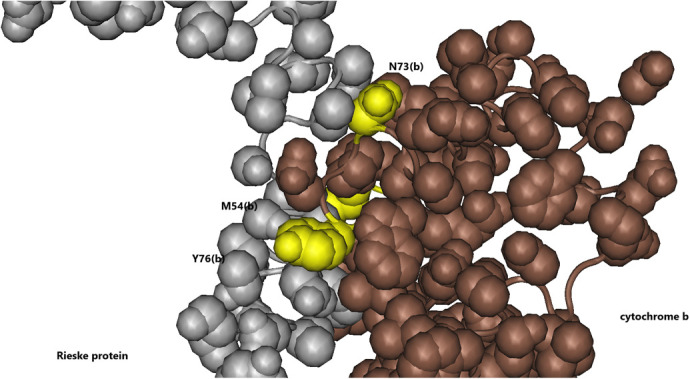 Figure 6
Peer Reviews
No public reviews on file for this paper yet. If you reviewed it on a platform where reviews are public (OpenReview, ICLR, NeurIPS, ICML), you can paste yours below so the community can read it here.
Videos
No videos yet. Explain this paper in a talk, walkthrough, or lecture? Add one.
Taxonomy
TopicsPhysiological and biochemical adaptations · Mitochondrial Function and Pathology · Photosynthetic Processes and Mechanisms