Two-year outcomes following modified transsylvian peri-insular hemispherotomy
Samuel B. Tomlinson, Kathleen Galligan, Sudha K. Kessler, Benjamin C. Kennedy

TL;DR
A modified surgical technique for treating drug-resistant epilepsy in children leads to high seizure freedom and low complications over two years.
Contribution
A modified transsylvian peri-insular hemispherotomy technique achieves excellent long-term seizure outcomes with minimal complications.
Findings
All 32 patients were seizure-free at 12 and 24 months post-surgery.
71% of patients were weaned off anti-seizure medications by 24 months.
Only 3% of patients experienced complications requiring additional treatment.
Abstract
Hemispherotomy is an effective treatment for well-selected patients with drug-resistant hemispheric epilepsy. Successful hemispherotomy leading to seizure cessation has been associated with improved neurodevelopmental outcomes and reduced healthcare utilization. This study reports seizure outcomes and complications in a large, consecutive, single-surgeon series of pediatric hemispherotomy cases using a surgical approach with modifications to previously-reported techniques. All patients undergoing transsylvian peri-insular hemispherotomy for drug-resistant hemispheric epilepsy between May 2017 and April 2021 by a single surgeon were prospectively enrolled in an epilepsy surgery registry. With retrospective review of medical records, data were collected on baseline characteristics (demographics, epilepsy history, anti-seizure medications, neurodevelopmental status, EEG features, and…
Genes, proteins, chemicals, diseases, species, mutations and cell lines named across the full text — each resolved to its canonical identifier and authoritative record.
Click any figure to enlarge with its caption.
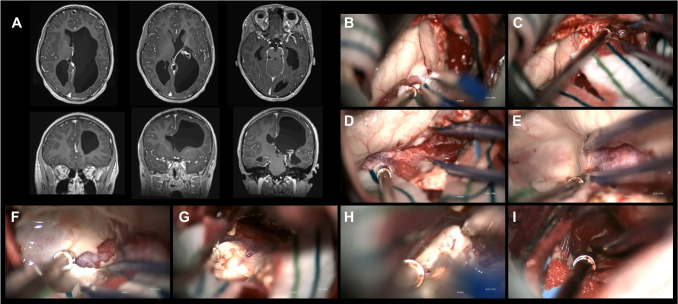 Figure 1
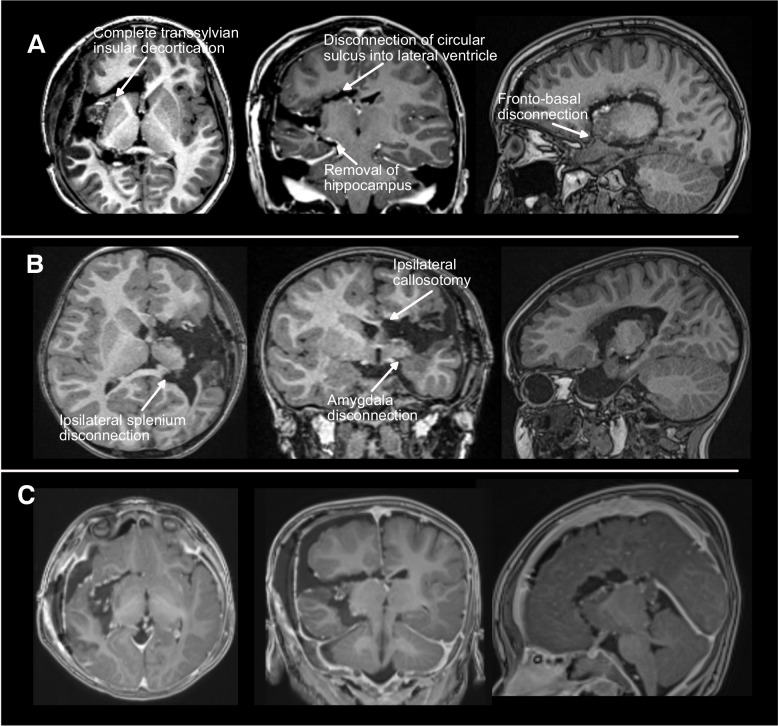 Figure 2
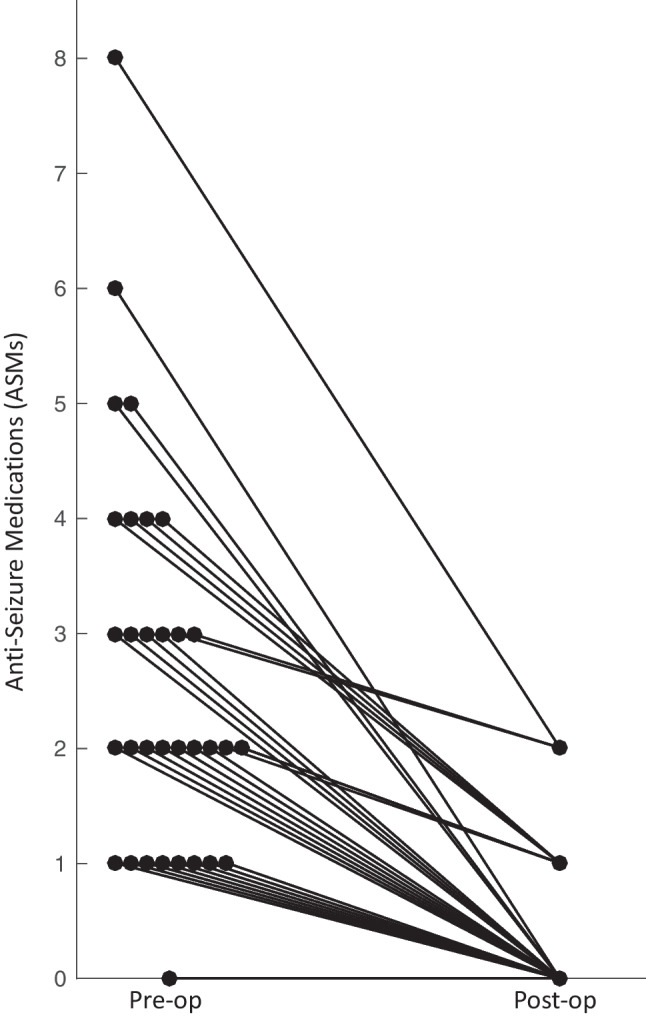 Figure 3
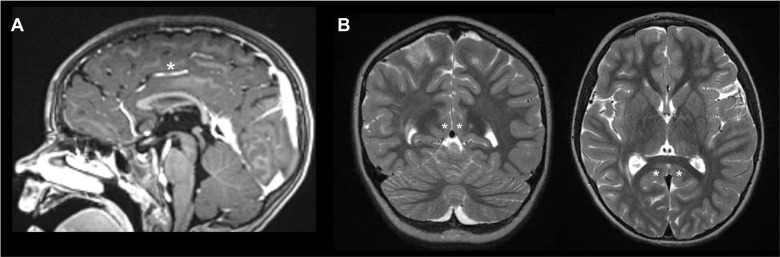 Figure 4
Peer Reviews
No public reviews on file for this paper yet. If you reviewed it on a platform where reviews are public (OpenReview, ICLR, NeurIPS, ICML), you can paste yours below so the community can read it here.
Videos
No videos yet. Explain this paper in a talk, walkthrough, or lecture? Add one.
Taxonomy
TopicsEpilepsy research and treatment · Cerebrospinal fluid and hydrocephalus · Neonatal and fetal brain pathology