Deep neural networks and stochastic methods for cognitive modeling of rat behavioral dynamics in 𝕋-mazes
Ali Turab, Josué-Antonio Nescolarde-Selva, Farhan Ullah, Andrés Montoyo, Cicik Alfiniyah, Wutiphol Sintunavarat, Doaa Rizk, Shujaat Ali Zaidi

TL;DR
This paper combines deep learning and stochastic models to study how rats make decisions in T-mazes, improving prediction accuracy and understanding of their behavior.
Contribution
A novel hybrid CNN-LSTM model integrating stochastic methods for cognitive modeling of rat behavior in T-mazes, achieving higher accuracy than traditional models.
Findings
The hybrid CNN-LSTM model achieved 82.24% classification accuracy in predicting rat behavior.
Stochastic methods combined with deep learning provide better behavioral sequence modeling from partial observations.
Monte Carlo simulations validated the model's predictive output against expected trajectories.
Abstract
Modeling animal decision-making requires mathematical rigor and computational analysis to capture underlying cognitive mechanisms. This study presents a cognitive model for rat decision-making behavior in \documentclass[12pt]{minimal} \usepackage{amsmath} \usepackage{wasysym} \usepackage{amsfonts} \usepackage{amssymb} \usepackage{amsbsy} \usepackage{mathrsfs} \usepackage{upgreek} \setlength{\oddsidemargin}{-69pt} \begin{document}\end{document}T-mazes by combining stochastic methods with deep neural architectures. The model adapts Wyckoff’s stochastic framework, originally grounded in Bush’s discrimination learning theory, to describe probabilistic transitions between directional choices under reinforcement contingencies. The existence and uniqueness of solutions are demonstrated via fixed-point theorems, ensuring the formulation is…
Genes, proteins, chemicals, diseases, species, mutations and cell lines named across the full text — each resolved to its canonical identifier and authoritative record.
Click any figure to enlarge with its caption.
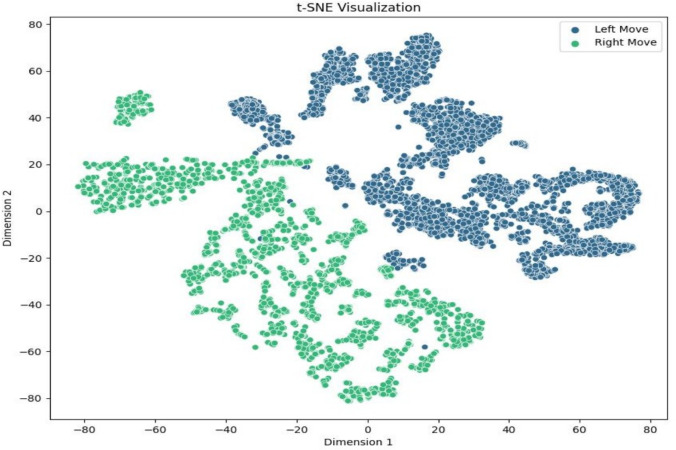 Figure 10
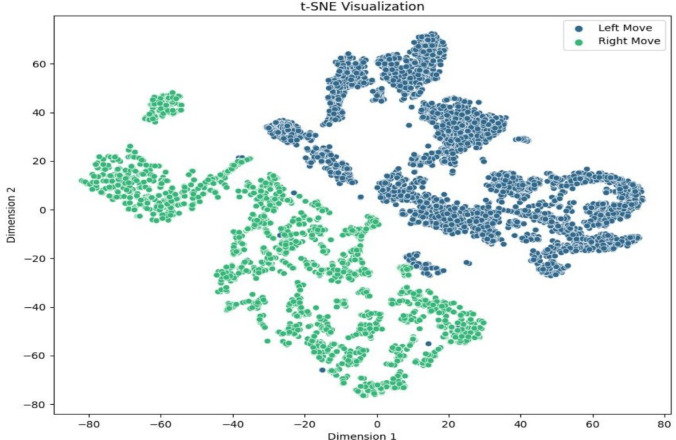 Figure 11
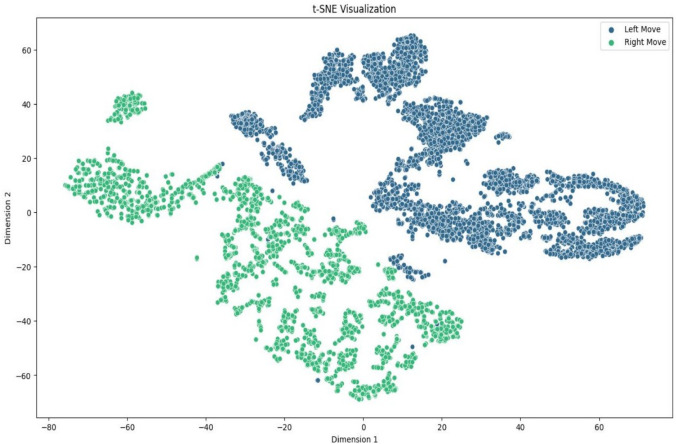 Figure 12
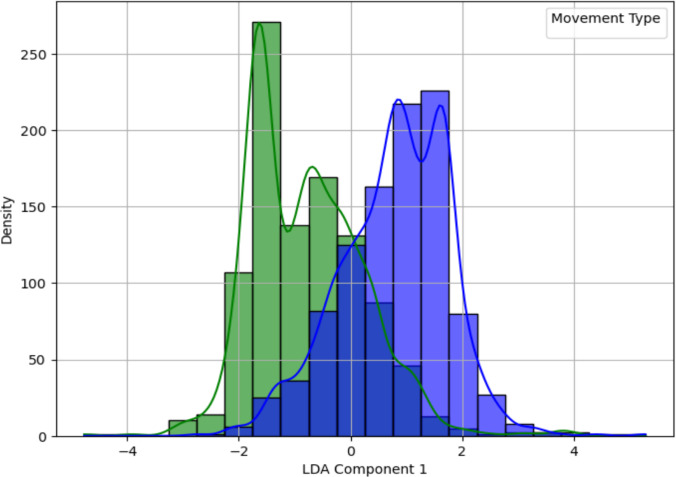 Figure 13
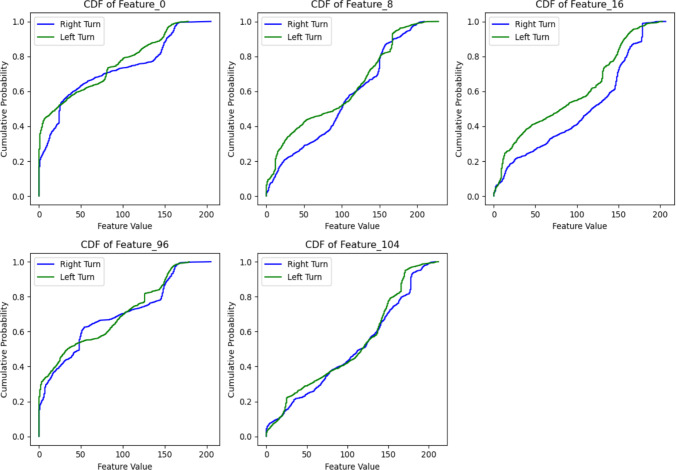 Figure 14
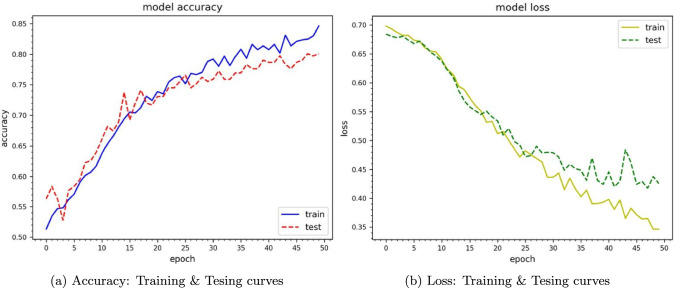 Figure 15
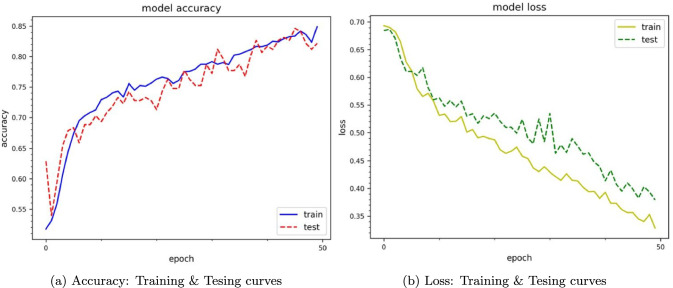 Figure 16
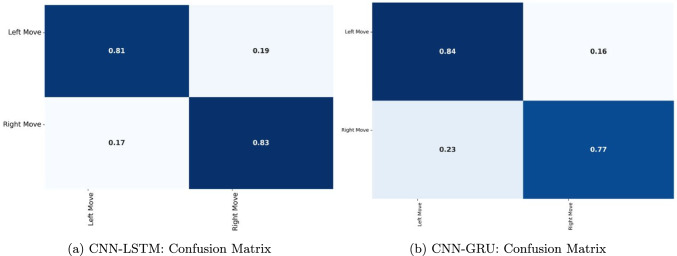 Figure 17
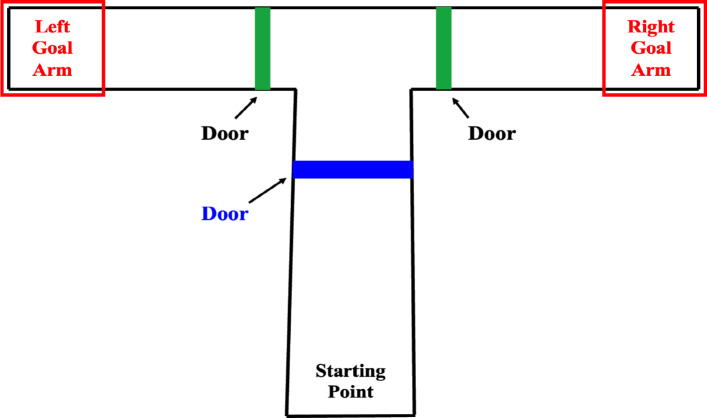 Figure 1
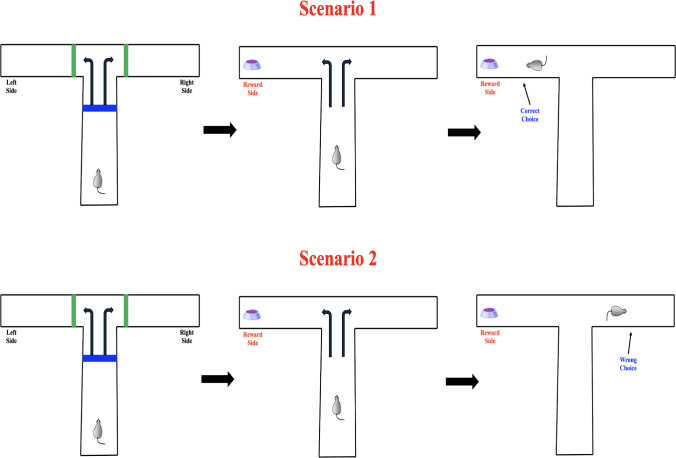 Figure 2
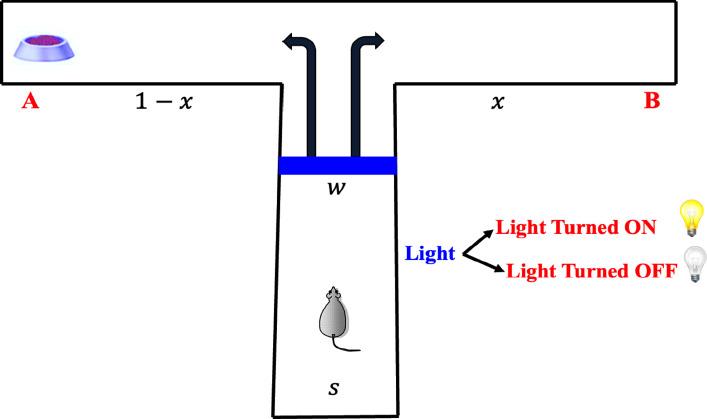 Figure 3
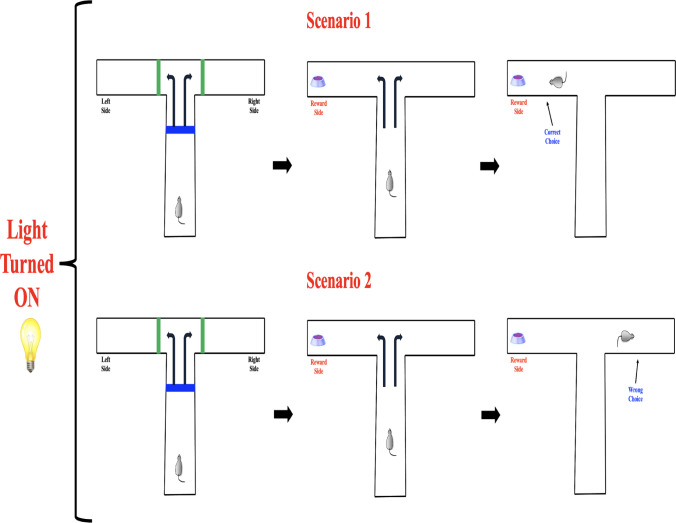 Figure 4
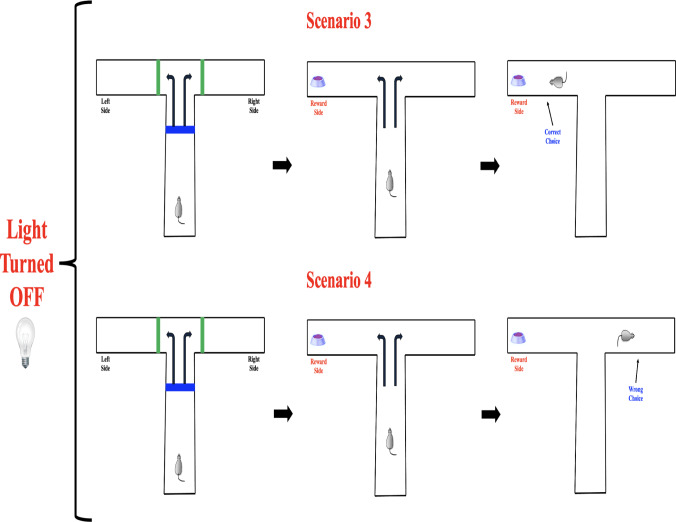 Figure 5
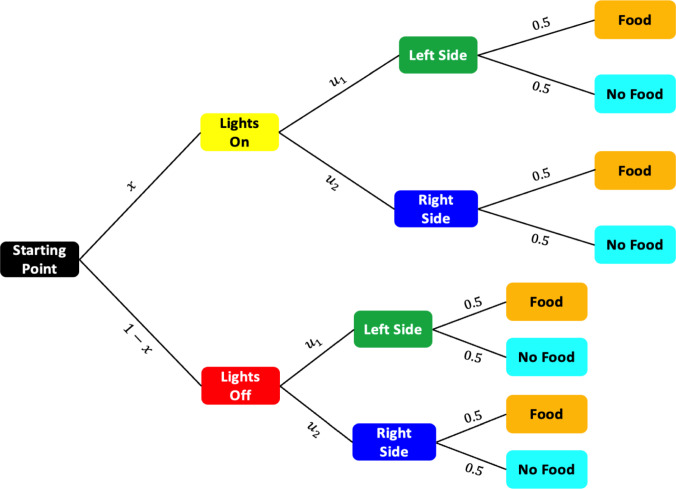 Figure 6
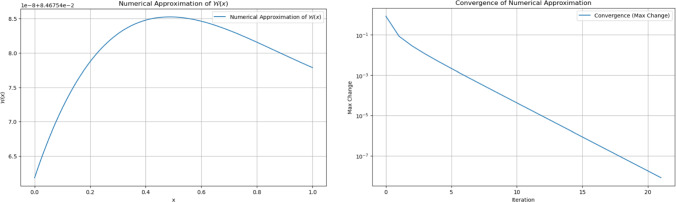 Figure 7
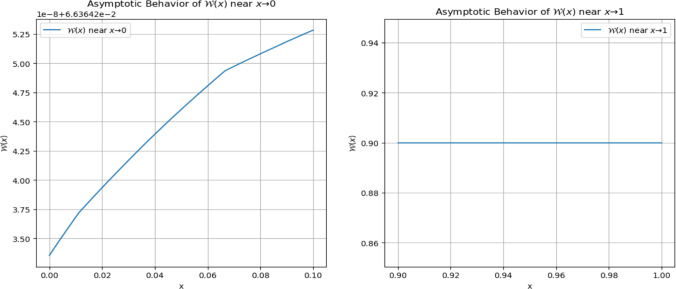 Figure 8
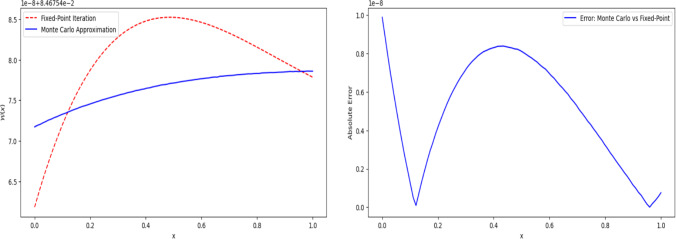 Figure 9
Peer Reviews
No public reviews on file for this paper yet. If you reviewed it on a platform where reviews are public (OpenReview, ICLR, NeurIPS, ICML), you can paste yours below so the community can read it here.
Videos
No videos yet. Explain this paper in a talk, walkthrough, or lecture? Add one.
Taxonomy
TopicsGene Regulatory Network Analysis · Neural dynamics and brain function · Memory and Neural Mechanisms