A Technologist’s Vigilance: Identifying and Correcting a Cotton Ball-Induced MRI Artefact to Prevent Misdiagnosis in Pediatric Patients
Longping Liu, Nan Zhou, Xiaoli Zheng, Weiguo Cao

TL;DR
This paper highlights how a wet cotton ball can cause MRI artifacts in children, leading to potential misdiagnosis, and emphasizes the need for better awareness among MRI technologists.
Contribution
Identifies a rare, non-metallic source of MRI artifacts—wet cotton balls—and provides insights to prevent misdiagnosis in pediatric patients.
Findings
Wet cotton balls can create wrap-around MRI artifacts resembling pathological conditions.
Artifacts appeared as high signals on T2WI and T2FLAIR but varied on T1WI.
Removing the cotton ball eliminated the artifacts, confirming their source.
Abstract
Wrap-around artefacts in magnetic resonance imaging (MRI) are common, typically caused by anatomical structures outside the Field of View (FOV) overlapping into the imaging area. This paper reports a rare source of wrap-around artifact, a wet cotton ball, whose image was inadvertently included in cranial imaging, potentially leading to misdiagnosis as pathological conditions such as otomastoiditis, postoperative changes, or intracranial hemorrhage. Hence, there is a need to enhance MRI technologists' awareness of such artifacts. We analyzed four consecutive cases of cranial MRI scans with similar artifacts, all located on the right side of the brain but in different regions. On axial T2-weighted images (T2WI) and T2 fluid-attenuated inversion recovery (T2FLAIR) sequences, the artifacts appeared as oval-shaped, relatively well-defined heterogeneous high signals. On axial T1-weighted…
Genes, proteins, chemicals, diseases, species, mutations and cell lines named across the full text — each resolved to its canonical identifier and authoritative record.
Click any figure to enlarge with its caption.
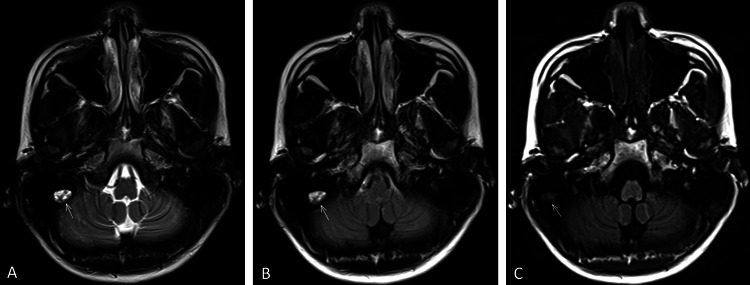 Figure 1
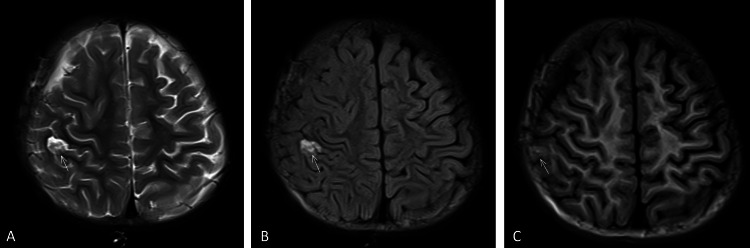 Figure 2
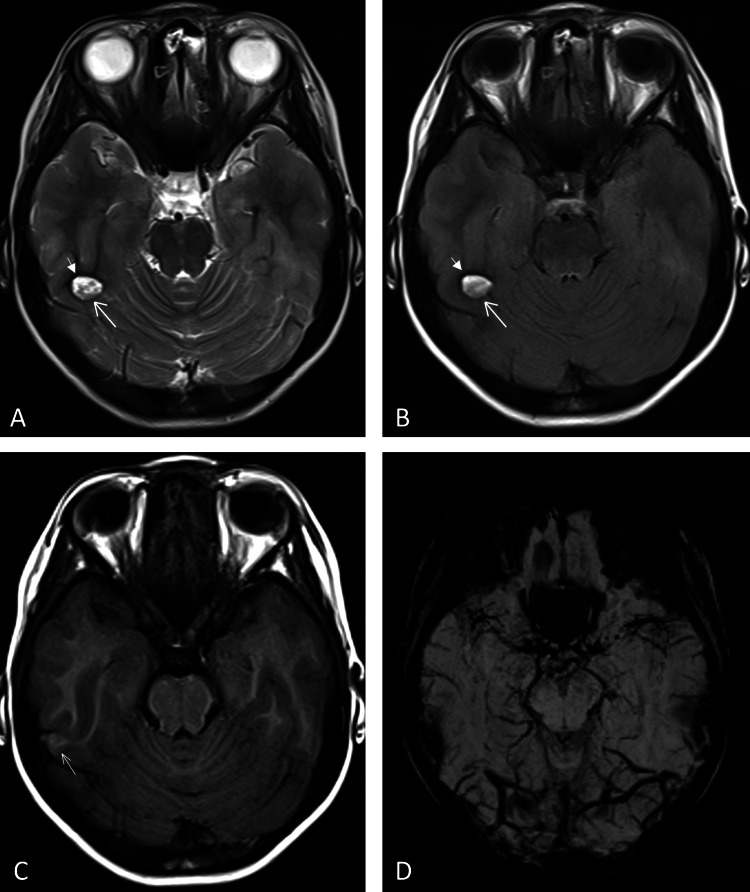 Figure 3
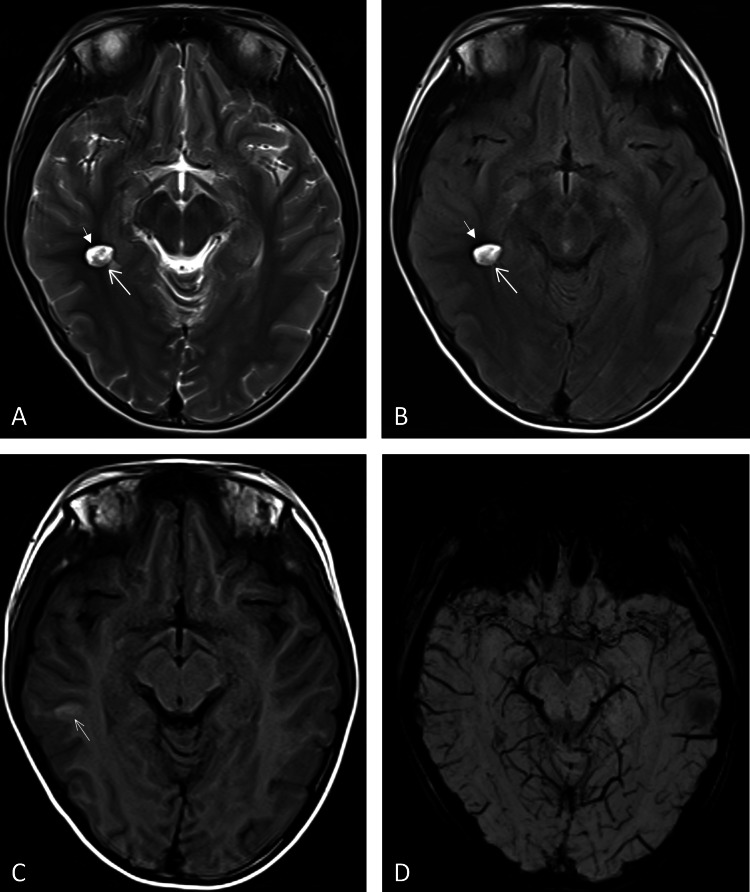 Figure 4
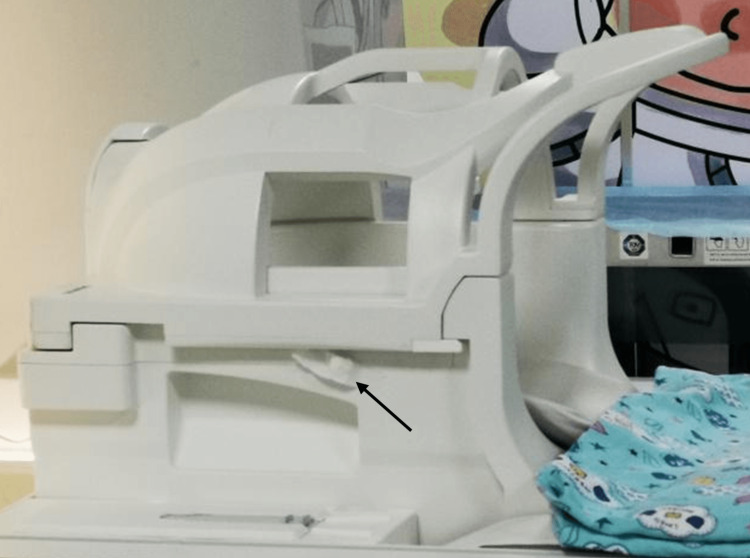 Figure 5
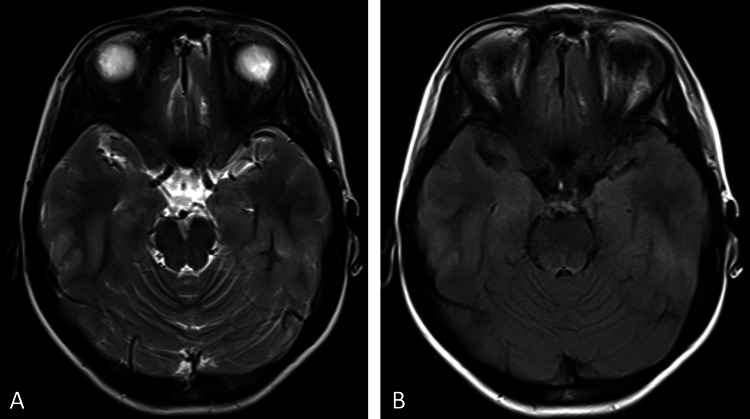 Figure 6
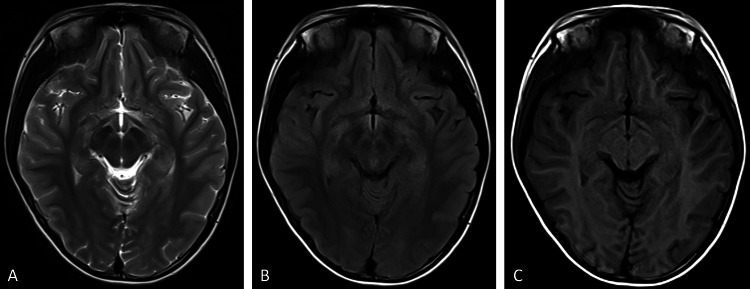 Figure 7
Peer Reviews
No public reviews on file for this paper yet. If you reviewed it on a platform where reviews are public (OpenReview, ICLR, NeurIPS, ICML), you can paste yours below so the community can read it here.
Videos
No videos yet. Explain this paper in a talk, walkthrough, or lecture? Add one.
Taxonomy
TopicsAdvanced MRI Techniques and Applications · Advanced Neuroimaging Techniques and Applications · Fetal and Pediatric Neurological Disorders