Unidirectional Orbit Determination for Extended Users Based on Navigation Ka-Band Inter-Satellite Links
Yong Shangguan, Hua Zhang, Yong Yu, Wenjin Wang, Bin Liu, Haihan Li, Rong Ma

TL;DR
This paper introduces a new method for determining satellite orbits using Ka-band inter-satellite links, enabling high-precision orbit determination without atomic clocks.
Contribution
The paper presents a novel unidirectional orbit-determination technology for extended users using Ka-band inter-satellite links.
Findings
The method achieves time and frequency accuracies improved by three and two orders of magnitude, respectively.
Orbit determination calculations reach an accuracy of less than 100 meters.
The approach enables high-precision orbit determination with minimal time slot resources.
Abstract
Traditional spacecraft orbit determination primarily employs two methodologies: ground station/survey ship-based orbit determination and global navigation satellite system (GNSS)-based orbit determination. The ground tracking measurement system, reliant on multiple tracking stations or ships, presents a less favorable efficiency-to-cost ratio. For high-orbit satellites, GNSS orbit determination is hindered by a limited number of receivable satellites, weak signal strength and suboptimal geometric configurations, thereby failing to meet the demands for the continuous, high-precision orbit measurement of overseas high-orbit satellites. Satellite navigation systems, characterized by global coverage and Ka-band inter-satellite links, offer measurement and communication services to extended users, such as satellites, aircraft, space stations and other spacecraft. With the widespread adoption…
Genes, proteins, chemicals, diseases, species, mutations and cell lines named across the full text — each resolved to its canonical identifier and authoritative record.
Click any figure to enlarge with its caption.
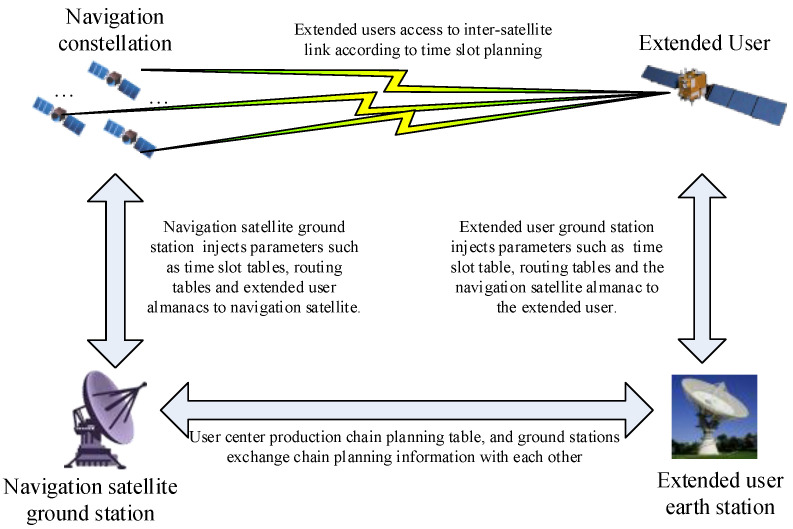 Figure 1
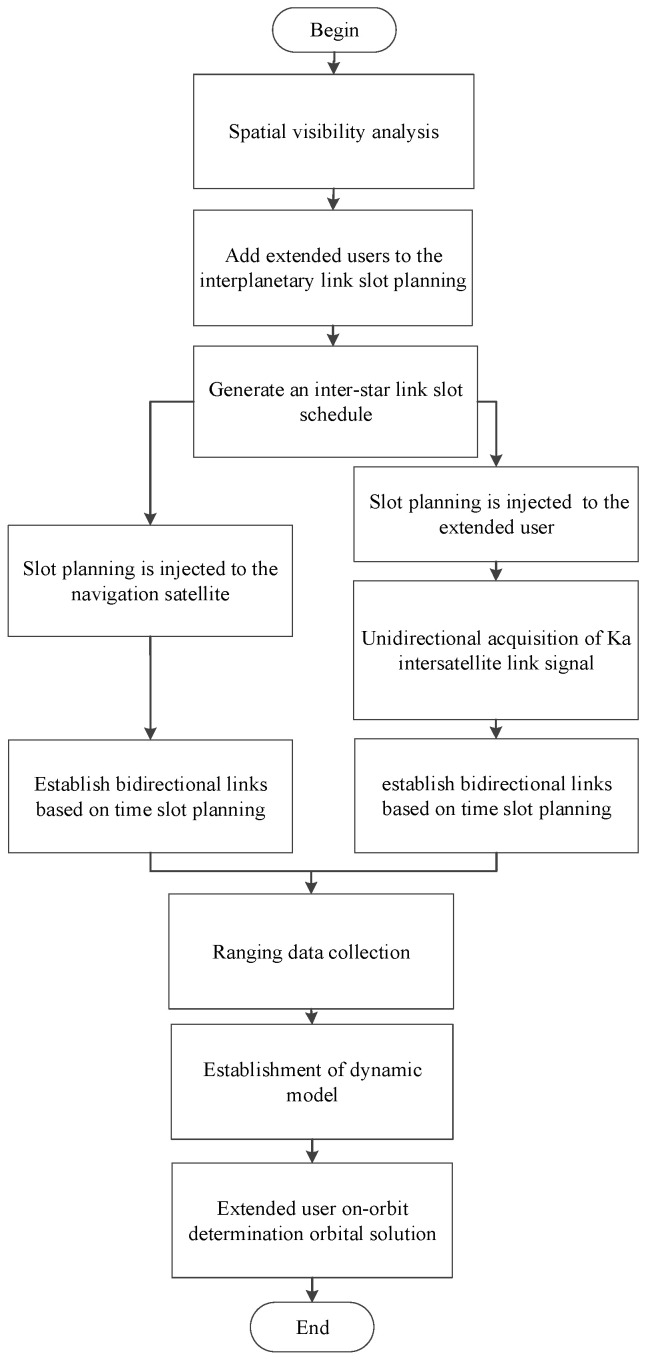 Figure 2
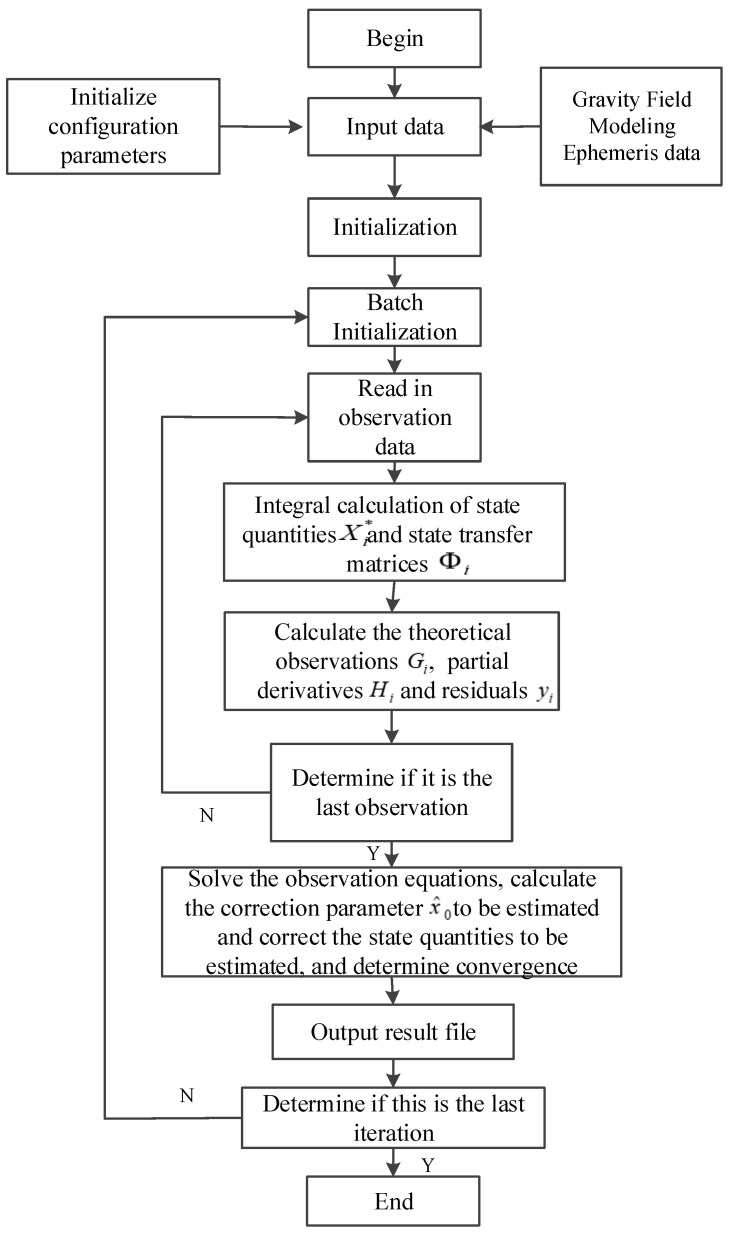 Figure 3
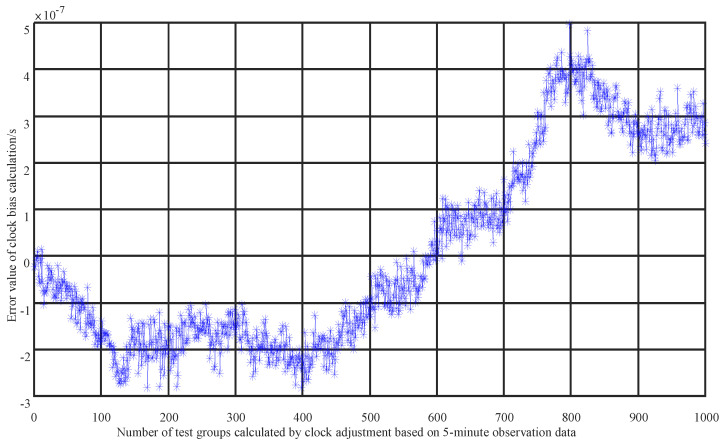 Figure 4
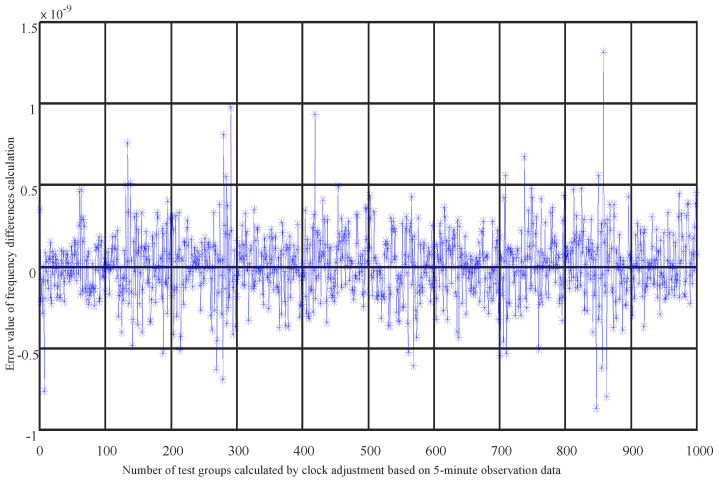 Figure 5
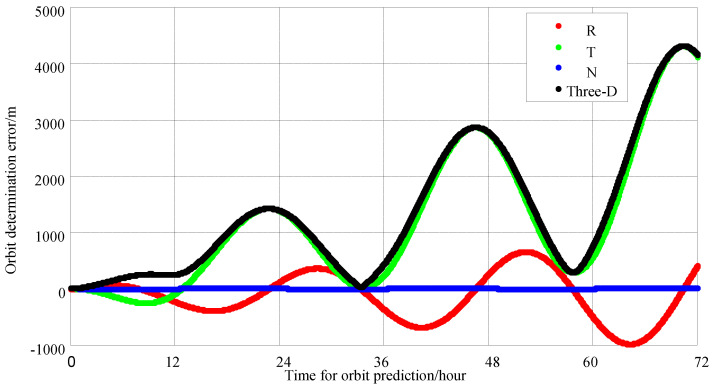 Figure 6
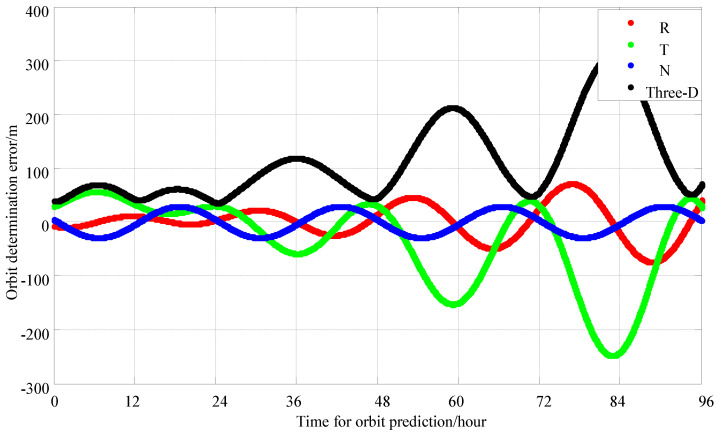 Figure 7
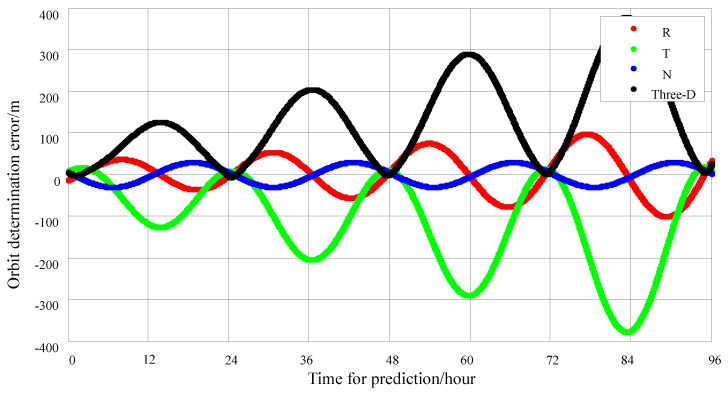 Figure 8
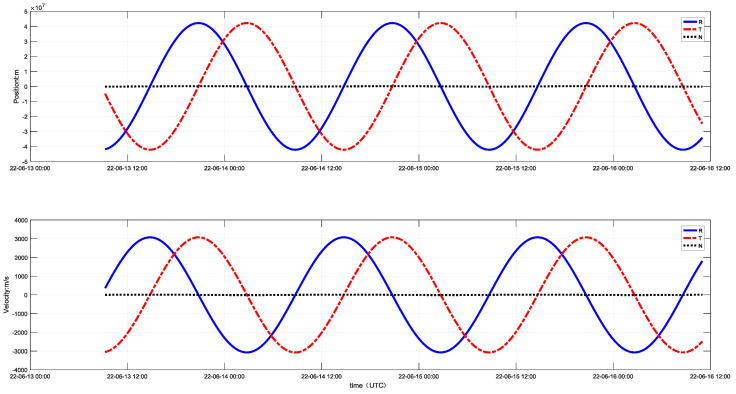 Figure 9
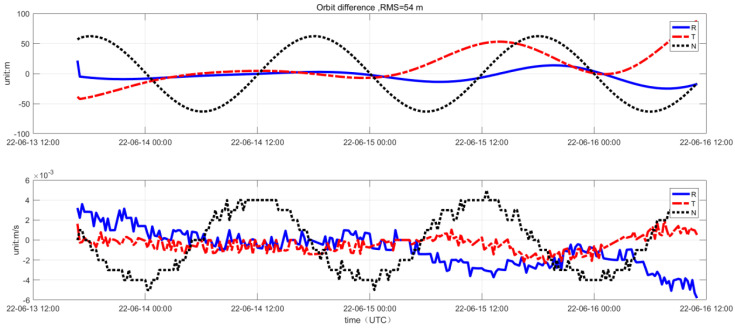 Figure 10
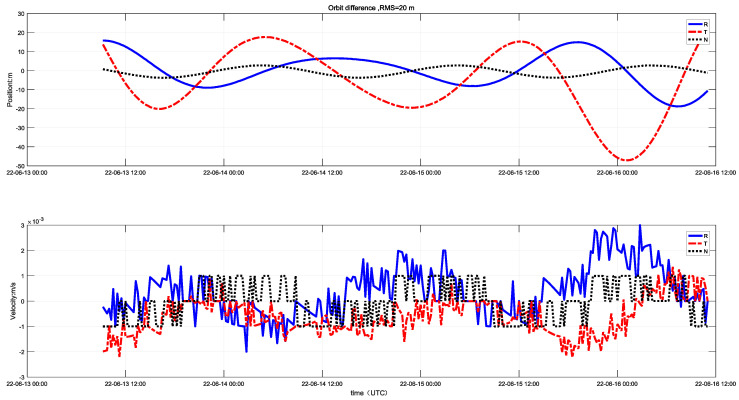 Figure 11
Peer Reviews
No public reviews on file for this paper yet. If you reviewed it on a platform where reviews are public (OpenReview, ICLR, NeurIPS, ICML), you can paste yours below so the community can read it here.
Videos
No videos yet. Explain this paper in a talk, walkthrough, or lecture? Add one.
Taxonomy
TopicsAdvanced Frequency and Time Standards · GNSS positioning and interference · Inertial Sensor and Navigation