Development of a Deep-Learning-Based Computerized Scoring Algorithm
Junghyun Heo, Layoung Hwang

TL;DR
This paper introduces a deep-learning-based system to improve the accuracy of polygraph tests by reducing human bias and handling complex biological signals.
Contribution
A novel deep neural network-based computerized scoring system for polygraphs is developed to address limitations of traditional linear models.
Findings
The deep-learning model achieved high recall, precision, and F1 scores of 0.9681, 0.9700, and 0.9683, respectively.
The system outperformed conventional linear classifier-based polygraph scoring methods.
The model effectively handles nonlinear bio-signals, reducing examiner bias.
Abstract
During polygraph tests, the examiner evaluates physiological responses recorded on a chart to identify deception. Generally, this evaluation involves a numerical scoring system. However, biases related to politics, region, and religion, as well as personal factors such as fatigue and stress, can lead to inaccuracies in the examiner’s judgment. To solve these problems, computerized scoring systems (CSSs) that automatically analyze charts have been introduced, aiming to reduce human error. Conventional CSS models, which rely on linear classifiers, struggle with the nonlinear nature of biological signals, resulting in poor performance. Therefore, it is crucial to incorporate deep learning structures such as deep neural networks, which account for the nonlinearity of bio-signals, to enhance effectiveness of CSSs. This paper introduces a Korean computerized scoring system that leverages a…
Genes, proteins, chemicals, diseases, species, mutations and cell lines named across the full text — each resolved to its canonical identifier and authoritative record.
Click any figure to enlarge with its caption.
 Figure 1
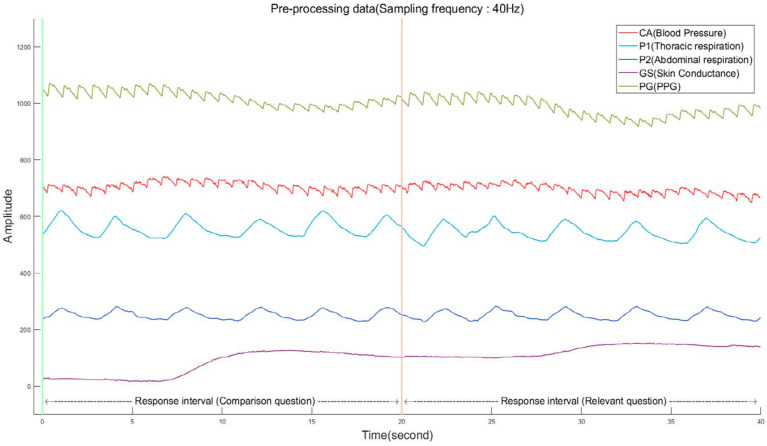 Figure 2
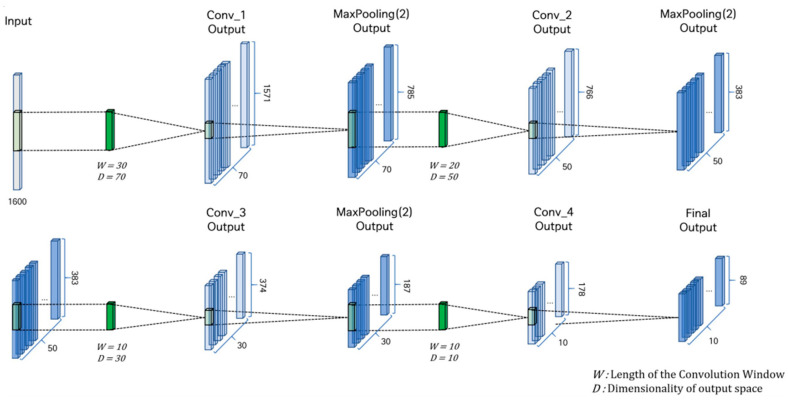 Figure 3
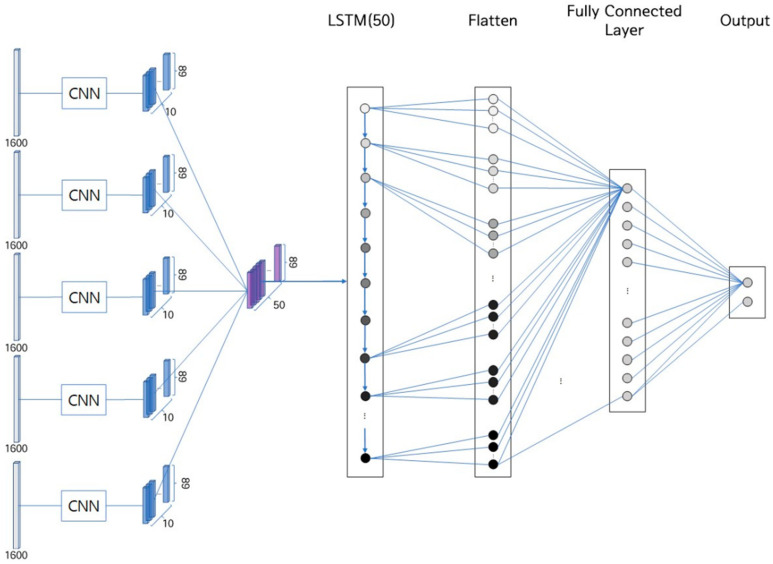 Figure 4
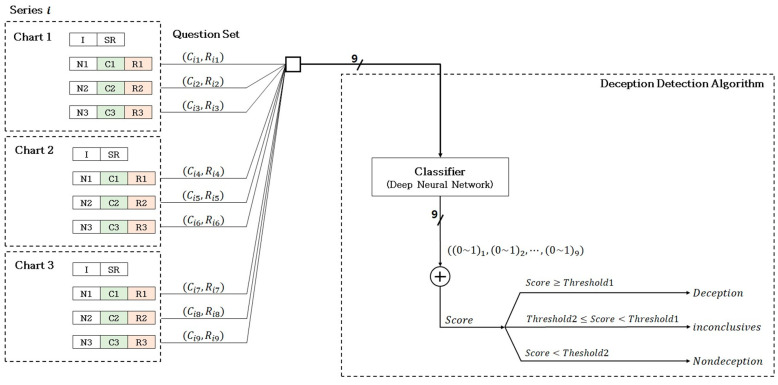 Figure 5
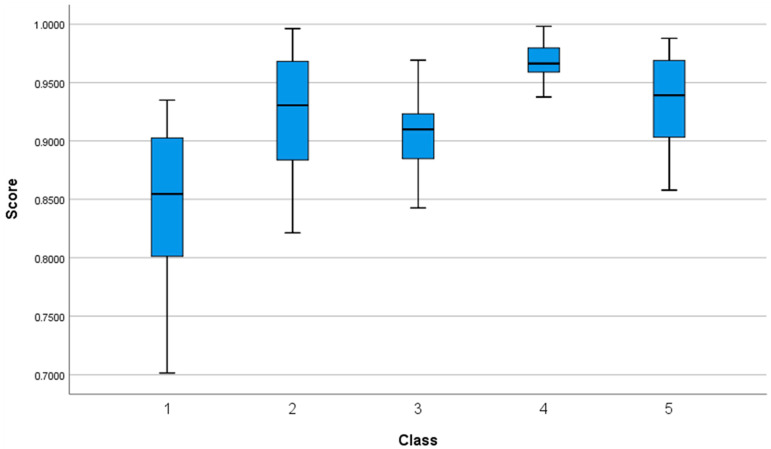 Figure 6
Peer Reviews
No public reviews on file for this paper yet. If you reviewed it on a platform where reviews are public (OpenReview, ICLR, NeurIPS, ICML), you can paste yours below so the community can read it here.
Videos
No videos yet. Explain this paper in a talk, walkthrough, or lecture? Add one.
Taxonomy
TopicsDeception detection and forensic psychology · Information and Cyber Security · Adversarial Robustness in Machine Learning