Semi-Correlations for the Simulation of Dermal Toxicity
Andrey A. Toropov, Alla P. Toropova, Alessandra Roncaglioni, Emilio Benfenati

TL;DR
This paper explores using semi-correlations to model acute dermal toxicity, a health risk from harmful substances entering through the skin.
Contribution
The novelty lies in applying semi-correlations, a specific type of correlation, to model dermal toxicity for computational experiments.
Findings
Semi-correlations can model binary presence or absence of dermal toxicity.
The approach is computationally feasible using the freely available CORAL software.
Abstract
The skin is the primary pathway for harmful substances to enter the body and a susceptible target organ, making compound-induced acute dermal toxicity a significant health risk. In this work, the possibility of modelling dermal toxicity using so-called semi-correlations is studied. Semi-correlations are a specific case of correlations, where one variable takes only two values. For example, 0 denotes the absence of activity (e.g., dermal toxicity), and 1 denotes the presence of activity. The described computational experiments can be carried out by interested readers using the freely available software CORAL.
Genes, proteins, chemicals, diseases, species, mutations and cell lines named across the full text — each resolved to its canonical identifier and authoritative record.
Click any figure to enlarge with its caption.
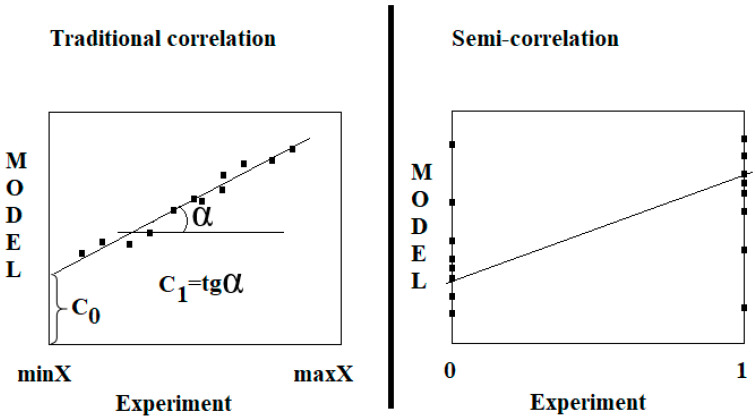 Figure 1
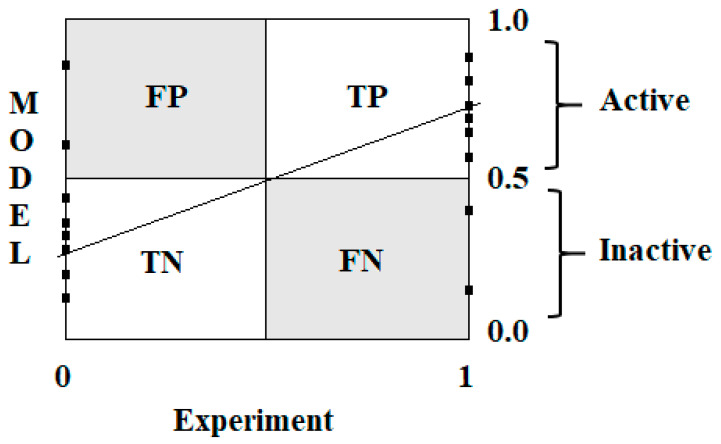 Figure 2
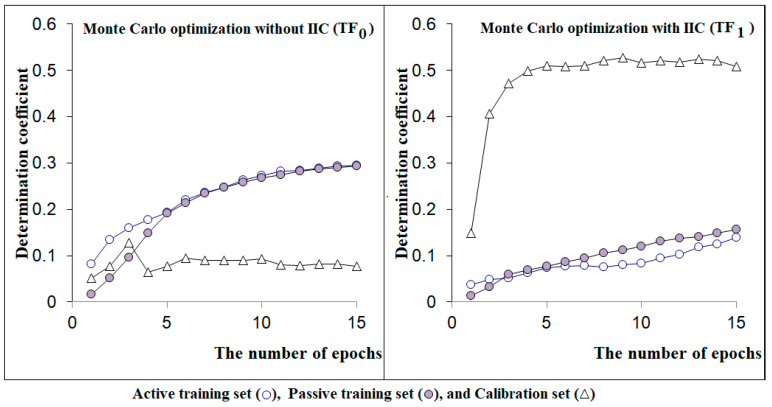 Figure 3
Peer Reviews
No public reviews on file for this paper yet. If you reviewed it on a platform where reviews are public (OpenReview, ICLR, NeurIPS, ICML), you can paste yours below so the community can read it here.
Videos
No videos yet. Explain this paper in a talk, walkthrough, or lecture? Add one.
Taxonomy
TopicsComputational Drug Discovery Methods · Analytical Chemistry and Chromatography · thermodynamics and calorimetric analyses