Mycological Survey and Antifungal Susceptibility Evaluation of Candida albicans Isolates in European Hedgehogs (Erinaceus europaeus)
Leonardo Brustenga, Giulia Morganti, Marco Gobbi, Alice Ranucci, Giulia Rigamonti, Iolanda Moretta, Manuela Diaferia, Nicoletta D’Avino, Deborah Cruciani, Marcella Ciullo, Francesca Romana Massacci, Silvia Crotti

TL;DR
This study found that European hedgehogs carry Candida albicans, a yeast that is highly susceptible to antifungal treatments, highlighting the need for public health awareness.
Contribution
The study provides new data on the prevalence and antifungal susceptibility of Candida albicans in European hedgehogs.
Findings
Candida albicans was the most common yeast found in 25.6% of sampled hedgehogs.
All Candida albicans isolates showed high susceptibility to antifungal treatments.
Dermatophytes were rare, with only one case of Paraphyton mirabile observed.
Abstract
European hedgehogs can pose health risks to humans, particularly in areas where they live in close contact. A study of 134 hedgehogs (2020–2023) examined potential zoonotic fungi. While dermatophytes were rare (with only one case of Paraphyton mirabile observed), yeasts were more common, detected in 25.6% of the sampled hedgehogs. The most frequent yeast was Candida albicans, followed by Yarrowia lipolytica, Rhodotorula mucilaginosa, and Meyerozyma guilliermondii. Candida albicans isolates showed high susceptibility to antifungal treatments. This study highlights the importance of monitoring fungal species in wildlife and raising public awareness to protect human health. European hedgehogs are an important reservoir for many pathogens of health interest. Since hedgehogs live in close contact with humans, potential zoonotic fungi raise significant public health concerns, especially in…
Genes, proteins, chemicals, diseases, species, mutations and cell lines named across the full text — each resolved to its canonical identifier and authoritative record.
Click any figure to enlarge with its caption.
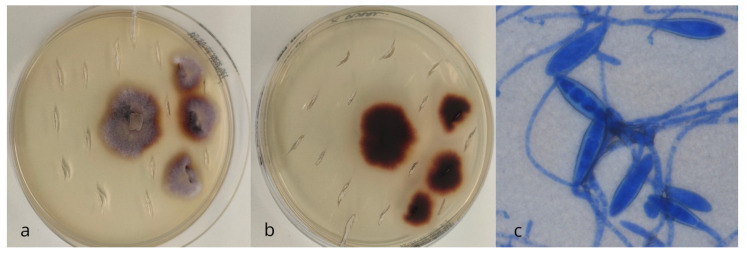 Figure 1
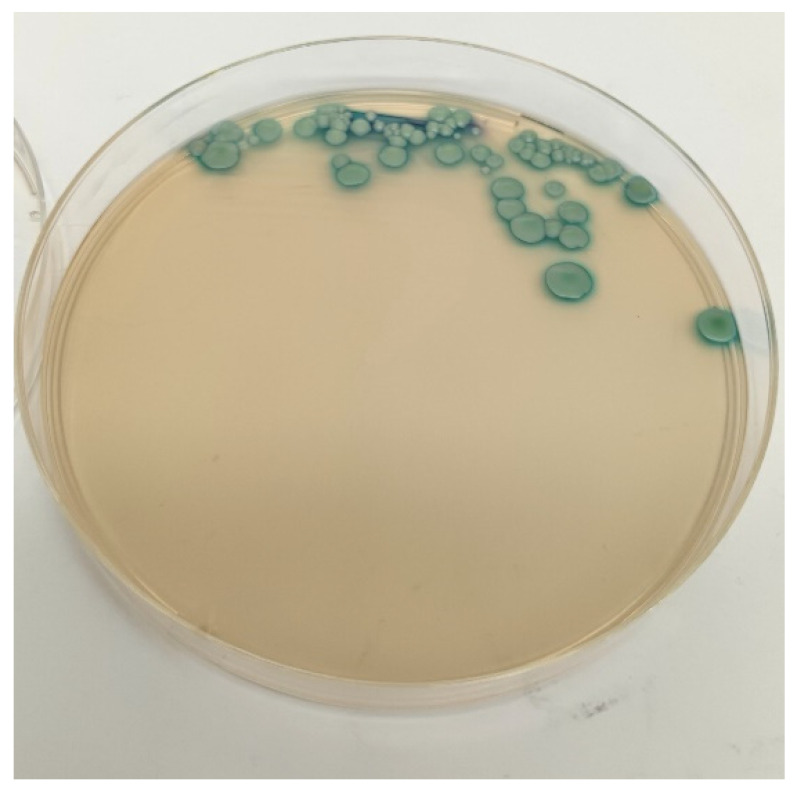 Figure 2
Peer Reviews
No public reviews on file for this paper yet. If you reviewed it on a platform where reviews are public (OpenReview, ICLR, NeurIPS, ICML), you can paste yours below so the community can read it here.
Videos
No videos yet. Explain this paper in a talk, walkthrough, or lecture? Add one.
Taxonomy
TopicsNail Diseases and Treatments · Veterinary Oncology Research · Allergic Rhinitis and Sensitization