Vaccination Against RhoC in Prostate Cancer Patients Induces Potent and Long-Lasting CD4+ T Cell Responses with Cytolytic Potential in the Absence of Clinical Efficacy: A Randomized Phase II Trial
Sara Fresnillo Saló, Juliane Schuhmacher, Anne Rahbech, Sara Ram Pedersen, Tina Seremet, Valero Andreu Matillas, Anna Schöllhorn, Andreas Røder, Steffen Wad Jørgensen, Klaus Brasso, Cécile Gouttefangeas, Per thor Straten

TL;DR
A prostate cancer vaccine induced strong immune responses but did not improve clinical outcomes in a trial.
Contribution
The study shows that RhoC vaccination generates long-lasting CD4+ T cells with cytotoxic potential in prostate cancer patients.
Findings
Vaccination induced potent and long-lasting CD4+ T cell responses with cytokine production and proliferation.
RV001-specific CD4+ T cells exhibited cytotoxicity against RhoC-expressing cancer cells in an HLA-class II-dependent manner.
No significant clinical benefit was observed in terms of PSA progression or time to second-line therapies.
Abstract
Background: A previous phase I/II study demonstrated potent and long-term immune responses in men with prostate cancer following vaccination with a 20mer synthetic peptide (RV001) derived from the Ras homolog gene family member C protein (RhoC). Moreover, a fraction of patients experienced prostate-specific antigen (PSA) responses, which prompted the initiation of a phase II double-blind randomized trial (NCT04114825). The primary endpoint was to study whether vaccination could postpone PSA progression. Furthermore, the study included an evaluation of vaccination-induced immune responses, and in-depth in vitro studies of RhoC-specific CD4+ T cell responses. Methods: Men with non-metastatic biochemical recurrence after either radical prostatectomy or radiation therapy were eligible for the study. Participants were randomized 1:1 to either subcutaneous injections of 0.1 mg/mL RV001…
Genes, proteins, chemicals, diseases, species, mutations and cell lines named across the full text — each resolved to its canonical identifier and authoritative record.
Click any figure to enlarge with its caption.
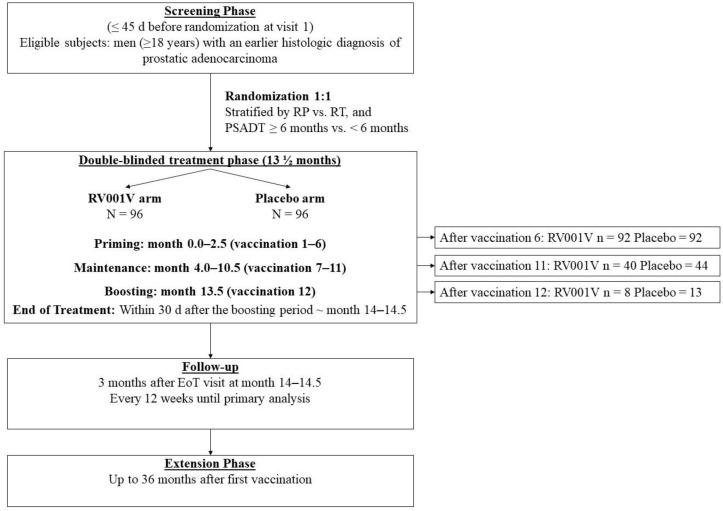 Figure 1
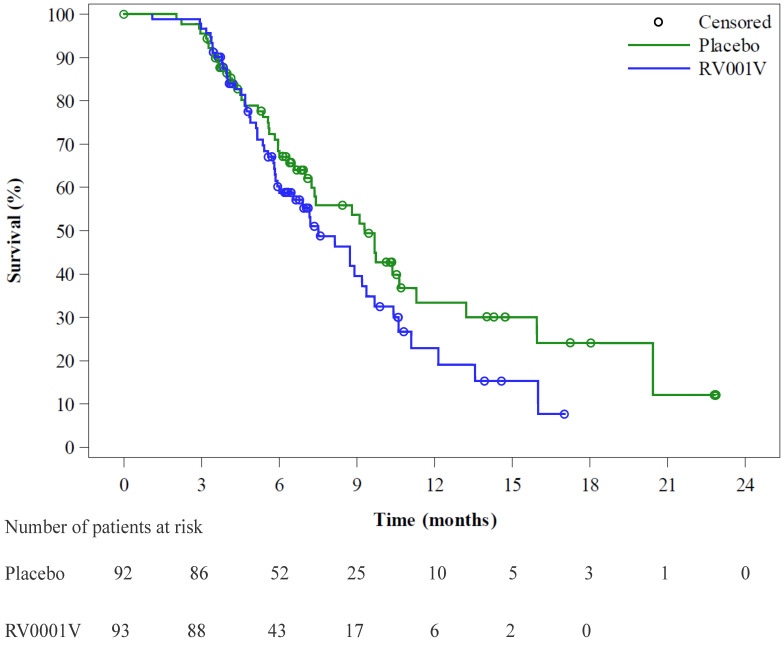 Figure 2
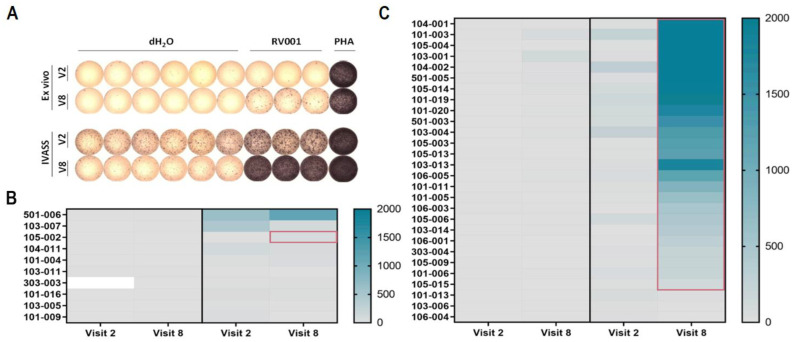 Figure 3
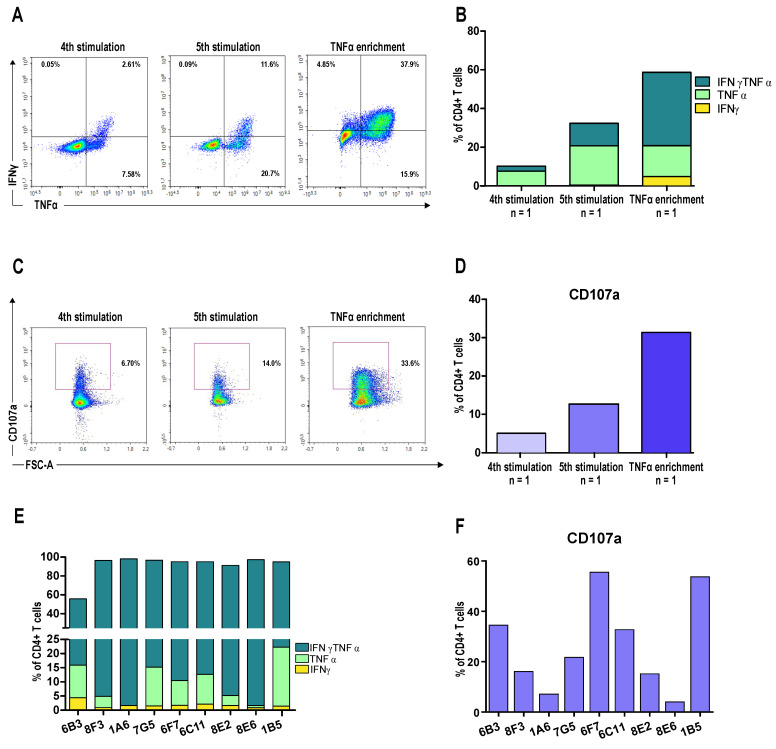 Figure 4
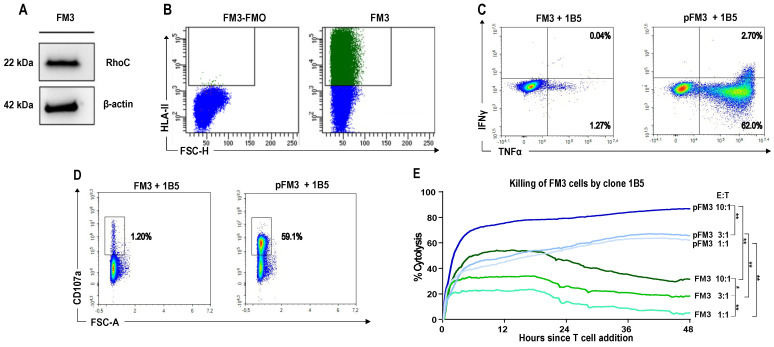 Figure 5
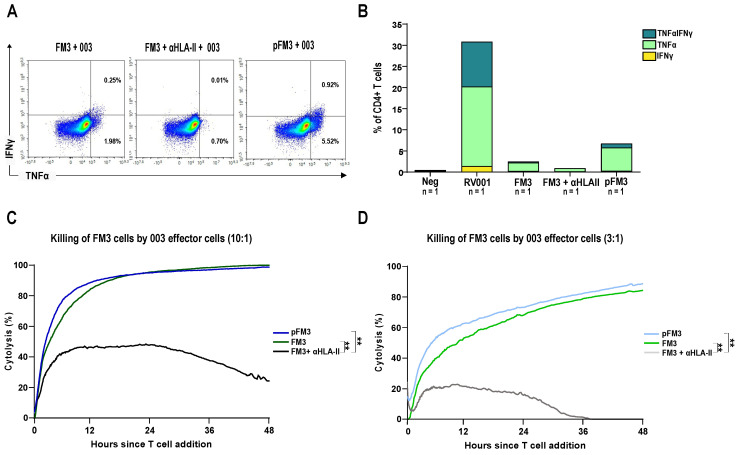 Figure 6
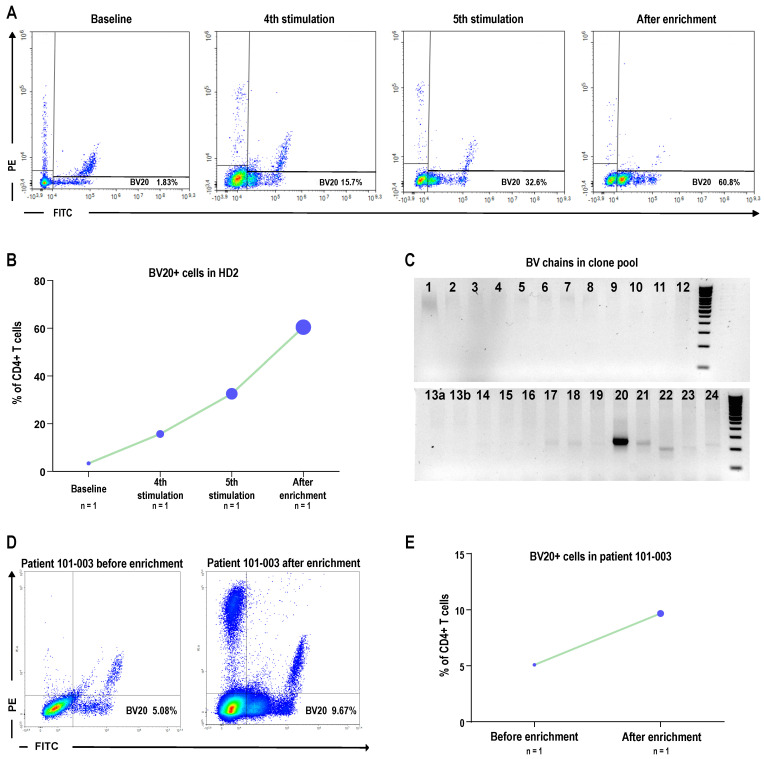 Figure 7
Peer Reviews
No public reviews on file for this paper yet. If you reviewed it on a platform where reviews are public (OpenReview, ICLR, NeurIPS, ICML), you can paste yours below so the community can read it here.
Videos
No videos yet. Explain this paper in a talk, walkthrough, or lecture? Add one.
Taxonomy
TopicsImmunotherapy and Immune Responses · Cancer Immunotherapy and Biomarkers · CAR-T cell therapy research