Performance Assessment of Change Detection Based on Robust PCA for Wavelength Resolution SAR Images Using Nonidentical Flight Passes
Lucas P. Ramos, Viet T. Vu, Mats I. Pettersson, Patrik Dammert, Leonardo T. Duarte, Renato Machado

TL;DR
This paper shows that robust PCA can detect changes in SAR images even when the radar images come from very different flight paths.
Contribution
The paper demonstrates that robust PCA is effective for SAR change detection using nonidentical flight passes, relaxing prior constraints.
Findings
RPCA achieves a false alarm rate of one per square kilometer with a detection probability above 90% for 5° flight pass differences.
A detection probability of 97.5% is achieved with a false alarm rate of 0.917 per square kilometer for nonidentical flight passes.
Wavelength-resolution SAR images allow change detection with flight pass differences up to 95°.
Abstract
One of the main challenges in Synthetic Aperture Radar (SAR) change detection involves using SAR images from different flight passes. Depending on the flight pass, objects have different specular reflections since the radar cross-sections of these objects can be totally different between passes. Then, it is common knowledge that the flight passes must be close to identical for conventional SAR change detection. Wavelength-resolution SAR refers to a SAR system with a spatial resolution approximately equal to the wavelength. This high relative resolution helps to stabilize the ground clutter in the SAR images. Consequently, the restricted requirement about identical flight passes for SAR change detection can be relaxed, and SAR change detection becomes possible with nonidentical passes. This paper shows that robust principal component analysis (RPCA) is efficient for change detection even…
Genes, proteins, chemicals, diseases, species, mutations and cell lines named across the full text — each resolved to its canonical identifier and authoritative record.
Click any figure to enlarge with its caption.
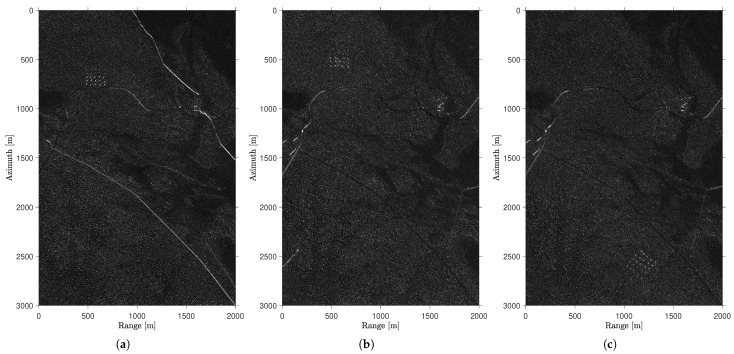 Figure 1
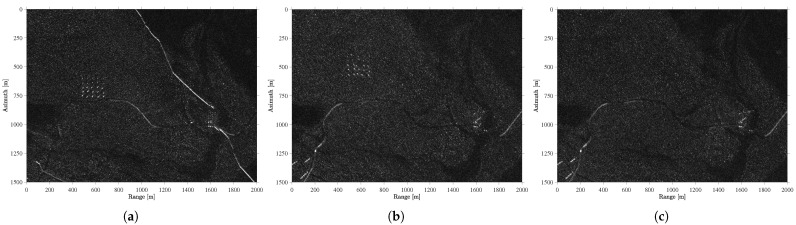 Figure 2
 Figure 3
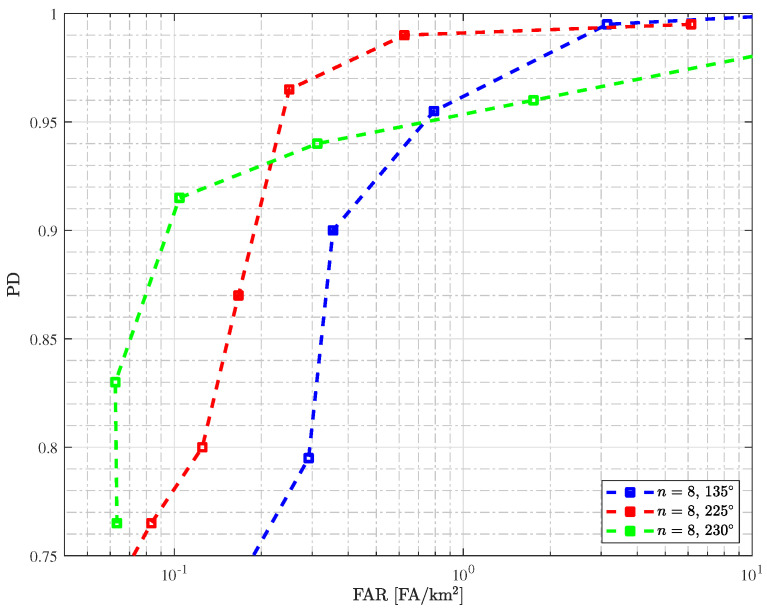 Figure 4
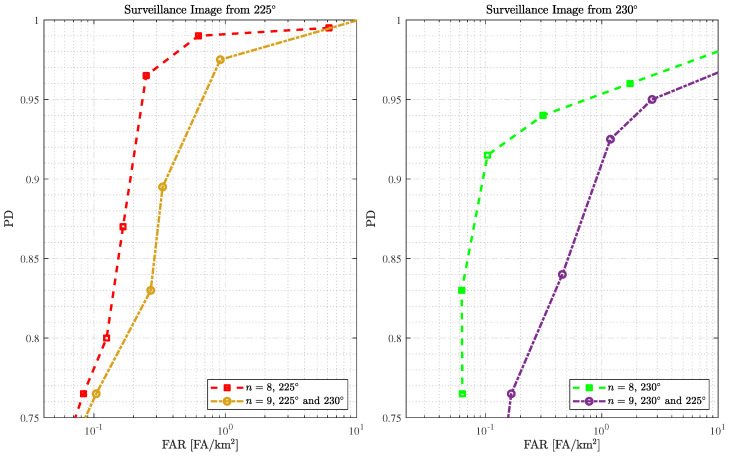 Figure 5
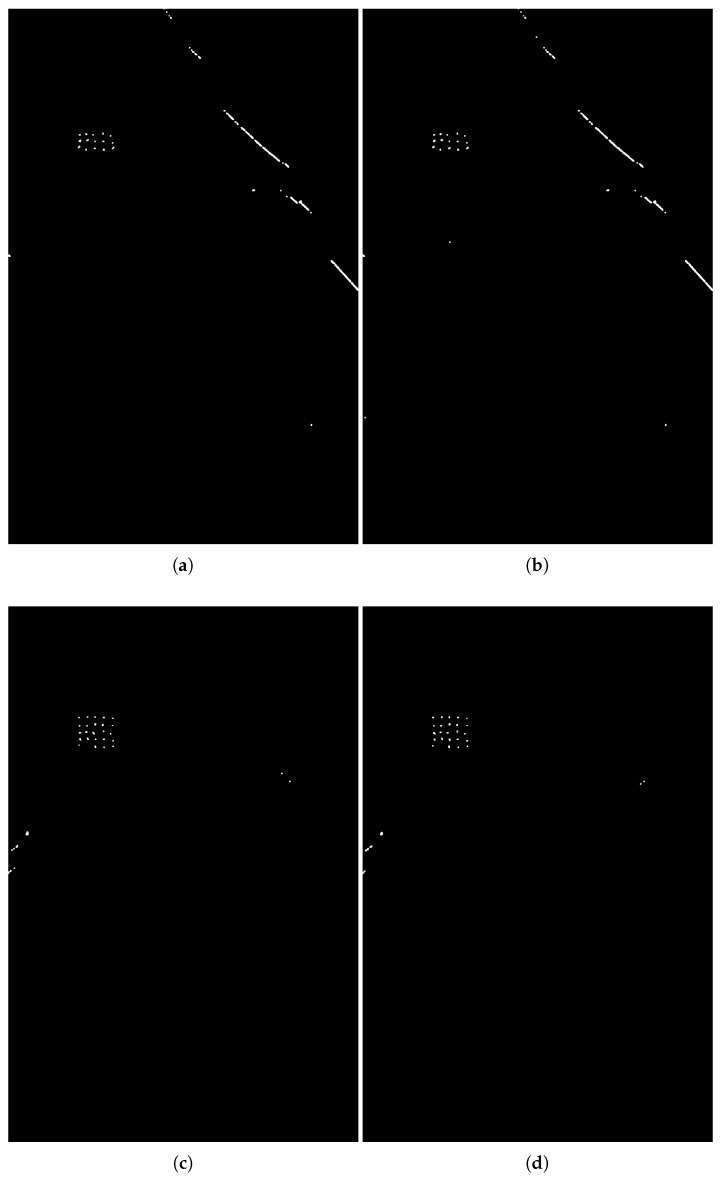 Figure 6
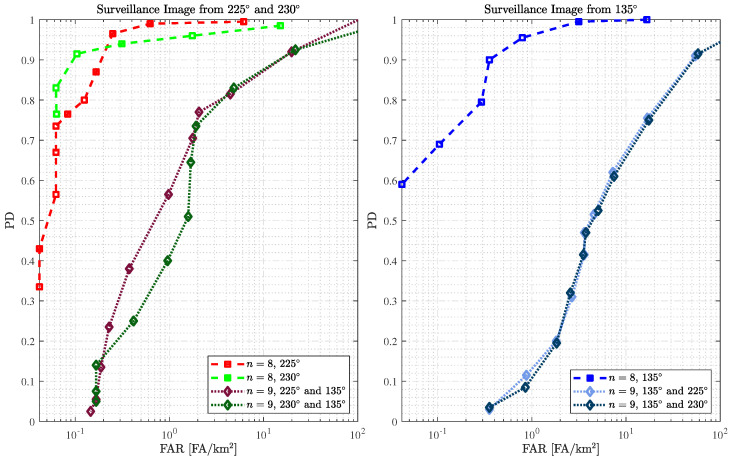 Figure 7
Peer Reviews
No public reviews on file for this paper yet. If you reviewed it on a platform where reviews are public (OpenReview, ICLR, NeurIPS, ICML), you can paste yours below so the community can read it here.
Videos
No videos yet. Explain this paper in a talk, walkthrough, or lecture? Add one.
Taxonomy
TopicsRemote-Sensing Image Classification · Spectroscopy Techniques in Biomedical and Chemical Research · Synthetic Aperture Radar (SAR) Applications and Techniques