A Machine Learning Method for the Fast Simulation of the Scattering Characteristics of a Target Under a Planar Layered Medium
Zhaoyu Wang, Qinghe Zhang, Zhaoyang Shen, Lei Zhang, Han Liu

TL;DR
This paper introduces a machine learning method to speed up ground-penetrating radar simulations by predicting scattering signals more efficiently.
Contribution
The novel cyclic nested deep learning network improves prediction accuracy and efficiency for GPR simulations.
Findings
The cyclic nested network outperforms traditional methods in predicting scattering characteristics.
PCA reduces echo data dimensionality, improving learning efficiency.
The method is validated using FDTD simulations for rebar detection in concrete.
Abstract
Numerical simulation of ground-penetrating radar (GPR) has been widely used to enhance the interpretation of GPR data and serves as a key component in Full Waveform Inversion (FWI). In response to the time-consuming numerical computation of layered medium and buried targets, which leads to inefficiency in full-wave inversion, this paper proposes a machine learning-based forward scattering rapid solution method. Using the detection of rebar buried in concrete under sand as the GPR application scenario, with scene parameters such as concrete moisture content, rebar radius, and burial depth, scattering echo signals are obtained via Finite Difference Time Domain (FDTD) simulation. Principal component analysis (PCA) is applied to reduce the dimensionality of the echo data, and the first 40 principal component weight coefficients are selected as the output of the deep learning network. An…
Genes, proteins, chemicals, diseases, species, mutations and cell lines named across the full text — each resolved to its canonical identifier and authoritative record.
Click any figure to enlarge with its caption.
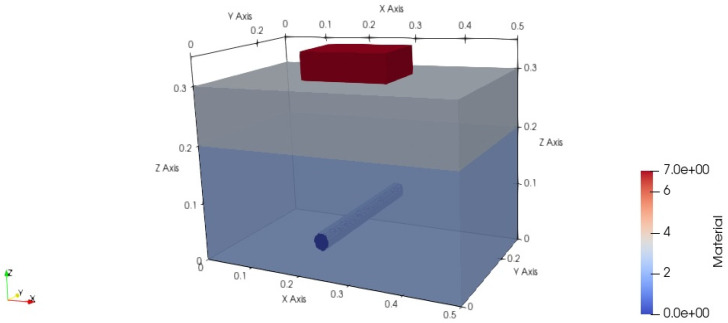 Figure 1
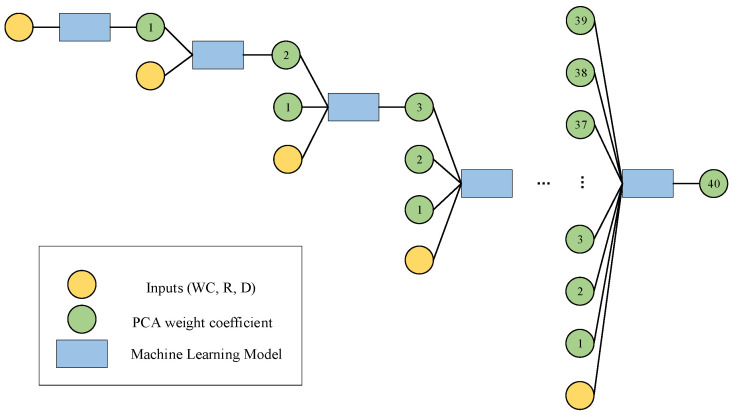 Figure 2
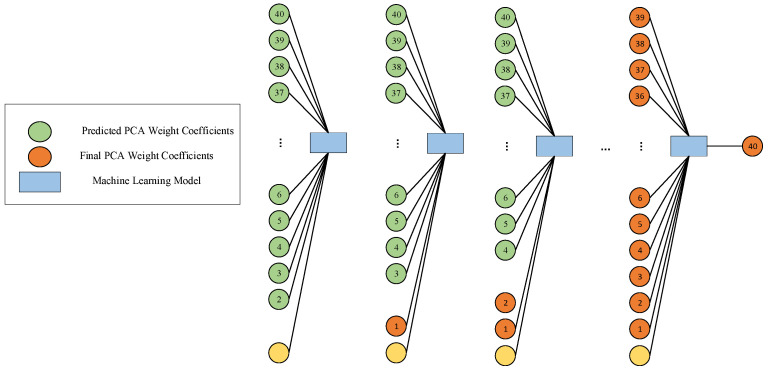 Figure 3
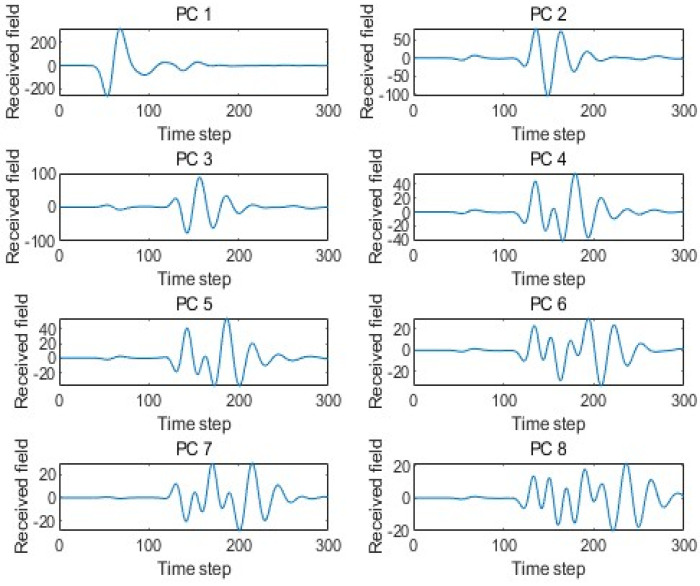 Figure 4
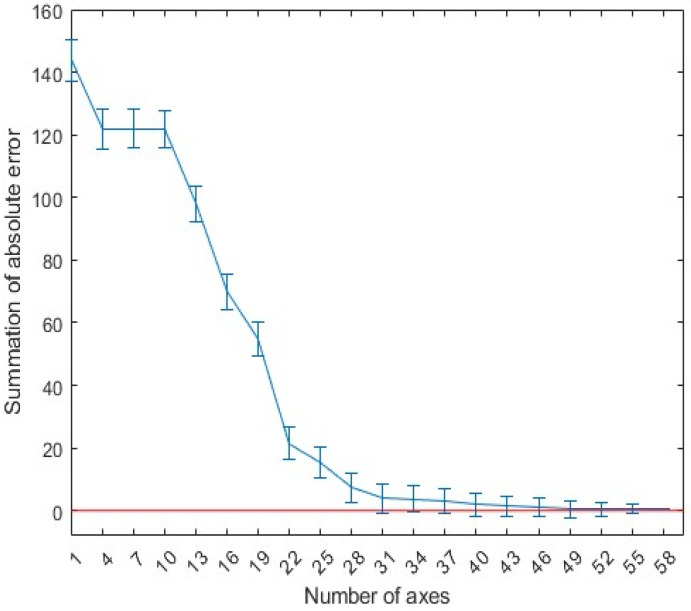 Figure 5
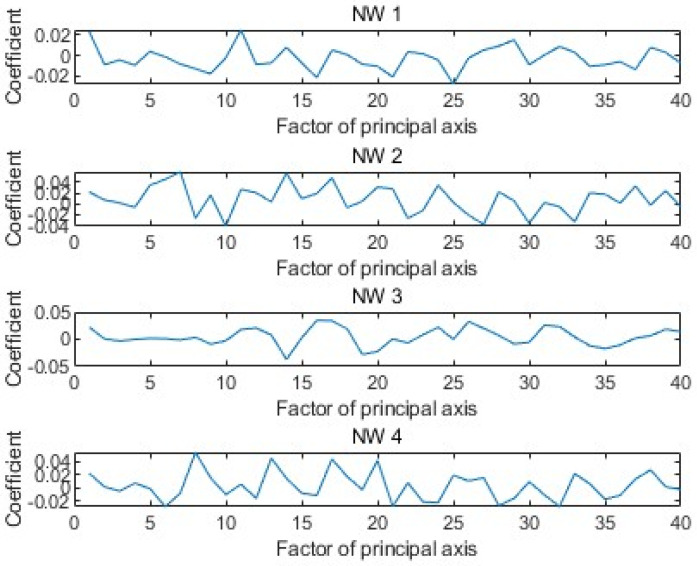 Figure 6
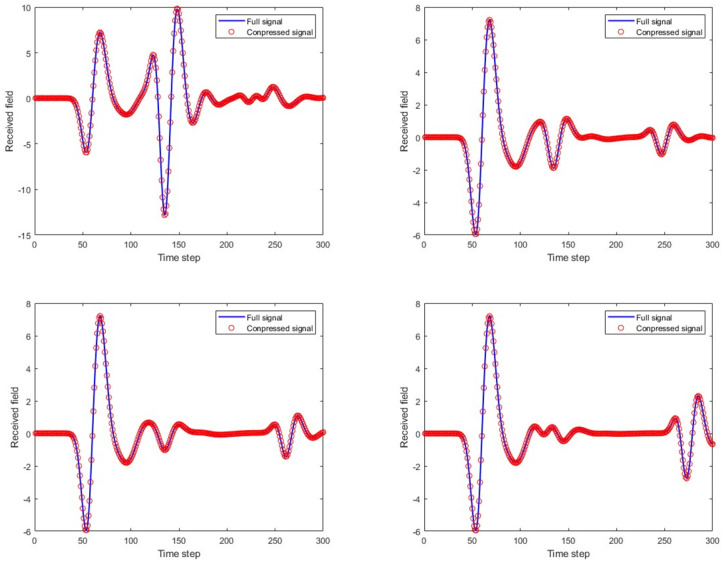 Figure 7
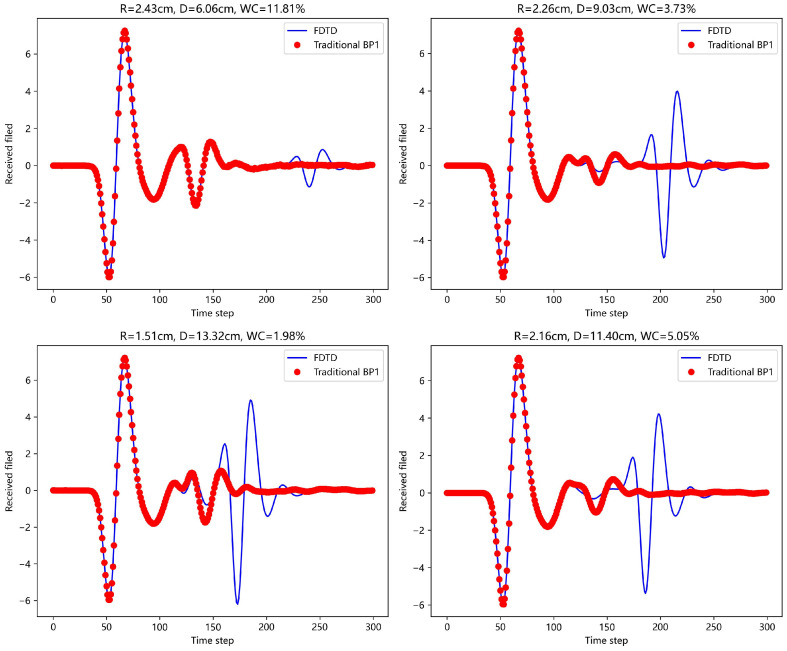 Figure 8
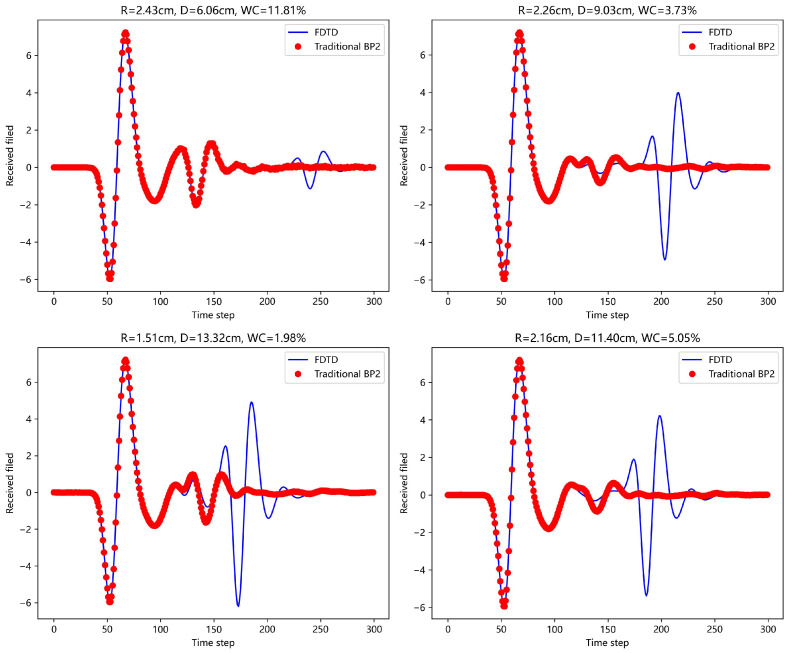 Figure 9
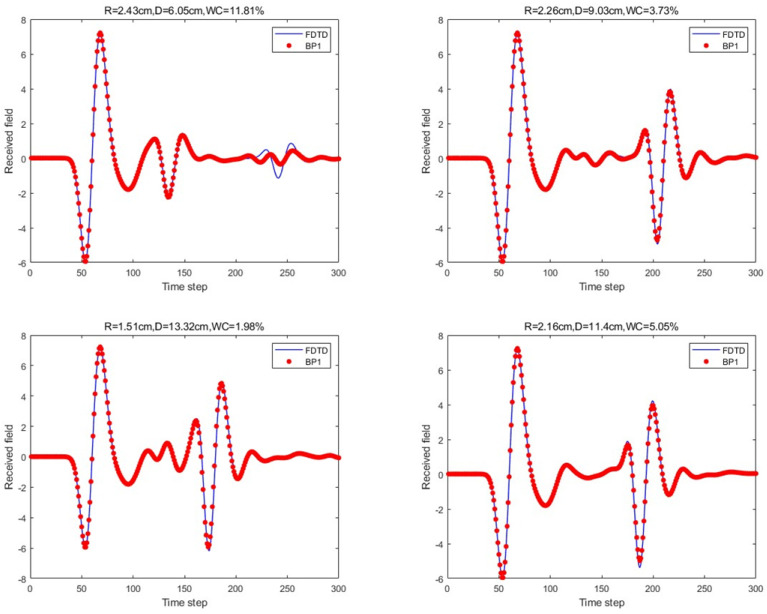 Figure 10
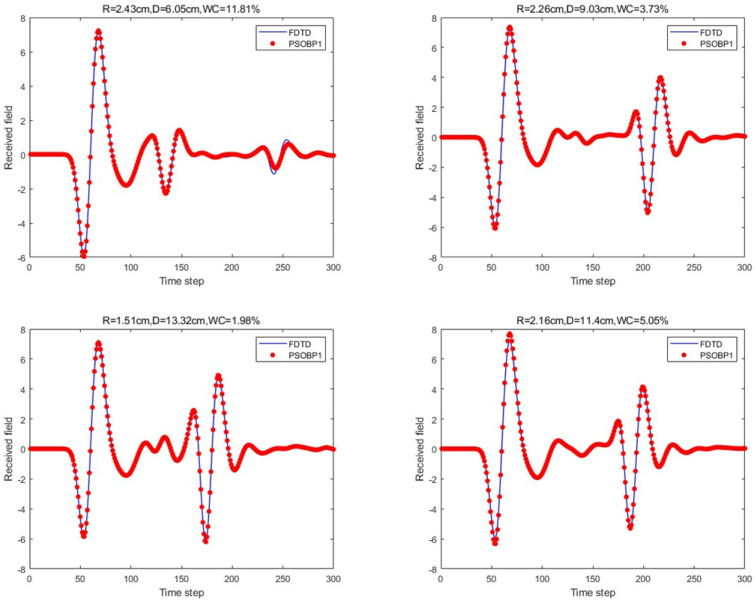 Figure 11
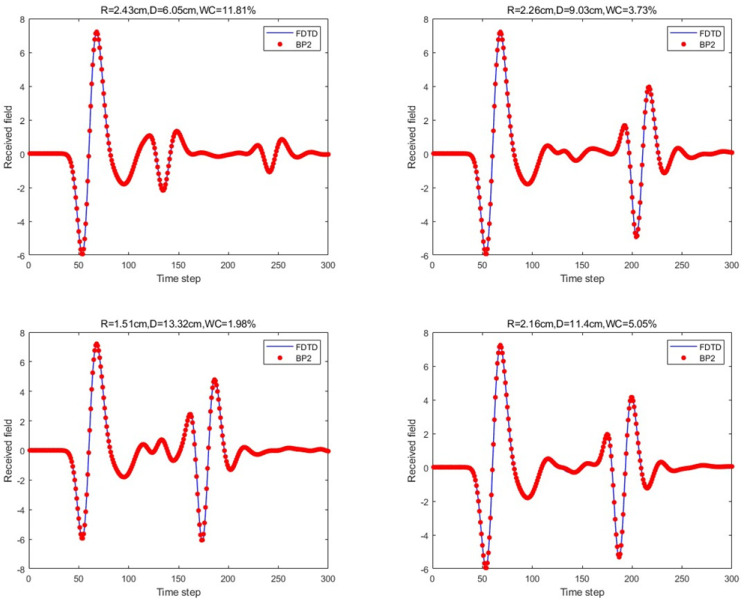 Figure 12
Peer Reviews
No public reviews on file for this paper yet. If you reviewed it on a platform where reviews are public (OpenReview, ICLR, NeurIPS, ICML), you can paste yours below so the community can read it here.
Videos
No videos yet. Explain this paper in a talk, walkthrough, or lecture? Add one.
Taxonomy
TopicsGeophysical Methods and Applications · Seismic Imaging and Inversion Techniques · Microwave Imaging and Scattering Analysis