The VapBC-4 Characterization Indicates It Is a Bona Fide Toxin-Antitoxin Module of Leptospira interrogans: Initial Evidence for a Role in Bacterial Adaptation
Bruna Oliveira Pigatto Azevedo, Deborah Kohn Damiano, Aline Florencio Teixeira, Ana Lucia Tabet Oller Nascimento, Luis Guilherme Virgilio Fernandes, Alexandre Paulo Yague Lopes

TL;DR
This study confirms that VapBC-4 is a functional toxin-antitoxin system in Leptospira interrogans, which may help the bacteria adapt to harsh conditions.
Contribution
The study experimentally characterizes VapBC-4 as a functional toxin-antitoxin module in Leptospira interrogans.
Findings
Overexpression of VapC-4 toxin inhibits E. coli growth, which is reversed by VapB-4 antitoxin.
VapC-4 is a PIN domain endoribonuclease capable of degrading viral RNA.
Transcriptional evidence suggests VapC-4 may contribute to bacterial virulence and environmental adaptation.
Abstract
Toxin-antitoxin (TA) systems are one of the bacterial adaptation mechanisms to adverse conditions. Leptospira interrogans serovar Copenhageni contains nine putative TA systems. To date, only VapBC-3 and VapBC-1 have been experimentally characterized and considered functional modules. This study shows that the VapBC-4 module is a novel bona fide TA system constituted by VapB-4 antitoxin and VapC-4 toxin. Overexpression of the recombinant toxin in Escherichia coli resulted in growth inhibition, which was rescued by co-expression of the VapB-4 antitoxin. The toxin-antitoxin binding capability, essential to TA functionality, was demonstrated by dot blot assay in vitro, while the pull-down assay indicates that the toxin and antitoxin interact in vivo. In addition, we confirmed that VapC-4 is a PIN domain endoribonuclease capable of degrading viral MS2 substrate. The transcriptional studies…
Genes, proteins, chemicals, diseases, species, mutations and cell lines named across the full text — each resolved to its canonical identifier and authoritative record.
Click any figure to enlarge with its caption.
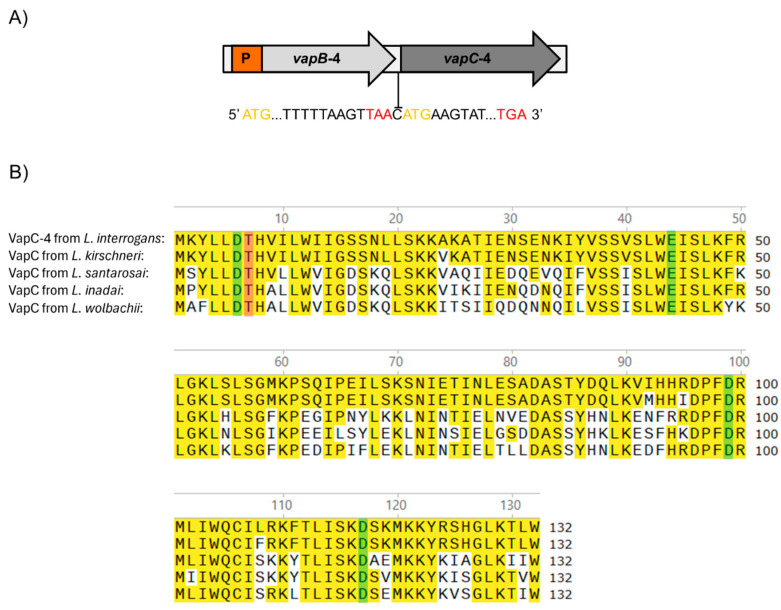 Figure 1
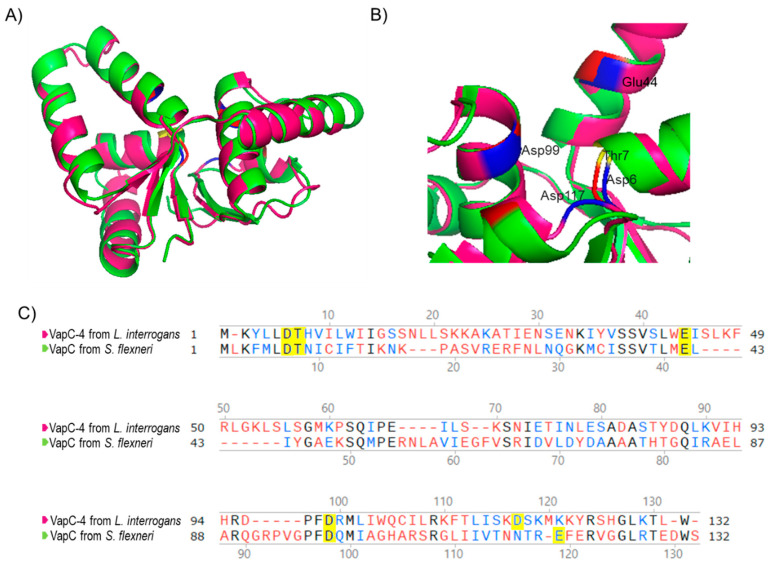 Figure 2
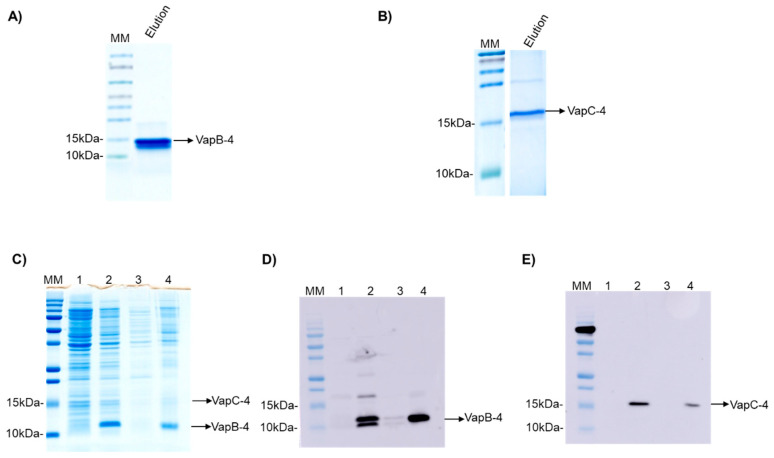 Figure 3
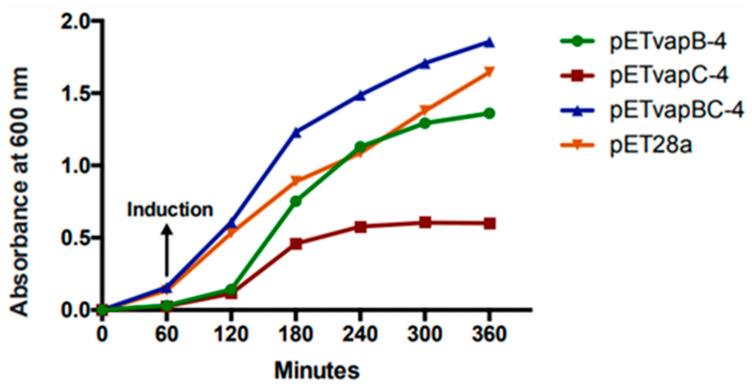 Figure 4
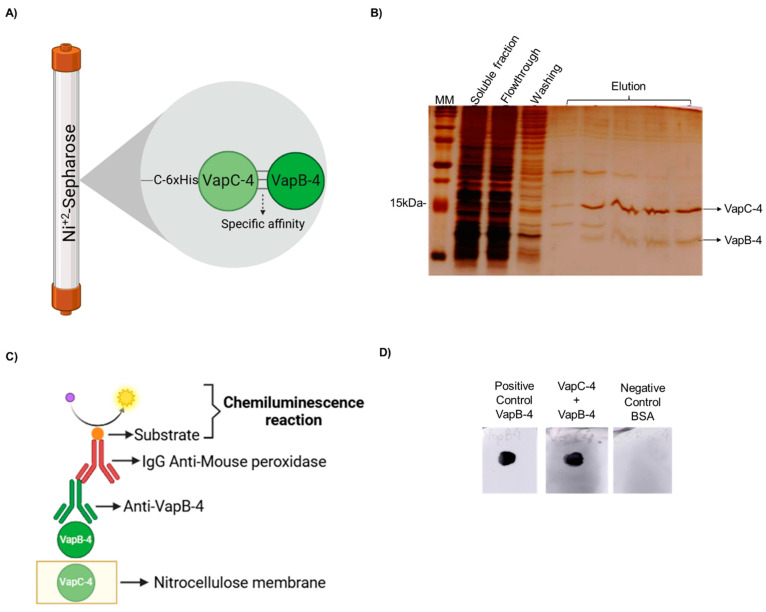 Figure 5
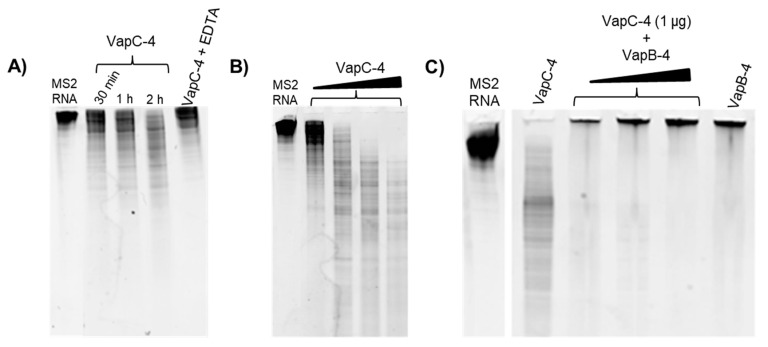 Figure 6
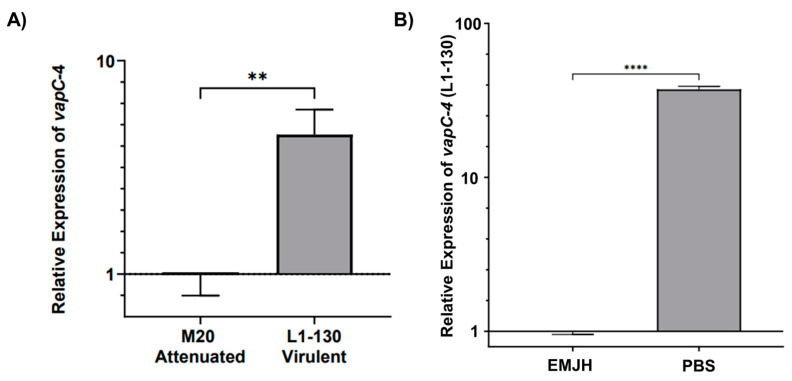 Figure 7
Peer Reviews
No public reviews on file for this paper yet. If you reviewed it on a platform where reviews are public (OpenReview, ICLR, NeurIPS, ICML), you can paste yours below so the community can read it here.
Videos
No videos yet. Explain this paper in a talk, walkthrough, or lecture? Add one.
Taxonomy
TopicsLeptospirosis research and findings · Veterinary medicine and infectious diseases · Clostridium difficile and Clostridium perfringens research