Anatomical Variations in the Formation of the Sural Nerve: A Pilot Study in a Sample of Lithuanian Cadavers
Artur Airapetian, Benedikt Bachmetjev, Andrej Suchomlinov

TL;DR
This study examines variations in the sural nerve's formation in Lithuanian cadavers, finding that certain anatomical patterns could impact surgical procedures.
Contribution
The study identifies a high prevalence of Type 3 sural nerve formation and symmetry in Lithuanian cadavers, offering new insights for surgical planning.
Findings
Type 3 sural nerve formation was most common (44.4%) in the Lithuanian sample.
Two-contributor sural nerve formations were significantly thicker and longer than single-contributor ones.
No significant morphological differences were found between left and right lower limbs.
Abstract
Background and Objectives: The sural nerve (SN) is a pure sensory nerve that supplies the lateral aspect of the ankle and foot. Its anatomical variability has been extensively documented, with multiple classifications describing its different formation patterns. The SN is commonly used for nerve grafting and is a critical structure in lower-limb surgeries. Due to its superficial course, it is vulnerable to iatrogenic injuries, particularly in procedures involving the Achilles tendon. The presence of anatomical variations in SN formation and trajectory has significant implications for surgical planning, diagnostics, and nerve conduction studies. Understanding these formation variations is essential to minimize surgical complications and optimize clinical outcomes. Materials and Methods: A pilot cross-sectional cadaveric study was conducted on nine formalin-fixed adult cadavers at the…
Genes, proteins, chemicals, diseases, species, mutations and cell lines named across the full text — each resolved to its canonical identifier and authoritative record.
Click any figure to enlarge with its caption.
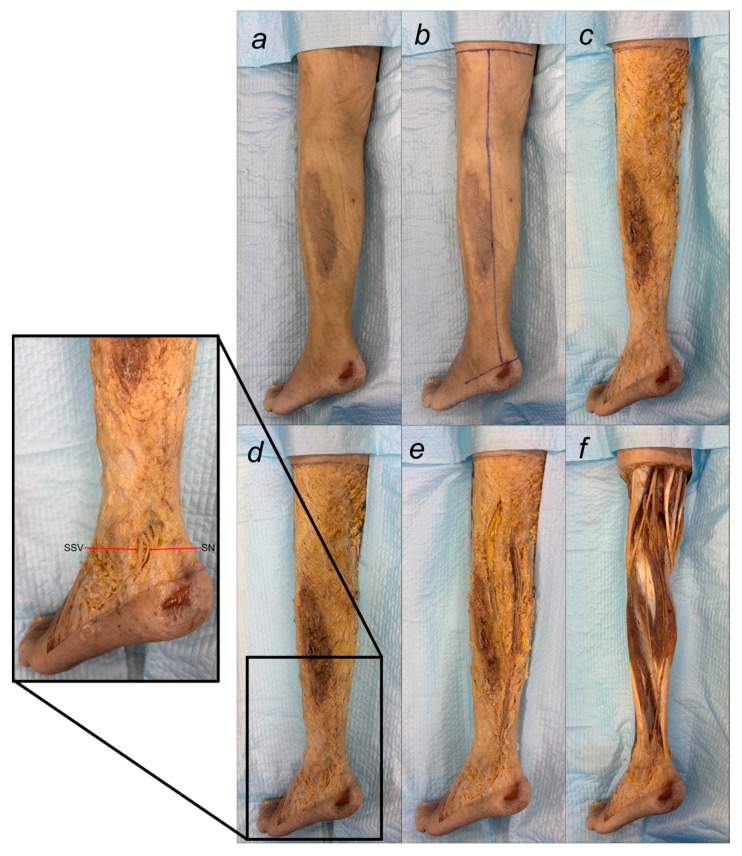 Figure 1
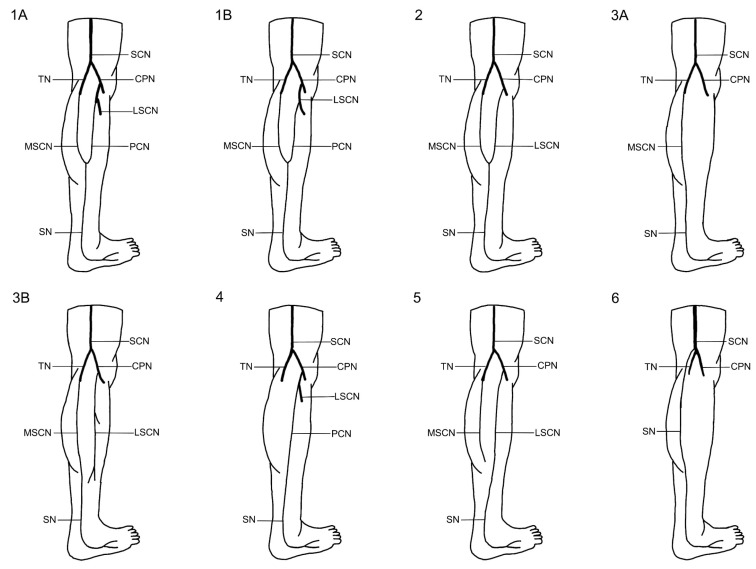 Figure 2
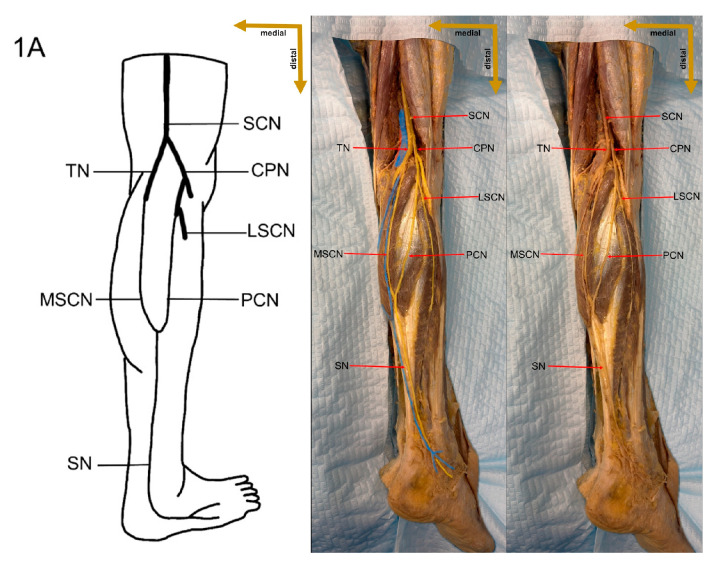 Figure 3
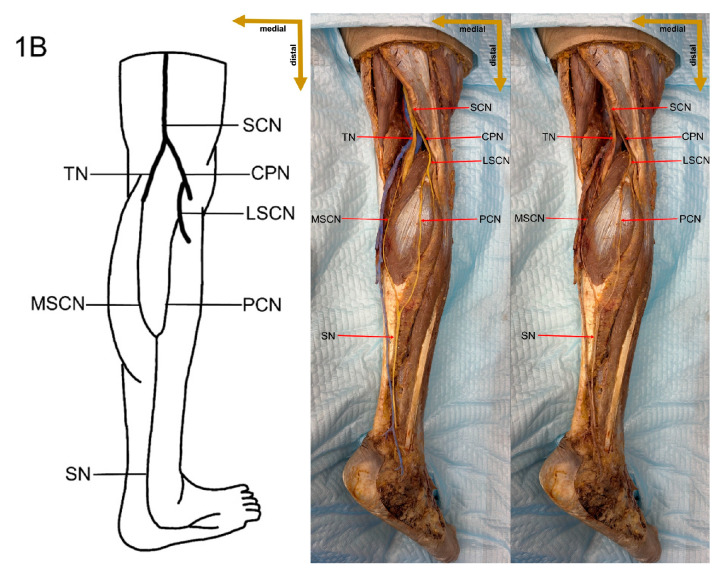 Figure 4
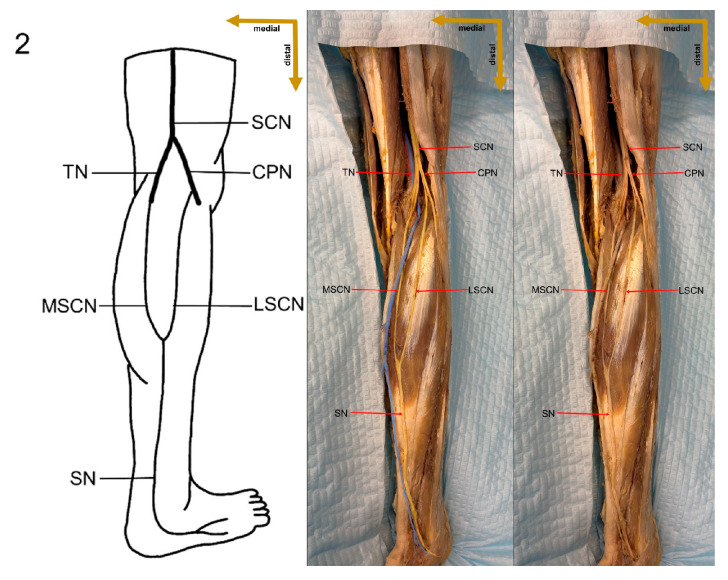 Figure 5
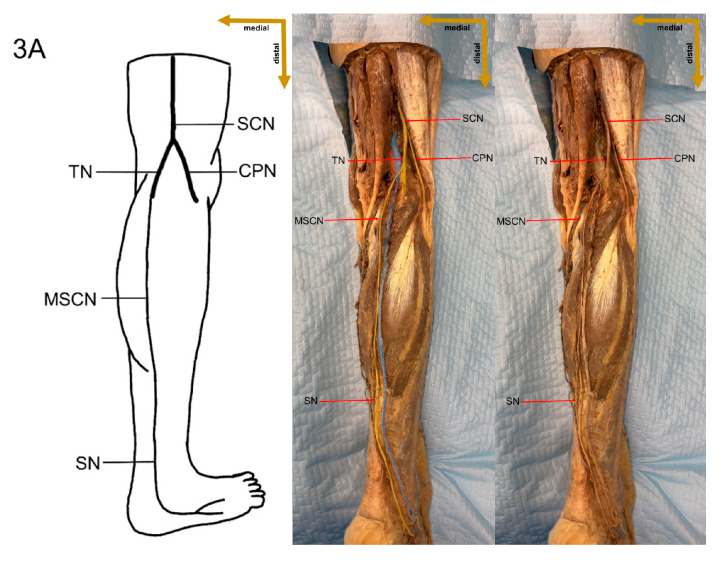 Figure 6
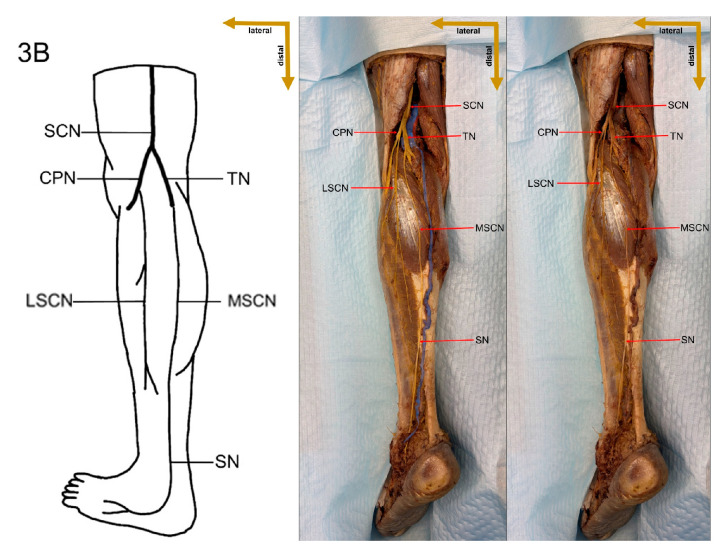 Figure 7
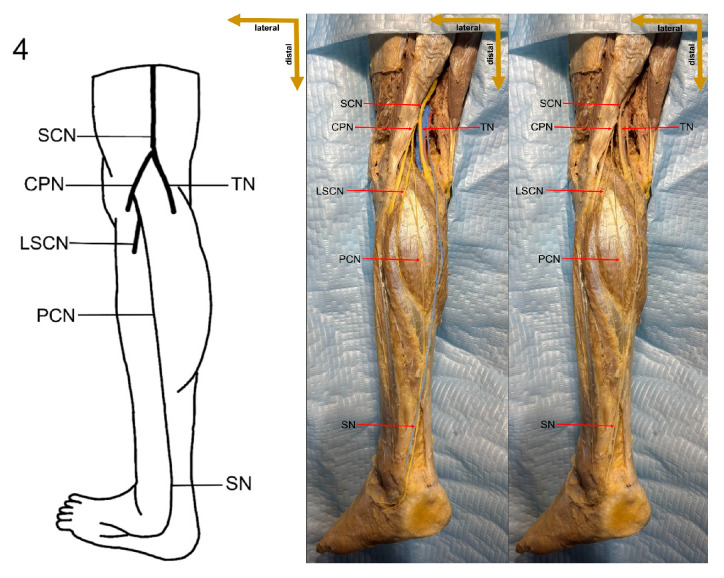 Figure 8
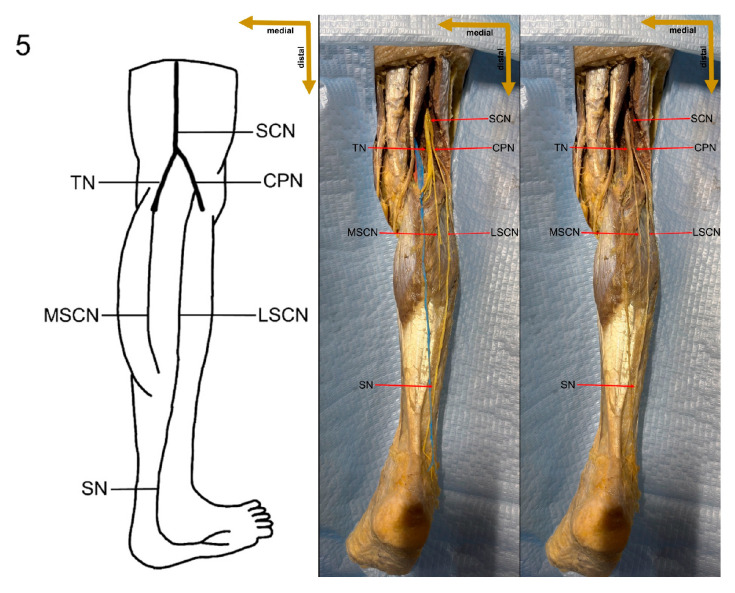 Figure 9
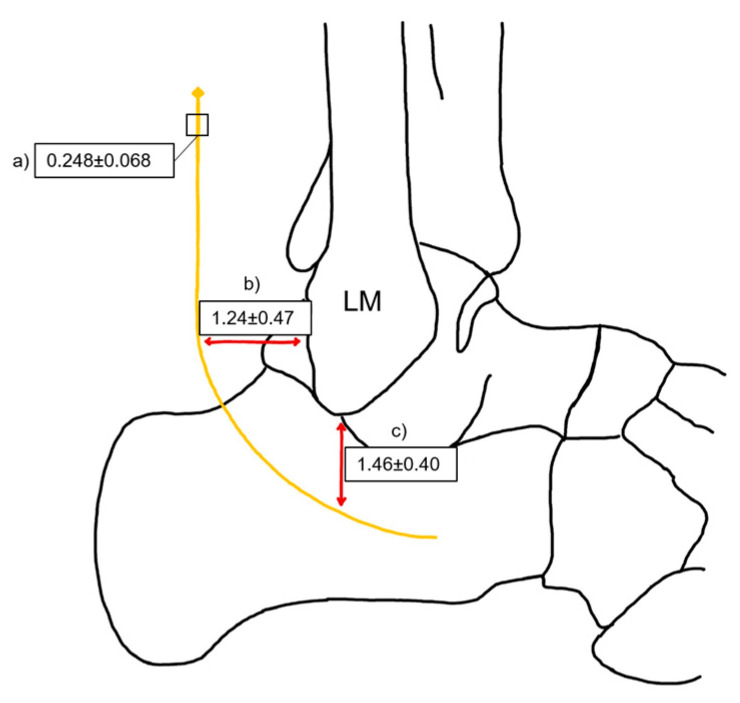 Figure 10
Peer Reviews
No public reviews on file for this paper yet. If you reviewed it on a platform where reviews are public (OpenReview, ICLR, NeurIPS, ICML), you can paste yours below so the community can read it here.
Videos
No videos yet. Explain this paper in a talk, walkthrough, or lecture? Add one.
Taxonomy
TopicsOrthopedic Surgery and Rehabilitation · Peripheral Nerve Disorders · Tendon Structure and Treatment