Cyclic Behavior of U-Shaped Flexural Plates for Their Implementation in Multidirectional Energy Dissipation Devices
Jorge González, Fernando Barriuso, Ramiro Bazáez, Luis Pérez, Gabriel Lara-Rodríguez, Rodrigo Astroza, Pablo Heresi

TL;DR
This paper studies U-shaped flexural plates for their ability to dissipate seismic energy and proposes design methods for multidirectional damping systems.
Contribution
The study introduces predictive equations and a simplified design procedure for UFPs in multidirectional damping systems.
Findings
UFPs show reliable hysteretic behavior and mechanical integrity under cyclic loading.
Plate thickness, aspect ratio, and material yield strength significantly influence cyclic response.
Predictive equations for strength, stiffness, and fatigue life of UFPs were developed.
Abstract
U-shaped flexural plates (UFPs) are promising components for seismic energy dissipation due to their ability to undergo stable plastic deformation under cyclic loading. This study investigates their cyclic behavior through a combination of experimental testing and finite element simulations, focusing on their application in multidirectional damping systems. Key response parameters such as hysteretic behavior, energy dissipation, stiffness degradation, fatigue life, and the effect of loading direction were analyzed. The results demonstrate that UFPs provide reliable hysteretic behavior and maintain mechanical integrity over repeated cycles. The cyclic response was found to be strongly influenced by plate thickness, aspect ratio, and material yield strength. Based on these findings, this work proposes predictive equations for estimating strength, stiffness, fatigue life, and hysteretic…
Genes, proteins, chemicals, diseases, species, mutations and cell lines named across the full text — each resolved to its canonical identifier and authoritative record.
Click any figure to enlarge with its caption.
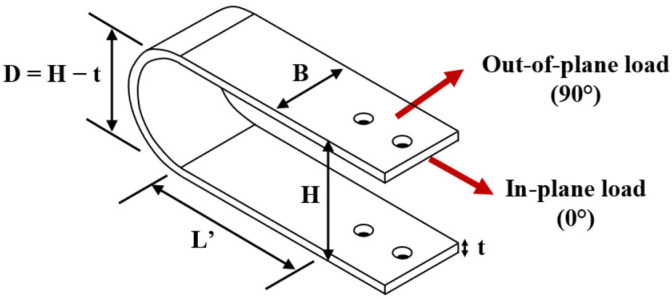 Figure 1
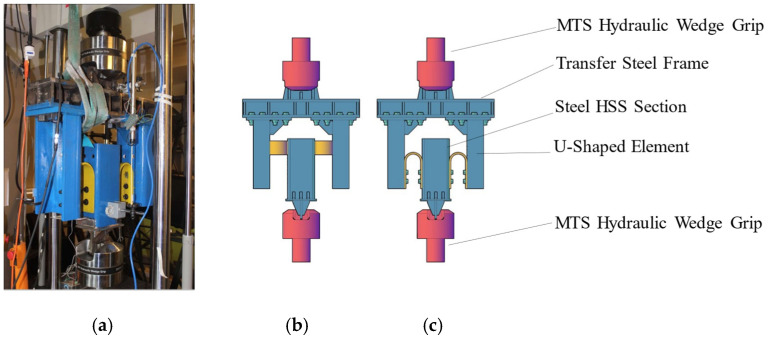 Figure 2
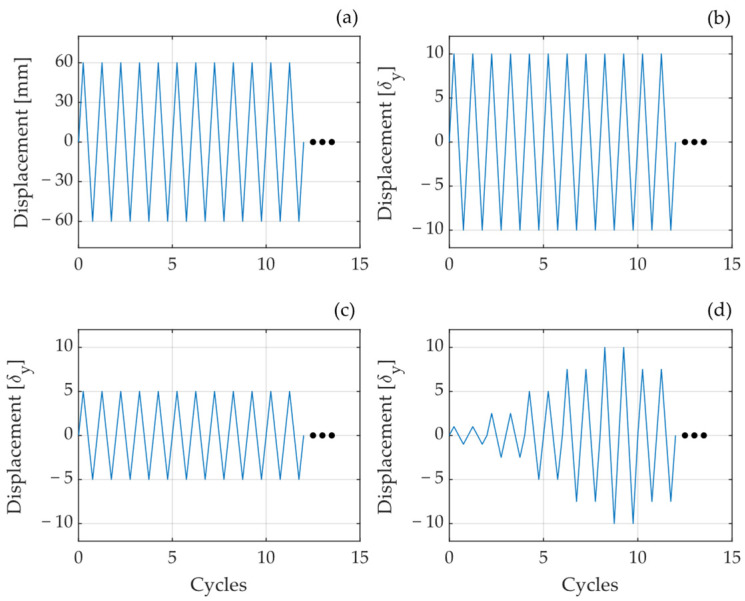 Figure 3
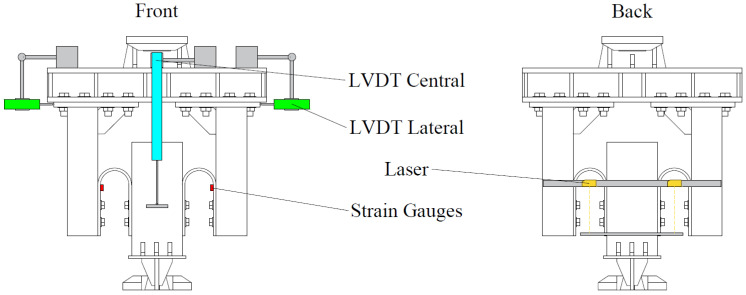 Figure 4
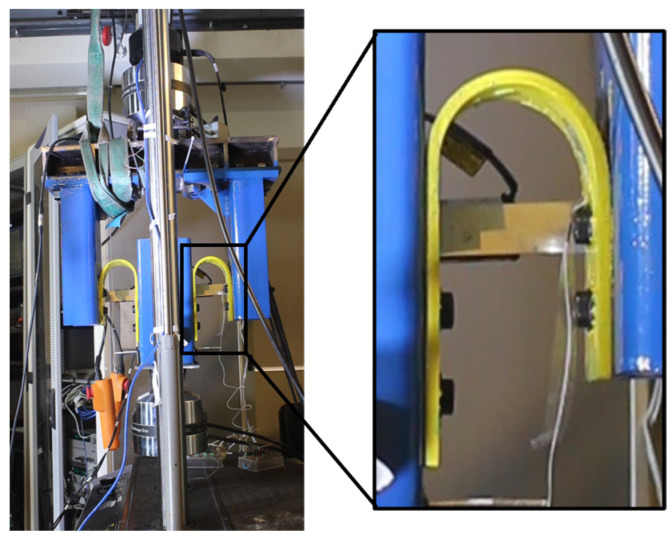 Figure 5
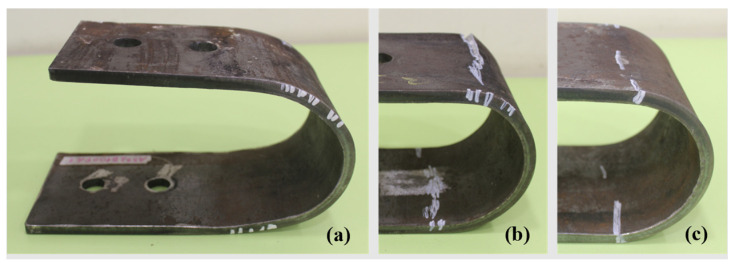 Figure 6
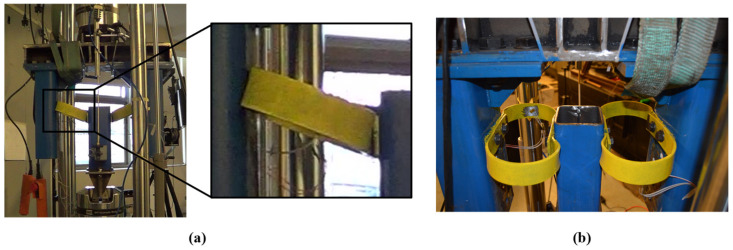 Figure 7
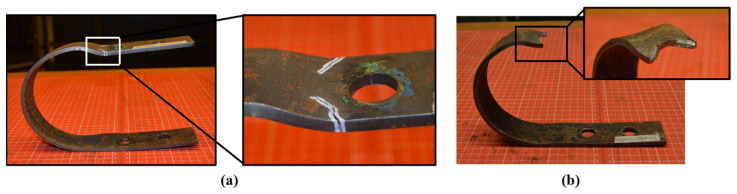 Figure 8
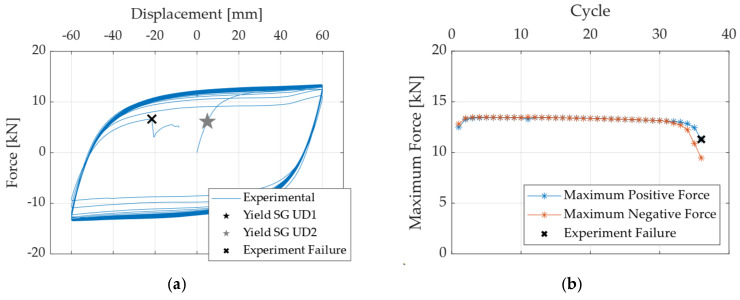 Figure 9
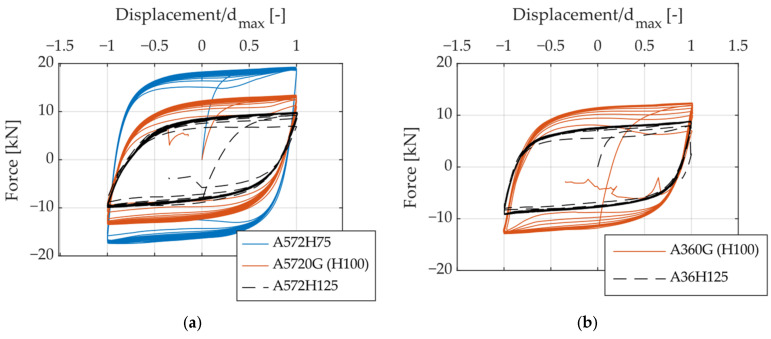 Figure 10
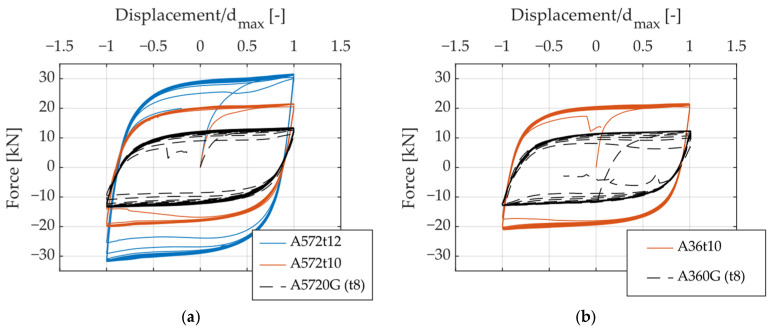 Figure 11
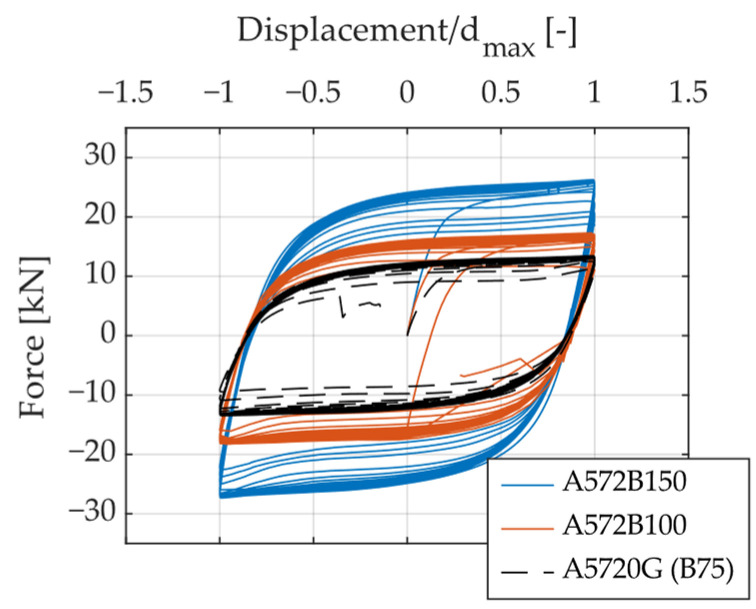 Figure 12
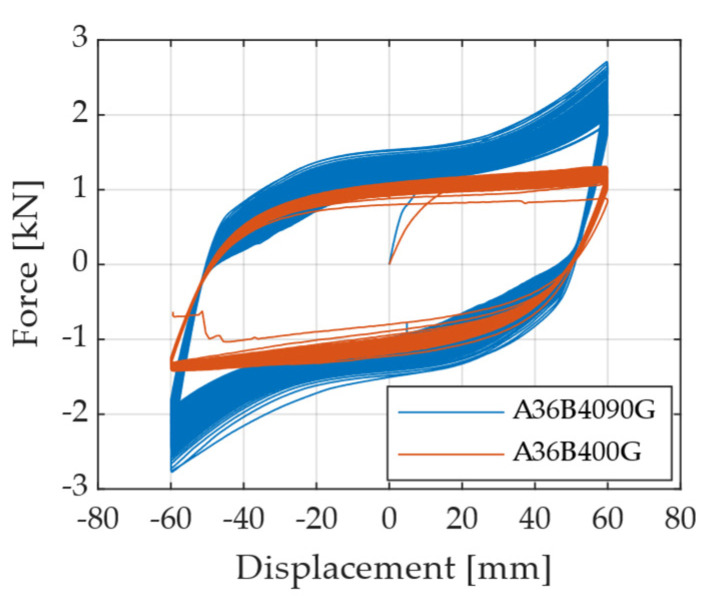 Figure 13
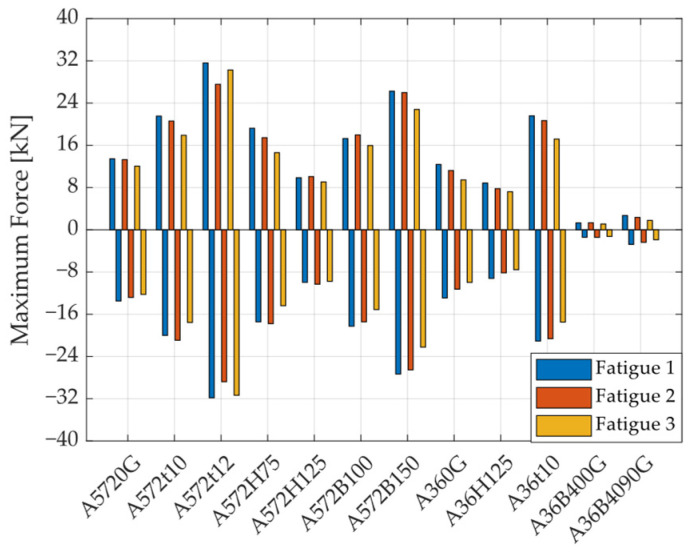 Figure 14
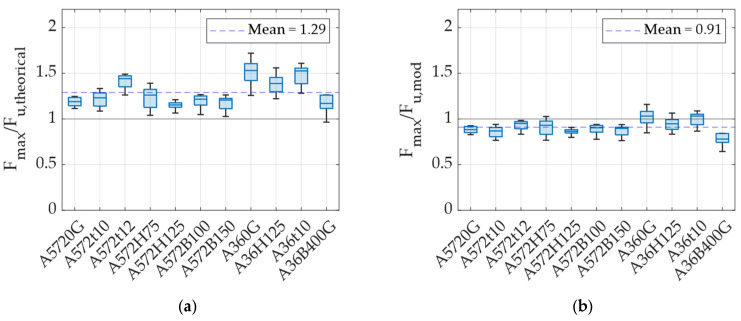 Figure 15
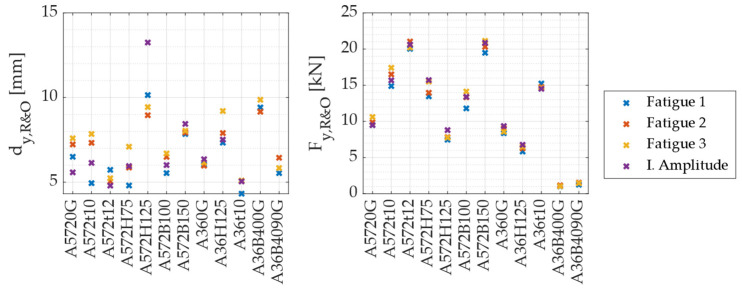 Figure 16
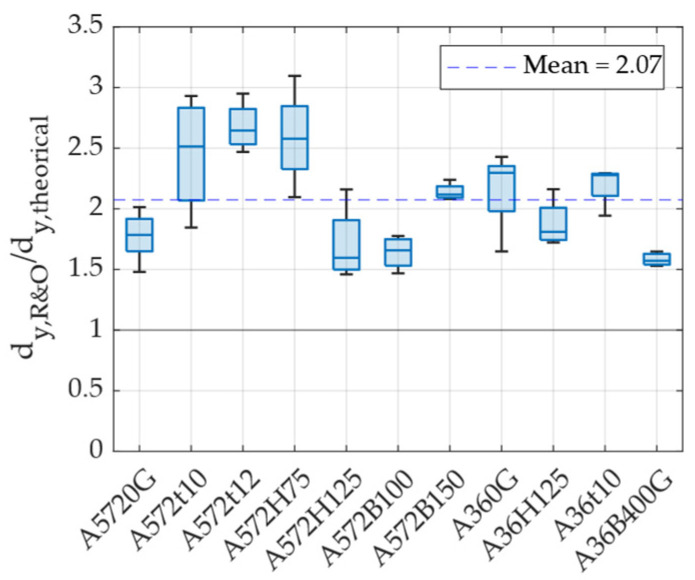 Figure 17
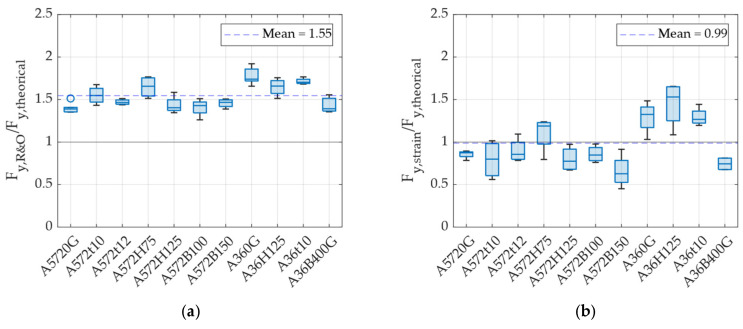 Figure 18
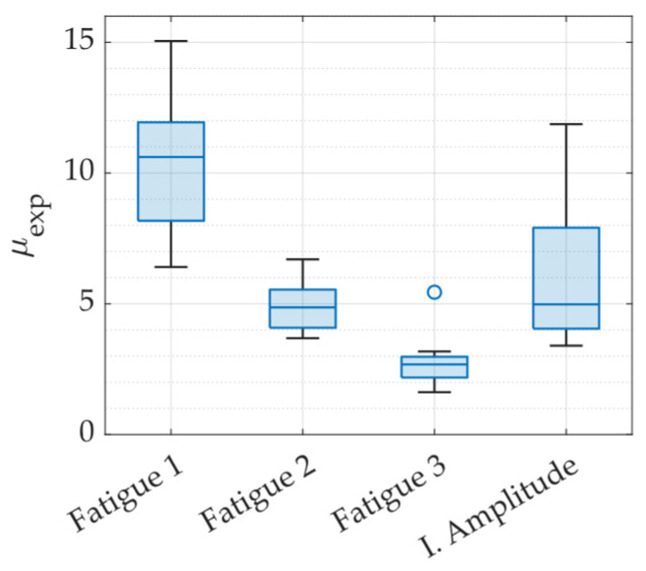 Figure 19
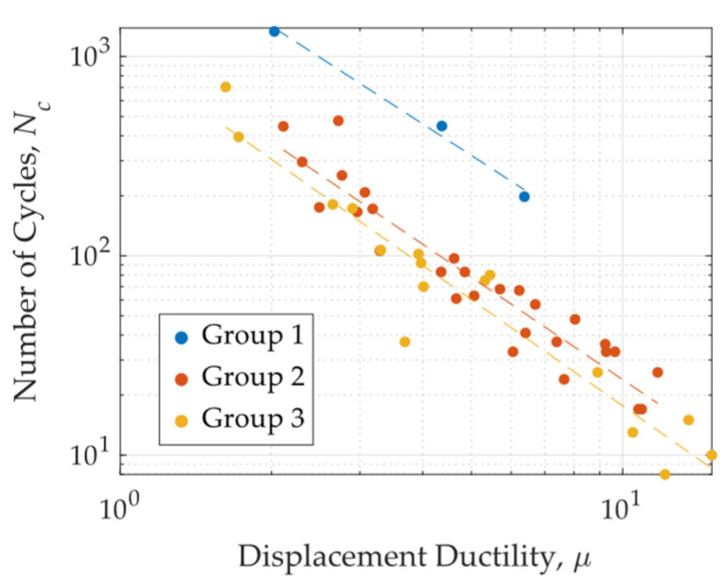 Figure 20
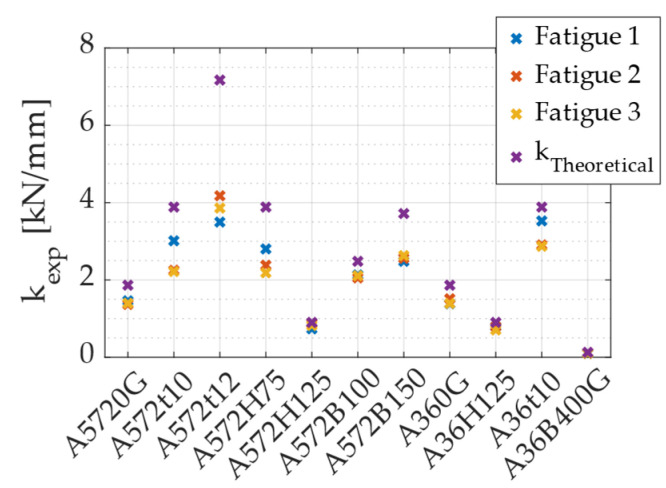 Figure 21
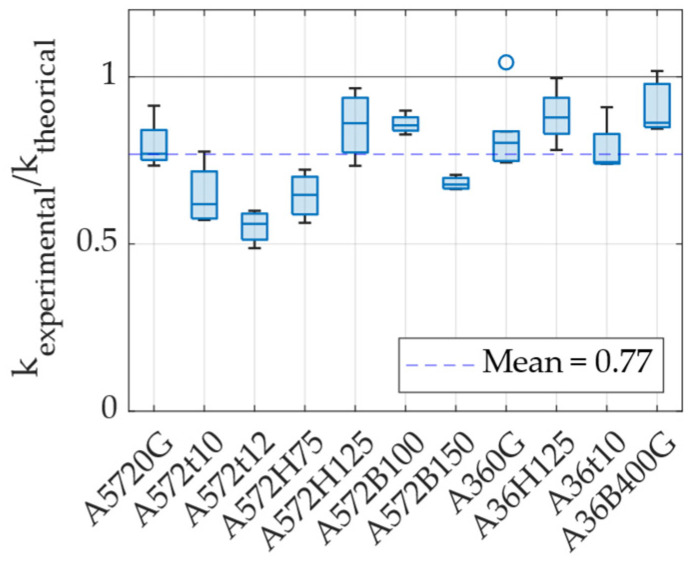 Figure 22
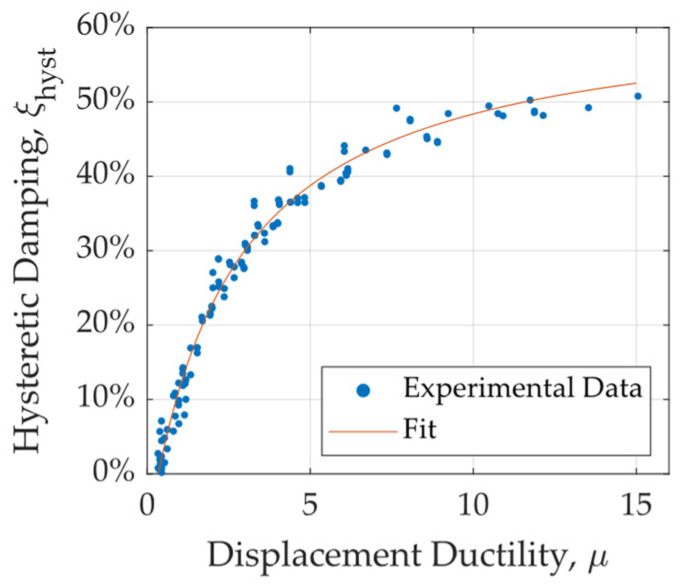 Figure 23
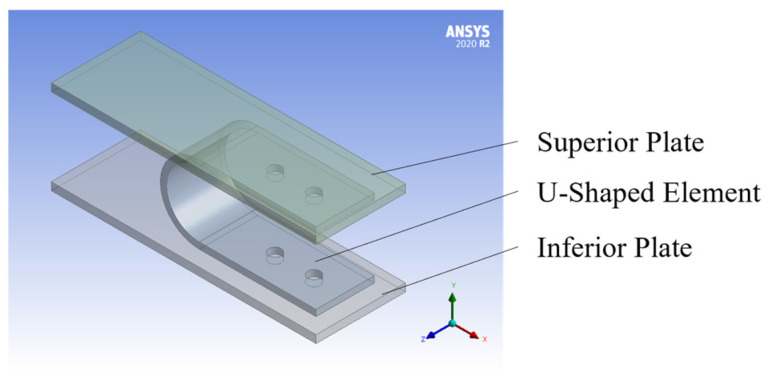 Figure 24
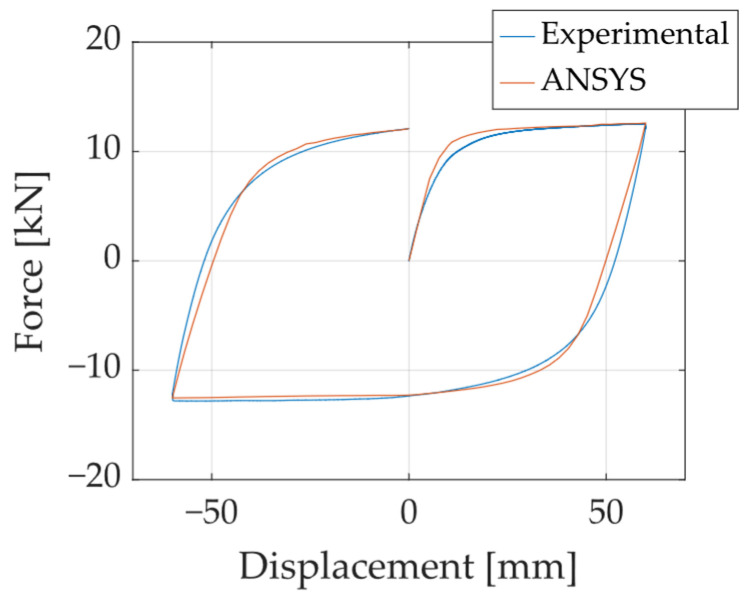 Figure 25
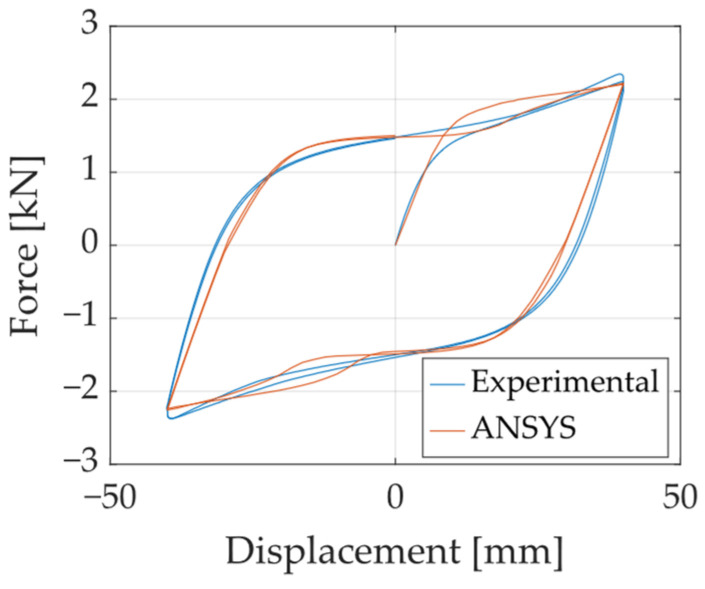 Figure 26
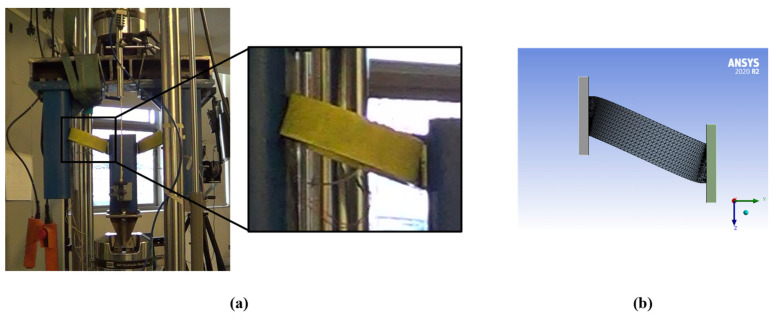 Figure 27
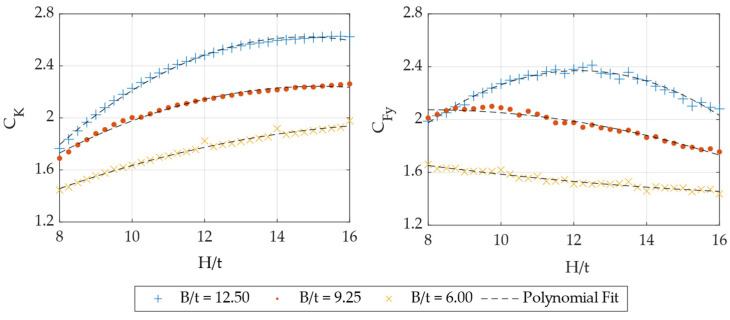 Figure 28
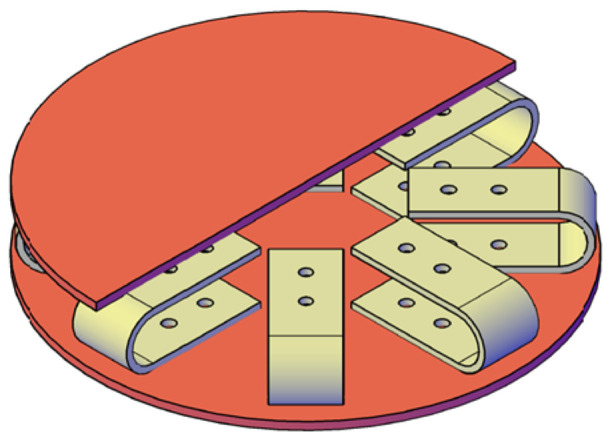 Figure 29
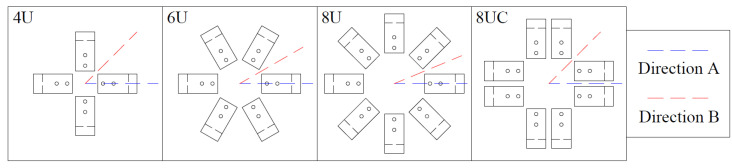 Figure 30
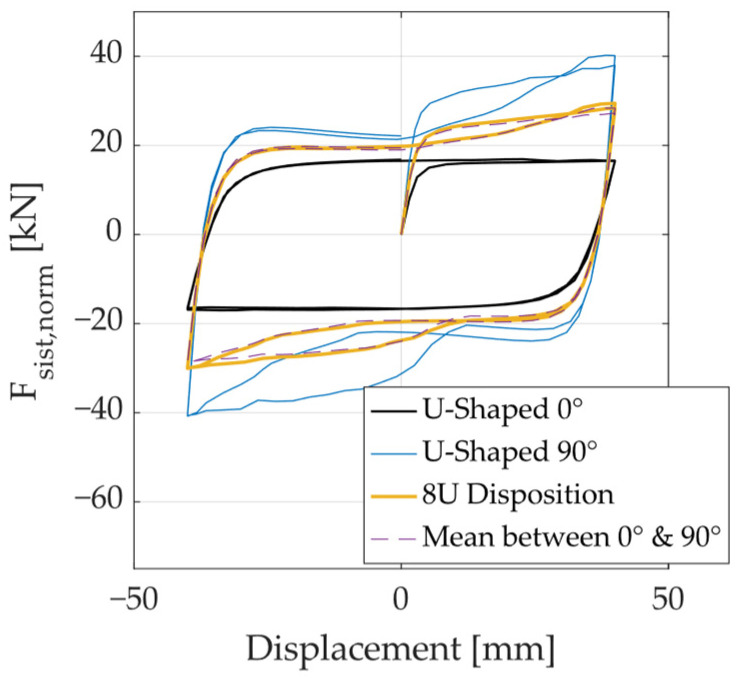 Figure 31
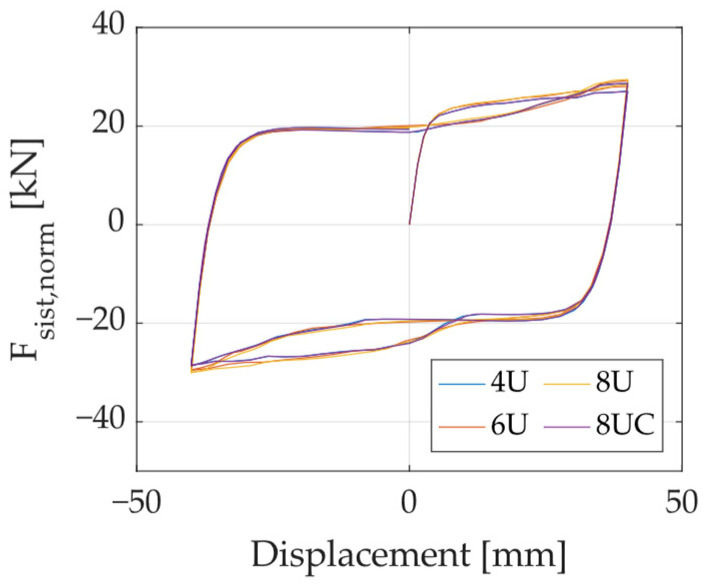 Figure 32
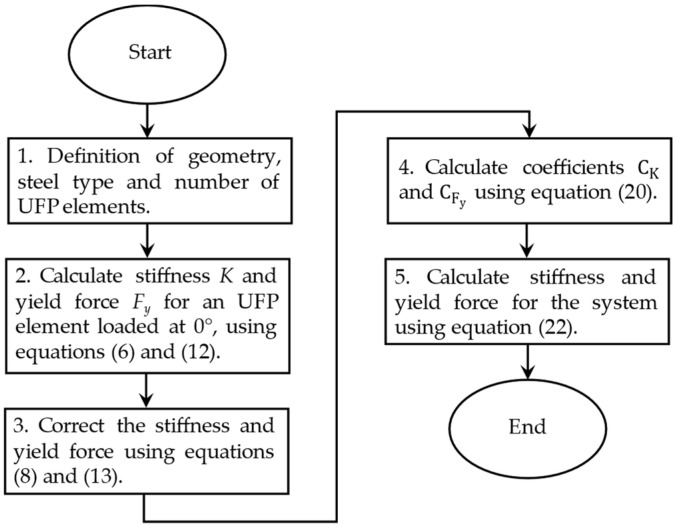 Figure 33
Peer Reviews
No public reviews on file for this paper yet. If you reviewed it on a platform where reviews are public (OpenReview, ICLR, NeurIPS, ICML), you can paste yours below so the community can read it here.
Videos
No videos yet. Explain this paper in a talk, walkthrough, or lecture? Add one.
Taxonomy
TopicsSeismic Performance and Analysis · Structural Engineering and Vibration Analysis · Vibration Control and Rheological Fluids