Theoretical Analysis and Characteristic Study of Li-Doped P-Type ZnO Ultra-Thin Cantilever Beam Accelerometer
Yingqi Shang, Jiayu Bi, Weiwei Liu, Chunpeng Ai, Hongquan Zhang

TL;DR
This paper studies how adding lithium to ZnO ultra-thin cantilever beams improves their piezoelectric properties and sensitivity for accelerometers.
Contribution
The novel contribution is the theoretical analysis of Li-doped ZnO's electronic and piezoelectric properties and its application in ultra-thin cantilever beam accelerometers.
Findings
Li doping increases ZnO's bandgap from 0.74 to 1.21 eV as doping ratio rises to 10%.
The piezoelectric coefficient of Li-doped ZnO increases from 2.07 to 3.3 C/m² with higher doping.
An ultra-thin Li-doped ZnO cantilever beam accelerometer achieves a sensitivity of 7.04 mV/g.
Abstract
Nonlinear correction was performed on the mechanical motion of ultra-thin cantilever beams, and strain effects were calculated on ultra-thin multi-layer heterogeneous material stacked cantilever beams. The atomic structure and piezoelectric properties of ZnO were studied using first-principles calculations. In this study, generalized gradient approximations of Perdew–Burke–Erzerhof (GGA-PBE) functionals and Plain Wave Basis Sets were used to calculate the electronic structure, density of states, energy bands, charge density, and piezoelectric coefficient of intrinsic ZnO. Research and calculations were conducted on Li-doped ZnO with different ratios. According to our calculations, as the Li doping ratio increases from 0 to 10%, the bandgap width of ZnO material increases from 0.74 to 1.21 eV. The results for the density of states and partial density of states indicate that the increase…
Genes, proteins, chemicals, diseases, species, mutations and cell lines named across the full text — each resolved to its canonical identifier and authoritative record.
Click any figure to enlarge with its caption.
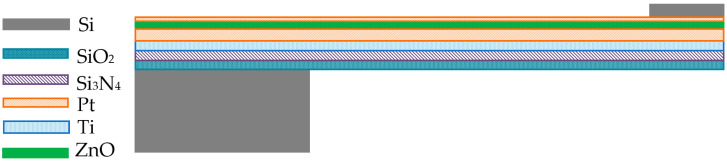 Figure 1
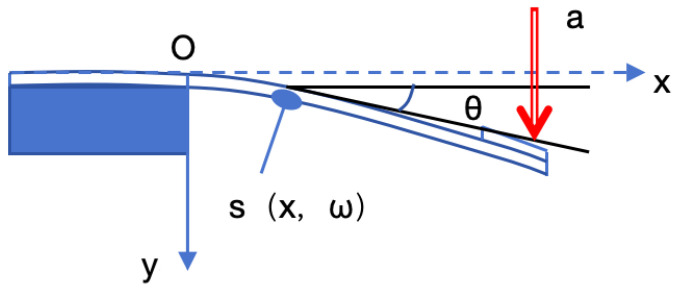 Figure 2
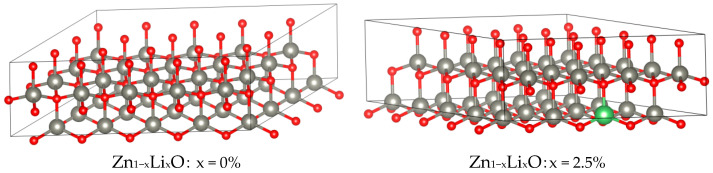 Figure 3
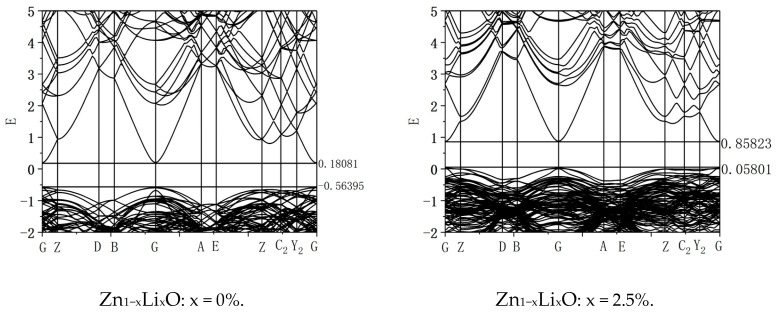 Figure 4
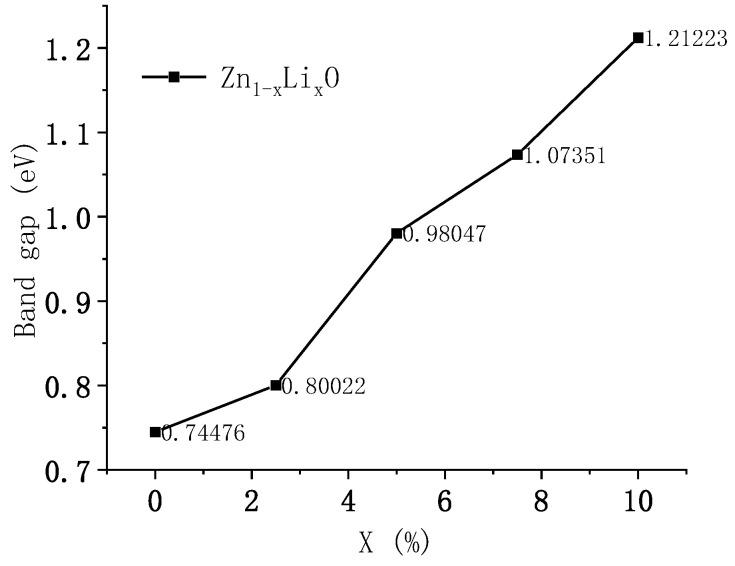 Figure 5
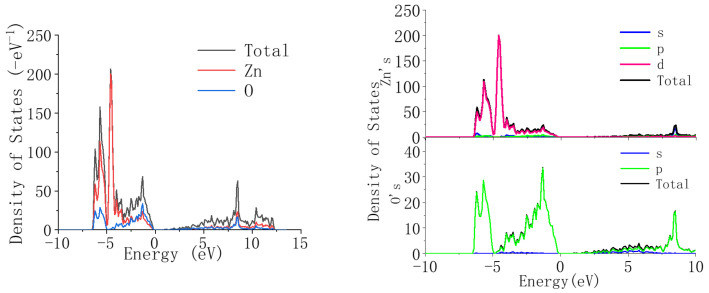 Figure 6
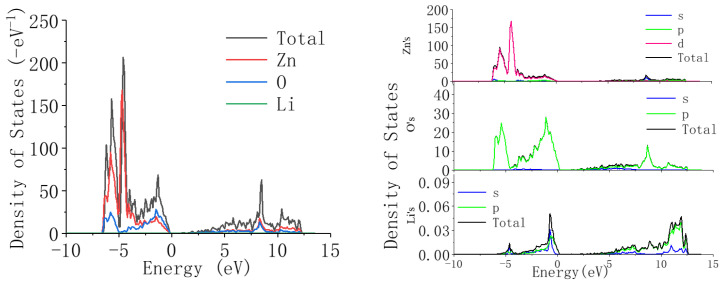 Figure 7
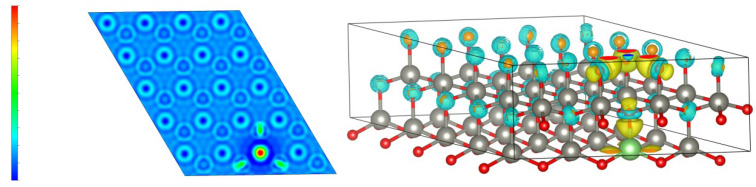 Figure 8
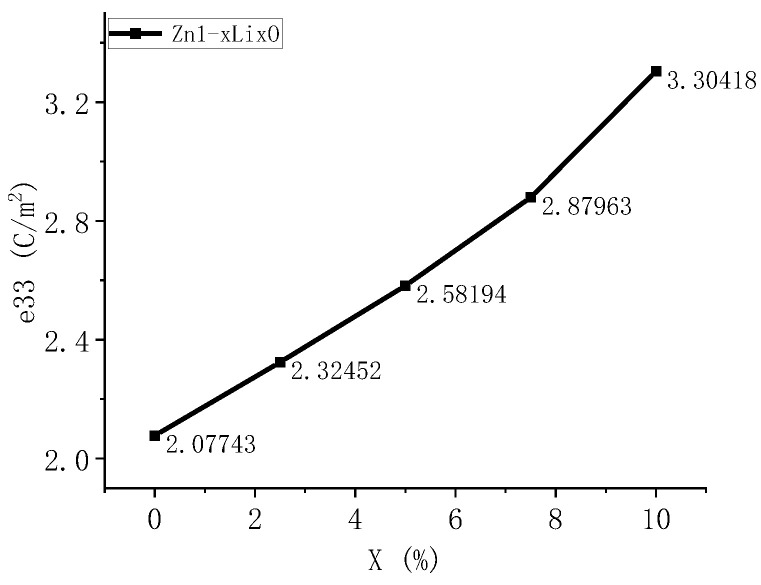 Figure 9
 Figure 10
 Figure 11
 Figure 12
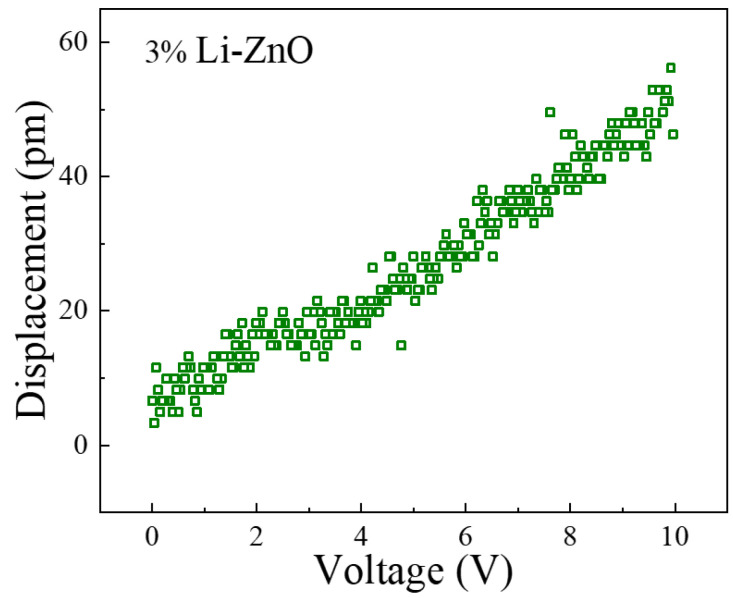 Figure 13
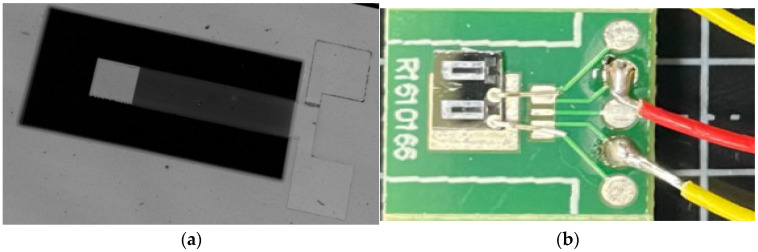 Figure 14
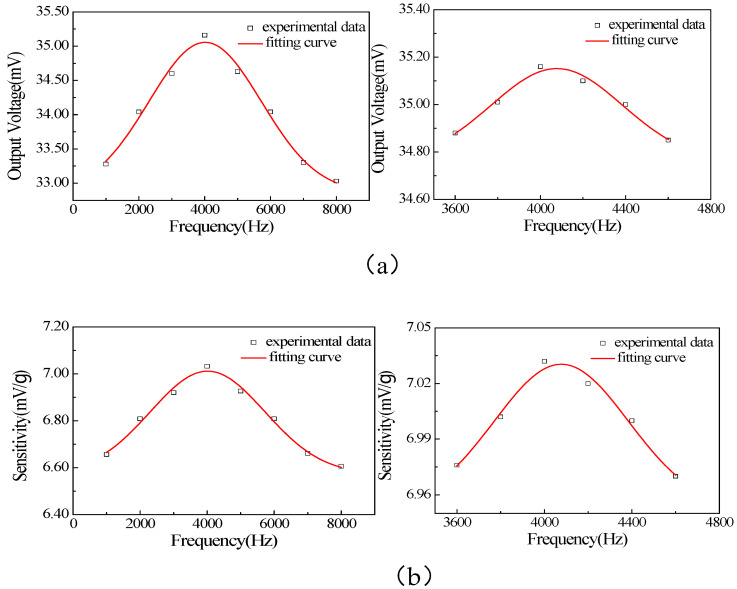 Figure 15
Peer Reviews
No public reviews on file for this paper yet. If you reviewed it on a platform where reviews are public (OpenReview, ICLR, NeurIPS, ICML), you can paste yours below so the community can read it here.
Videos
No videos yet. Explain this paper in a talk, walkthrough, or lecture? Add one.
Taxonomy
TopicsAcoustic Wave Resonator Technologies · Mechanical and Optical Resonators · Advanced MEMS and NEMS Technologies