Effects of Amphidinium carterae Phytocompounds on Proliferation and the Epithelial–Mesenchymal Transition Process in T98G Glioblastoma Cells
Julia Oyón Díaz de Cerio, Giulia Venneri, Ida Orefice, Martina Forestiero, Carlos Roman Baena, Gianluca Bruno Tassone, Isabella Percopo, Angela Sardo, Maria Luisa Panno, Francesca Giordano, Valeria Di Dato

TL;DR
This study explores how compounds from the microalgae Amphidinium carterae affect the growth and EMT process in glioblastoma cells, suggesting potential new treatments for brain cancer.
Contribution
The study introduces the potential of A. carterae-derived compounds to target EMT in glioblastoma, a novel approach for cancer therapy.
Findings
Different A. carterae strains modulate EMT markers in T98G glioblastoma cells.
The compounds affect the proliferation and migration of GBM cells.
This research highlights marine microalgae as a source of anticancer agents.
Abstract
Glioblastoma (GBM) is an aggressive type of brain cancer, frequently invasive, with a low survival rate and complicated treatment. Recent studies have shown the modulation of epithelial–mesenchymal transition (EMT) biomarkers in glioblastoma cells associated with tumor progression, chemoresistance, and relapse after treatment. GBM handlings are based on aggressive chemical therapies and surgical resection with poor percentage of survival, boosting the search for more specific remedies. Marine eukaryotic microalgae are rapidly advancing as a source of anticancer drugs due to their ability to produce potent secondary metabolites with biological activity. Among such microalgae, dinoflagellates, belonging to the species Amphidinium carterae, are known producers of neurotoxins and cytotoxic compounds. We tested the capability of chemical extracts from two different strains of A. carterae to…
Genes, proteins, chemicals, diseases, species, mutations and cell lines named across the full text — each resolved to its canonical identifier and authoritative record.
Click any figure to enlarge with its caption.
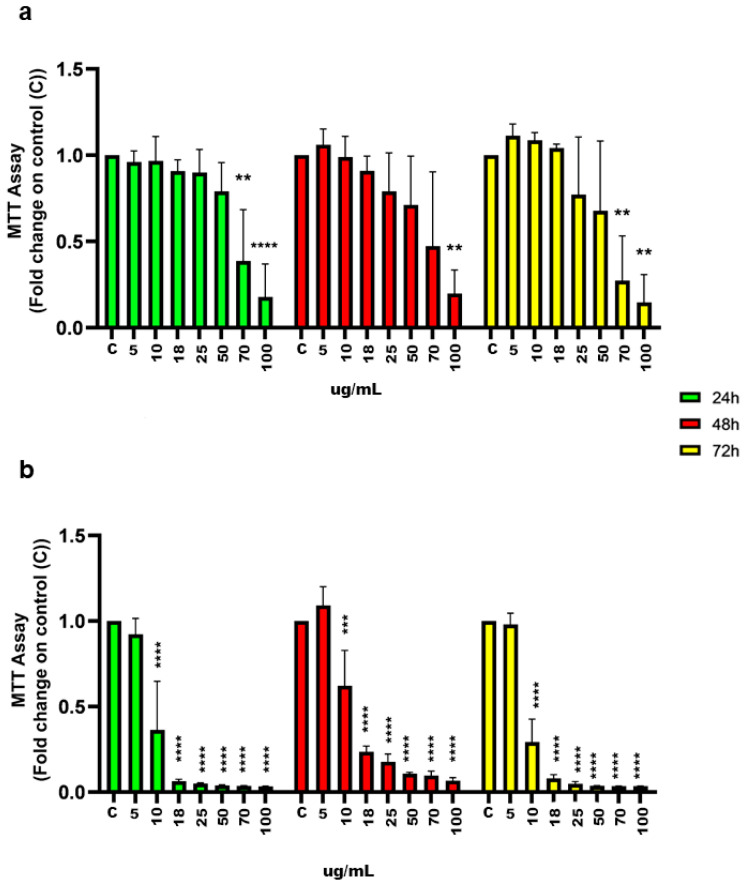 Figure 1
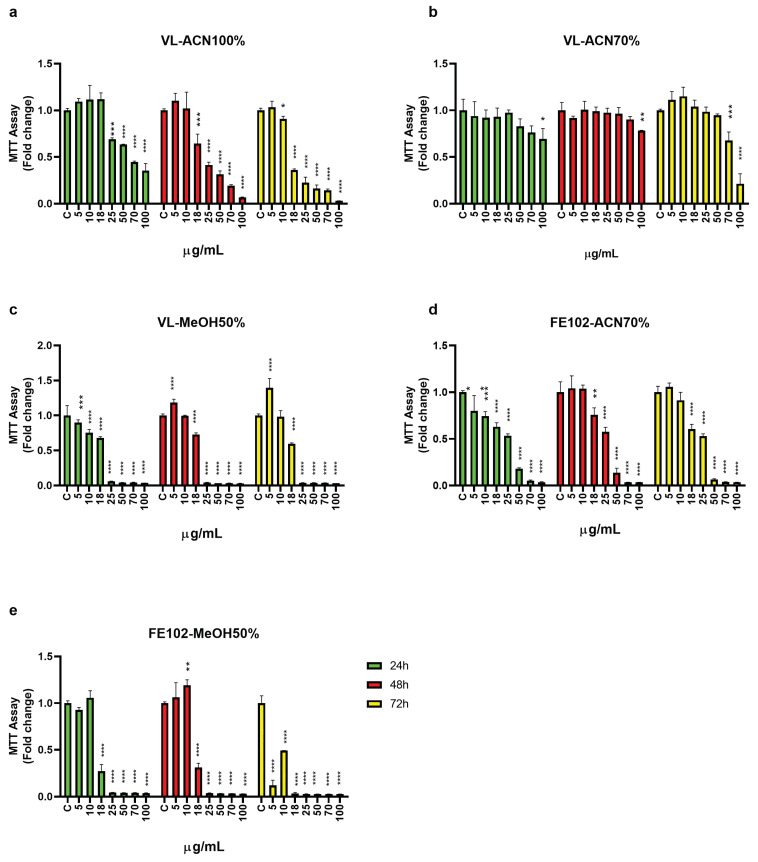 Figure 2
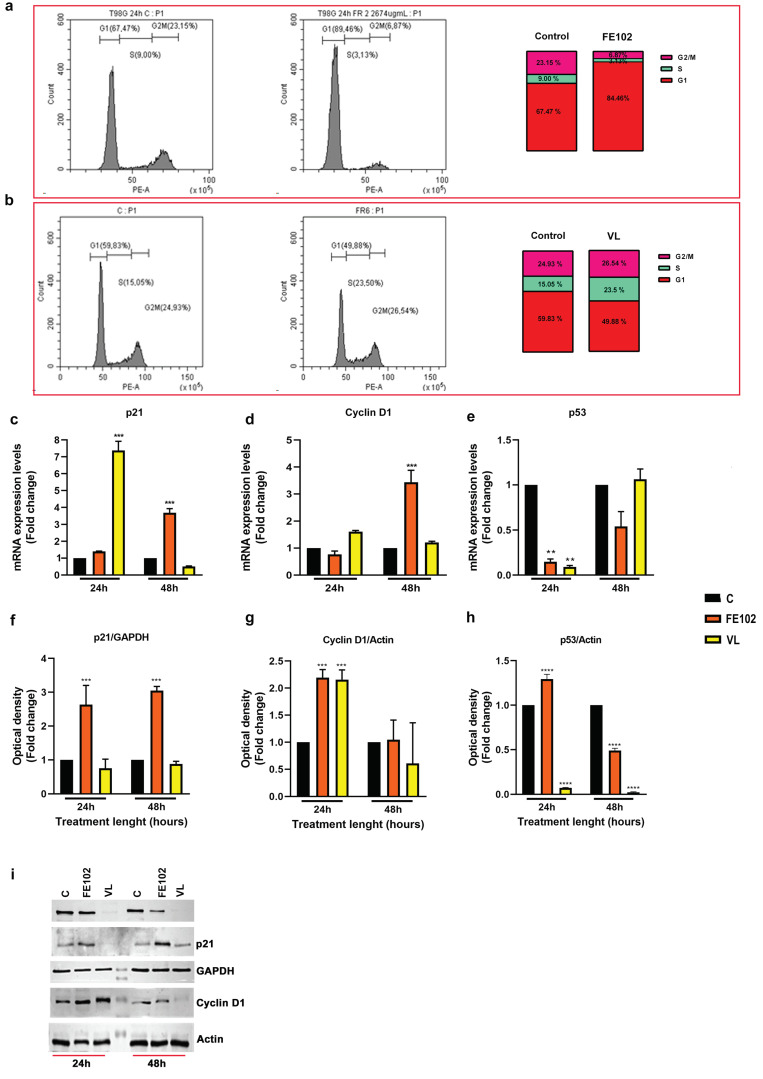 Figure 3
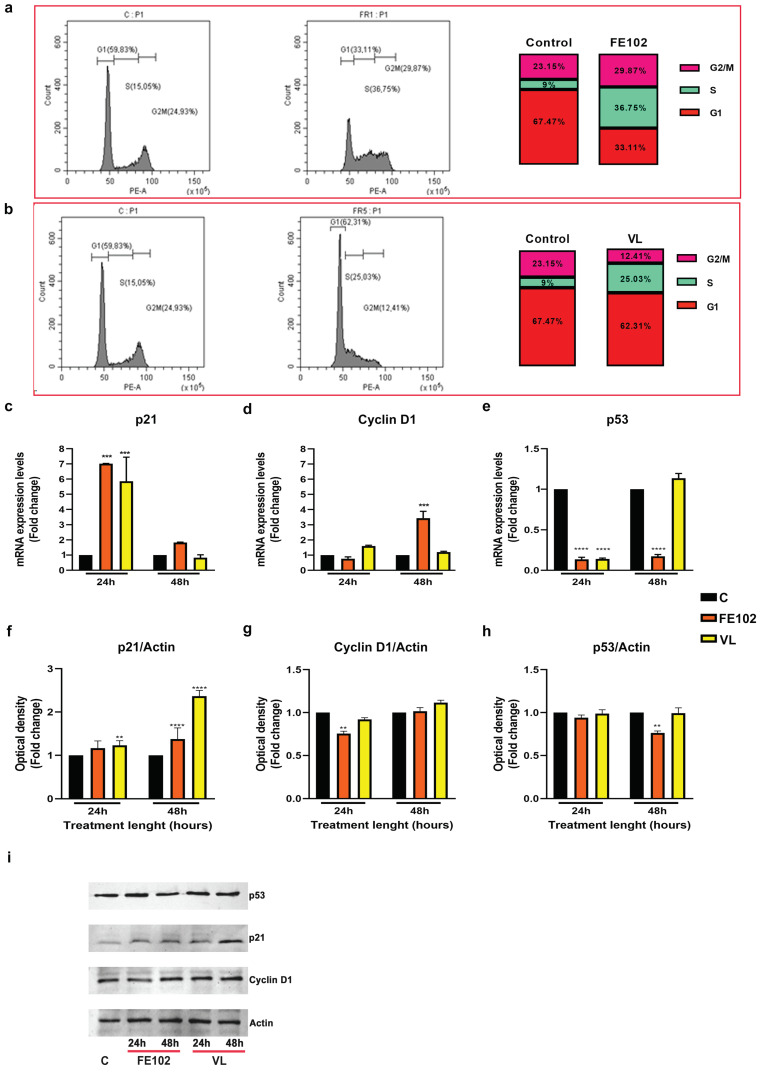 Figure 4
 Figure 5
 Figure 6
 Figure 7
Peer Reviews
No public reviews on file for this paper yet. If you reviewed it on a platform where reviews are public (OpenReview, ICLR, NeurIPS, ICML), you can paste yours below so the community can read it here.
Videos
No videos yet. Explain this paper in a talk, walkthrough, or lecture? Add one.
Taxonomy
TopicsAlgal biology and biofuel production · Protist diversity and phylogeny · Cancer Cells and Metastasis