Managing Fear and Anxiety in Patients Undergoing Dental Hygiene Visits with Guided Biofilm Therapy: Analysis of Psychological and Physiological Differences Between Women and Men—A Conceptual and Multivariate Regression Model
Marta Leśna, Krystyna Górna, Jakub Kwiatek

TL;DR
This study explores how men and women experience fear and anxiety during dental hygiene visits and suggests personalized strategies to improve patient comfort.
Contribution
The paper introduces a conceptual and multivariate regression model to analyze gender-specific psychological and physiological responses to dental anxiety.
Findings
Gender, sensory sensitivity, past trauma, and individual preferences significantly predict anxiety levels during dental visits.
Women prefer eliminating sensory triggers and direct communication with dental professionals to manage anxiety.
Tailored communication and clinical environments can enhance patient experience and treatment acceptance.
Abstract
Background: Dental anxiety is a significant barrier to dental care, leading to avoidance behaviors and compromised oral health. This study aimed to analyze fear and anxiety during dental hygiene visits with Guided Biofilm Therapy (GBT), focusing on gender differences in psychological and physiological responses to develop a more personalized approach to dental care. Methods: A total of 247 patients participated in this study. Psychological assessments included the Modified Dental Anxiety Scale (MDAS) and the State-Trait Anxiety Inventory (STAI X2), while physiological responses were measured through heart rate monitoring before and after procedures. Multivariate regression analysis was conducted to identify predictors of anxiety levels. Results: Multivariate regression analysis identified gender, sensory sensitivity (e.g., absence of tools in the field of view), past traumatic dental…
Genes, proteins, chemicals, diseases, species, mutations and cell lines named across the full text — each resolved to its canonical identifier and authoritative record.
Click any figure to enlarge with its caption.
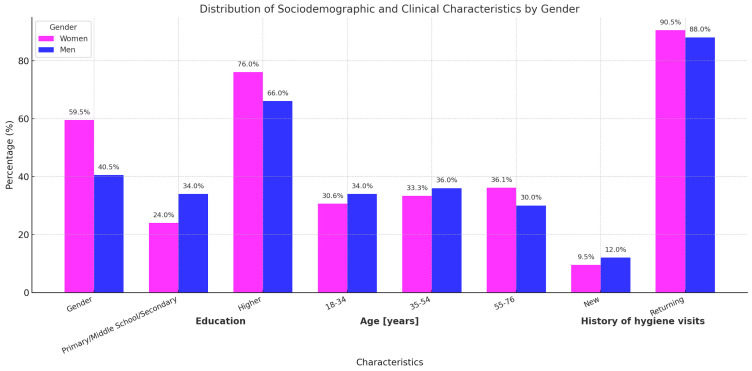 Figure 1
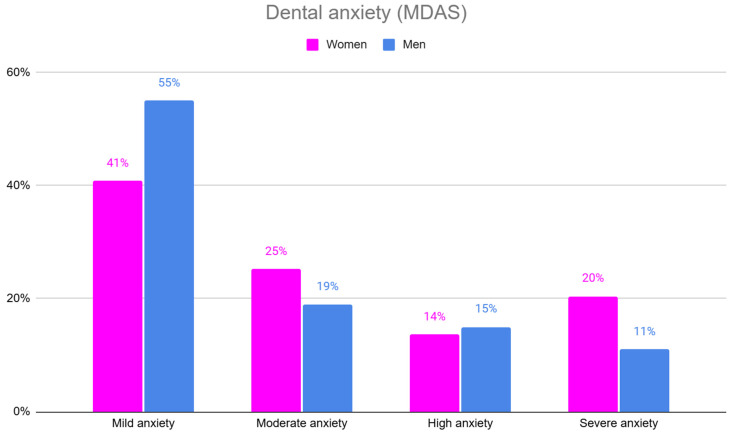 Figure 2
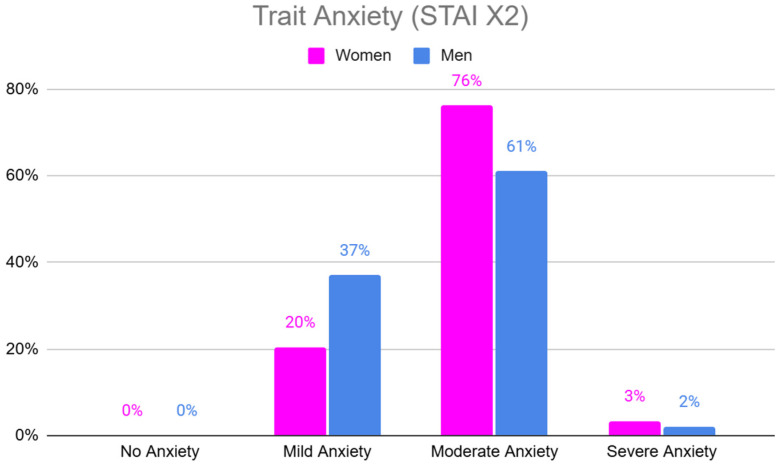 Figure 3
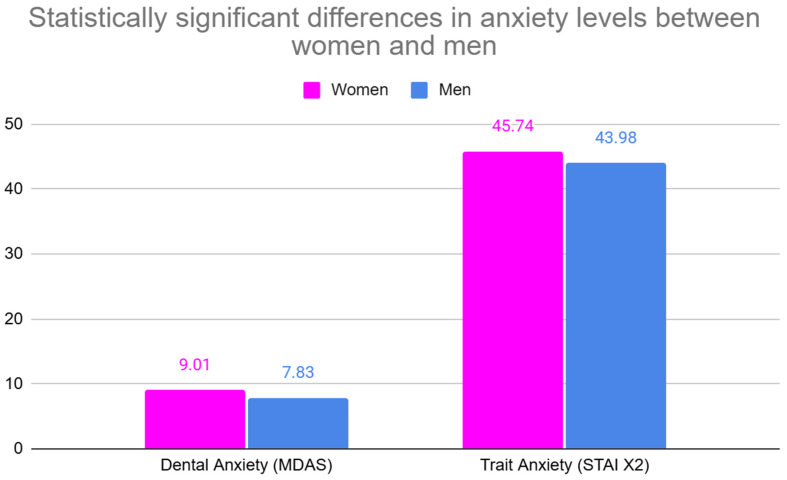 Figure 4
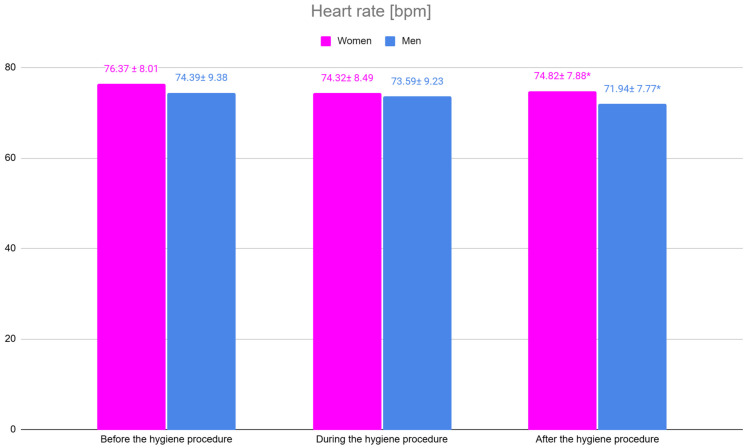 Figure 5
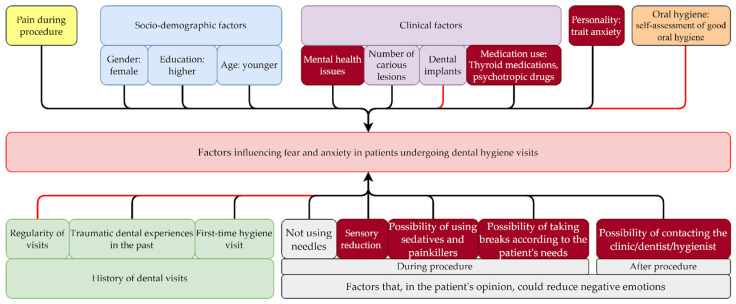 Figure 6
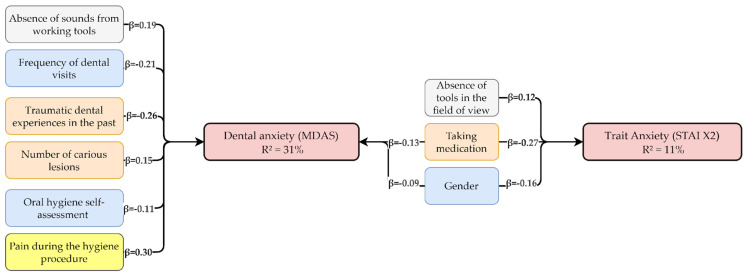 Figure 7
Peer Reviews
No public reviews on file for this paper yet. If you reviewed it on a platform where reviews are public (OpenReview, ICLR, NeurIPS, ICML), you can paste yours below so the community can read it here.
Videos
No videos yet. Explain this paper in a talk, walkthrough, or lecture? Add one.
Taxonomy
TopicsDental Anxiety and Anesthesia Techniques · Anxiety, Depression, Psychometrics, Treatment, Cognitive Processes · Pediatric Pain Management Techniques