Unipedicular vs. Bipedicular Balloon Kyphoplasty in the Treatment of Osteoporotic Vertebral Compression Fractures: Single-Institute 3-Year Follow-Up Results
Tolga Ege, Uğur Yüzügüldü, Ali Murat Başak, Mustafa Aydın, Ömer Erşen, Tuluhan Yunus Emre

TL;DR
This study compares two balloon kyphoplasty techniques for osteoporotic fractures and finds that both offer similar long-term pain relief, but with different short-term and procedural advantages.
Contribution
The study provides 3-year follow-up data comparing unipedicular and bipedicular kyphoplasty techniques in osteoporotic vertebral fractures.
Findings
Unipedicular kyphoplasty reduces radiation exposure, operative time, and cement leakage risk compared to the bipedicular approach.
Bipedicular kyphoplasty provides better short-term pain relief and vertebral height correction in the long term.
Both techniques show comparable pain and disability improvements at 1- to 3-year follow-ups.
Abstract
Background and Objectives: Balloon kyphoplasty is one of the most commonly performed minimally invasive surgical procedures for the treatment of osteoporotic vertebral fractures, with the bipedicular technique being the conventional approach. However, the use of both pedicles may present certain disadvantages, including higher costs, longer operative times, increased radiation exposure, and a greater risk of bone cement leakage. This study aims to report the 3-year follow-up outcomes of double-pedicle and single-pedicle kyphoplasty performed at our institution. Materials and Methods: Between June 2016 and May 2019, a total of 136 patients who presented to our clinic with osteoporotic vertebral fractures and underwent balloon kyphoplasty were included in this retrospective study. Pain relief and quality of life indices were assessed preoperatively and postoperatively. During follow-up…
Genes, proteins, chemicals, diseases, species, mutations and cell lines named across the full text — each resolved to its canonical identifier and authoritative record.
Click any figure to enlarge with its caption.
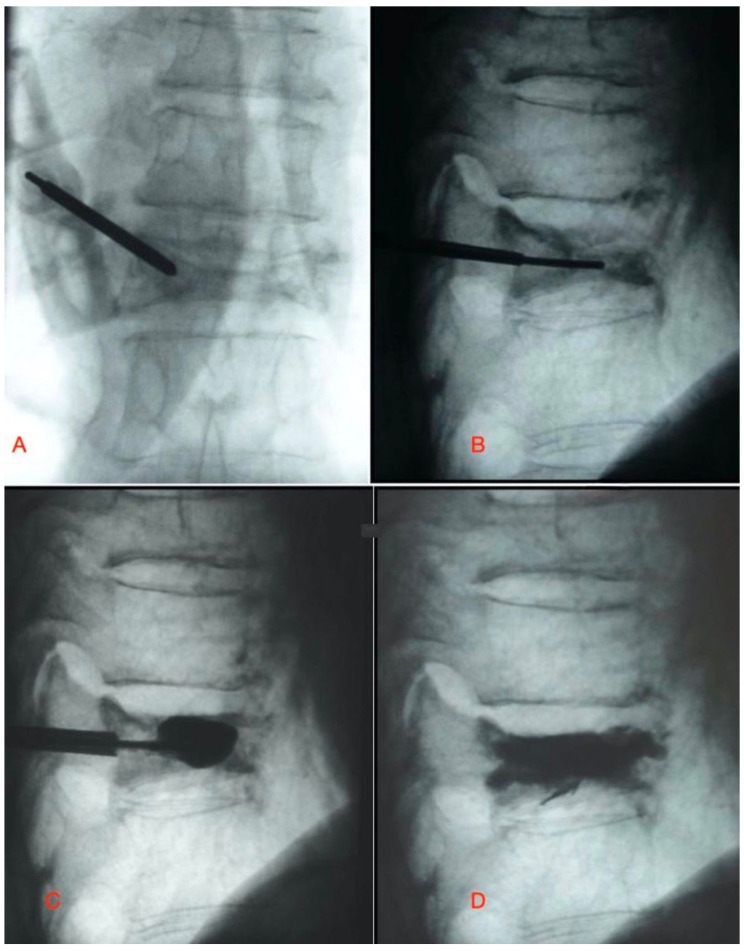 Figure 1
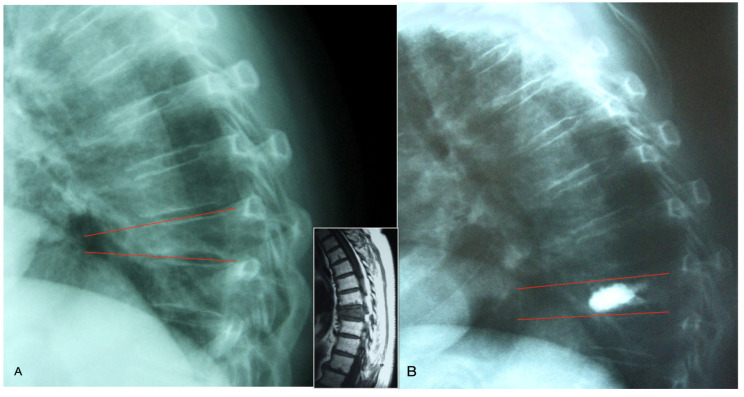 Figure 2
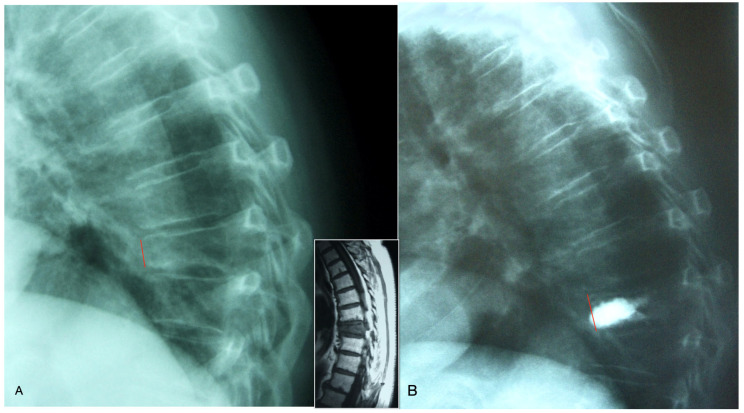 Figure 3
Peer Reviews
No public reviews on file for this paper yet. If you reviewed it on a platform where reviews are public (OpenReview, ICLR, NeurIPS, ICML), you can paste yours below so the community can read it here.
Videos
No videos yet. Explain this paper in a talk, walkthrough, or lecture? Add one.
Taxonomy
TopicsSpinal Fractures and Fixation Techniques · Pelvic and Acetabular Injuries · Spine and Intervertebral Disc Pathology