Unveiling a Therapeutic Breakthrough: Baricitinib in the Treatment of Acute and Recurrent Pustulosis Associated with Atopic Dermatitis—A Case Report, Literature Review, and Novel Clinical Insights
Daciana Elena Brănișteanu, Cătălina Anca Munteanu, Daniel Constantin Brănișteanu, Cristina Colac-Boțoc, Roxana Paraschiva Ciobanu, Antonia Elena Huțanu, Cătălina Onu-Brănișteanu, Gabriela Stoleriu, Laura Endres, Cojocaru Elena, Stefan Vasile Toader

TL;DR
A 40-year-old woman with a rare skin condition called ARP and atopic dermatitis showed significant improvement after treatment with Baricitinib, suggesting shared inflammatory pathways and new therapeutic possibilities.
Contribution
This case report is the first to document ARP coexisting with atopic dermatitis and demonstrates the efficacy of Baricitinib in treating both conditions.
Findings
Baricitinib treatment led to marked improvement in both ARP and atopic dermatitis symptoms.
ARP may have a subtype triggered by heat and sweat, not just UV radiation.
Shared inflammatory pathways between ARP and atopic dermatitis suggest potential for JAK inhibitors in treatment.
Abstract
Acute and recurrent pustulosis (ARP), previously known as actinic folliculitis, superficial actinic folliculitis, or even acne aestivalis, is a rare, underdiagnosed dermatological condition characterized by the sudden onset of monomorphic pustular eruptions on an erythematous background localized predominantly on the upper body. While typically associated with sun exposure, ARP can also be triggered by other factors, such as heat or sweating, underscoring its multifactorial etiology. We report the case of a 40-year-old woman with ARP, presenting diagnostic challenges due to overlapping clinical features and the coexistence of atopic dermatitis (AD), an association not previously documented in the literature. The patient exhibited recurrent pustular episodes localized on sun-exposed and non-exposed areas, unresponsive to conventional therapies. Comprehensive microbiological,…
Genes, proteins, chemicals, diseases, species, mutations and cell lines named across the full text — each resolved to its canonical identifier and authoritative record.
Click any figure to enlarge with its caption.
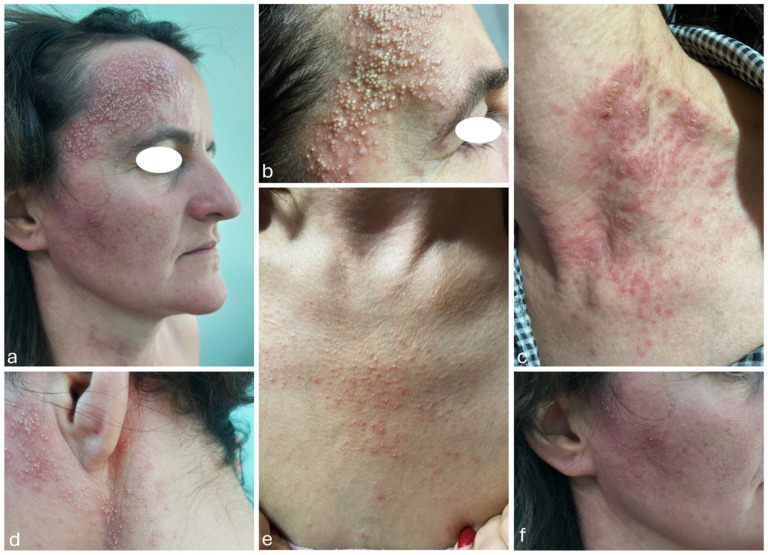 Figure 1
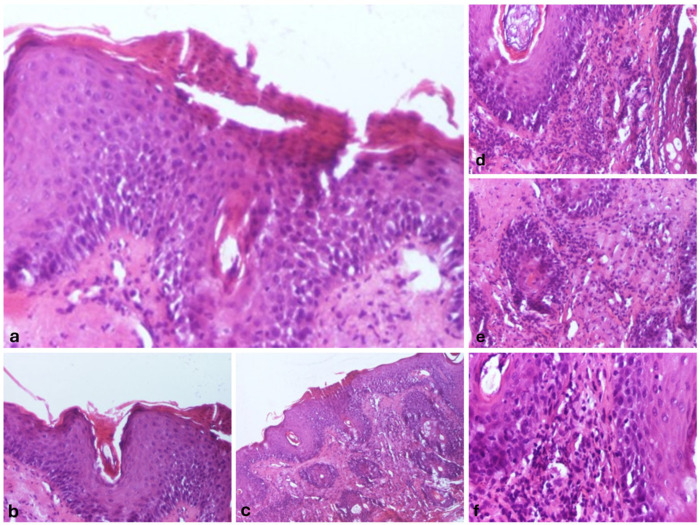 Figure 2
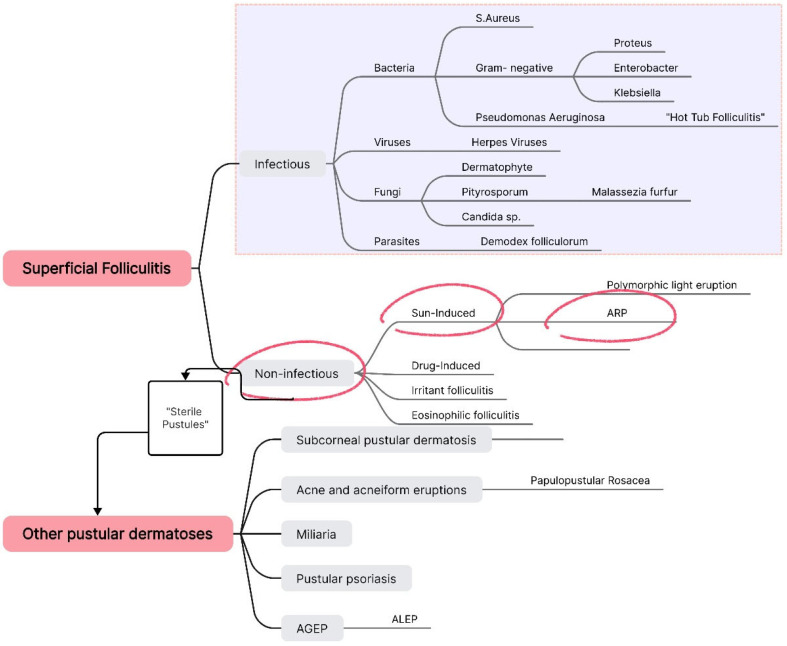 Figure 3
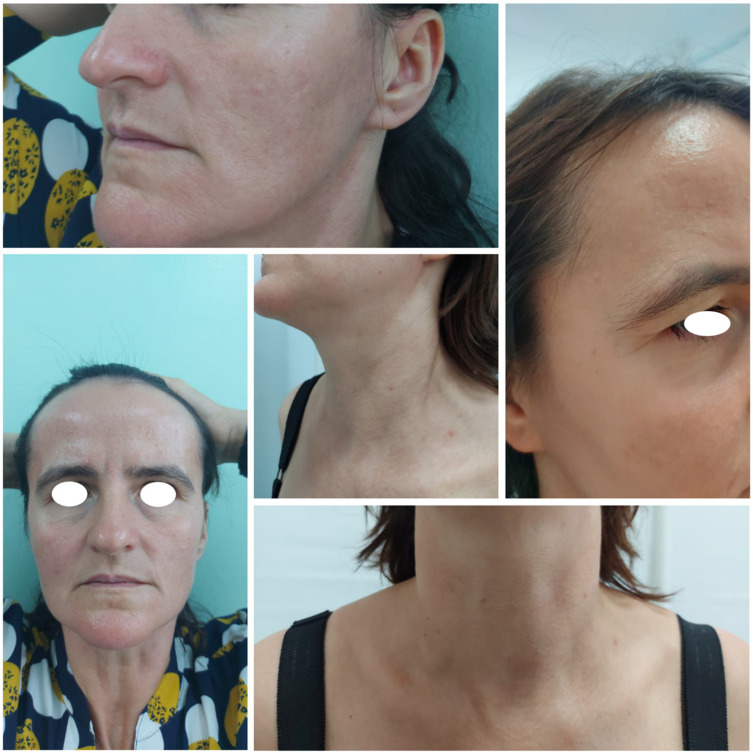 Figure 4
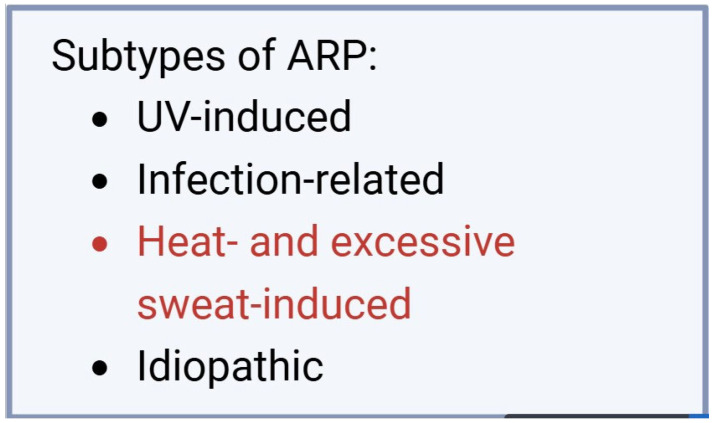 Figure 5
Peer Reviews
No public reviews on file for this paper yet. If you reviewed it on a platform where reviews are public (OpenReview, ICLR, NeurIPS, ICML), you can paste yours below so the community can read it here.
Videos
No videos yet. Explain this paper in a talk, walkthrough, or lecture? Add one.
Taxonomy
TopicsDermatology and Skin Diseases · Contact Dermatitis and Allergies · Autoimmune Bullous Skin Diseases